National Park · CA · Est. 1980
Channel Islands
Overview
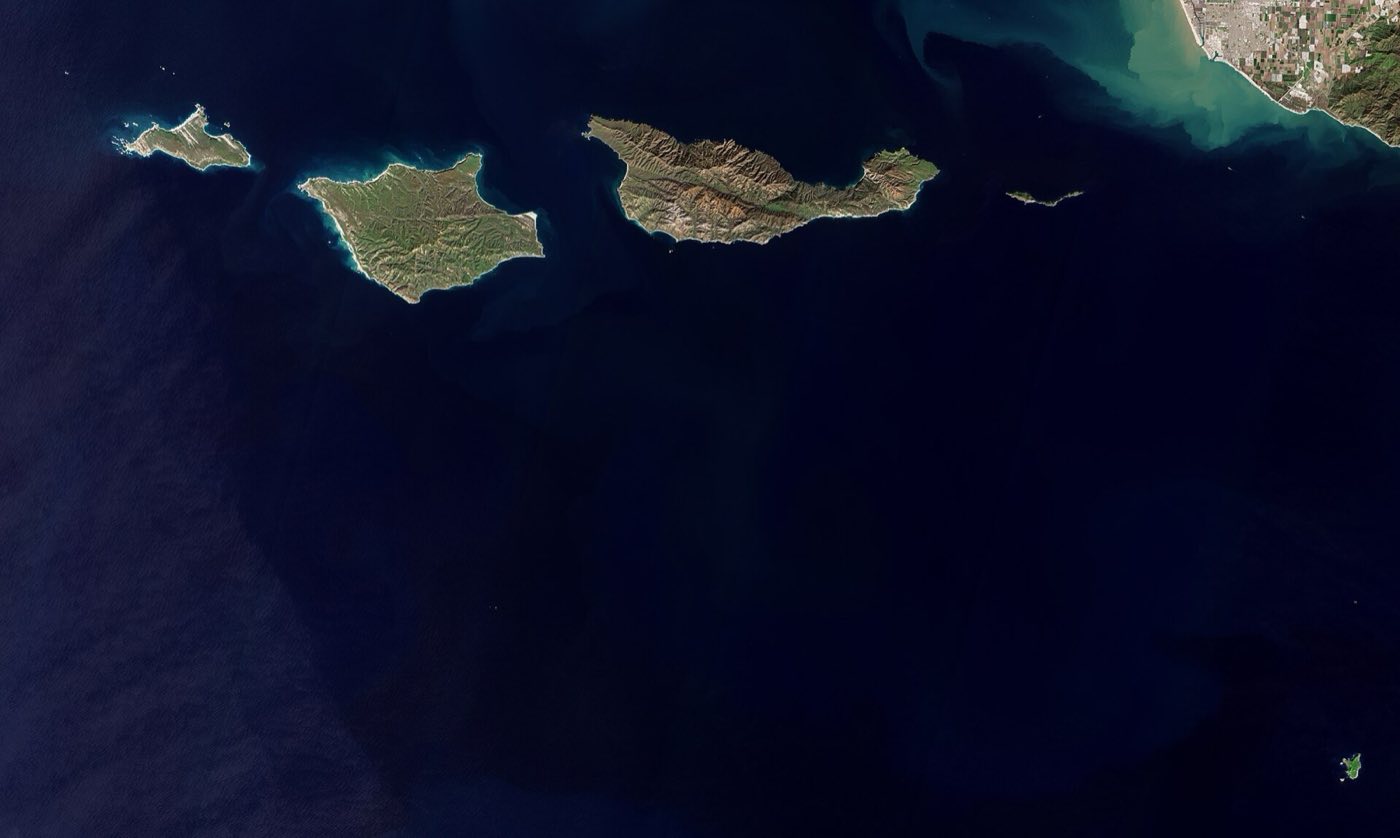
Channel Islands sits an hour by boat off the Southern California coast. Five islands rising out of the Santa Barbara Channel have been cut off from the mainland long enough to evolve their own plants and animals, earning the nickname the Galapagos of North America. There are no hotels, no restaurants, no stores, no cell service, and no way on or off outside of the park concessionaire's boats. You leave Ventura Harbor on a morning ferry and within 45 minutes the water turns cobalt and the mainland skyline drops away behind you. Dolphins often ride the bow. The islands themselves feel empty in a way coastal California almost never does — wind-grass hillsides, cobble beaches, sea caves drilling into volcanic cliffs, and kelp forests so thick you can hear them creaking from a kayak. Pack more food and water than you think you need, bring warm layers even in August, and plan for the chance that weather turns and the boat home gets bumpy. The reward is a California that disappeared somewhere around 1850.
What to See & Do
Sea cave kayaking at Santa Cruz Island's Painted Cave — one of the world's largest
Painted Cave runs nearly a quarter mile into the side of Santa Cruz Island, its ceiling striped with orange lichen and green algae. Only experienced paddlers in their own boats should try reaching it directly — conditions change fast. Most visitors book a guided kayak tour out of Scorpion Anchorage with one of the park's authorized concessionaires; they'll provide the boat, wetsuit, and headlamp and walk you through the sea cave network. Morning trips have the calmest water and best light at the cave mouth.
Snorkeling and diving in giant kelp forests off Anacapa
The water off Anacapa Island is protected as a marine reserve, and the giant kelp forests there are some of the healthiest and most accessible in California. Bright orange garibaldi fish, sea lions, and the occasional black-tip shark cruise through dappled, cathedral-like stalks that reach 50 feet to the surface. Water temperatures run 55 to 68°F even in summer, so a 7mm wetsuit is effectively required. Landing Cove at Anacapa puts you right into the kelp from the steep metal entry ladder.
Spotting endemic island foxes on Santa Cruz and Santa Rosa
The island fox is about the size of a housecat, fearless, and found nowhere else on earth. The species nearly went extinct in the early 2000s and has since recovered into one of the great quiet conservation wins of the West Coast. Scorpion Canyon Campground on Santa Cruz and the hillsides above Bechers Bay on Santa Rosa are both reliable places to watch for them at dawn and dusk. Do not feed them — rangers will ask you to leave if they catch it.
Inspiration Point on Anacapa for sweeping channel views
A 1.5-mile flat walk from the Anacapa boat landing ends at Inspiration Point, a cliff-edge overlook with views down the chain of islets toward Santa Cruz and Santa Rosa. The angle is the one you've seen on every park brochure. Bring a windbreaker — the point is exposed — and linger for dolphins, whales, and the fog bank moving in from the open Pacific in late afternoon. The trail also passes the 1932 Coast Guard lighthouse, the last manned lighthouse built on the West Coast.
Sea lion and elephant seal rookeries on San Miguel
The westernmost island in the park, San Miguel, has the largest concentration of pinnipeds anywhere on the U.S. West Coast — six species breed or haul out on its beaches, sometimes more than 100,000 animals at once. Point Bennett, the main rookery, is reachable only on a 15-mile ranger-escorted hike. Boats to San Miguel run only a couple days a week in summer and get cancelled often due to rough crossings at the open-ocean side of the chain. Plan loose, go when you can.
Torrey pine groves on Santa Rosa Island
One of only two wild Torrey pine populations on earth grows on a hillside above Bechers Bay on Santa Rosa — the other is in San Diego. A 4-mile out-and-back trail from the campground climbs through the grove and delivers ocean views the entire way. The trees are gnarled, sparse, and cling to the slope in the island wind. Ferry service to Santa Rosa runs less frequently than to Anacapa or Santa Cruz, so build a flexible two- or three-day plan if this is the island you're targeting.
Wildflower blooms on Santa Cruz in spring
Late February through May, the hillsides above Scorpion Anchorage turn yellow with giant coreopsis, blue with island ceanothus, and orange with poppy. The Smugglers Cove and Potato Harbor trails from the anchorage are the best ways to walk through it. The bigger the winter rains, the bigger the bloom. Wear long pants — the trails are thin, and lupine and fennel crowd the path in peak season — and pack extra water, because there is none at the trailhead.
Getting There & When to Go
The park is reached by boat from Ventura or Oxnard via Island Packers, the NPS concessionaire, or by seaplane via Channel Islands Aviation to Santa Rosa. Book boat tickets a month or more ahead for summer weekends. There is no car ferry — you walk on, and there are no vehicles on the islands. Day trips run year-round to Anacapa and Santa Cruz, with Santa Rosa and Santa Barbara islands on reduced schedules; San Miguel is seasonal and often weather-cancelled. The calmest water and warmest air are July through September. Gray whale migration draws boat watchers from December through March, and spring wildflowers peak in March and April.
Where to Stay
There is no lodging on any of the islands — only primitive campgrounds operated by the park, and they all require reservations through Recreation.gov. The Scorpion Canyon campground on Santa Cruz is the most popular and most accessible; Anacapa's cliff-top campground has the best stargazing but no shade; San Miguel and Santa Rosa are for experienced backpackers only. Everything you use you carry in and carry out, including water on some islands. Most visitors stay in Ventura on the mainland and do day trips; Ventura has a full range of hotels 10 minutes from the harbor, and Santa Barbara 30 minutes north has the higher-end options.
Frequently Asked Questions
- Do I need a reservation to visit?
- Park entry is free, but transportation to the islands is not — book Island Packers or Channel Islands Aviation ahead, especially on summer weekends. Camping on any island requires a separate Recreation.gov reservation. No same-day walk-up boat travel is guaranteed.
- Which island should I visit if I only have one day?
- Santa Cruz Island via Scorpion Anchorage is the most popular day trip. The boat ride is about an hour each way, the island has the widest range of trails and kayak access, and you'll reliably see island foxes, sea caves, and spring wildflowers depending on season.
- Is the boat ride rough?
- It can be. The Santa Barbara Channel is an open ocean crossing, and afternoon winds routinely build swell and chop. Morning departures are calmer than afternoon returns. If you're prone to seasickness, take medication before boarding — not after — and sit on the open upper deck, not in the enclosed cabin.
- Can I bring a dog?
- No. Pets are not allowed on any of the five islands, in the campgrounds, or on the boats. This protects both the endemic wildlife — especially the recovering island fox population — and ground-nesting seabirds.
Plan Your Visit
Book Nearby HotelsHave you visited Channel Islands?
Track all 63 national parks on your map