National Park · FL · Est. 1980
Biscayne
Overview
Biscayne is the national park that catches most first-time visitors off guard — 95% of it is water. Just 45 minutes south of downtown Miami, it protects a pristine ribbon of Biscayne Bay, mangrove coast, and the northernmost Florida Keys, with coral reefs and shipwrecks scattered across a shallow turquoise shelf. The visitor center at Dante Fascell sits on dry land, but everything worth seeing here requires a boat, a paddle, or a mask and fins. That's both the appeal and the challenge. You won't drive scenic roads or hike famous trails — instead you'll book a concessionaire tour, launch a kayak from Convoy Point, or charter a dive boat to reach the outer reef. What you get in exchange is solitude most park visitors never experience: a mangrove tunnel at Jones Lagoon with no one else in it, a 19th-century wreck half-buried in seagrass, a nurse shark sliding under your boat. Bring reef-safe sunscreen, plenty of water, and a plan — the park rewards people who show up ready to get wet.
What to See & Do
Snorkeling the Maritime Heritage Trail's six shipwreck sites
Six wrecks spanning more than a century — from the 1878 Arratoon Apcar to the 1966 Mandalay — are preserved on an underwater trail marked with mooring buoys. The Mandalay is the showpiece for snorkelers, a two-masted schooner in just 12 to 16 feet of clear water ringed by grunts, sergeant majors, and the occasional barracuda. The Biscayne National Park Institute runs guided snorkel charters to the wrecks three or four days a week; book at least a week ahead in winter high season. Bring an underwater camera — the visibility on a calm January morning is honestly ridiculous.
Glass-bottom boat tour over the coral reef
If you're not up for getting in the water, the concessionaire runs a large glass-bottom boat out to the reef from Convoy Point roughly three hours round-trip. You'll pass mangrove keys, watch bottlenose dolphins surf the bow wake, and then float over elkhorn coral heads and reef fish through the viewing panels in the hull. It's a solid option for families with small kids or anyone who wants the full park experience without a mask and fins. Morning tours generally see calmer water and better visibility than afternoon runs.
Kayaking through mangrove-lined Jones Lagoon
Jones Lagoon is a shallow, sheltered mangrove maze on the back side of Totten Key that stays glass-calm even when the ocean outside is rough. You'll glide past upside-down jellyfish pulsing along the bottom, spotted eagle rays gliding under the hull, and baby lemon sharks using the mangrove roots as a nursery. Go with a guided paddle trip from the visitor center, or bring your own kayak and launch from Convoy Point — plan on a 7- to 9-mile round trip and dead-calm weather, since there's no shelter on the crossing.
Boca Chita Key lighthouse and picnic grounds
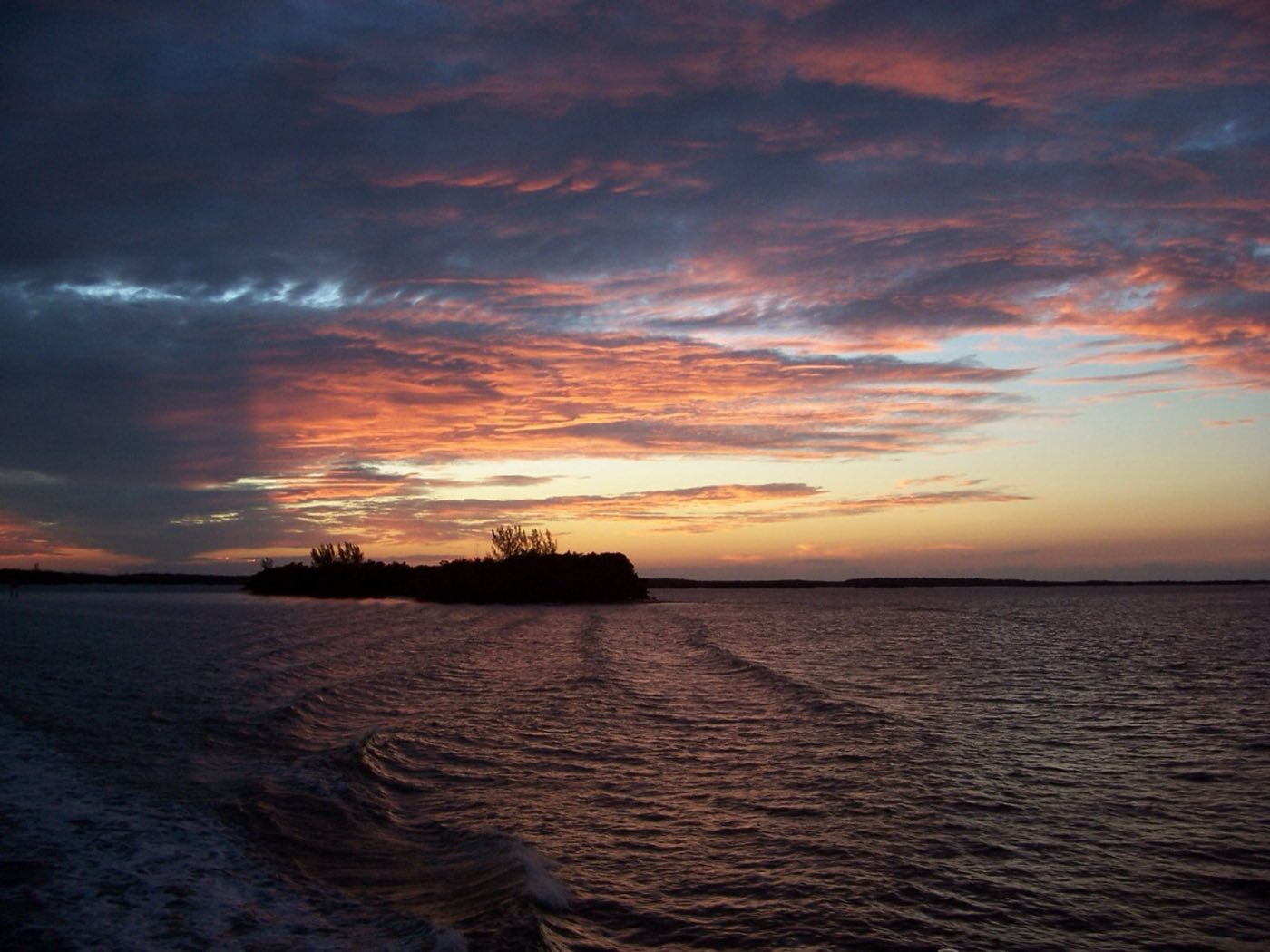
The park's most photographed spot is a 65-foot ornamental lighthouse built in the 1930s by industrialist Mark Honeywell as a private getaway. Boats can tie up to the harbor wall for the day, picnic on the grass, and climb the lighthouse when a ranger is on-site. There's a primitive campground here for paddlers and boaters who want to overnight — bring everything including drinking water. Sunset from the harbor, with the Miami skyline glowing 20 miles across the bay, is the moment most people remember from their visit.
Elliott Key's Spite Highway trail through tropical hardwood hammock
Elliott Key was almost turned into a second Key Biscayne in the 1960s — developers bulldozed a six-lane swath down the island in protest when the national monument was being debated. Congress passed it anyway, and the scar is now a trail through rare tropical hardwood hammock, with gumbo-limbo, mahogany, and strangler fig closing in overhead. It's 7 miles end to end and shadeless in patches — bring serious water. Elliott Key also has a small campground and dock for overnight boaters.
Scuba diving at the coral reefs with sea turtles and nurse sharks
The outer reef line along the park's eastern edge drops from 20 to 60 feet and supports some of the healthiest coral communities left in the Florida Reef Tract. Hawksbill and green sea turtles cruise the patch reefs, nurse sharks sleep under ledges, and spiny lobsters wave their antennae from cracks in the coral. Dive charters run out of Homestead and Key Largo; no dive operators launch from Convoy Point itself. Certification and a dive computer are required — there's no shore diving in the park.
Getting There & When to Go
Miami International Airport is 40 minutes north of the park's Dante Fascell Visitor Center at Convoy Point in Homestead — there's no public transit, so you'll need a rental car. The park itself is reached by boat; the Biscayne National Park Institute runs snorkel, sailing, and paddling trips from the visitor center dock, and private charters leave from marinas up and down the Miami-Dade coast. Mid-December through April is the sweet spot — calm seas, 20-foot underwater visibility, dry air, and highs in the 70s. Summer water is warmer and snorkeling is still excellent, but hurricane season runs June through November and afternoon thunderstorms are daily from July onward.
Where to Stay
There's no lodging inside the park, but the Homestead and Florida City area just minutes from the visitor center has a spread of mid-range chain hotels built for the Everglades and Keys crowd. Staying here lets you hit Biscayne in the morning and Everglades National Park in the afternoon — they're 40 minutes apart. For more atmosphere, head 45 minutes north to Coconut Grove or Coral Gables in Miami and commute down, or push 45 minutes south into Key Largo for waterfront resorts and early access to the Overseas Highway. Backcountry campers can get a permit to camp on Boca Chita or Elliott Key by boat only.
Frequently Asked Questions
- Do I need a boat to visit Biscayne National Park?
- Effectively yes. You can walk the short jetty trail at Dante Fascell Visitor Center without one, but the reef, shipwrecks, keys, and mangrove channels are all reached only by boat. The park's nonprofit partner, the Biscayne National Park Institute, runs daily guided trips that don't require you to own or captain a vessel.
- Is snorkeling here better than at John Pennekamp in Key Largo?
- They're comparable and complement each other. Biscayne has fewer visitors and more historic shipwrecks on its Maritime Heritage Trail, while Pennekamp is more developed with easier guaranteed access. Serious reef snorkelers often do both in the same trip.
- Can I see manatees at Biscayne?
- Yes, especially in winter when they congregate in the warmer waters of the bay and in canals near Black Point Marina. Sightings aren't guaranteed but are common from November through March. Kayak tours in Jones Lagoon also occasionally encounter them browsing in the seagrass.
- Is there an entrance fee?
- No. Biscayne is one of the few national parks with no entrance fee — because almost all visitor access is by boat, the NPS charges nothing at the visitor center. You'll pay for boat tours, dive trips, and camping permits separately through the concessionaire or park office.
Plan Your Visit
Book Nearby HotelsHave you visited Biscayne?
Track all 63 national parks on your map