Zimbabwe
- Capital
- Harare
- Population
- 16.7M
- Currency
- ZWL
- Languages
- English, Shona, Ndebele
Overview
A southern African country of dramatic contrasts — the thundering western edge of Victoria Falls, the elephant herds of Hwange, the stone-walled ruins that gave the country its name, and the granite-boulder landscapes of the Matobo Hills. Travelers come for Hwange National Park's great elephant populations, the remains of a medieval African civilization at Great Zimbabwe, and sunset cruises on the upper Zambezi. What you notice in Zimbabwe is the quality of the guiding. The country trains some of the most rigorously qualified safari guides in Africa — the Zimbabwe Professional Guide licence is among the toughest in the business — and the small-camp culture in Hwange, Mana Pools, and the Lower Zambezi Valley is built around long experience in the bush. Mana Pools in particular is one of the few parks in Africa where walking safaris and unaccompanied self-drives are both permitted, and the elephant behavior there — including the now-famous standing-on-hind-legs feeders — draws wildlife photographers back year after year. The country has had a difficult economic run — hyperinflation, currency instability, political tension — and day-to-day things like fuel and banking can be uneven. For travelers on an organized safari itinerary, though, almost none of that is visible; the tourism infrastructure in Vic Falls, Hwange, and the main bush camps is well-run, safe, and priced in US dollars. Most visitors combine Zimbabwe with Zambia, Botswana, or both on a southern-Africa multi-country trip.
Things to Do
Victoria Falls — the Zimbabwean viewpoint
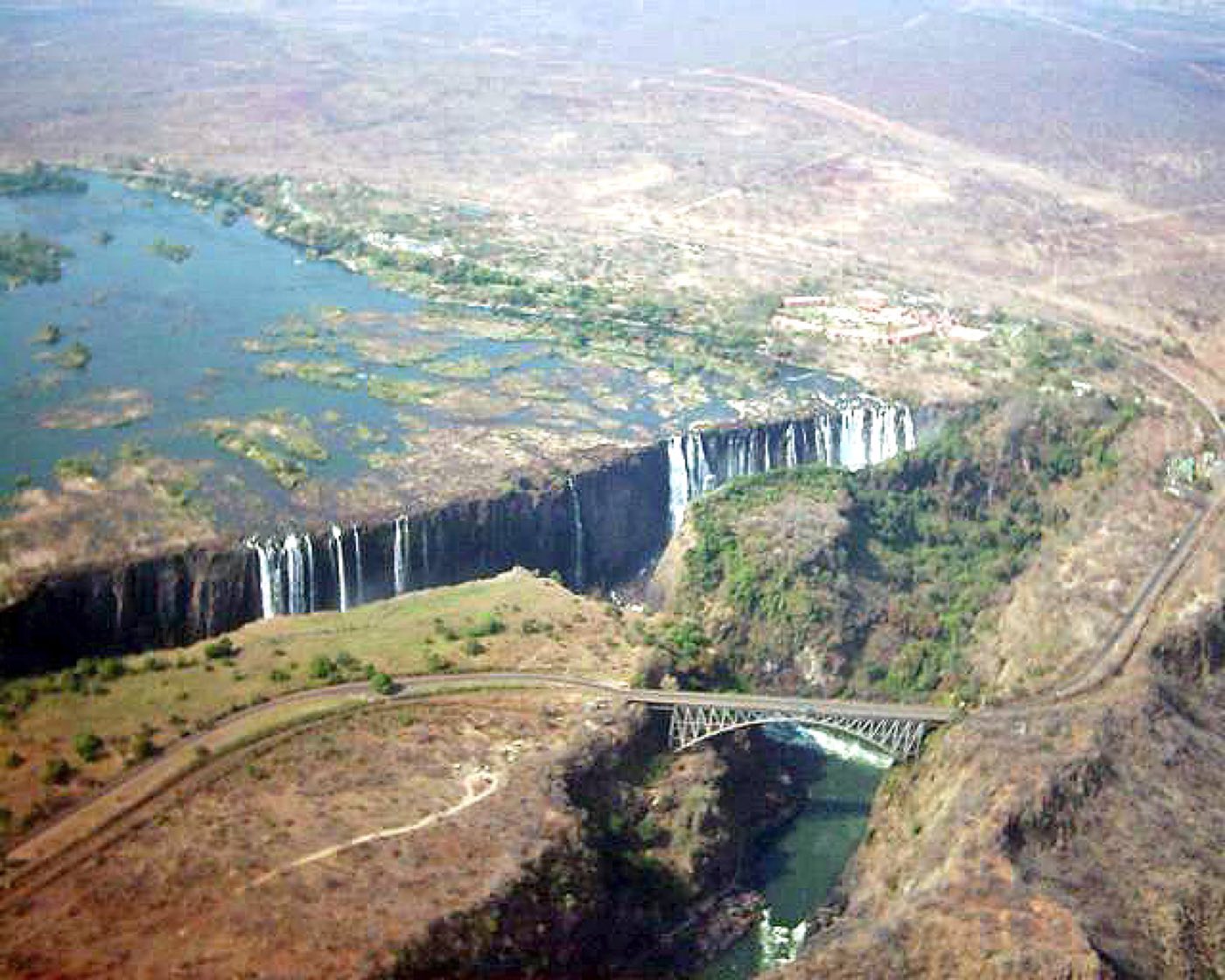
The Zimbabwean side of Vic Falls faces most of the 1,700-meter curtain head-on, and the Rainforest walk — a path along the cliff opposite the falls — gives you 16 viewpoints over about an hour, with the spray soaking you in the wet months. Victoria Falls town is small, walkable, and has the better range of lodges and restaurants on this side. Add a helicopter flight of the falls, a Zambezi sunset cruise, and a bridge bungee if that is your thing.
Hwange National Park elephant herds
Zimbabwe's largest national park, Hwange holds one of the densest elephant populations in Africa — some 45,000 animals concentrating around artificial waterholes in the dry season. Small tented camps around the park (Little Makalolo, Somalisa, Davison's) position you a few meters from action at the hides. The dry months from August to October are the peak, when hundreds of elephants can gather at a single pan in an afternoon. Road access from Vic Falls takes about three hours.
Great Zimbabwe ruins UNESCO site
The stone-walled ruins of a medieval African city built between the 11th and 15th centuries by ancestors of the Shona people, Great Zimbabwe covers 800 hectares outside Masvingo and is the largest ancient structure in sub-Saharan Africa. The Great Enclosure, with its 11-meter walls of fitted granite blocks set without mortar, is the signature sight. Pair it with the Hill Complex above for the long view across the valley that explains why the site was chosen. Half a day is enough; a good guide makes it far better.
Matobo Hills balancing rocks and rock art
South of Bulawayo, the Matobo Hills rise in an otherworldly landscape of granite kopjes and balancing rocks, with some of the highest concentrations of San rock art in southern Africa — paintings 13,000 years old under overhanging rocks. The hills are also home to one of Africa's densest black rhino populations; morning walking trips with rangers give you a realistic chance of tracking them on foot. Cecil Rhodes's grave sits at the summit of Malindidzimu with the widest view in the country.
Mana Pools National Park walking safaris
A UNESCO site along the Zambezi River on the Zambian border, Mana Pools is one of Africa's great wilderness areas and the rare park that permits unguided walking, canoeing, and self-drive along designated routes. The winterthorn albida woodland along the river brings elephant, buffalo, and lion into close range; the river itself is canoed by multi-day safari with overnight camping on islands. Access is by light aircraft or dry-season self-drive from Vic Falls or Harare.
Zambezi River sunset cruises
Above the falls, the upper Zambezi is a wide, calm river threaded by small wooded islands and dotted with hippo. A two-hour sunset cruise with drinks on deck is one of the standard evening activities out of Vic Falls town — you'll see elephant coming down to drink on the banks, fish eagles overhead, and the sun setting pink over the water. It's the unserious, gin-and-tonic end of Zimbabwe safari and a pleasant counterweight to bigger bush days.
Eastern Highlands and Chimanimani hiking
Along the Mozambican border, the Eastern Highlands rise to more than 2,500 meters in mist-cloaked mountains of heather, waterfalls, and pine plantations — a landscape that feels more Scottish than southern African. Nyanga, Bvumba, and Chimanimani national parks offer multi-day hikes, trout streams, and the country's best coffee-growing belt. It's a quieter, slower Zimbabwe and a good contrast to a safari itinerary for travelers willing to drive several hours east from Harare.
When to Go
May through October is the dry season and the classic safari window — wildlife concentrates at waterholes, skies are clear, and temperatures are pleasant during the day. August through October is peak for Hwange's elephant herds and for walking safaris in Mana Pools. Victoria Falls is most dramatic from February to May when the Zambezi floods — the spray is so heavy you can barely see the falls from the Zimbabwean side in April, and helicopter flights are the better view then. September to December is low water and gives clearer views with more exposed rock. The rainy season from November to March brings lush landscapes and migrant birds.
Getting Around
Most visitors fly into Victoria Falls (VFA) or Harare (HRE) and move between parks by light aircraft on ProFlight, Fastjet, or charter — Vic Falls to Hwange, Mana Pools, or Kariba takes an hour or less. Self-drive with a 4x4 is realistic on the main tarred routes (Vic Falls to Hwange, Harare to Great Zimbabwe and Bulawayo) and is used by some travelers combining Zimbabwe with Botswana; fuel availability has improved in recent years but carry extra on longer legs. Roadblocks are common — have your papers ready and be patient and polite. Within Vic Falls town, everywhere is walkable or a short taxi ride.
Cost & Currency
Zimbabwe's local currency situation has been unstable for years — US dollars are the de facto tourist currency, with ZiG (the latest local currency) and South African rand also circulating. Carry US dollars in small denominations ($1, $5, $10, $20) for tips, park fees, and anywhere the card reader does not work. Safari camps price in USD at $500–$1,200 per person per night including activities; Vic Falls hotels run $150–$500 a night. Cards are accepted at larger lodges and tour operators but should not be your main plan. Tipping is well established — $10–$20 per guest per day to guides and camp staff combined is standard.
Frequently Asked Questions
- Do I need a visa to visit Zimbabwe?
- Most visitors need a visa, which is available on arrival at Victoria Falls and Harare airports or in advance online. A single-entry tourist visa runs $30–$75 depending on nationality; the KAZA UNIVISA ($50) covers both Zimbabwe and Zambia for 30 days and is useful if you're visiting Victoria Falls from both sides. British, American, Canadian, and most European passport holders are all eligible for visa-on-arrival.
- Is Zimbabwe safe for travelers?
- Yes — Zimbabwe is generally safe for tourists, with low violent crime against visitors and a well-run safari circuit. Petty theft in Harare and larger towns is the main concern, and driving at night on rural roads is risky due to wildlife and livestock. Vic Falls town is one of the safer tourist bases in southern Africa. Political tensions occasionally flare around elections but rarely affect tourist areas.
- Should I visit Victoria Falls from the Zimbabwean or Zambian side?
- Ideally both. The Zimbabwean side offers the wider, more panoramic view — you see about 75% of the falls against 25% from Zambia — and Vic Falls town has better-developed tourism infrastructure. The Zambian side is closer to the water for a wetter, more immersive experience and opens Devil's Pool in low water season. The KAZA UNIVISA lets you cross the bridge freely; many travelers base on one side and day-trip to the other.
- Do I need malaria prophylaxis?
- Yes — malaria is present year-round in the Zambezi Valley (Vic Falls, Mana Pools, Lake Kariba) and in the low-lying bush of Hwange and Gonarezhou. Take antimalarials prescribed by a travel clinic for the length of your trip plus the recommended days afterward, and use DEET-based repellent at dawn and dusk. The higher-altitude Eastern Highlands and Great Zimbabwe have lower transmission risk.
- How long should I plan for a first trip?
- Eight to twelve days is a good first-visit length — three nights in Vic Falls, four to five nights split between Hwange and Mana Pools camps, and a couple of nights on either Great Zimbabwe or the Eastern Highlands if that interests you. Many travelers combine Zimbabwe with Botswana's Chobe or Okavango for a two-country trip over two weeks. A week is enough for Vic Falls plus one national park.
Plan a Trip to Zimbabwe
Have you been to Zimbabwe?
Track 195 countries, 50 states & 63 national parks on your map