Botswana
- Capital
- Gaborone
- Population
- 2.6M
- Currency
- BWP
- Languages
- English, Tswana
Overview
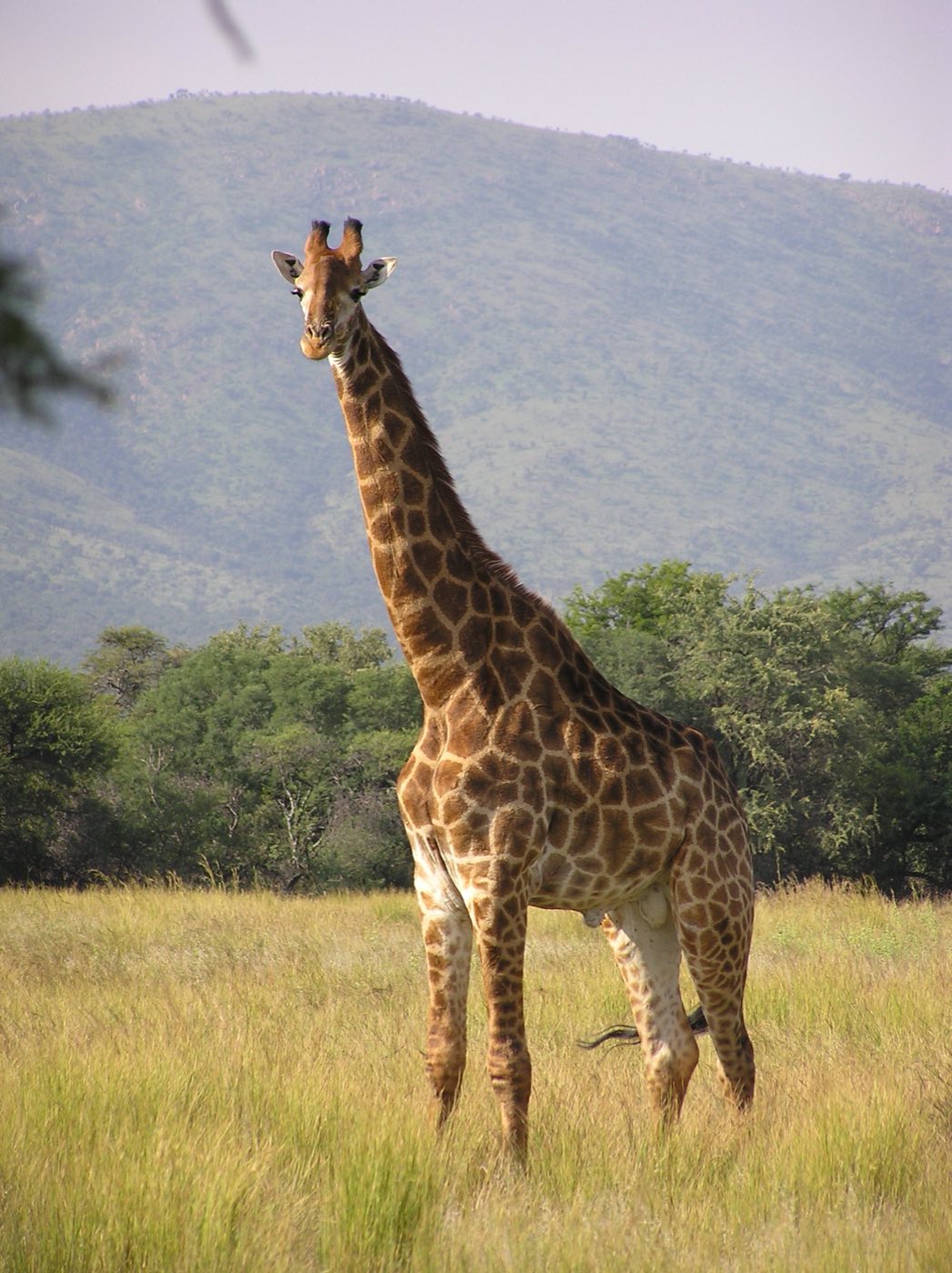
One of Africa's greatest safari destinations, Botswana protects vast wilderness areas with low-density, high-quality wildlife experiences. Travelers come for the Okavango Delta's waterways by mokoro canoe and the epic lion and elephant-rich Chobe National Park. What you notice first, once the light plane banks over the delta, is how little of anything else is down there. Botswana has chosen — deliberately, for decades — to run its tourism model at a low volume and a high price, which means the camps are spaced far apart and you will rarely see another vehicle on a morning game drive. The country has roughly half the population of London spread across an area larger than France, and most of that population lives in a narrow eastern strip, leaving the Kalahari and the delta to the animals. This is a country that rewards travelers who come for the wildlife and the bush itself rather than the cities. It is safari at its most distilled: mobile camps under acacia trees, a guide who has tracked the same leopard family for five years, the sound of hippos grunting outside your tent at three in the morning. If you want one of the last great game-viewing experiences on the continent, are willing to budget accordingly, and can live without souvenir shopping and rooftop bars, Botswana will leave a mark.
Things to Do
Okavango Delta mokoro canoe safaris
The Okavango is a 15,000-square-kilometer inland delta, where a river that starts in the Angolan highlands fans out into the Kalahari and never reaches the sea. You experience it from a mokoro — a shallow canoe, traditionally dugout, poled by a guide standing at the back — gliding through papyrus channels at eye level with frogs and elephants. Multi-day trips with walking safaris between water camps are the best use of three or four days you will make in Africa.
Chobe National Park elephant herds
Chobe in the far northeast has the highest concentration of elephants in Africa — an estimated 120,000 of them — and the river drive from Kasane at sunset is the easiest way to see the big herds come down to drink. Sunset boat cruises on the Chobe River put you among hippos, crocodiles, and elephant families crossing to graze on Sedudu Island. Base in Kasane for a night or two; it is also the easiest hop to Victoria Falls across the border.
Moremi Game Reserve
Moremi occupies the eastern third of the Okavango Delta and offers some of the best big-cat viewing in southern Africa — particularly wild dogs, which have strongholds here and almost nowhere else. Unlike the rest of the delta, you can self-drive it if you have a high-clearance 4x4, proper camping gear, and the nerve for pathless tracks. Most travelers come on fly-in safaris to camps like Xakanaxa and Khwai that put you deep in the reserve without the logistical load.
Makgadikgadi Pans salt flats and meerkat encounters
A dry salt pan the size of Switzerland, the Makgadikgadi is eerie in the dry season — flat white horizon in every direction, zebra migration passing through between November and April, and an emptiness that can genuinely rattle you. Camps like Jack's and San run habituated meerkat experiences where a few mongoose use your head as a lookout post at sunrise. Quadbike rides out to the middle of Ntwetwe Pan are the other essential experience here.
Central Kalahari Game Reserve
The second-largest protected area in Africa, the Central Kalahari is classic desert safari — black-maned lions, cheetah on the open pans of Deception Valley, oryx against red sand. Camps like Tau Pan and Kalahari Plains are remote, quiet, and better in the green season from December to April when herds of springbok and wildebeest move onto the pans. It is not a first-timer's Botswana park, but for return visitors it delivers a scale and silence the delta does not.
Tsodilo Hills rock art UNESCO site
Rising out of the flat bush west of the delta, the Tsodilo Hills hold more than 4,500 San rock paintings — some of them as old as 24,000 years. San guides lead half-day walks between the main sites, explaining the elephant, giraffe, and abstract figures in the context of what they meant to the people who made them. It is the oldest continuously sacred site in Africa and worth the effort to reach by charter flight or a long drive from Maun.
Savuti Channel predator viewing
Savuti in the southern Chobe region is one of those places where the lion prides have been documented long enough to have names — this is where the BBC filmed Planet Earth's lion-versus-elephant footage. The channel itself fills and dries on a decades-long cycle; either way, the concentration of predators around its marshes and remaining pools is extraordinary. Fly-in camps like Savute Safari Lodge and Dumatau put you in the middle of it.
When to Go
May to October during the dry season is the peak window for wildlife viewing, as animals concentrate around shrinking water sources and the bush thins out for visibility. The Okavango Delta floods from June to August — confusingly, after the rains have stopped locally, because the water has traveled from Angola — and this is when mokoro trips and water-based camps are at their best. November through March is the green season, with dramatic skies, newborn antelope, and much lower rates; it is hotter and wetter but a good value and still delivers exceptional game viewing in places like the Kalahari. Late October can be brutal, 40°C and dusty.
Getting Around
Small planes do the heavy lifting in Botswana — the delta, Moremi, and the Kalahari are mostly accessed by light aircraft from Maun or Kasane, and your safari operator typically includes the flights in your package. Self-drive is a real option for confident 4x4 travelers with camping kit, especially in Moremi and Chobe, but distances are long and fuel stations sparse once you leave the main tar roads. Air Botswana connects Gaborone, Maun, and Kasane on a reliable schedule. In Maun and Kasane, short taxi hops between hotels and airstrips cost little, and your lodge will generally arrange the transfer.
Cost & Currency
Botswana uses the pula (BWP), and while local prices in Gaborone and Maun are reasonable, the safari camps that define the country are priced at a premium to keep volume low. Expect $800–$1,500 per person per night at mid-range fly-in camps in the delta, all-inclusive of meals, activities, and drinks, and $1,500–$2,500 at the high-end properties like those run by Wilderness and andBeyond. Self-drive camping trips can be done for $100–$200 a day per couple including fuel and park fees. Pula are useful for tips, curios, and meals in Maun or Kasane; cards are accepted at camps and better restaurants, but bring US dollars in small bills for tipping guides and staff.
Frequently Asked Questions
- How expensive is a safari in Botswana really?
- A seven-night fly-in safari combining two or three camps typically runs $7,000–$15,000 per person in mid to high season, including flights between camps, meals, drinks, and activities. Shoulder-season rates in November and April can drop this by 30–40 percent, and mobile camping safaris with operators like Letaka or African Bush Camps come in considerably lower than lodge-based trips.
- Do I need a visa to enter Botswana?
- Most Western passports — US, UK, EU, Canadian, Australian, New Zealand — enter visa-free for up to 90 days. Your passport must be valid for at least six months beyond your arrival date with at least two blank pages. If you are combining Botswana with Zambia or Zimbabwe, consider the KAZA UniVisa, which covers both and simplifies crossings at Victoria Falls.
- Is Botswana safe for travelers?
- Yes — Botswana is consistently ranked among Africa's safer destinations, with a stable democracy and very low rates of violent crime against tourists. The real risks are wildlife-related: follow your guide's instructions at camps where animals wander through unfenced, do not walk to your tent at night without an escort, and respect distances on self-drive safaris.
- What vaccinations do I need?
- A yellow fever certificate is required if you are arriving from a country with transmission risk. Routine vaccines should be up to date, and most travelers take malaria prophylaxis because the delta and northern parks are malaria zones year-round, worst in the wet season. Check with a travel clinic four to six weeks before you fly.
- Can I self-drive a safari in Botswana?
- Yes, and experienced Africa travelers often do — Moremi, Chobe, Savuti, and the Central Kalahari all have rough but navigable tracks and public campsites. You need a fully equipped 4x4, booked campsites in advance, extra fuel and water, a satellite phone for emergencies, and real confidence recovering from sand and mud. First-timers are better off on a fly-in or guided mobile trip.
Plan a Trip to Botswana
Have you been to Botswana?
Track 195 countries, 50 states & 63 national parks on your map