Mozambique
- Capital
- Maputo
- Population
- 33.9M
- Currency
- MZN
- Languages
- Portuguese
Overview
A southeastern African nation with 2,500 kilometers of Indian Ocean coastline, the coral-ringed Quirimbas and Bazaruto archipelagos, and a culture shaped by Swahili traders, Portuguese colonizers, and sixteen years of post-independence civil war. Travelers come for dhow sailing between uninhabited islands, world-class diving with whale sharks and manta rays at Tofo, and the weathered Portuguese-African layers of Maputo and Ilha de Moçambique. The pace here is slow in a way that takes some adjusting to. A ferry that the schedule says leaves at nine may leave at ten, or at noon, or tomorrow if the weather turns. A dhow captain will tell you the crossing takes two hours and mean any number between one and six depending on wind. If you let go of the clock, the coast opens up into something extraordinary — warm water the color of a swimming pool, empty beaches that run past the horizon, and a seafood culture built on whatever the boats landed that morning. Mozambique rewards travelers with time, patience, and a willingness to travel rough at the edges. The south — Maputo, Tofo, Vilankulo — is developed enough for comfortable independent travel. The north — Pemba, Ilha, the Quirimbas — takes more planning, more cash, and a fixer or reputable operator. Security in Cabo Delgado (the far north) has been affected by an ongoing Islamist insurgency since 2017, so check current advisories before committing to that region and be willing to reroute.
Things to Do
Bazaruto Archipelago marine park
A chain of five dune-and-reef islands ten kilometers off the central Mozambique coast, protected as a national park since 1971. The water is luminous blue, the dunes are enormous (some over 100 meters), and the channels between islands hold dugongs, turtles, and manta rays. Access is by boat transfer from Vilankulo to a lodge on Benguerra or Bazaruto Island — most stays are three or four nights, and snorkeling at Two Mile Reef is the standout half-day from any of them.
Quirimbas Archipelago and Ibo Island
Thirty-two islands scattered along the far northern coast, many uninhabited, all wrapped in coral and mangrove. Ibo is the cultural heart — a 400-year-old Swahili-Portuguese trading port with crumbling fort walls, silversmiths still working in the old style, and a handful of restored guesthouses in colonial mansions. Dhow safaris between the islands, sleeping on sandbanks under the stars, are the signature experience. Flying in via Pemba is far more reliable than the road.
Tofo Beach whale shark and manta ray diving
A small surf and dive town on a long golden beach south of Inhambane, Tofo is arguably the best year-round spot on Earth to dive with whale sharks. The annual aggregation runs October through March but resident animals are seen year-round, and giant manta rays cruise the cleaning stations at Manta Reef. Half-day two-tank dives start around 80 to 100 US dollars; non-divers can snorkel on ocean safaris for a fraction of that and often see the same animals.
Maputo's iron house and central market
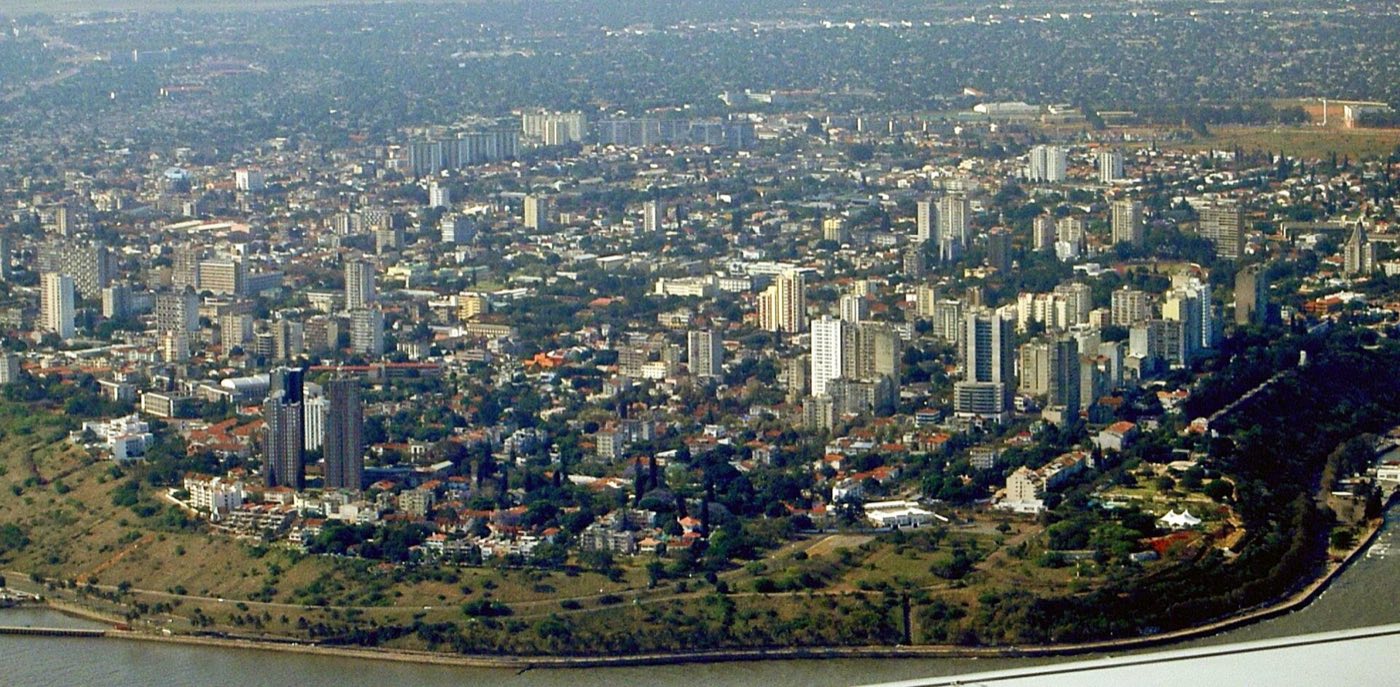
The capital is a lived-in African city with a Portuguese-African art deco core — wide jacaranda-lined avenues, a 1960s brutalist train station regularly ranked among the world's most beautiful, and Gustave Eiffel's prefabricated iron house from 1892 (too hot to actually live in, it turns out). The Mercado Central is the place for a morning — piri-piri paste, fresh prawns, and the racket of Maputo making itself. Round it off with grilled chicken and 2M beer at Feira Popular.
Gorongosa National Park wildlife
In central Mozambique at the southern end of the Great Rift Valley, Gorongosa was one of Africa's great wildlife parks before the civil war decimated its populations. A twenty-plus year restoration project — one of the most ambitious on the continent — has brought the numbers back, with lion, elephant, hippo, and waterbuck now regularly seen. The park runs from April to December; lodging at Chitengo Camp and Muzimu House is comfortable but books out in peak months.
Ilha de Moçambique UNESCO old town
A tiny tidal island three kilometers long that served as the Portuguese colonial capital for four centuries, connected to the mainland by a causeway. Half the island is the Stone Town of bleached coral-rag churches, a 16th-century fort, and the oldest European building in the southern hemisphere. The other half is the Macuti reed-house quarter where most residents actually live. Come for two or three nights; the slow afternoons, sunsets off the seawall, and matapa with coconut rice will stay with you.
Vilankulo dhow sailing
The mainland town serving the Bazaruto archipelago is the natural base for day sails on traditional wooden dhows — carved from single trees, rigged with patched cotton sails, still used by local fishermen the way they have been for centuries. A full-day trip includes a stop at Magaruque or Bazaruto, snorkeling, and a beach lunch of grilled fish. Arrange through your guesthouse rather than from the beach hustlers; the quality difference is significant.
When to Go
April through November is the dry season and the obvious window — comfortable temperatures, low humidity, calm seas for dhow trips, and strong diving visibility. The whale shark aggregation at Tofo peaks October through March, which overlaps the start of the rainy season; November and early December are a sweet spot with warm water and fewer crowds. January through March brings hot humid days, heavy rains that can cut road access, and occasional cyclones on the central and northern coasts. Gorongosa is officially open April to December only. Maputo is pleasant year-round but sweatier December through February.
Getting Around
Mozambique is long and narrow and distances punish you. Flying LAM between Maputo, Vilankulo, Beira, Nampula, and Pemba is the realistic option for anyone covering more than one region in under two weeks; book early, tolerate schedule changes. The main north-south EN1 highway is paved but slow, and the chapa minibuses that run it are cheap, crowded, and tough on luggage and nerves. Renting a 4x4 works well for the south (Maputo to Vilankulo) but requires real confidence and border paperwork if you're coming in from South Africa. Within towns, blue-and-white taxis, tuk-tuks in Maputo and Beira, and a Mozambican Yango app cover short hops for a few hundred meticais.
Cost & Currency
Mozambique uses the metical (MZN), currently around 60 to 65 per US dollar. It's more expensive than most travelers expect — roughly comparable to South Africa for mid-range travel and significantly more for island lodges in Bazaruto and the Quirimbas, where all-inclusive rates of 400 to 800 US dollars per person per night are normal. On the mainland, a plate of grilled chicken with rice runs 300 to 500 MZN, a cold 2M beer 60 to 100, and a mid-range guesthouse in Tofo or Vilankulo 2,000 to 4,000 a night. Carry cash — US dollars and South African rand are widely useful for border crossings and lodge extras, while meticais work for day-to-day. Cards are accepted at larger hotels and Maputo restaurants but ATMs can be unreliable outside the capital. Tip 10% at restaurants and a modest amount for porters, guides, and boat crews.
Frequently Asked Questions
- Do I need a visa to visit Mozambique?
- Many Western nationalities (including US, UK, Canada, most EU) can get a 30-day visa on arrival at Maputo and major land borders, and the e-visa system through the official portal is reliable when it's working. Requirements change frequently — check with the Mozambican embassy closest to you within a month of travel. Yellow fever certificate required if coming from an endemic country.
- Is Mozambique safe for travelers?
- The south and central coast — Maputo, Inhambane/Tofo, Vilankulo, Gorongosa — are broadly safe for travelers with standard precautions against petty theft in cities. The far north of Cabo Delgado has been affected by an Islamist insurgency since 2017, and most governments advise against non-essential travel to parts of that province. Check your government's current travel advice and adjust routing if needed.
- What vaccinations and medications should I plan for?
- Malaria is present nationwide and year-round, so a course of antimalarials from a travel clinic is essential. Routine boosters plus hepatitis A and typhoid are strongly recommended, and yellow fever is required if you're arriving from an endemic country. Mosquito repellent with DEET and long sleeves at dusk make a real difference on the coast.
- Do people speak English in Mozambique?
- Portuguese is the official language and the only one most people share, though English is widely spoken in tourist areas — Maputo hotels, Tofo dive shops, Bazaruto lodges. Basic Portuguese phrases go a long way in markets, chapas, and smaller towns, and Duolingo on the plane will earn you a warmer reception than expected.
- How much cash should I carry?
- More than feels comfortable. ATMs are reliable in Maputo and Beira but can be down for days in smaller towns, and card acceptance thins out fast outside upscale hotels. Carry a mix of meticais for day-to-day, US dollars for emergencies and lodge extras, and South African rand if you're routing in from Johannesburg. Split your stash across bags and a money belt.
Plan a Trip to Mozambique
Have you been to Mozambique?
Track 195 countries, 50 states & 63 national parks on your map