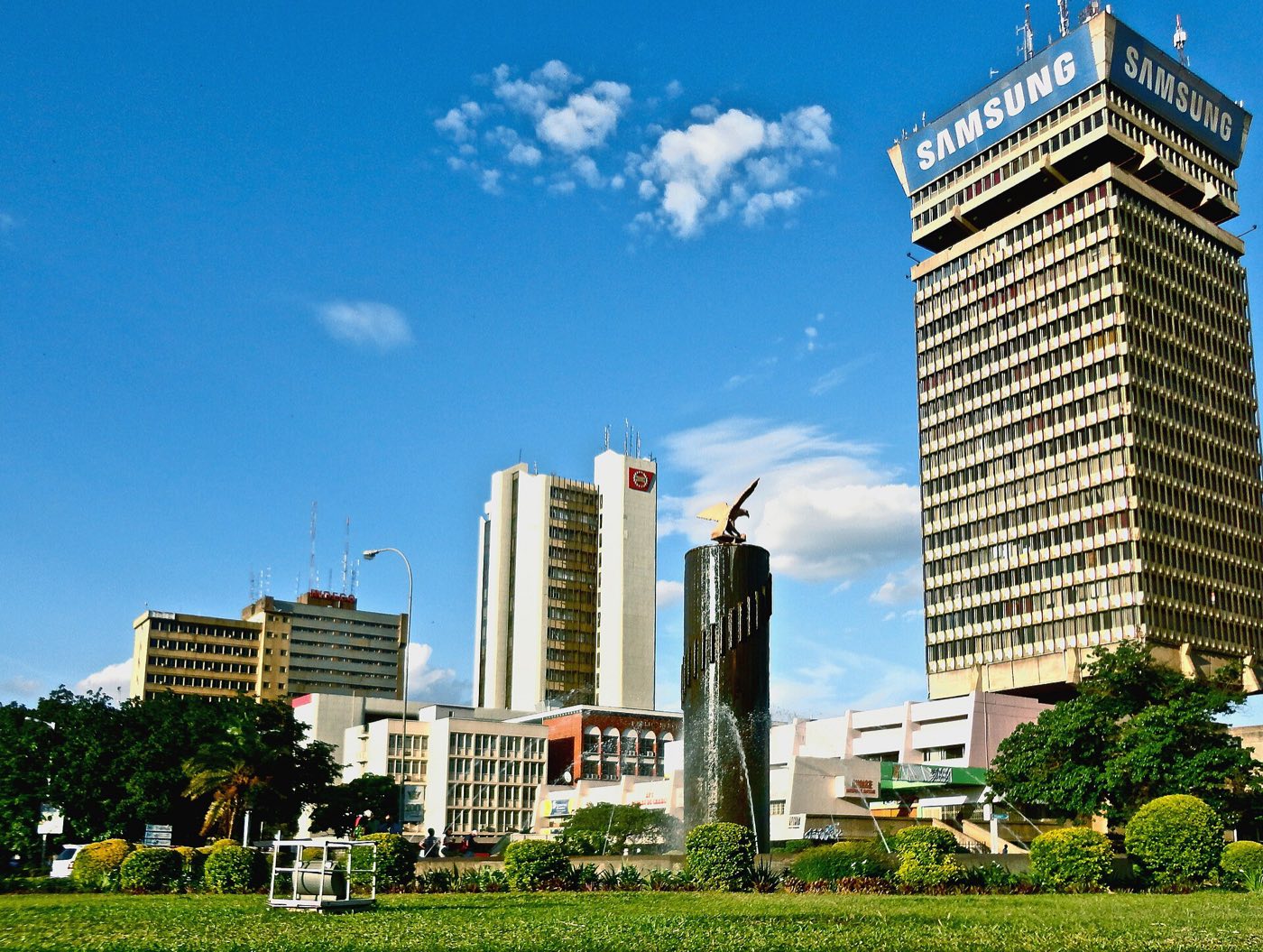
Zambia
- Capital
- Lusaka
- Population
- 20.6M
- Currency
- ZMW
- Languages
- English
Overview
A landlocked southern African country built around the mighty Zambezi River, Zambia is where the walking safari was invented and where Victoria Falls — Mosi-oa-Tunya, the smoke that thunders — pours 1,700 meters wide off a basalt ledge into a gorge 100 meters below. Visitors come for the thundering spray of the falls, walking safaris in South Luangwa, and canoe trips along the Lower Zambezi. What distinguishes Zambia from its safari-circuit neighbors is the unhurried scale of its wilderness. South Luangwa, Lower Zambezi, and Kafue are among Africa's least-crowded major parks; game drives there can go half a day without crossing another vehicle, and the camps skew small and owner-run rather than corporate. Norman Carr pioneered the walking safari in South Luangwa in the 1950s, and it remains the best way to understand the bush — you cover four or five kilometers between sightings of elephant, buffalo, and giraffe on foot behind an armed scout, moving at the pace the animals move. The country is safe, relatively simple to travel, and for the most part dependent on road and light-aircraft links between a short list of camps. Lusaka is a working capital rather than a sightseeing city. Most visitors fly in on a multi-destination itinerary that pairs Vic Falls with two or three bush camps, and leave with a strong sense that Zambia is what Kenya and Botswana were a generation ago.
Things to Do
Victoria Falls (Mosi-oa-Tunya) from the Zambian side
The falls are shared with Zimbabwe, and the Zambian side gives you the closer, wetter angle — walking across the Knife Edge Bridge in high-water season means being soaked to the skin by the mist, while low water (September to December) opens the Devil's Pool at the lip of the falls for a swim right at the edge. Livingstone, the nearest town, is the base with good lodges and a walkable center. Budget half a day for the falls themselves and a sunset cruise on the Zambezi above them.
South Luangwa National Park walking safaris
The park that invented the walking safari, South Luangwa sits along the Luangwa River in the country's east and is home to one of Africa's densest concentrations of leopard, plus elephant, lion, wild dog, and 400 bird species. You walk with an armed scout and a guide, covering four to eight kilometers a morning between tracks. Mfuwe is the main entry point and most small camps base east and south of there along the river. July through October is the peak window when wildlife concentrates along the shrinking water.
Lower Zambezi National Park canoe safaris
Opposite Zimbabwe's Mana Pools across the Zambezi River, Lower Zambezi National Park offers canoe safaris along the river's flood channels where you paddle past elephant in the shallows, hippo pods, and crocodiles sunning on the bank. You combine river time with morning game drives and walks. Small tented camps along the river — Chongwe, Old Mondoro, Chiawa — keep things intimate and pair beautifully with a stretch in South Luangwa on a combined itinerary.
Kafue National Park — Zambia's largest park
Roughly the size of Wales and still one of the least-visited of Africa's major parks, Kafue stretches from the edge of the Copperbelt down into the Busanga Plains in the north and the Nanzhila Plains in the south. The Busanga Plains in particular — a vast flooded seasonal grassland — deliver lion, cheetah, and herds of lechwe across open country that feels more East African than southern African. Access is by light aircraft from Lusaka to tented camps that open seasonally.
Shiwa Ng'andu manor house in the bush
A full English country estate built in the 1920s by Stewart Gore-Browne deep in the bush of northern Zambia, Shiwa Ng'andu is an unlikely survivor — a red-brick manor with library, chapel, and rose gardens more than 600 kilometers from Lusaka. The family still runs it as a working farm with a small number of guest rooms. Reached by road or light aircraft to Mpika, it makes an extraordinary addition to a longer northern Zambia itinerary that can include Kasanka's bat migration.
Lake Kariba houseboat safaris
The world's largest man-made lake by volume, Lake Kariba fills a stretch of the Zambezi dammed in the 1950s and shared with Zimbabwe. On the Zambian side, Siavonga is the hub for multi-day houseboat trips that drift along the shoreline with fishing, tender boat rides into the Chete Safari Area, and evenings watching elephant come down to drink. It's a slower, more domestic kind of safari and pairs well as an add-on to a Livingstone stay.
Bangweulu Wetlands shoebill stork habitat
In the far north near the border with the Democratic Republic of Congo, the Bangweulu Wetlands are one of the few places on Earth to see shoebill — the prehistoric-looking, two-meter-tall stork with the beak that reliably stops anyone with a bird list in their tracks. You reach it by light aircraft to Shoebill Island Camp, a basic camp run by African Parks with access to the swamp by dugout canoe. Best from April to July when water levels are high enough.
When to Go
The dry season from June to October is the classic safari window — wildlife concentrates along rivers and waterholes, bush is thinned, and temperatures are pleasant during the day. July through October is the peak for walking safaris in South Luangwa and canoeing in Lower Zambezi. Victoria Falls peaks in flow from February to May when the spray is so intense you can barely see the falls through it; September to December is low water and the Devil's Pool window. The emerald season from November to March brings the green bush and migrant birds, and a handful of camps stay open to take advantage of cheaper rates.
Getting Around
For most visitors, internal movement in Zambia means light aircraft — ProFlight and charter operators link Lusaka, Livingstone, and the airstrips at Mfuwe (South Luangwa), Royal (Lower Zambezi), Kafue, and the northern parks. It is not cheap, but driving distances between parks are punishing (Lusaka to South Luangwa is 8–10 hours on mixed roads), and most multi-camp itineraries build around flights. Self-drive is possible with a 4x4 during the dry season and a detailed route plan, but is mainly taken up by experienced overland travelers. Roads around Livingstone and Lusaka are paved and straightforward; paperwork and fuel need advance thought on longer routes.
Cost & Currency
Zambia uses the kwacha (ZMW), but most tourist pricing is quoted in US dollars. Safari camps are not cheap — expect $600–$1,200 per person per night at small bush camps in South Luangwa or Lower Zambezi, inclusive of game activities, meals, and drinks. Victoria Falls accommodation in Livingstone runs more modestly at $150–$400 a night at mid-range lodges. Cards are accepted at larger hotels and tour operators; carry US dollars in small denominations for tips to guides and camp staff ($10–$25 per guest per day is standard) and for park fees where needed. Tipping culture at safari camps is well established and matters for the staff.
Frequently Asked Questions
- Do I need a visa to visit Zambia?
- Most visitors need a visa, which is generally available on arrival at Lusaka and Livingstone airports or in advance as an e-visa through the Zambian immigration portal. Single-entry tourist visas run $50 and the KAZA UNIVISA ($50) covers both Zambia and Zimbabwe for 30 days — useful if you're visiting Victoria Falls from both sides. Confirm the current rules before traveling as they do change.
- Is Zambia safe for travelers?
- Yes — Zambia is considered one of southern Africa's safer and more politically stable countries, with low violent crime by regional standards. Petty theft in Lusaka and around the market districts of Livingstone is the most common issue, and driving at night on rural roads is genuinely risky due to wildlife, livestock, and unmarked obstacles. Safari camps are secure and well-run.
- Do I need malaria prophylaxis?
- Yes — Zambia is a malaria country, particularly in the river valleys (Zambezi, Luangwa) where most safari activity happens. Take antimalarials prescribed by a travel clinic for the duration of your trip plus the recommended days afterward, and use DEET-based repellent and long sleeves at dawn and dusk. Camps provide mosquito nets over beds as standard.
- How long should I plan for a first trip?
- Ten to twelve days is a comfortable first visit — three nights in Livingstone for Victoria Falls, four nights split between two South Luangwa camps, and three to four nights in Lower Zambezi for the canoe safari combination. Two weeks lets you add Kafue or a northern extension to Shiwa Ng'andu and Bangweulu. A week is enough for Vic Falls plus one bush camp and little else.
- Should I visit Victoria Falls from the Zambian or Zimbabwean side?
- Ideally both — they give different views. The Zambian side is closer to the water and the Knife Edge Bridge soaks you in the mist at high water; the Zimbabwean side offers the wider panoramic view with about 75% of the falls visible versus 25% from Zambia. The KAZA UNIVISA lets you cross the bridge between the two countries freely, and many travelers base in Livingstone and day-trip across.
Plan a Trip to Zambia
Have you been to Zambia?
Track 195 countries, 50 states & 63 national parks on your map