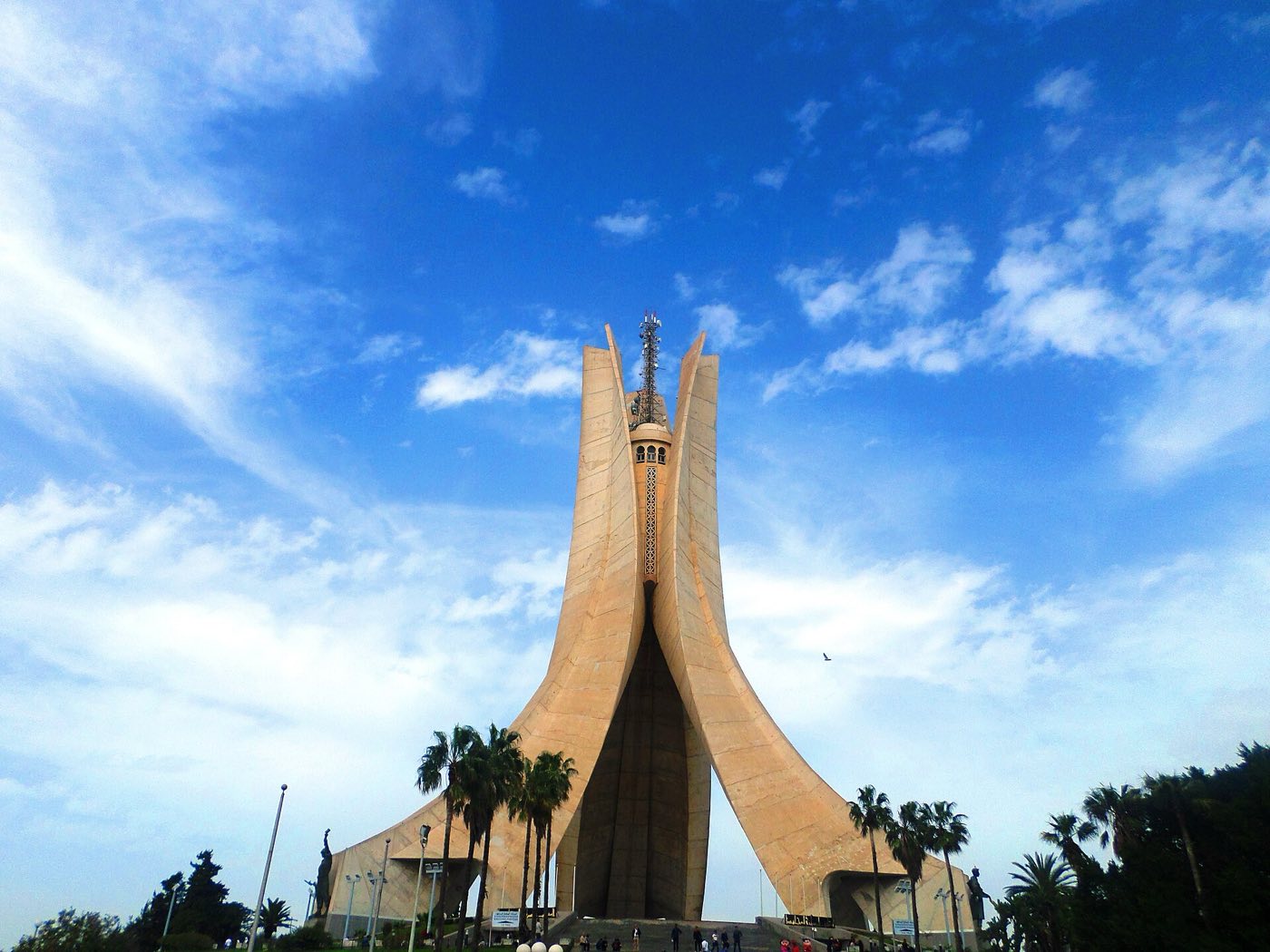
Algeria
- Capital
- Algiers
- Population
- 45.6M
- Currency
- DZD
- Languages
- Arabic, Berber
Overview
Africa's largest country stretches from Mediterranean shores down through the vast, otherworldly expanse of the Sahara Desert. Travelers seek Roman ruins at Timgad, the labyrinthine Casbah of Algiers, and sweeping golden dunes — and they generally come back saying the country exceeded every expectation they arrived with. The first thing that strikes you in Algiers is the white city stepping up the hills from the bay, with the French-colonial waterfront in front and the Casbah's medieval tangle above it. North of the Sahara, Algeria feels like a Mediterranean country kept slightly apart from the European tourist circuit by its own complicated history and a visa regime that, until recently, deterred most casual visitors. That has been loosening since 2023 with visa-on-arrival for tour-group travel, and a small, serious stream of visitors is rediscovering the place. Algeria rewards travelers who are comfortable with some friction — paperwork that takes patience, police checkpoints that are routine, and a tourism infrastructure still rebuilding after the dark years of the 1990s civil war. In exchange, you get Roman cities that most Europeans have never heard of, a Saharan south that compares to anything in Morocco or Egypt with a fraction of the crowds, and a hospitality tradition — the tea served without asking, the insistence you stay for dinner — that is one of the real pleasures of traveling the Maghreb.
Things to Do
The Casbah of Algiers
The old Ottoman city climbs the hill above the bay in a near-vertical maze of whitewashed houses, covered passageways, and small palaces. UNESCO-listed and still lived-in, the Casbah rewards unhurried walking with a guide who can point out the doorways worth stepping through — a former Barbary-era palace, a courtyard mosque, a café with a view over the port that you would never have found alone.
Roman ruins of Timgad and Djémila
Two of the best-preserved Roman cities anywhere in the Mediterranean sit in the Algerian interior, and on a normal weekday you can have them largely to yourself. Timgad, built by Trajan as a retirement colony, is a grid of streets with an intact triumphal arch; Djémila, in a high valley of wheat and olive trees, holds a forum, temple, and a museum of genuinely first-rate floor mosaics. Plan a night in Constantine or Batna to see both.
Tassili n'Ajjer rock art and desert landscapes
A UNESCO-listed plateau in the deep southeast where wind has carved sandstone into forests of towers, Tassili n'Ajjer holds thousands of prehistoric paintings and engravings — giraffes, swimmers, cattle herds from an era when the Sahara was green. Reaching the best sites requires a multi-day expedition with local Tuareg guides, camels, and camping. It is one of the planet's great walks if you can arrange it.
M'zab Valley's fortified cities
In the northern Sahara, five tightly packed walled cities built between the 11th and 14th centuries by the Ibadi Mozabite community step down a wadi in Ghardaïa in ochre, white, and pink. The old towns follow social rules that have held for centuries — certain quarters off-limits to visitors, others welcoming — and the urban composition famously influenced Le Corbusier. Go with a local guide who can navigate what you can and can't see.
Saharan dunes at Timimoun
The red-earth oasis town of Timimoun sits on the edge of the Grand Erg Occidental, a sea of high Saharan dunes that you reach from a sunset viewpoint on the town's escarpment. Traditional mud-brick architecture lines the streets, and a few small hotels run camel excursions and overnight bivouacs in the dunes. It's the most accessible of the deep-Sahara experiences if you're short on time.
Constantine's dramatic gorge bridges
Constantine sits on a limestone plateau split by a 200-meter-deep gorge, with a series of bridges — including the spectacular Sidi M'Cid suspension bridge — stitching the city together across the drop. Walk across at least one at night, when the bridges and the rock walls below are floodlit. Combine with Djémila the next day; it's a natural pair.
Tipaza's coastal Roman ruins
An easy day trip west of Algiers, Tipaza is a Roman port city whose ruins sit directly above the Mediterranean — a theater, a forum, two basilicas, and a royal mausoleum on the hilltop nearby. Albert Camus wrote about coming here to swim and think; you can still do both. Bring a picnic and walk the clifftop path.
When to Go
March through May and September through November are ideal for the Sahara, with daytime temperatures in the 20s Celsius and clear, cool nights good for camping in the dunes. The Mediterranean coast is best from June through September for beach weather at Tipaza and the Kabylie mountains, though July and August can push well above 35°C inland. Winter in the Hoggar and Tassili regions is cold at altitude — expect frost at night — but the light is extraordinary.
Getting Around
Domestic flights on Air Algérie connect Algiers to the desert south — Tamanrasset, Djanet, Ghardaïa — in a few hours, versus multi-day overland journeys generally reserved for organized expeditions. A rail network runs along the Mediterranean coast and inland to Constantine, reasonably comfortable in second class. Intercity buses and shared long-distance taxis handle everything else. Renting a car is possible in the north, but most visitors use private drivers arranged through their hotel or agency, partly because police checkpoints south of Algiers benefit from a driver who knows the drill.
Cost & Currency
Algeria uses the Algerian dinar (DZD), a closed currency — you cannot legally buy it outside the country, and there is a parallel exchange market at roughly double the official bank rate that most visitors end up using through their hotel or tour operator. Cash dominates; card acceptance is limited to major hotels and a few supermarkets in Algiers. Prices are low by Mediterranean standards once you're on the ground — a good dinner runs around €10–€15, a comfortable three-star hotel €50–€80 — but organized Saharan tours run into the thousands. Budget extra cash for tips to drivers and Tuareg guides.
Frequently Asked Questions
- Do I need a visa to visit Algeria?
- Most visitors — including US, UK, and EU citizens — need a tourist visa arranged in advance through an Algerian embassy, with an invitation letter from a licensed tour operator. Since 2023 a visa-on-arrival has been available for organized groups visiting the Saharan south, which has simplified desert travel.
- Is Algeria safe for travelers?
- The north, including Algiers, Oran, and the Kabylie mountains, is generally safe for visitors with ordinary precautions, and street crime levels are low. Travel near the Libyan, Malian, and Nigerien borders is restricted for security reasons, and most governments advise against non-essential travel to those zones.
- Can I travel independently, or do I need a tour?
- The Mediterranean north and the major Roman sites can be done independently with a rental car or private driver. The Saharan south — Tassili, the Hoggar, Timimoun — effectively requires a licensed tour operator both for logistics and because police checkpoints enforce the requirement for registered guides.
- What language is spoken?
- Arabic is the official language, with Berber (Tamazight) widely spoken in the Kabylie mountains and the south. French is the lingua franca of business, media, and education — most educated Algerians speak it fluently. English is rarer but slowly growing among younger urbanites.
- Is it OK for women travelers?
- Yes, with sensible precautions. Dress modestly — covered shoulders and knees in cities, more conservative in the south — and expect some staring in smaller towns simply because foreign tourists are still uncommon. Solo female travelers do visit, and most report Algerian hospitality as protective rather than intrusive.
Plan a Trip to Algeria
Have you been to Algeria?
Track 195 countries, 50 states & 63 national parks on your map