Angola
- Capital
- Luanda
- Population
- 35.6M
- Currency
- AOA
- Languages
- Portuguese
Overview
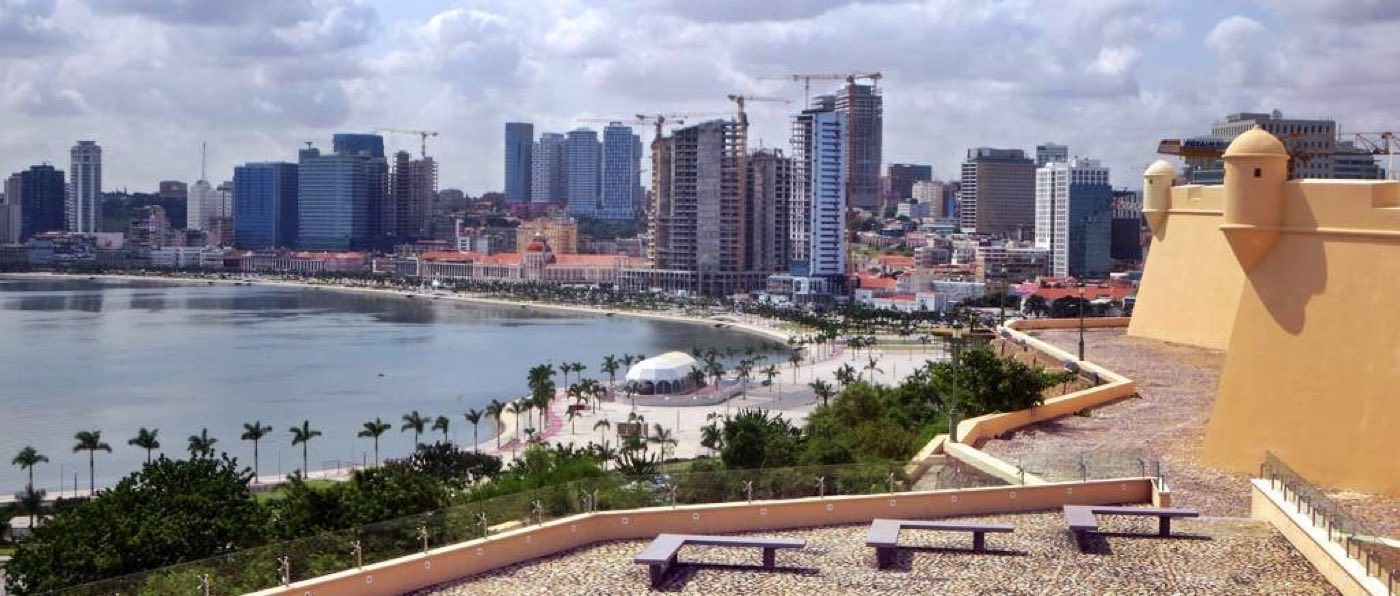
A southern African nation of dramatic Atlantic coastline, lush highlands, and extraordinary wildlife recovering from decades of conflict. Travelers come for the striking Kalandula Falls, diverse ecosystems, and a rapidly evolving Luanda — one of Africa's most expensive capitals, thanks to its oil economy, and one of its least visited by tourists. Arriving in Luanda, the first impression is of a city in the middle of reinventing itself. Portuguese colonial buildings in faded pastels sit next to new glass towers along the Marginal, the long seafront promenade; the traffic is heavy, the Portuguese-language signage is constant, and there's a coastal breeze off the Atlantic that does a lot of the air-conditioning work for you. Outside the capital, the country opens up into highland grasslands, miombo woodland, and a southern stretch of the Namib Desert that few travelers have ever seen. Angola rewards travelers who are willing to do some work. The tourist visa-on-arrival rule introduced in 2023 simplified entry significantly, but infrastructure outside the capital is uneven, English is not widely spoken, and you'll need reasonable Portuguese, a local fixer, or a tour operator to get far. Wildlife has slowly rebuilt in Kissama and the reserves of the far south since the end of the civil war in 2002; the scenery — Kalandula's curved curtain of water, the switchback-cut Serra da Leba road, the sheer cliff of Tundavala — is world-class. Go expecting a frontier in the best sense.
Things to Do
Kalandula Falls
One of Africa's largest waterfalls by volume and one of its least seen — a 105-meter horseshoe of water across roughly 400 meters of basalt cliff in Malanje province, about six hours northeast of Luanda by road. A small viewpoint on the far side of the river gives you the classic full-width photograph; a steep trail down to the base, which requires a local guide, puts you close enough to be soaked by the spray.
Kissama National Park
A day's drive south of Luanda, Kissama protects a broad coastal savanna that was restocked with elephants, giraffes, and antelope in the 2000s through Operation Noah's Ark after the civil war decimated local wildlife. Densities are still recovering and you won't see the volumes of a Kenyan park, but a two-day trip with a guide and a sturdy 4WD will turn up elephants, buffalo, and remarkable birdlife in a landscape almost no tourist has photographed.
Luanda's Ilha do Cabo waterfront
A long, thin sand spit curving out from the city center, Ilha do Cabo is where Luandans go to eat grilled fish, drink beer, and swim in calmer Atlantic water than the open coast offers. The row of beach restaurants along the interior side runs from casual shacks to slightly pricier sit-down spots, and the walk back toward the city at sunset — with the Fortaleza de São Miguel above you — is one of the city's nicest hours.
Tundavala Gap viewpoint in Lubango
A 1,000-meter sheer drop at the edge of the Huíla plateau, 18 kilometers outside Lubango in the south-central highlands. The cliff edge has no railings and the wind can be sharp; lie on your stomach and look over the lip for a view across the lowlands that's genuinely vertiginous. Pair it with the giant statue of Cristo Rei overlooking Lubango itself — a smaller cousin of Rio's — on the way back into town.
Serra da Leba mountain pass
The famous hairpin road from the Huíla plateau down to Namibe on the coast drops 1,800 meters in a series of switchbacks so tight the road photographs from above look almost drawn. There's a viewpoint at the top where tour buses pause for photographs; below, the scenery transitions from highland forest to semi-arid coastal desert in the space of an hour. It's on every Angolan banknote for a reason.
Namib Desert coastline at Namibe
The southern Angolan coast, around the old colonial port of Moçâmedes (now Namibe), runs into the northern edge of the Namib — the world's oldest desert — where red dunes end at cold Atlantic surf. The small town retains a faded Portuguese-colonial feel, and the Arco lagoon an hour south is a surreal freshwater pool backed by dunes. Self-driving here requires experience with off-road conditions.
Black Rocks of Pungo Andongo
A cluster of enormous, dark, worn rock formations rising out of flat savanna roughly five hours east of Luanda, the Pedras Negras look like something dropped out of the sky. Local legend ties them to Queen Nzinga, the 17th-century ruler who resisted Portuguese expansion, and a trail among the bases of the rocks passes what's traditionally pointed to as her footprint. A natural side-trip if you're already heading to Kalandula.
When to Go
May through October during the dry season brings cooler temperatures and the best wildlife viewing, with Luanda averaging pleasant daytime highs in the mid-20s Celsius and clear skies across most of the country. The wet season from November to April is hot and humid but brings lush green landscapes, a flush of wildflowers on the Huíla plateau, and the heaviest flow over Kalandula Falls. Avoid the peak rains in February and March if you're planning to drive rural roads.
Getting Around
Angola is the size of France, Spain, and Germany combined, and domestic flights on TAAG between Luanda, Lubango, Namibe, and Menongue are generally faster and safer than long overland journeys. Road conditions vary wildly — some stretches (the Luanda-Lobito highway, for instance) are newly paved, while others still show war-era damage and need a 4WD. Renting a car with a driver is the standard approach for longer trips; self-driving is possible but demanding. Within Luanda, taxis and ride-hailing apps work reasonably well; the traffic, known locally as engarrafamento, is legendary.
Cost & Currency
Angola uses the kwanza (AOA), and Luanda has a deserved reputation as one of Africa's most expensive capitals — imported goods, international-standard hotels, and oil-industry pricing push a mid-range hotel room to $150–$250 a night and a sit-down dinner to $40–$60. Outside the capital, costs fall sharply, and a good regional guesthouse might run $60–$100. Cards are accepted in Luanda's hotels and larger restaurants, but cash in kwanza is essential for fuel, rural lodges, tips, and markets. Bring US dollars to change; the parallel rate is sometimes better than the bank rate.
Frequently Asked Questions
- Do I need a visa to visit Angola?
- Since 2023, citizens of over 90 countries — including the US, UK, EU, Canada, and Australia — can get a tourist visa on arrival at Luanda's international airport for short stays. Longer stays and business visas still require advance application through an Angolan embassy.
- Is Angola safe for travelers?
- Luanda has petty-crime and traffic-safety risks common to most African capitals — keep valuables out of sight, avoid walking alone at night, and use reputable taxis. The interior is generally calm but landmines from the civil war still exist in some rural areas, so stay on cleared roads and trails with a local guide.
- What language is spoken in Angola?
- Portuguese is the official language and by far the most useful for travel — English is uncommon outside Luanda's international hotels and oil-industry circles. Local Bantu languages including Umbundu, Kimbundu, and Kikongo are spoken regionally. Basic Portuguese phrases go a long way.
- Do I need vaccinations to enter Angola?
- Yes — yellow fever vaccination is required for all arriving travelers, and you'll be asked for your certificate at the airport. Malaria is widespread, so antimalarials and good mosquito protection are essential. Check with a travel clinic well in advance for other recommended vaccines.
- How do I get to Kalandula Falls?
- From Luanda, it's a five to six hour drive northeast through Malanje. Most visitors go with a guide and 4WD, overnighting at the basic Pousada Kalandula or a guesthouse in Malanje town. Self-driving is possible but the final stretch of road can be rough after rain.
Plan a Trip to Angola
Have you been to Angola?
Track 195 countries, 50 states & 63 national parks on your map