Malawi
- Capital
- Lilongwe
- Population
- 20.4M
- Currency
- MWK
- Languages
- English, Chichewa
Overview
A long, narrow country drawn around one of the great freshwater lakes of the world, Malawi builds almost everything — economy, cuisine, geography, mood — around Lake Malawi's 360-mile inland sea. Visitors come for the snorkeling at Cape Maclear among hundreds of species of technicolor cichlids, safari in Liwonde and Majete after African Parks rehabilitated both reserves, and the hospitality that earned the country its "Warm Heart of Africa" nickname long before the tourism board got hold of it. Travel here runs at an honest, unhurried pace. The main road south from Lilongwe to Blantyre is paved and reasonable; most other routes vary from decent dirt to genuinely rough, and minibus rides take as long as they take. English is widely spoken, which makes shoestring travel easier here than in most of Africa. Prices stay gentle, the lake is always a short detour away, and you can cover a meaningful loop in under two weeks. Malawi rewards travelers who want an unpolished version of southern Africa that still delivers on wildlife, water, and altitude. Pair a few days of lake time with Liwonde's boat safaris, add a hike up Mulanje if you have the legs for it, and you have a trip that feels like a secret even though it shouldn't. The country is small enough to see well in two or three weeks, and generous enough that you will think about coming back before you have left.
Things to Do
Lake Malawi snorkeling at Cape Maclear
The lake holds more species of fish than any other on Earth — around a thousand species of cichlid, most of them endemic, and most of them in colors a coral reef would envy. Cape Maclear on the southern shore is the easiest place to drop a mask and see them, with sloping rock gardens at Otter Point and Mumbo Island where small schools part around your fins. Beach lodges at Chembe village are relaxed and cheap. Three nights gives you time to add a kayak out to Thumbi Island.
Liwonde National Park boat safaris
The Shire River cuts through Liwonde and turns every sunset cruise into a slow procession past hippo pods, bathing elephants, and enough crocodiles to keep you honest. African Parks took over management in 2015 and reintroduced cheetahs, lions, and black rhino, so the park now delivers proper game viewing to complement the river scenes. Stay at Mvuu Camp inside the park or at one of the lodges on the opposite bank. Two nights is enough to work in a boat safari, a 4x4 drive, and a walking safari.
Likoma Island on Lake Malawi
An outlier in the middle of the lake — technically Malawian territory surrounded by Mozambican waters — Likoma is a slow-moving island with one of the largest Anglican cathedrals in central Africa, built in 1903 by missionaries using the same stone pattern as Westminster Abbey. Snorkeling off the beach is the routine, and the Ilala ferry or small charter flights from Lilongwe are your access. Kaya Mawa, on the south shore, is one of the best small lodges in southern Africa.
Majete Wildlife Reserve Big Five game drives
By 2003 Majete had been poached down to nothing — no elephants, no big cats, barely any antelope. African Parks rebuilt the fence, reintroduced the species, and within a decade Majete had become the country's only Big Five reserve. Wildlife densities are modest compared with the famous parks of Botswana or Zambia, but sightings are close, guides are excellent, and you often have a scene to yourself. Base yourself at Mkulumadzi Lodge on the Shire for three nights.
Mount Mulanje hiking
A massive granite dome rising to 3,002 meters out of the southern tea estates, Mulanje is sometimes called the "Island in the Sky" and is covered in trails between a network of forestry huts. The standard three-day traverse starts at Likhubula, climbs through cedar forest to a plateau, and summits Sapitwa peak before descending the other side. Weather turns on the mountain fast and the last scramble to Sapitwa involves a maze of granite blocks — go with a guide from Likhubula Forestry, whom local associations train.
Nkhata Bay backpacker scene
A small lake-port town on the northern shore with a steep, palmy bay and a string of lodges built into the hillside, Nkhata Bay has been the overlanders' favorite stop for decades and it still earns it. Days disappear into swimming, kayaking, cliff jumps for the brave, and long nights talking over Kuche Kuche lagers. Aqua Africa runs good dive trips for cichlid encounters at depth. It is a place to lose a week without meaning to.
Nyika National Park highland wilderness
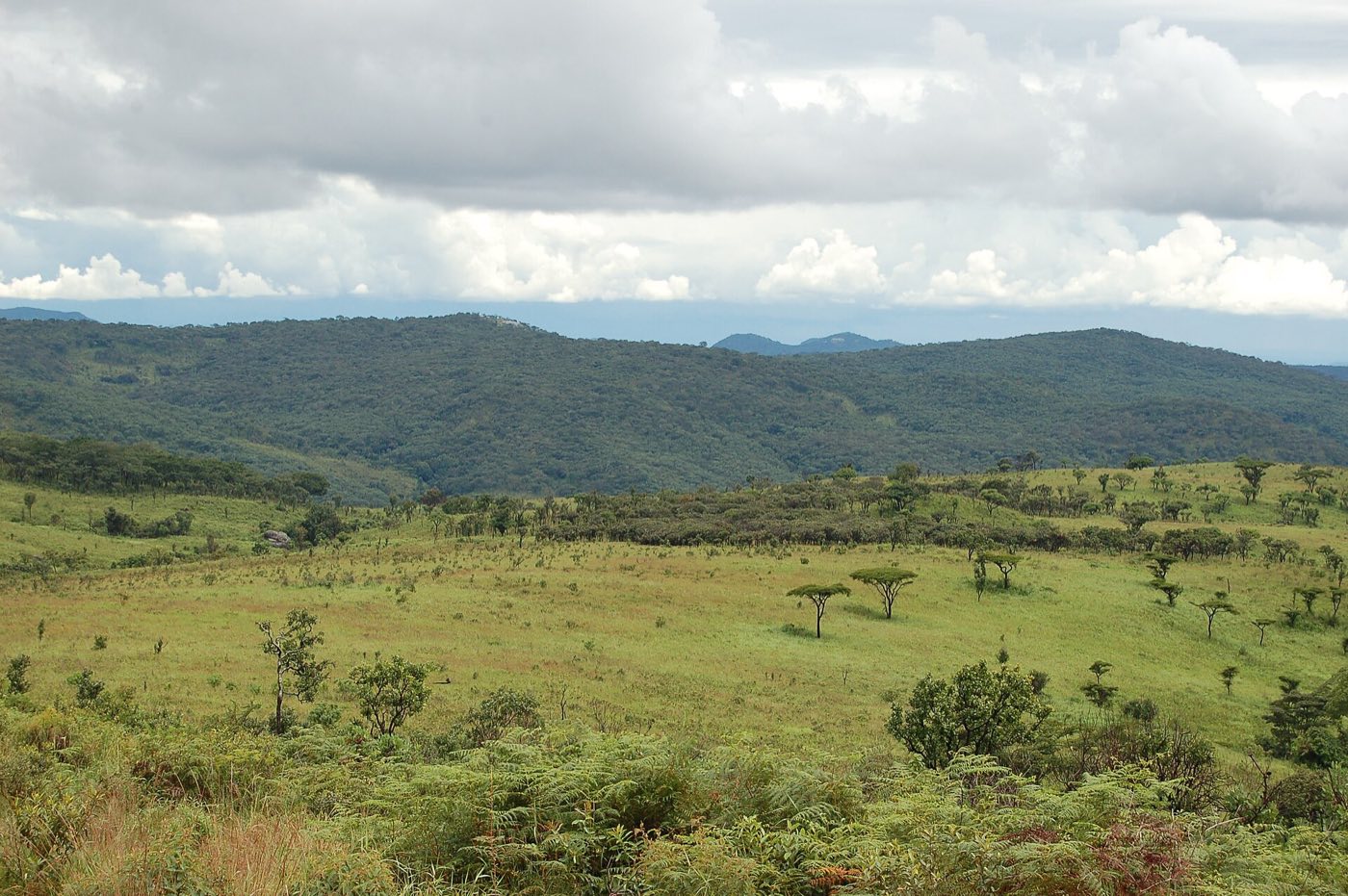
The Nyika Plateau is Malawi's strangest landscape — rolling grasslands at 2,500 meters that look more like Scottish highlands than southern Africa, populated by roan antelope, zebra, leopard, and one of the continent's densest wildflower displays from November through March. Horseback safaris are the signature activity and cover ground that 4x4s cannot. Access is a long drive from Mzuzu; Chelinda Lodge inside the park is where you stay. Two nights is the minimum that makes the journey worth it.
When to Go
May through October is the dry season and the cleaner window for safari, lake water clarity, and plateau hiking. July and August bring cool nights — pack a fleece for Liwonde evenings and actual layers for Nyika and Mulanje, where temperatures drop toward freezing at altitude. The wet season from November through April greens up the landscape and drops prices, but dirt roads degrade quickly and humidity along the lake climbs. Lake conditions stay warm and swimmable year-round; wildlife viewing peaks at the end of the dry season in September and October when animals concentrate around water.
Getting Around
A paved spine road runs from Lilongwe south through Blantyre and on toward the Mozambican border, and most visitors follow it to reach Liwonde, Majete, and the lake's southern beaches. The M1 north to Mzuzu and on to Nkhata Bay is also paved but long — an 8–10 hour drive. Public minibuses cover every route cheaply and slowly; hire a car with driver for efficiency, which runs around $80 per day. Domestic flights to Likoma Island and a few northern airstrips exist but schedules are thin. The Ilala ferry crosses the lake on a weekly circuit and is a beloved, unreliable experience in its own right.
Cost & Currency
Malawi uses the Malawian kwacha (MWK), which has devalued sharply in recent years — check the current rate before you leave, but expect roughly 1,700 MWK to the dollar. The country is inexpensive by safari standards: beach lodges on the lake run $40–$100 per night, mid-tier camps in Liwonde or Majete $200–$400 all-inclusive, and a plate of grilled chambo fish with nsima at a local restaurant costs 5,000–10,000 MWK ($3–$6). Dollars are widely accepted at upmarket lodges but not elsewhere, so change money at a bank in Lilongwe or Blantyre and carry kwacha for everything else. ATMs work in cities. Tip guides $10–$15 per day.
Frequently Asked Questions
- Do I need a visa to visit Malawi?
- Most nationalities need a visa, available on arrival at Kamuzu International Airport in Lilongwe for $75 for a 30-day single entry. An e-visa is also available online and is the easier option if you want to skip the airport queue. Bring a yellow fever certificate if you are arriving from a yellow-fever country.
- Is Malawi safe for travelers?
- Yes — Malawi is one of the safer countries in the region, with low rates of violent crime and a culture that is genuinely welcoming to visitors. Petty theft happens around bus stations and crowded markets in Lilongwe and Blantyre, so keep an eye on your belongings. Self-driving at night is not recommended because of poor road lighting and wandering livestock.
- What is the water like in Lake Malawi?
- The lake is bilharzia-positive in many areas, so get a blood test about eight weeks after returning home and take the standard treatment if it comes back positive. Schistosomiasis risk is real but the treatment is simple and the snorkeling is still worth it. Deep water in the middle of the lake is considered safer; shoreline reed beds carry higher risk.
- How do I get between the lake, Liwonde, and Mulanje?
- The southern loop from Lilongwe through Cape Maclear, Liwonde, Blantyre, and Mulanje is well-served by paved road and covers the classic itinerary in 10 to 14 days. Hire a car with driver for $70–$100 per day or piece it together with shuttle services and minibuses. Add a flight to Likoma Island if you want to break up the driving.
- Is it worth the long journey to Nyika?
- If you have three weeks and an interest in the unusual, yes — Nyika is like nothing else in the region and the horseback safaris are genuinely special. For a shorter trip, stay with the southern circuit since Nyika requires at least four days including driving and the main draw is landscape rather than the high-density wildlife you will find farther south.
Plan a Trip to Malawi
Have you been to Malawi?
Track 195 countries, 50 states & 63 national parks on your map