Kenya
- Capital
- Nairobi
- Population
- 55.1M
- Currency
- KES
- Languages
- English, Swahili
Overview
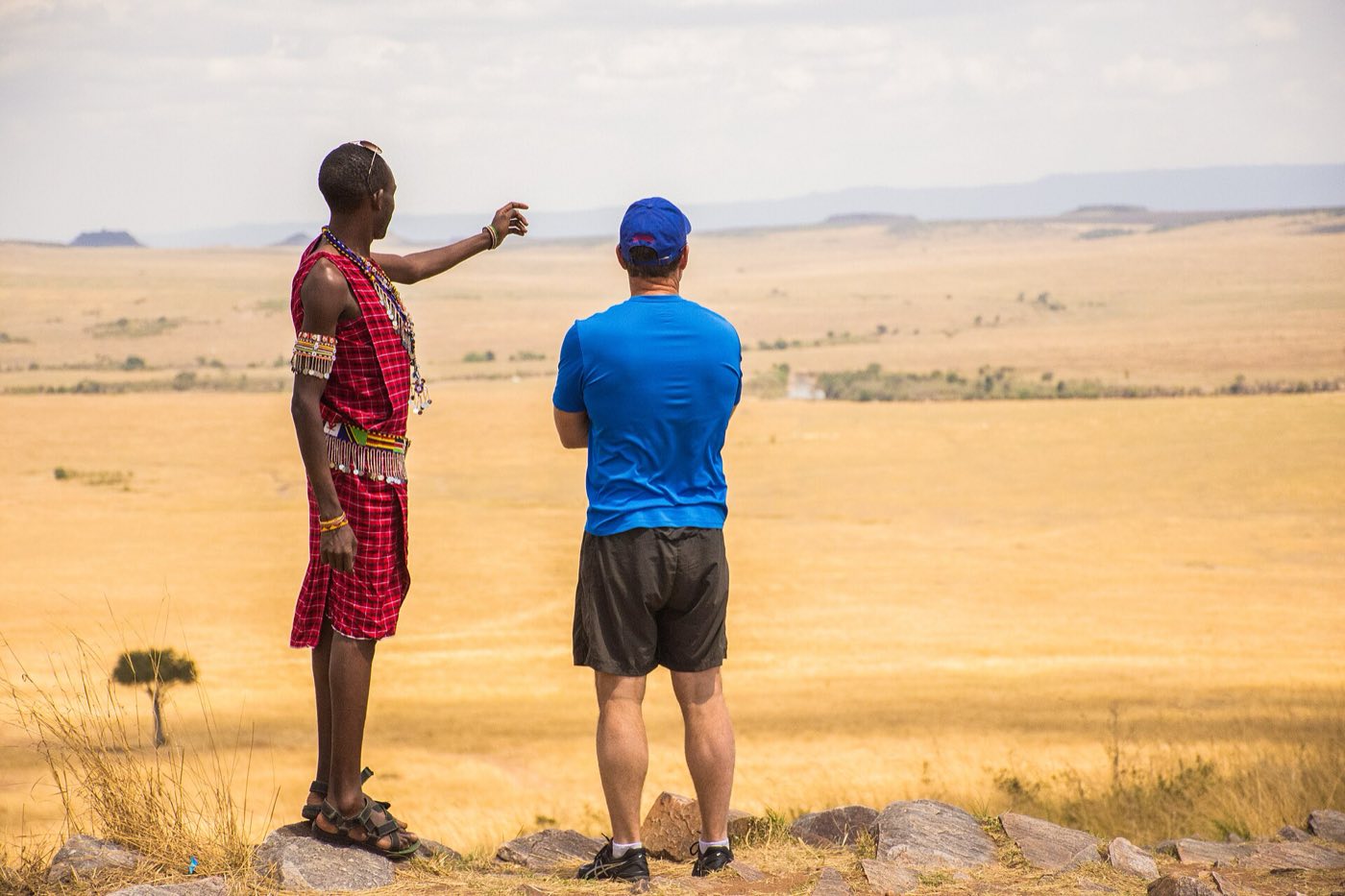
East Africa's safari heartland, Kenya sits astride the Great Rift Valley and holds within its borders Mount Kenya's glaciated summit, the Maasai Mara's legendary wildebeest migration, and a long Indian Ocean coastline that has been trading with Arabia and India for a thousand years. Travelers come for the Big Five on dawn game drives, balloon flights over savannah, and cultural encounters with Maasai communities whose lives remain tied to the cattle and the grass. What surprises first-time visitors is how the country feels at its edges. Up in the Mara from July through October, the wildebeest river crossings are every bit as dramatic as the documentaries — thousands of animals piling into crocodile water, dust, noise, the whole thing lasting about twelve minutes and leaving you shaking. Down on the coast, Lamu's Swahili old town has a completely different rhythm: narrow coral-stone alleys, dhows at anchor, the call to prayer drifting over rooftops at sunset. Between them lies a country of volcanic lakes dotted with flamingos, tea estates in the highlands, and Nairobi — a genuine African capital with traffic, energy, and excellent restaurants. Kenya rewards travelers who plan properly. The best safari camps book out a year ahead for peak migration weeks, and the difference between a mediocre and exceptional safari often comes down to guide quality rather than lodge luxury. Malaria prophylaxis is essential below the highlands, a yellow fever certificate may be required depending on your itinerary, and internal flights via Safarilink or AirKenya save long hours on rough roads. Go with two weeks if you can — a bush-and-beach combination of Mara or Amboseli plus a few nights in Diani or Lamu is the trip most people wish they'd done.
Things to Do
Maasai Mara wildebeest migration
From July through October, roughly 1.5 million wildebeest and several hundred thousand zebra move north from the Serengeti into the Mara ecosystem, and the river crossings at the Mara and Talek rivers are the single most concentrated wildlife event on the planet. A good camp like Governors', Rekero, or one of the private conservancies gives you dawn game drives when lion prides are still on the move and sundowner drinks in front of cats on a kopje. Private conservancies also permit off-road driving and night drives that the main reserve does not.
Amboseli National Park with Kilimanjaro views
In southern Kenya on the Tanzanian border, Amboseli's flat pans and acacia woodlands hold the densest elephant population in East Africa — family groups of thirty and forty moving across short grass with Kilimanjaro rising behind them in the early morning before the cloud builds. The classic photograph is real and achievable with a two-night stay and a dawn game drive. Observation Hill gives you a short walk and a 360 panorama over the marshes, which are full of hippos, pelicans, and plains game.
Lake Nakuru flamingos
A Rift Valley soda lake in the central highlands, Nakuru is famous for enormous flocks of lesser flamingos that coat the shoreline pink when water chemistry cooperates. Numbers have shifted in recent years with rising lake levels, so come for the broader package: a compact national park with rhinos — both black and white — Rothschild's giraffe, leopard-heavy forests, and baboons with an unsettlingly good read of car door latches. Baboon Cliff overlook is the park's postcard view down the length of the lake.
Diani Beach on the Indian Ocean coast
South of Mombasa, Diani is 17 kilometers of white coral sand, a reef about a kilometer offshore, and palm-lined hotels and beach houses at every budget. The reef keeps the water calm inside the lagoon, which makes it excellent for kitesurfing from June through September and snorkeling on the outer edge by dhow. Day trips to Kisite-Mpunguti Marine Park south of Diani deliver some of the best snorkeling on the Kenyan coast and reliable dolphin sightings. The beach itself stretches long enough that you can walk an hour without seeing the same face twice.
Nairobi National Park and David Sheldrick Elephant Orphanage
Nairobi is the only capital on earth with a full wildlife park inside its city limits — 117 square kilometers of plains on the southern edge, fenced on three sides and open to the Athi-Kapiti ecosystem on the fourth. A morning drive delivers lions, rhinos, and giraffes against a skyline of office towers, which never stops being surreal. Combine it with the David Sheldrick Wildlife Trust's elephant orphanage, open for one hour daily at 11 a.m., where the rehabilitated orphans are fed and play in the mud within arm's length of visitors.
Lamu Island's Swahili old town
A UNESCO-listed island off the northern coast near the Somali border, Lamu is a 700-year-old Swahili trading town of coral-stone houses, carved wooden doors, and alleys too narrow for cars. Transport is by dhow or donkey. Stay in a restored merchant's house in Shela village, eat grilled fish at Peponi's terrace, and sail out on a sunset dhow with a crew who have done this for generations. Security situations on the coast shift; check advisories close to travel and confirm that your accommodation arranges trusted transport from Manda Island airport.
Mount Kenya trekking
Africa's second-highest peak rises to 5,199 meters just south of the equator, and while the two technical summits (Batian and Nelion) require rock climbing, the trekkers' peak of Point Lenana at 4,985 meters is achievable over four or five days with reasonable fitness and acclimatization. The Chogoria route is the most scenic, traversing the Gorges Valley past Lake Michaelson and a series of tarns; the Sirimon–Naro Moru combination is the most popular. Summit morning is a two-hour walk from the final camp in the dark, emerging at a glacier-ringed peak for sunrise.
Samburu National Reserve
Four hours north of Nairobi, Samburu is a drier, hotter ecosystem along the Ewaso Ng'iro River that hosts species you won't see in the Mara: reticulated giraffe, Grevy's zebra, Beisa oryx, gerenuk, and Somali ostrich — the so-called Samburu Special Five. The landscape is different too, acacia scrub and red earth against the rocky backdrop of Koitogor and Ololokwe mountains. Combine two or three nights at a river camp like Elephant Bedroom or Saruni with an afternoon visit to a Samburu village, where cultural interactions feel markedly less staged than in some Maasai areas.
When to Go
July through October is migration season in the Maasai Mara and the most dramatic window for wildlife, though it is also the most expensive and most crowded. January and February are a quieter sweet spot — dry weather, newborn plains game, excellent visibility, and manageable prices. The long rains from April through early June are the low season when many camps close, but coastal weather stays warm and lodge rates drop sharply if you're flexible. Amboseli's Kilimanjaro views are clearest in the cool, dry months of June to October and again in January and February. Avoid November's short rains on tight itineraries.
Getting Around
Safari travel in Kenya works best as a combination of internal flights and 4x4 transfers. Safarilink and AirKenya fly from Wilson Airport in Nairobi to airstrips at the Mara, Amboseli, Samburu, and the coast multiple times daily, saving you from eight- and ten-hour drives on variable roads. Within the parks, your lodge or camp provides game drive vehicles with trained guides — this is where the real experience happens and the cost is folded into the rate. For coastal travel, SGR trains run from Nairobi to Mombasa in about five hours and are cheaper than flying. In Nairobi itself, Uber and Bolt work well and are safer than hailing on the street; avoid driving yourself in the city if you can.
Cost & Currency
Kenya uses the shilling (KES), typically around 130 to the US dollar, and safari Kenya is not cheap. Expect $400–$800 per person per night in mid-range Mara camps during peak season, $800–$1,500 in premium conservancy camps, with rates that include all meals, game drives, and often laundry and drinks. Budget travelers can self-drive and camp in the parks for a fraction of this, but logistics and safety make guided trips the standard. Park fees run $80–$100 per adult per day. In Nairobi, a sit-down lunch costs 800–2,000 KES ($6–$15), and Uber rides stay cheap. Cards work in most hotels and restaurants; tip guides $10–$20 per guest per day, which is standard and genuinely appreciated.
Frequently Asked Questions
- Do I need a visa to visit Kenya?
- Yes — Kenya now uses an electronic travel authorization (eTA) that most visitors must apply for online before flying, usually approved within a few days. The old visa-on-arrival system has been phased out. Apply via the official etakenya.go.ke portal and bring a printout to the airport.
- Is it safe to travel in Kenya?
- Safari areas, the major parks, and established coastal resorts are generally safe with reasonable precautions, while Nairobi requires typical big-city awareness — use Uber or Bolt rather than street taxis, avoid walking at night in the central business district, and watch your phone in traffic. The far northern border with Somalia and parts of the north-east are off-limits; check current government advisories.
- What vaccinations and medications do I need?
- Malaria prophylaxis is essential for most of the country below the highlands — consult a travel clinic six weeks before departure. Yellow fever vaccination is required if you are arriving from another yellow-fever country, and routine boosters plus hepatitis A and typhoid are strongly recommended. Bring DEET-based insect repellent and long sleeves for evenings in camp.
- How many days do I need for a Kenya safari?
- Seven to ten days is the realistic minimum for a classic trip — three or four nights in the Mara, two to three in a second park like Amboseli or Samburu, plus Nairobi on either end. Shorter visits spend too much time in transit. Two weeks opens up a coast extension to Diani or Lamu, which rounds the trip out beautifully.
- Should I book through a tour operator or plan it myself?
- Most visitors book through a specialist operator — safari logistics, camp availability, internal flights, and park permits are complex enough that a good operator earns their fee many times over. Self-planning works for budget travelers comfortable with road trips and public campsites, but for a first visit the expertise of a Nairobi-based or international specialist is worth it.
Plan a Trip to Kenya
Have you been to Kenya?
Track 195 countries, 50 states & 63 national parks on your map