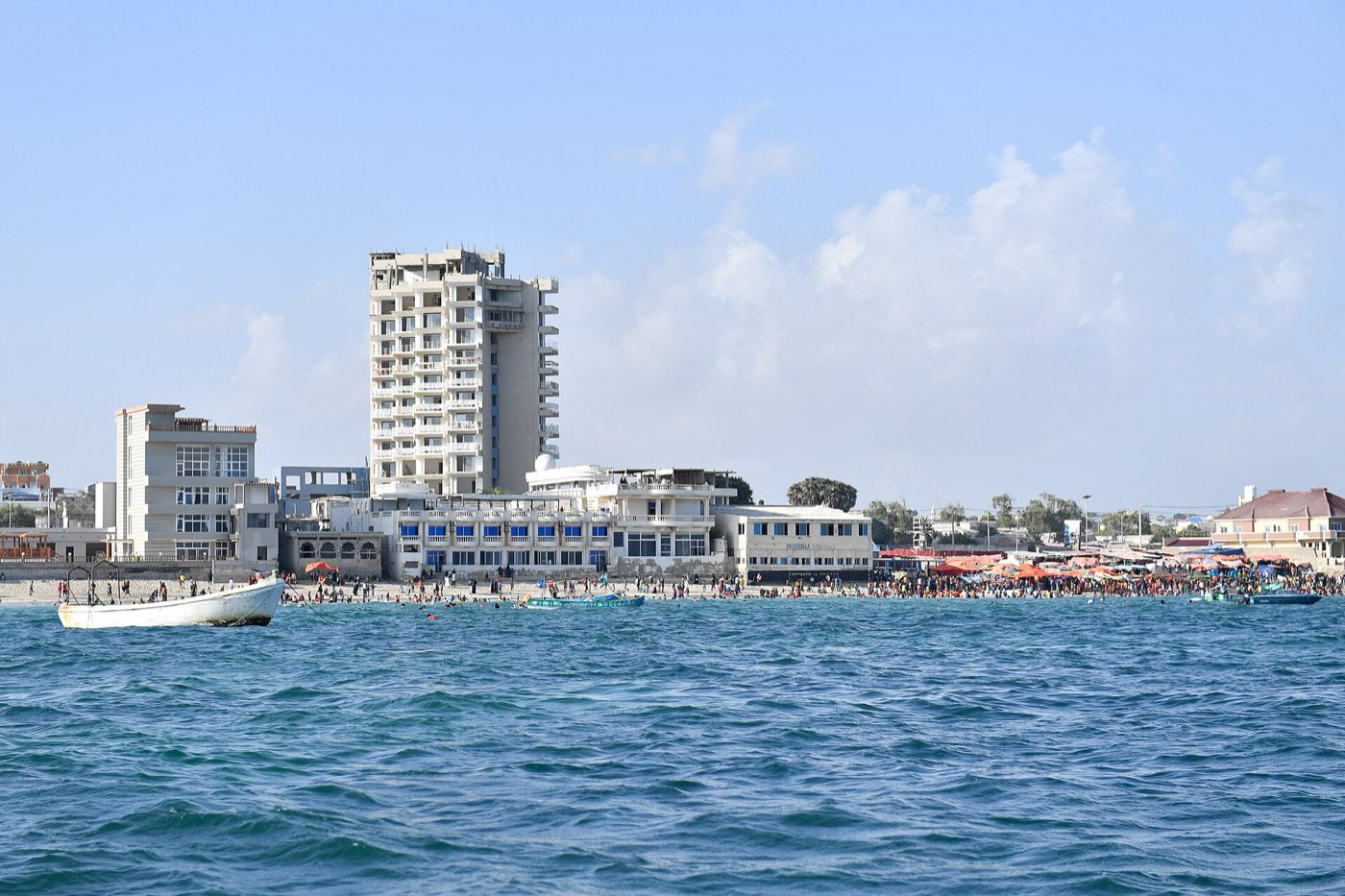
Somalia
- Capital
- Mogadishu
- Population
- 18M
- Currency
- SOS
- Languages
- Somali, Arabic
Overview
A Horn of Africa nation with one of the longest coastlines on the continent, an ancient frankincense trading heritage, and a poetic tradition that Somalis consider central to their identity. Almost every major government — the US, UK, EU members, Australia, Canada — currently advises against all travel to Somalia itself, citing armed conflict, terrorism, and kidnapping risk, and the realistic answer for almost all tourists is that the country proper is not an advisable destination. The separate northern region of Somaliland, which declared independence in 1991 and operates as a de facto state with its own government, currency, and border controls, is a different case. Somaliland is not internationally recognized but is comparatively stable and does welcome a small, steady trickle of adventurous travelers. You enter on a Somaliland visa (issued by their representative offices abroad or on arrival at Hargeisa airport), you travel with a mandatory armed Special Protection Unit escort once outside the capital, and you will be one of only a handful of foreign visitors in the country at any given time. This profile covers Somaliland, which is where responsible travel in the Somalia-of-maps currently happens. The south — Mogadishu, Kismayo, the regions controlled by or contested with al-Shabaab — remains a conflict zone. If you are considering Somalia proper, read your government's current advisory first and treat those warnings as binding rather than conservative.
Things to Do
Laas Geel cave paintings in Somaliland
Neolithic rock paintings of cattle, humans, and dogs on the overhangs of a granite outcrop 55 kilometers northeast of Hargeisa, dated to between 5,000 and 11,000 years old and considered among the best-preserved prehistoric art in Africa. The colors — deep ochres, whites, and blacks — are shockingly vivid, and the fact that there is no crowd, no railing, and no glass between you and the paintings makes the visit unusually direct. A half-day trip from Hargeisa with a driver, a guide, and the required armed SPU escort.
Berbera's Ottoman architecture and beach
A 16th-century Ottoman port on the Gulf of Aden, Berbera preserves a walkable old town of coral-stone houses with carved wooden balconies and the remains of the Ottoman mosque. The beaches east of town are long, empty, and swimmable from October through April — the water is genuinely warm and the reef a short swim out. Berbera also holds the longest airport runway in Africa, built by the Soviets in the 1970s and briefly considered by NASA as a shuttle emergency-landing site. About four hours by road from Hargeisa.
Hargeisa's camel market
Somaliland is one of the largest camel-keeping nations per capita in the world, and the Hargeisa livestock market is where pastoralist herders bring their animals in from the interior. You go early — by 7 am the market is loud, dusty, and fully working — and you stand back with a local guide who can walk you through what the different brandings and colors of saddle blankets mean. Photography requires asking. A striking window into Somali pastoral culture and, with the fat-tailed sheep section alongside, the country's economic backbone.
Ancient port city of Zeila ruins
Near the Djiboutian border, Zeila was one of the Islamic world's principal ports between the 9th and 16th centuries — the departure point for Meccan pilgrims from much of East Africa and the seat of the medieval Adal Sultanate. What remains is largely ruin: collapsed stone mosques, the Ottoman-era fort, cisterns, and coral-block walls sinking into the sand. Access requires an overnight trip from Hargeisa with an SPU escort and permission from local authorities. The site is genuinely remote and almost never visited.
Cal Madow mountain range
A stretch of forested escarpment in eastern Somaliland that rises to over 2,400 meters and holds the country's last significant stands of juniper and dragon-blood-family trees, plus endemic birds found nowhere else. Reaching the range requires a multi-day overland trip from Hargeisa with camping and tight SPU coordination, and tourism infrastructure is essentially nonexistent. For well-prepared travelers with a trusted local operator, it is the least-visited accessible highland ecosystem in the Horn of Africa.
Daallo Forest remnant on the escarpment
On the same eastern escarpment as Cal Madow, the Daallo Forest preserves juniper, boxwood, and ancient dragon's blood trees on misted slopes above the arid lowlands — ecologically closer to the Ethiopian highlands than to the surrounding desert. A long, rough drive from Hargeisa gets you to a viewpoint where the escarpment drops a thousand meters toward the Gulf of Aden. Best for travelers who are already committed to a multi-day Somaliland itinerary and want to see the country's least-known landscape.
When to Go
October through March is the most comfortable window and the only sensible time to visit. The Jilaal dry season from December to March is best for Laas Geel, the Hargeisa camel market, and any driving across the interior. Berbera's coast is pleasant from October through April but brutally hot — regularly above 40°C — from May through September. Avoid the main rainy seasons (Gu, April–June, and Deyr, October–November) in the interior where tracks become impassable. Ramadan shifts hours and openings significantly; non-Muslim travelers should not eat or drink in public during fasting hours.
Getting Around
All travel in Somaliland outside Hargeisa legally requires an armed Special Protection Unit (SPU) escort — one or two uniformed soldiers who ride with you in your vehicle. Arrangements are made through your tour operator, who handles the paperwork at the police station before departure, and you pay a daily fee per soldier (roughly USD 15–20). The main road network connects Hargeisa to Berbera and on toward the Ethiopian border; most other routes are unsealed and require 4x4. Hargeisa itself is served by shared minibuses and taxis; foreigners almost always use private hire cars through their hotel. Solo travel outside Hargeisa is not realistic — go through a local operator.
Cost & Currency
Somaliland uses the Somaliland shilling for small daily transactions (exchange rates are roughly 8,500 SLSH to 1 USD and move), while US dollars are accepted and preferred for anything over about USD 10 — hotels, tour fees, SPU payments. Cards are essentially not usable outside a couple of Hargeisa hotels, and ATMs are unreliable; bring your entire trip budget in clean, undamaged US dollars in small denominations. Budget roughly USD 100–150 per day for a guided trip with 4x4, driver, guide, SPU, modest hotels, and meals, with multi-day trips to the coast or mountains running higher. Tipping your driver, guide, and SPU at the end of a trip (USD 10–20 per day per person) is standard and expected.
Frequently Asked Questions
- Is it safe to travel to Somalia?
- Almost every Western government currently advises against all travel to Somalia proper, citing armed conflict, terrorism, and high kidnapping risk — and those advisories should be treated as binding. The separate northern region of Somaliland is comparatively stable and does accept visitors, but requires an armed SPU escort outside Hargeisa and carries its own risks. Buy specialist travel insurance that actually covers the destination before you go.
- Is Somaliland the same as Somalia?
- Not practically. Somaliland declared independence from Somalia in 1991 and has run its own government, currency, border controls, and security forces since. It is not internationally recognized — your passport will still say Somalia — but in day-to-day terms it is a separate destination with its own visa, entry rules, and security situation. Visiting Somaliland is not the same as visiting Mogadishu, and the two should not be conflated.
- How do I get a Somaliland visa?
- You apply either at a Somaliland representative office abroad (London, Addis Ababa, and a few others), or in some cases on arrival at Hargeisa airport with a letter of invitation from a registered tour operator. Most travelers arrange it through their operator before flying in. A standard Somali visa is not valid for Somaliland, and vice versa.
- How do I get to Hargeisa?
- Ethiopian Airlines and Fly Dubai operate the main international routes into Hargeisa, typically via Addis Ababa or Dubai. There are also smaller regional carriers connecting Hargeisa to Djibouti and Nairobi. Book through a legitimate operator and expect schedule changes; direct flights from Europe or North America do not exist.
- Can I visit Somalia independently without a tour?
- In Somaliland, no — the SPU escort requirement, road conditions, and logistics make independent travel outside Hargeisa essentially impossible. In Somalia proper (Mogadishu, Puntland, Jubaland), independent tourism is not a category that meaningfully exists. Work through a reputable local operator who can handle permissions, security, and logistics end to end.
Plan a Trip to Somalia
Have you been to Somalia?
Track 195 countries, 50 states & 63 national parks on your map