Congo
- Capital
- Brazzaville
- Population
- 6.1M
- Currency
- XAF
- Languages
- French
Overview
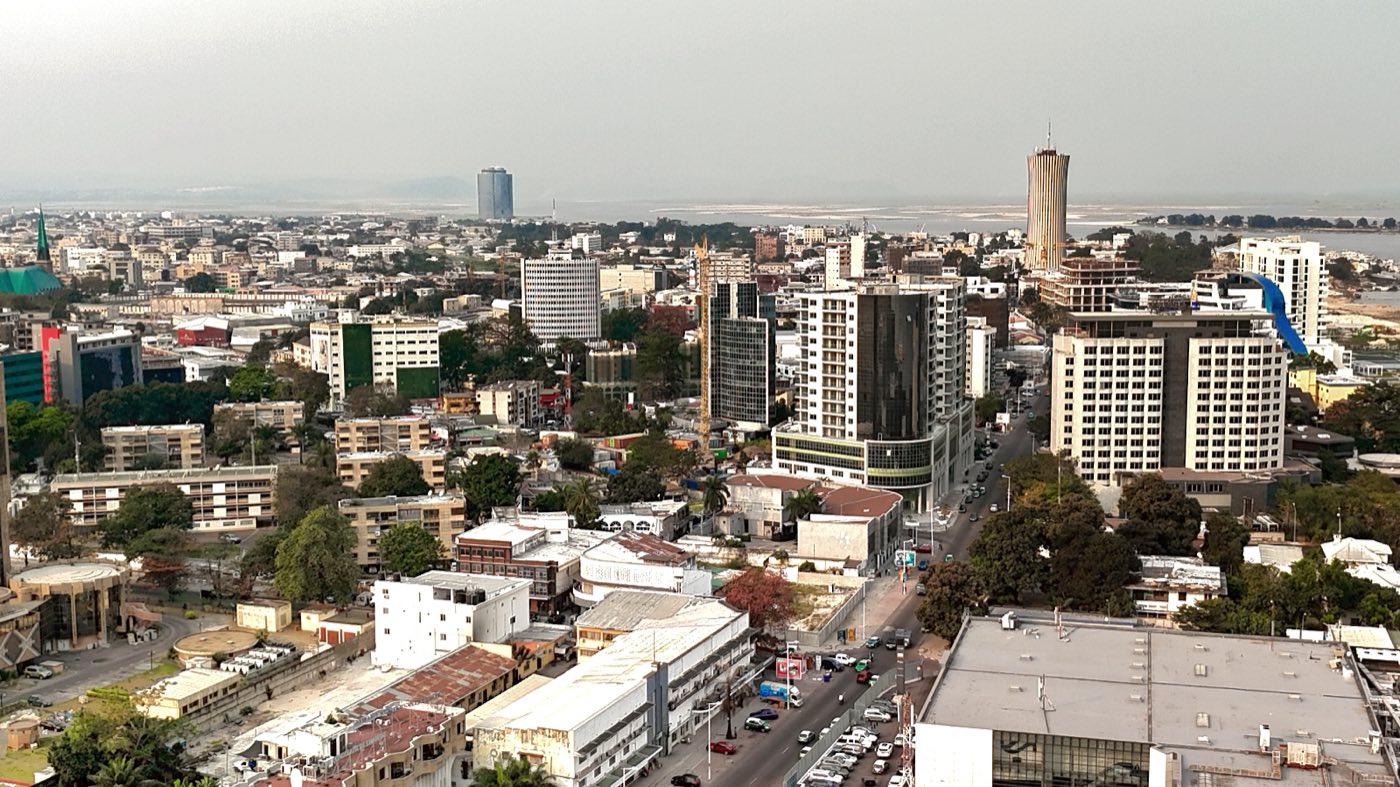
The Republic of Congo — often called Congo-Brazzaville to distinguish it from its larger neighbor across the river — sits on the equator in the center of Africa, mostly covered in rainforest that forms part of the second-largest tropical forest on earth. Travelers come for lowland gorilla tracking in Odzala-Kokoua National Park, forest elephants at the Mbeli Bai clearing, and the street style and music of Brazzaville, where the Sapeurs dress in impeccable tailored suits for Sunday afternoons in the quartiers. The country is not a typical safari destination and does not try to be. Most visitors arrive via a charter out of Brazzaville into a remote camp in Odzala or Nouabalé-Ndoki, spend a week tracking gorillas and watching elephants drink at bais, and fly out with some of the most intimate rainforest wildlife experiences left anywhere. The experience is expensive — this is not a budget destination — and logistics run on African time, but the forest is genuine, the wildlife largely unhabituated, and the guiding as good as you will find on the continent. Brazzaville itself is worth a day or two on either end of the bush trip. The Basilique Sainte-Anne dominates the Poto-Poto neighborhood with its green-tiled steep roof; the Congo River runs broad and flat past the riverfront with Kinshasa visible on the far bank; and on a Sunday evening in a street in Bacongo, a pair of Sapeurs will emerge from a modest house wearing a pink three-piece suit and matching crocodile shoes, cross the street for a beer, and let you take their photograph if you ask politely.
Things to Do
Odzala-Kokoua National Park gorilla trekking
A four-million-acre rainforest in the north of the country, Odzala is managed by African Parks and accessed through two Kamba African Rainforest camps — Ngaga and Lango — that give you the country's best chance at seeing western lowland gorillas up close. A typical trek leaves camp at sunrise, follows a habituated group through dense undergrowth for two to four hours, and spends one tightly regulated hour with the gorillas once located. You also walk the forest bais where elephants, buffalo, and bongo come out to drink. Plan on a six-night minimum; logistics demand it.
Mbeli Bai forest elephant observation
Deep in Nouabalé-Ndoki National Park, Mbeli Bai is a forty-five-hectare forest clearing where researchers have monitored an open-air population of forest elephants, sitatunga, and western lowland gorillas for more than thirty years. Visitors climb a small observation platform above the bai and sit — for hours if you let yourself — as the forest brings itself to the water. There are days you will see twenty elephants at once, days you will see a gorilla family cross the clearing. It is one of the great quiet wildlife experiences in Africa.
Congo River ferry crossing to Kinshasa
Brazzaville and Kinshasa face each other across the Congo River — the two closest capital cities on earth, less than two kilometers apart — and a small ferry runs the crossing several times a day for those with valid visas for the DRC side. Even if you are not crossing, the port scene at Beach is worth a morning: traders loading boats with every imaginable product, soldiers checking papers, the wide brown river carrying logs and fishermen downstream. Do not photograph the ferry or port installations — they are militarily sensitive.
Brazzaville's Basilique Sainte-Anne
Built in the late 1940s by French architect Roger Erell, the Basilique Sainte-Anne is the landmark church of Brazzaville — a swooping green-tiled roof rising out of the Poto-Poto neighborhood like a giant tent, reportedly modeled after a traditional village chief's house. It was damaged in the 1997 civil war and restored in the 2000s. The interior is serene, with high clerestory light and concrete arches. Pair it with the neighboring Poto-Poto School of Painting, where a modernist Congolese art movement took shape in the 1950s.
Nouabalé-Ndoki National Park
Nouabalé-Ndoki protects one of the most intact tropical forests in Africa, contiguous with parks across the border in Cameroon and the Central African Republic. Access is through the research camp at Bomassa and the remote Mbeli Bai platform. Wildlife includes western lowland gorillas, forest elephants, bongo, and chimpanzees in the Goualougo Triangle, where chimps have been observed using tools in ways unseen elsewhere. Wildlife Conservation Society runs the science side; visits need to be arranged through licensed operators months in advance.
Les Rapides on the Congo River
Upstream of Brazzaville, the Congo River breaks into a series of cataracts called Les Rapides, where the flat river suddenly churns white between rocky islands. The road out of town brings you to overlooks at Case de Gaulle and beyond, with the Kinshasa skyline visible across the water on a clear day and fishermen working their nets in eddies between the rocks. Go late in the afternoon when the light flattens across the river. A taxi round-trip from central Brazzaville runs around 10,000 to 15,000 CFA including waiting time.
Brazzaville's Sapeur fashion culture
The Société des Ambianceurs et des Personnes Élégantes — the Sapeurs — are Congolese men who dress in precisely cut, brightly colored suits as a form of performance, identity, and philosophy of joie de vivre, often while living in modest means in the neighborhoods of Bacongo and Poto-Poto. A local guide can arrange an afternoon with a Sapeur collective, where members will show you around their local, demonstrate the cane twirls and jacket flips, and explain the movement's history going back to the 1920s. Treat it as the genuine cultural form it is, not a costume.
When to Go
June to September is the main dry season across the forest regions and the best stretch for gorilla trekking, with drier trails and easier tracking conditions. January to February gives a shorter dry window with similar advantages. The long rains from March to May and the short rains from October to December make forest access harder and many camps close for portions of these periods. Brazzaville is hot and humid year-round with the heaviest rain in April and May; temperatures sit in the high twenties to low thirties Celsius most of the year.
Getting Around
Travel inside Congo is mostly by small aircraft and boat once you leave Brazzaville. The national parks in the north are reached by charter flight to airstrips at Mboko, Ngaga, or Bomassa — arrange through your camp operator weeks in advance. Within Brazzaville, taxis are plentiful and cheap (agree a fare before getting in) and the city is small enough to cross in fifteen minutes outside rush hour. Roads connecting to Pointe-Noire and the coast are paved and drivable though slow; the overland route north into the parks is rough and mostly used by logging operators. Keep photocopies of your passport and yellow fever certificate on you at all times — checkpoints are routine.
Cost & Currency
Congo uses the Central African CFA franc (XAF), pegged to the euro at 655.957 to 1. Prices in Brazzaville are moderate — a sit-down meal at a mid-range restaurant runs 8,000–15,000 CFA, a hotel room at a decent business-class hotel 60,000–120,000 CFA. The wildlife camps are the big-ticket item: expect $1,000–$1,500 per person per night all-inclusive at Odzala-Kokoua's camps, with charter flights on top. Cards are accepted at larger Brazzaville hotels but are unreliable elsewhere — bring euros in cash for the bush, in moderately-used small-denomination notes. Tipping the camp staff pool at the end of a stay is customary and appreciated.
Frequently Asked Questions
- Do I need a visa to visit the Republic of Congo?
- Most travelers do. The e-visa system launched in recent years covers many nationalities and is the easiest route — apply online at least two weeks before travel and bring a printout. A yellow fever vaccination certificate is required for entry and is checked on arrival. Double-check current rules with your airline and the nearest Congolese embassy before booking, because the e-visa program has been paused and restarted more than once.
- Is the Republic of Congo the same as the DRC?
- No — they are two different countries sharing the Congo River and the name. The Republic of Congo (Congo-Brazzaville) has its capital at Brazzaville and a population around six million; the much larger Democratic Republic of the Congo (DRC, formerly Zaire) is across the river with its capital at Kinshasa and a population over a hundred million. This page covers the Republic of Congo only; the DRC requires separate visas and planning.
- Is it safe to travel in the Republic of Congo?
- Brazzaville and the main park camps have been generally stable for visitors in recent years, though the country has a history of civil conflict and the political situation can shift. The Pool region southwest of Brazzaville has had active insecurity at times and should be checked against current advisories. Petty theft in Brazzaville markets and taxi-parks exists; keep valuables out of sight and use hotel-arranged taxis after dark.
- What vaccinations do I need?
- Yellow fever is mandatory and you will be asked for the certificate on arrival. Routine boosters, typhoid, and hepatitis A are strongly recommended, and malaria prophylaxis is essential — the entire country is in a high-transmission zone. Talk to a travel clinic at least a month before your trip because some vaccinations need time to take effect. Bring repellent, long sleeves for dusk, and a permethrin-treated set of trekking clothes.
- Do people speak English in Congo?
- Not widely. French is the official language and the dominant language in business, education, and media; Kituba and Lingala are the two main local languages. English is limited to some staff at upscale hotels and at the park camps, which tend to have bilingual guides. A working French vocabulary will make taxis, restaurants, and markets considerably easier and more interesting.
Plan a Trip to Congo
Have you been to Congo?
Track 195 countries, 50 states & 63 national parks on your map