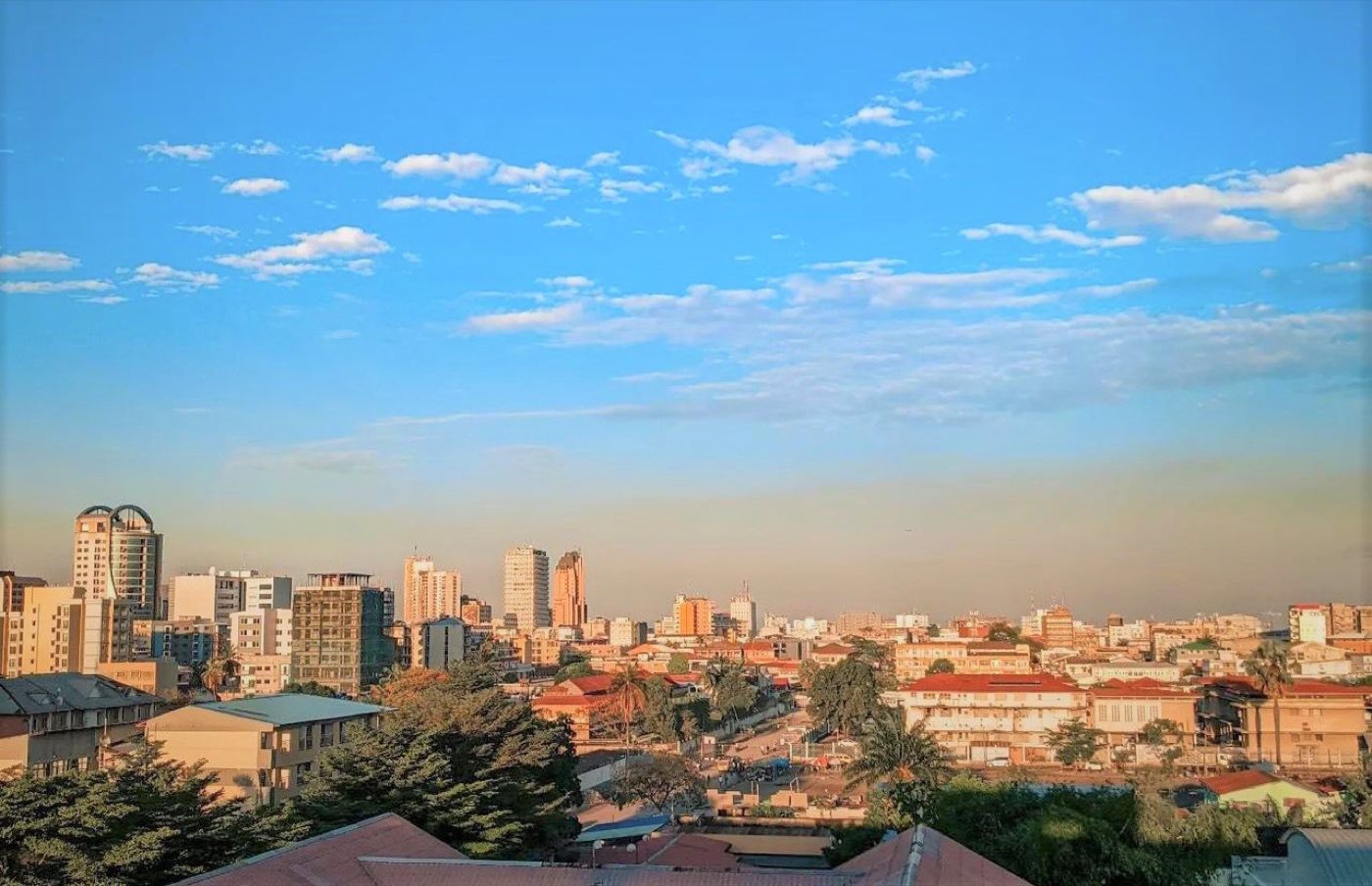
Democratic Republic of the Congo
- Capital
- Kinshasa
- Population
- 102M
- Currency
- CDF
- Languages
- French
Overview
Africa's second-largest country wraps itself around the Congo River, holding the world's second-largest tropical forest and a share of wildlife found nowhere else on the planet. Travelers come for gorilla trekking in Virunga National Park, the red glow of Nyiragongo's lava lake, and the raw weight of the Congo itself. The DRC is not a place you pass through. Most independent travel here is unrealistic, and the trips that work are deliberate — a flight into Goma in the east for a Virunga itinerary, or a planned landing in Kinshasa with fixers already arranged. What you pay for in money and planning you get back in experiences that feel genuinely unrepeated: a silverback gorilla twenty feet away, the sound of a volcano boiling at close range, ferry hawkers calling across water that drains a sixth of a continent. Travel advisories are real and shift constantly. Much of the east — North Kivu, Ituri, South Kivu — sees active armed-group activity, and Goma itself has been subject to periodic unrest. Virunga's gorilla sector has closed before and will again. Kinshasa is dense, chaotic, and unforgiving of naive travelers. Go with a reputable operator, check your government's current guidance in the weeks before departure, and build flexibility into every itinerary. What you will see in return is one of the most astonishing ecosystems on earth.
Things to Do
Virunga National Park gorilla trekking
Africa's oldest national park protects around a third of the world's mountain gorillas, and the trekking experience — when the park is open — is as close and unposed as wildlife encounters get anywhere on the continent. You hike in from Bukima or Rumangabo with armed rangers, and the walk through bamboo and wet fern runs anywhere from forty minutes to four hours before your guides radio that a habituated family has been located. You get one hour with them. Permits are a fraction of the Rwandan or Ugandan equivalent, which reflects the real security picture rather than a bargain. Confirm operational status close to travel — closures happen.
Nyiragongo Volcano lava lake trek
A six-hour climb up a working stratovolcano delivers you to the rim of the world's largest persistent lava lake — a churning red crater a mile across that lights the night sky from camp. You sleep in small A-frame shelters on the rim, eat freeze-dried dinners in the cold, and stand at the edge after dark while the lake breathes and spits molten rock below. The descent the next morning takes about four hours. The trek has been periodically suspended due to volcanic activity and regional security; Nyiragongo last erupted catastrophically in May 2021, and re-openings depend on the park's monitoring.
Congo River boat journeys
The Congo is the deepest river on earth and one of the most demanding to travel by boat, and the multi-day barge journeys between Kinshasa and Kisangani — when they run — remain one of the genuine overland experiences left in Africa. These are working freight barges, not tourist boats: you rent deck space, string up a hammock, and eat what the vendors paddle out to sell from pirogues at every landing. Journeys can take two weeks or longer depending on water and mechanical luck. Most travelers settle for a day trip on the Malebo Pool near Kinshasa, which gives the scale without the commitment.
Kahuzi-Biéga National Park eastern lowland gorillas
A few hours west of Bukavu on Lake Kivu, Kahuzi-Biéga protects the world's largest population of Grauer's (eastern lowland) gorillas — a distinct and less-visited species than the mountain gorillas further north. Trekking here runs through montane forest up to 3,300 meters, with permits and visitor numbers well below Virunga's. Access has historically depended on the security situation in South Kivu, which has worsened in recent years. When conditions allow, the park offers one of the rarest primate encounters on the continent.
Okapi Wildlife Reserve
Deep in the Ituri Forest in the country's northeast, the Okapi Wildlife Reserve is the best place in the world to see captive-bred okapi — the striped, giraffe-relative forest creature that looks like it was invented by a child — and to meet the Mbuti communities who have hunted these forests for millennia. The reserve is logistically difficult and security-dependent; most visits happen via specialist operators and require flights to Bunia, followed by long road transfers. It is the kind of trip for travelers who are already comfortable with remote African itineraries.
Kinshasa's music and nightlife scene
The capital is loud, vast, and the historical engine of Congolese rumba and soukous — the music that shaped much of modern African pop. Neighborhoods like Matonge and Bandal stay open late, with live bands in venues you get to with a trusted driver rather than a walk, and street corners where amplifiers run off car batteries into the small hours. Kinshasa is not a casual stroll-and-see city — petty crime is routine, traffic is extreme, and you move with a local guide or embassy-recommended fixer. What you get in return is a capital genuinely unlike any other on the continent.
Garamba National Park
Garamba, in the far northeast near the South Sudan border, has been on the frontline of conservation in central Africa — elephant and giraffe populations have been battered by poaching and regional conflict, and African Parks' long-running management has been stabilizing the reserve since 2005. Infrastructure for visitors remains limited and access typically requires charter flights. For travelers who want to see conservation happening under hard conditions rather than in the polished safari lodges further south, Garamba is one of the most compelling options in Africa.
When to Go
June through September is the long dry season and generally the best window for gorilla trekking in Virunga and Kahuzi-Biéga, with drier trails and better visibility in the forest. A shorter dry period from January to February offers another workable window, especially in the east. The rains from March to May and October to December make trekking harder and remote road travel often impossible, though the forests are at their lushest. Weather aside, the more important variable is security: always check the current UK FCDO, US State Department, and your own government's advisories in the weeks before travel, since gorilla sectors and regional access can close with little warning.
Getting Around
Overland travel across the DRC is slow, unreliable, and in many regions unsafe — roads outside the main paved corridors around Kinshasa and Lubumbashi range from rough to impassable. Domestic flights on airlines like Congo Airways are how most visitors cover distance between Kinshasa, Goma, Lubumbashi, and Kisangani; reliability varies and delays are common. For Virunga and Nyiragongo you fly into Goma (usually via Kigali across the Rwandan border, a routine crossing), then connect with your operator. In cities, use vetted drivers arranged through your hotel or tour company rather than street taxis, and do not drive yourself. The river remains a major transport artery for goods and people, with barge journeys possible but unpredictable.
Cost & Currency
The DRC uses the Congolese franc (CDF), though US dollars circulate widely and are the practical currency for most traveler transactions — bring clean, post-2013 bills in small denominations. Expect to pay in cash almost everywhere outside top Kinshasa hotels. A Virunga gorilla permit currently runs around US$450, a Nyiragongo trek around US$300, plus accommodation and transfers that typically push a well-run six-day Virunga trip to US$2,500–4,000 per person through operators. Kinshasa hotels that meet international standards run US$150–300 a night; meals at mid-range restaurants in the capital $20–40. Tipping guides, rangers, and porters is expected — plan US$10–20 per day for rangers and US$5–10 for porters.
Frequently Asked Questions
- Is it safe to travel in the Democratic Republic of the Congo?
- Parts of the country are accessible with the right operator, but most governments advise against travel to much of the east, including North and South Kivu and Ituri, due to armed-group activity. Virunga and Goma have both been affected by periodic unrest, and the park has suspended visitors more than once in recent years. Check current UK FCDO and US State Department guidance close to travel, use a reputable operator, and stay on their recommended routes.
- Do I need a visa to visit the DRC?
- Most nationalities require a visa in advance — the DRC does not currently offer a general e-visa or visa-on-arrival for tourism. Virunga visitors can often be issued a specific tourist visa coordinated by the park, which is the most practical route for an east-only trip. For Kinshasa-bound travelers, apply through the embassy in your country; processing can take several weeks.
- What vaccinations and health preparations do I need?
- A yellow fever certificate is required for entry and you will be asked for it on arrival. Routine boosters plus typhoid, hepatitis A and B, meningitis, and rabies are recommended. Malaria prophylaxis is essential everywhere in the country. Bring a travel health kit including broad-spectrum antibiotics and oral rehydration salts, and confirm your evacuation insurance explicitly covers the DRC.
- How do I get to Virunga National Park?
- The standard route is to fly into Kigali, Rwanda, then drive three to four hours to the Grande Barrière border crossing at Goma, where your Virunga operator or driver will meet you. The park handles permits, accommodation at Bukima or Mikeno Lodge, and transfers inside the park. Flying directly into Goma from Kinshasa or Addis Ababa is possible but less common for Virunga-only itineraries.
- Do people speak English in the DRC?
- French is the official language and the working language of hotels, officials, and operators. Lingala, Swahili, Kikongo, and Tshiluba are the main local languages; Swahili dominates in the east around Goma and Bukavu. English is spoken by some Virunga staff and higher-end hotel workers in Kinshasa, but basic French will make every interaction easier, especially at checkpoints and markets.
Plan a Trip to Democratic Republic of the Congo
Have you been to Democratic Republic of the Congo?
Track 195 countries, 50 states & 63 national parks on your map