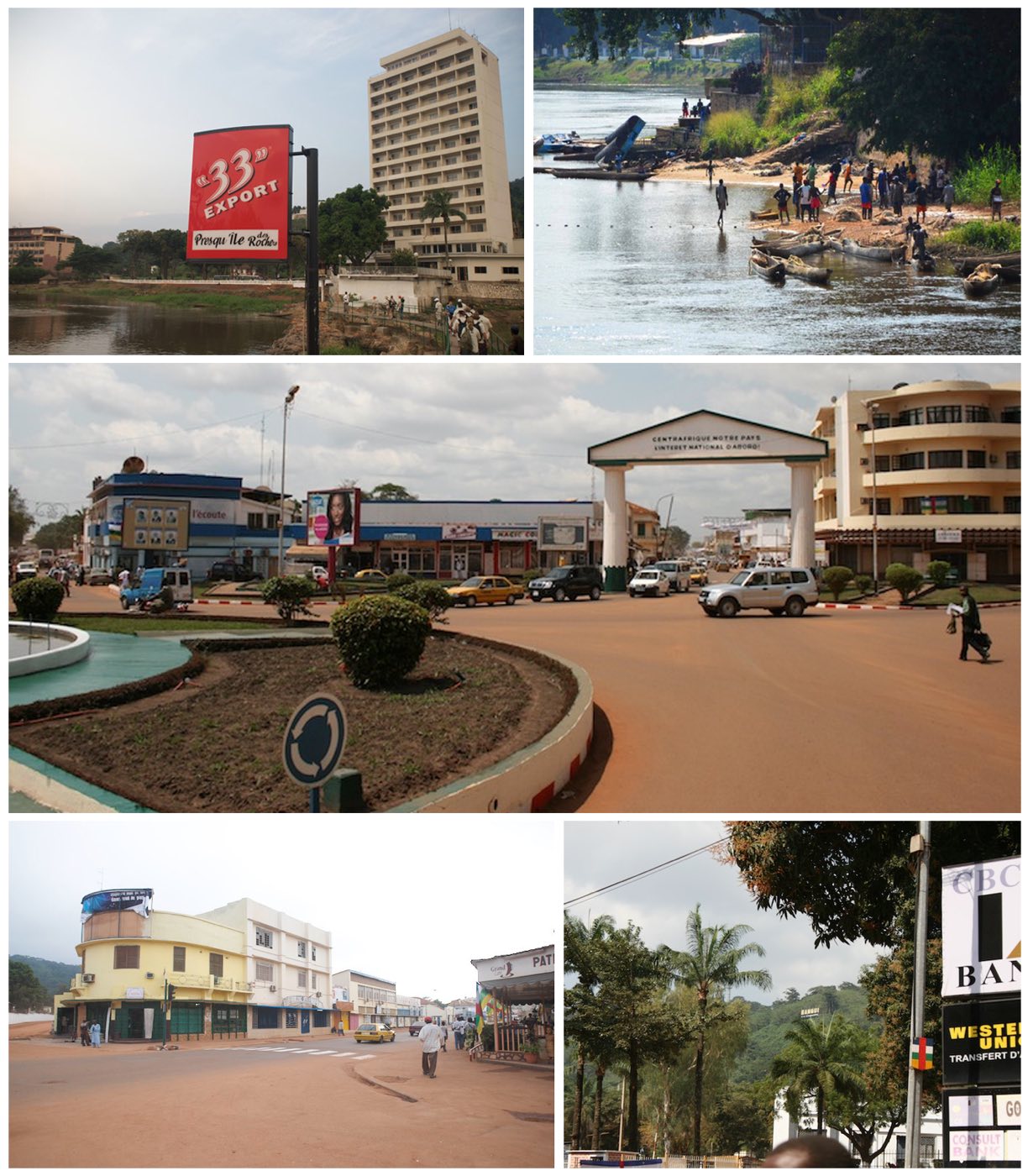
Central African Republic
- Capital
- Bangui
- Population
- 5.6M
- Currency
- XAF
- Languages
- French, Sango
Overview
A landlocked Central African nation the size of Texas, the Central African Republic holds some of the most intact lowland rainforest on the continent and some of the rarest large-mammal viewing anywhere in the world. Travelers who make it here come almost exclusively for one thing: Dzanga-Sangha, a reserve in the far southwest corner where western lowland gorillas, forest elephants, and bongos can still be seen at close range on foot. It is important to be honest about the rest. The country has been in a protracted civil conflict since 2012, and most governments — US, UK, France, Canada, Australia — advise against all travel to essentially the entire country except the Dzanga-Sangha corner, which is accessed via a charter flight from Douala in Cameroon that bypasses the interior altogether. Bangui, the capital, and the central and eastern regions are off-limits for visitors. Armed groups operate across much of the countryside, and kidnap-for-ransom remains a documented risk. This is where specialist operators go. A trip to CAR in 2026 means booking with one of the few lodges inside Dzanga-Sangha — Sangha Lodge is the most established — flying directly in and out of the reserve, and never leaving it. What you get in return is a wildlife experience closer to what East Africa offered fifty years ago: ten elephants in a forest clearing, gorillas thirty feet away in the undergrowth, and almost no other humans in the park. Go with clear expectations, comprehensive travel insurance including evacuation cover, and the understanding that this is the opposite of a flexible trip.
Things to Do
Dzanga-Sangha Special Reserve gorilla tracking
The reserve covers 4,600 square kilometers of Congo Basin rainforest and protects two habituated groups of western lowland gorillas — a distinct species from the mountain gorillas of Rwanda and Uganda. Trackers leave camp before dawn and walk for anything from an hour to half a day through dense undergrowth before finding the group, then you sit with them for a strictly timed hour. The gorillas are relaxed around humans thanks to fifteen years of habituation by WWF researchers. Permits are limited, and advance booking months out is essential.
Dzanga Bai forest elephant clearing
Bai is the local word for a natural forest clearing where mineral-rich mud draws animals for miles around. Dzanga Bai is the largest and most famous in the Congo Basin — on a good afternoon you'll see fifty to one hundred forest elephants, dozens of bongos, forest buffalo, sitatunga, and the occasional red river hog, all visible from a wooden observation platform at the clearing's edge. Some visitors rate the experience above the gorilla tracking. Go in the late afternoon, bring silence and a long lens, and plan to stay until dusk.
BaAka community encounters
The BaAka are an indigenous forest people who have lived in this part of the rainforest for thousands of years and retain deep knowledge of forest medicine, hunting, and the spiritual practices that frame their relationship with the land. Sangha Lodge arranges half-day walks with BaAka guides who explain how they locate edible plants, build shelters from phrynium leaves, and use net-hunting techniques. A portion of fees goes directly to the community, and the encounters are arranged on terms that locals control.
Sangha River canoe excursions
The Sangha River forms the reserve's southern boundary and the border with the Republic of Congo and Cameroon. Pirogue trips from Sangha Lodge take you along forested banks where you'll see African finfoots, palm-nut vultures, and on a lucky morning forest buffalo coming down to drink. A half-day on the water is a restful contrast to the forest walks, and the river light — especially an hour before sunset — is some of the most photographically rewarding of the trip.
Birdwatching in the Congo Basin canopy
Dzanga-Sangha records more than 400 bird species, including Congo Basin specialties that are very hard to see anywhere else: grey-necked rockfowl, hartlaub's duck, black-casqued hornbill, and Vermiculated Fishing Owl. Specialist guides from Sangha Lodge run dedicated birding days, and a patient visitor with a decent field guide can pick up forty to sixty species in a morning. The forest is dense and the birding is as much by ear as by eye — a hide at one of the smaller bais helps.
When to Go
The practical window for a Dzanga-Sangha trip runs from December through April, during the main dry season when forest trails are walkable and river access is easier. January and February are the most reliable months for both gorilla tracking success and good clearing activity at Dzanga Bai. The short dry spell in June and July is a secondary option. The long rains from September through November make access difficult and some camps close entirely. Temperatures sit at 25–30 C and humidity is high year-round; the rains reduce sightings but produce lush forest and active birdlife.
Getting Around
Forget any idea of overland travel in CAR. Visitors reach Dzanga-Sangha exclusively by chartered flights from Douala in Cameroon, which are organized by the lodge as part of a booked package. The flight lands at Bayanga or a nearby airstrip, from where the lodge transfers guests by vehicle the remaining hour to camp. Within the reserve, movement is on foot with park rangers and BaAka trackers leading the way, or by pirogue on the Sangha River. You do not drive yourself anywhere, rent vehicles, or move independently at any stage — the logistics are entirely handled by the lodge, and that structure is precisely what makes the trip possible.
Cost & Currency
The currency is the Central African CFA franc (XAF), pegged to the euro at 655.957 to 1. In practice, you won't handle much local cash — Dzanga-Sangha trips are paid in full in advance to the lodge in USD or EUR and include flights from Douala, park fees, accommodation, and all guiding. All-inclusive pricing runs USD 700–1,200 per person per night at Sangha Lodge, with a five-to-seven-night minimum stay typical. Budget USD 6,000–10,000 per person before international flights, and confirm that your travel insurance explicitly covers this destination including medical evacuation. Bring a small amount of USD cash for staff tips and incidental BaAka community contributions.
Frequently Asked Questions
- Is it actually safe to visit CAR?
- The Dzanga-Sangha corner, accessed by charter flight from Cameroon, has been operated safely by specialist lodges for years and sits far from the active conflict zones. The rest of the country is genuinely dangerous and you should not visit it. Check your government's current travel advisory, confirm the lodge's security protocols, and ensure your insurance is aware of and covers the destination.
- Do I need a visa?
- Yes — CAR requires an entry visa for nearly all visitors. The easiest path is to have your lodge sponsor the application through the CAR consulate in Douala, Cameroon; alternatively you can apply at a CAR embassy in your home country if one exists. Processing takes two to four weeks. Never show up without a pre-arranged visa, and keep the paperwork on you throughout the trip.
- How does this compare to gorilla trekking in Rwanda or Uganda?
- Different species, different experience. Rwanda and Uganda offer mountain gorillas in high-altitude bamboo forest, which is a more developed and more expensive but simpler tourism product. Dzanga-Sangha offers western lowland gorillas in dense tropical rainforest at a quarter of the visitor numbers, plus forest elephants at Dzanga Bai, which have no equivalent anywhere else.
- What vaccinations and health precautions are required?
- Yellow fever vaccination is mandatory and will be checked on arrival. Malaria prophylaxis is essential — this is a high-transmission forest environment. Also ensure typhoid, hepatitis A and B, and rabies vaccinations are current, and discuss with a travel medicine specialist. Bring a robust personal medical kit; pharmacy access inside the reserve is minimal.
- Can I combine CAR with other African countries?
- Logistically, the easiest combinations are with Cameroon — where your charter originates — or with Republic of Congo, particularly if you want to pair Dzanga-Sangha with the gorilla habituation experience at Odzala-Kokoua. Specialist operators like Wilderness, Sangha Pangolin Project, and Congo Conservation Company build these multi-country itineraries, and doing them together is more efficient than separately.
Plan a Trip to Central African Republic
Have you been to Central African Republic?
Track 195 countries, 50 states & 63 national parks on your map