Afghanistan
- Capital
- Kabul
- Population
- 41.1M
- Currency
- AFN
- Languages
- Pashto, Dari
Overview
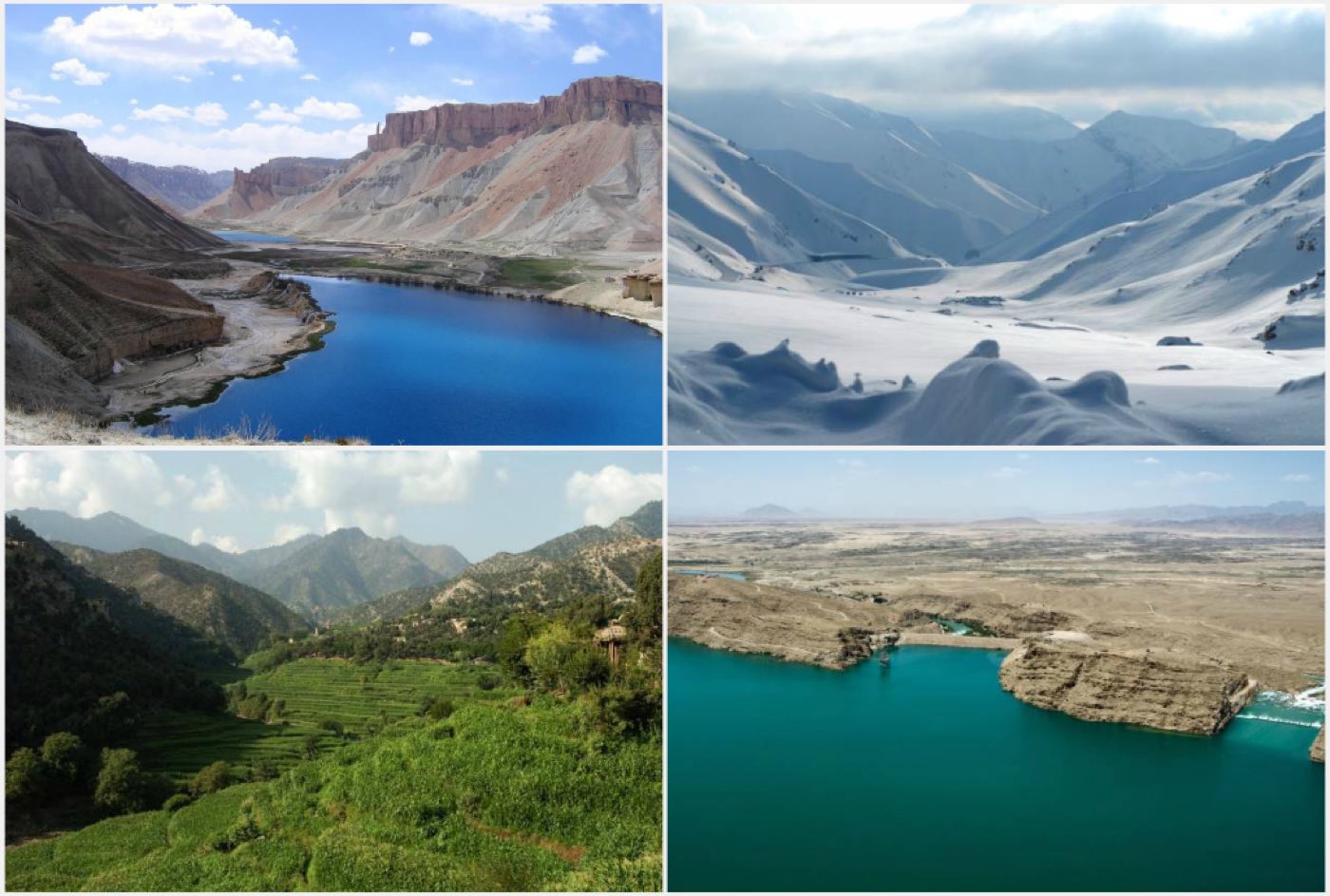
A landlocked Central Asian nation of dramatic mountain ranges, ancient Silk Road cities, and fierce tribal traditions. Travelers once came for the stunning Hindu Kush peaks and the storied bazaars of Kabul and Herat — and on the old 1970s overland trail through Asia, Kabul was a standard stop between Istanbul and Kathmandu. That Afghanistan is not the one you would be visiting today. Since the Taliban's return in August 2021, most Western governments advise against all travel, commercial flight options are narrow, and the security picture can shift from one province to the next in a week. Journalists and aid workers move with local fixers and pre-arranged transport; a handful of specialist tour operators run tightly managed itineraries through Kabul, Bamiyan, and Mazar-i-Sharif, and their guests come home describing a country of extraordinary scenery and real hospitality under conditions most casual travelers are not equipped for. What Afghanistan still holds, for those with the right reasons to go, is the landscape that drew earlier travelers: the snow of the Hindu Kush above a brown-river valley, the blue-domed shrine at Mazar, the emptied cliffs of Bamiyan where the great Buddhas once stood. It is a country best understood by reading widely first, respecting whatever advisory your government issues, and — if you do go — going with local guides, conservative dress, proper insurance, and the humility to turn back when they say so.
Things to Do
Band-e-Amir National Park's turquoise lakes
Six stepped lakes held back by natural travertine dams sit at around 3,000 meters in the central highlands, the water an unreal cobalt-turquoise against pale rock. Afghanistan's first national park, Band-e-Amir is reached by road from Bamiyan in about three hours on a decent day. You go with a guide, you go in daylight, and you come back before dark — but you also come back with a view of Afghanistan that rewrites whatever you thought the country looked like.
Bamiyan Valley and Buddha niche sites
Two empty niches in a sandstone cliff mark where the sixth-century Buddhas of Bamiyan stood until the Taliban dynamited them in 2001. The niches themselves — you can still climb into the smaller one by a stair cut into the rock — are quietly moving, and the surrounding valley of Hazara villages and poplar groves feels far from the rest of the country. Organized tours base here for two or three nights.
The Blue Mosque of Mazar-i-Sharif
The Shrine of Ali in Mazar is covered in turquoise and cobalt tilework that glows at sunset and hosts a year-round sea of white doves. Pilgrims circle the shrine in quiet circuits; at Nowruz each March, the crowd swells and the green banner is raised over the courtyard. Dress conservatively, follow your guide's lead on where non-Muslim visitors may go, and expect to be welcomed warmly by the families you meet around the perimeter.
Herat's Friday Mosque and citadel
Herat, near the Iranian border, was once the literary and artistic heart of the Timurid world, and the Friday Mosque still wears some of the most exquisite tilework in Central Asia — geometric panels and Kufic script in shades of blue, green, and gold. The restored citadel above town holds a small museum and a view over the old city's mud walls. It's the most architecturally rewarding stop in the country.
Panjshir Valley
A long green valley north of Kabul, ringed by sharp mountains and threaded by a river the color of steel. Panjshir is historically the heartland of Tajik resistance to successive invaders, and its roadside tombs and wrecked tanks tell that story plainly. Access has been restricted at various points since 2021 — your operator will know whether it is currently possible — and the scenery when you can go is as striking as any in the country.
Wakhan Corridor trekking
A thin finger of Afghan territory wedged between Tajikistan, Pakistan, and China, the Wakhan is high, cold, and sparsely populated by Wakhi and Kyrgyz herders. It has long been the safest part of the country for foreign travelers because it is geographically cut off from the rest of it. Multi-week treks with yak caravans and homestays were run here before 2021 and a narrow trickle of expeditions has resumed under strict conditions; it remains one of the planet's genuinely remote walks.
Kabul's Babur Gardens
Laid out by the first Mughal emperor in the sixteenth century and restored in the 2000s by the Aga Khan Trust, the terraced gardens step up a hillside above the Kabul River with plane trees, a small marble mosque, and Babur's own plain tomb at the top. On Friday afternoons the gardens fill with families eating lunch on the lawns — the most ordinary and reassuring scene you can witness in the capital.
When to Go
April through June and September through November bring mild temperatures and clear skies ideal for mountain trekking and for photographing the tilework at Herat and Mazar. Summers are scorching in the lowlands around Kandahar and Jalalabad, while winters bring heavy snow to the Hindu Kush passes and can close the roads to Bamiyan and the Wakhan for weeks at a time. Nowruz in late March, when the new year is celebrated at the Blue Mosque, is culturally the most extraordinary moment to be in the country if conditions allow.
Getting Around
Movement inside Afghanistan today is almost entirely by road, in vehicles arranged through a local operator or fixer — foreigners do not independently rent cars or hail taxis in any meaningful sense. Domestic flights on Kam Air and Ariana connect Kabul, Mazar-i-Sharif, Herat, and Kandahar when schedules hold, and they're often the safer option for longer distances. Overland journeys cross Taliban checkpoints that require patience and proper paperwork. Plan every leg in advance, build slack into the schedule, and assume your itinerary may be rerouted on a day's notice for security reasons.
Cost & Currency
The local currency is the Afghan afghani (AFN), which is cash-only in practice — international cards do not work, ATMs are unreliable, and you will be expected to arrive with US dollars to change as needed. Prices on the ground are low by Western standards, but organized tours (which are the realistic way to visit) run €3,000–€6,000 for a week or two, covering fixers, drivers, permits, and accommodation. Budget extra for tips to drivers and guides in small dollar bills, carry your cash in a money belt, and don't expect to use a card anywhere.
Frequently Asked Questions
- Is it safe to travel to Afghanistan right now?
- No — most Western governments, including the US and UK, advise against all travel due to terrorism, kidnapping risk, and arbitrary detention. A small number of specialist tour operators still run managed trips, but even they acknowledge it is a high-risk destination that is unsuitable for independent travel.
- Can I get a tourist visa for Afghanistan?
- Tourist visas are issued by Afghan embassies abroad on a case-by-case basis, and the process has tightened since 2021. Most visitors go through a licensed tour operator that handles the invitation letter and visa application; expect the paperwork to take several weeks and to require detailed itinerary information.
- What should women travelers expect?
- Women must dress in a long, loose outer garment covering the hair and ideally the face in public, and will be expected to travel with a male guide or driver and not move around cities alone. Some public spaces are off-limits to women entirely. Female travelers do go, but they go with experienced operators who brief them thoroughly in advance.
- How do I get into the country?
- Commercial flights run from Dubai and Islamabad into Kabul on Kam Air and Ariana, with schedules that change frequently. Overland entry from Pakistan at Torkham or Spin Boldak and from Uzbekistan at Hairatan is possible for those with the right visas but is slower and more exposed to checkpoint delays.
- Is it possible to travel independently?
- In practice, no. Even pre-2021 independent travel was difficult, and under current conditions you will almost certainly be stopped at the first checkpoint without a local guide, proper permits, and pre-arranged vehicles. Every recent foreign visitor has gone through an organized operator or an institutional deployment.
Plan a Trip to Afghanistan
Have you been to Afghanistan?
Track 195 countries, 50 states & 63 national parks on your map