China
- Capital
- Beijing
- Population
- 1.41B
- Currency
- CNY
- Languages
- Mandarin
Overview
A civilization five thousand years deep, China stretches from the Pamir Mountains to the Pacific and holds more variety inside its own borders than most continents manage. Travelers come for the Great Wall climbing its ridges northeast of Beijing, the terracotta army buried outside Xi'an, the karst towers of the Li River, and cities — Shanghai, Chengdu, Guangzhou — each the size of a small country. What you notice first is scale. A high-speed train pulls out of Beijing and reaches Shanghai in under five hours, passing farmland, mountain ranges, and half a dozen metropolises larger than anything in Europe. You stand on the Mutianyu wall and watch the stonework curl over the horizon and realize it keeps going for another thousand miles. You walk into a Chengdu teahouse at three in the afternoon and find old men playing mahjong at ten outdoor tables and a woman cleaning ears with a long thin pick. China rewards travelers willing to plan. The visa process takes effort, the language is genuinely difficult without translation apps, and the internet behind the firewall works differently than it does elsewhere. Bring a VPN you trust, downloaded maps, and WeChat and Alipay set up before you arrive — cash is all but obsolete in the cities. What you get in return is a country where two weeks barely scratches the surface and every region feels like its own answer to what travel is for.
Things to Do
Great Wall of China at Mutianyu or Jinshanling
The wall runs for thousands of miles and most visitors see the restored section at Badaling, which is fine but crowded. Mutianyu is ninety minutes from Beijing and gives you a restored stretch that actually breathes — cable car up, watchtowers at the top, toboggan run back down if you have kids along. Jinshanling is the one serious hikers make the drive for: two hours from the capital, largely unrestored, wild masonry crumbling into the brush, and often almost empty on a weekday. Bring water, proper shoes, and time the light for late afternoon when the ridges throw long shadows along the spine of the stonework.
Terracotta Warriors in Xi'an
An hour outside Xi'an, a farmer drilling a well in 1974 hit the clay head of the first of what turned out to be eight thousand life-sized soldiers buried to guard the first emperor in the afterlife. The main pit — Pit 1 — is a hangar the size of an airport terminal with rows of warriors standing where excavators found them; each face is individual, and the longer you look the more the crowd becomes a crowd of specific people. Start at the bronze chariot hall, work your way through Pits 2 and 3, then finish at Pit 1 for the main show. Xi'an itself is worth two nights for the Muslim Quarter's lamb skewers and the intact Ming-era city wall you can cycle around in an hour.
Forbidden City and Tiananmen Square in Beijing
The imperial palace at the center of Beijing housed twenty-four emperors across five hundred years and remains the largest preserved wooden complex on earth. Enter from the south through Tiananmen under Mao's portrait, walk north through the progression of halls and courtyards, and exit at the northern gate where Jingshan Park sits on an artificial hill with the whole complex laid out below you — the single best vantage in the city. Give it four hours at minimum. An English audio guide is worth the fifty yuan for context the signs don't provide, and mornings are quieter than afternoons.
Li River cruise from Guilin to Yangshuo
The four-hour cruise from Guilin down to Yangshuo threads you through the karst landscape that has been painted by Chinese artists for a thousand years — limestone pillars rising vertically from rice paddies, water buffalo in the shallows, fishermen on bamboo rafts. The scenery between Yangdi and Xingping is the stretch that appears on the twenty-yuan note. Base yourself in Yangshuo afterward for a few nights: rent a bicycle, ride out into the villages, and watch the cormorant fishermen at dusk on the smaller Yulong River.
Shanghai's Bund and French Concession
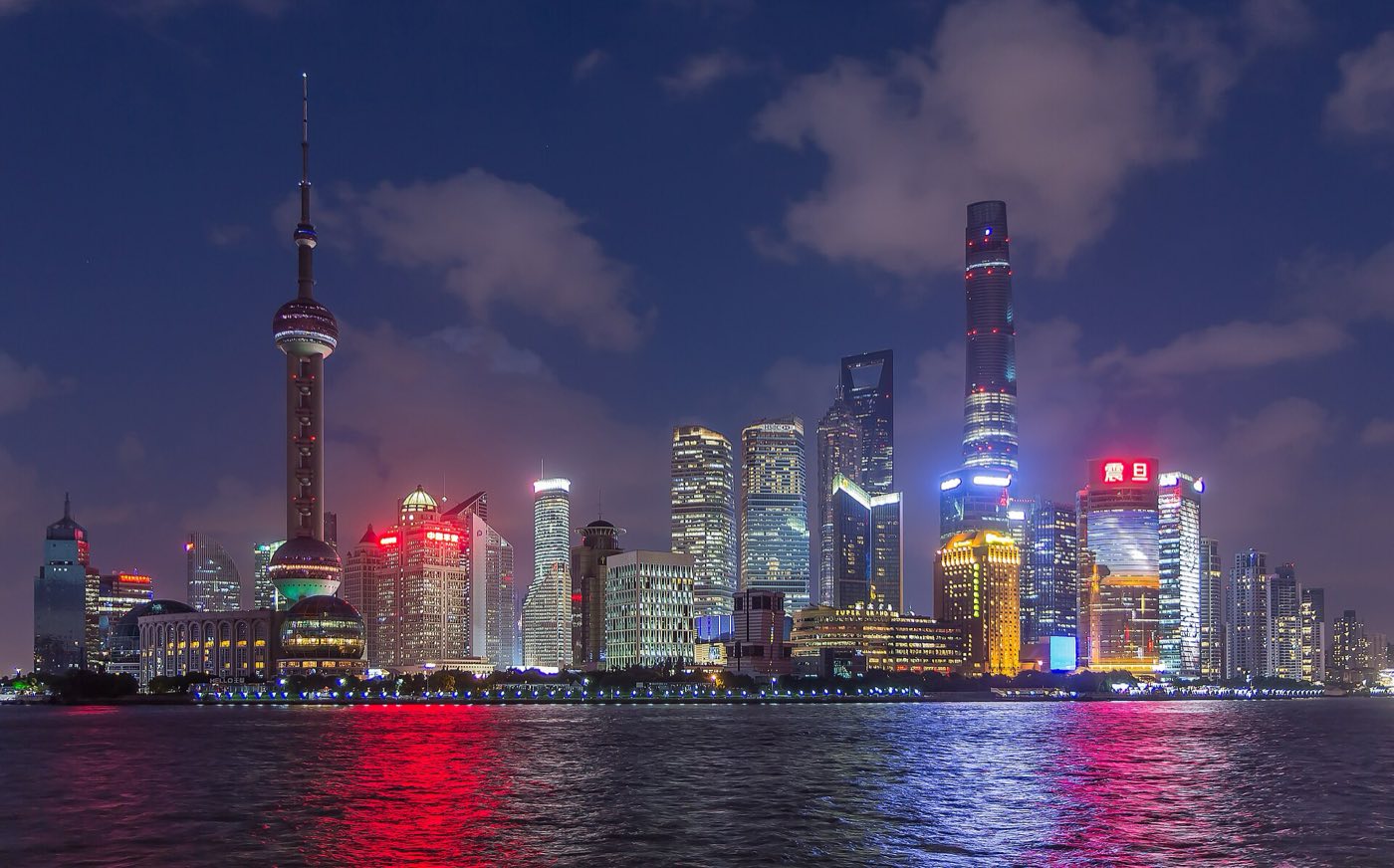
The Bund is the stretch of colonial-era banks and trading houses along the west bank of the Huangpu River, facing Pudong's skyline across the water — stand here at dusk and you get both centuries at once. Walk it from Yan'an Road north to Waibaidu Bridge, then take a metro to Shanxi Road South and wander the French Concession, the old treaty-port neighborhood of plane-tree-lined streets, art-deco mansions, wine bars, and independent boutiques. Tianzifang's lanes get touristy; push into Wukang Road or Anfu Road for the better cafés.
Zhangjiajie National Forest Park
The sandstone pillars that inspired the floating mountains in Avatar are real, and they are in Hunan province about two hours by plane from Shanghai. Thousands of quartz columns rise vertically from a forested valley floor, wrapped in mist for a good part of most mornings. The park is large enough to need two full days — take the Bailong Elevator up to Yuanjiajie for the main viewpoints, spend the second day on the quieter trails of Yangjiajie, and add the Grand Canyon glass bridge if heights do not bother you.
Chengdu giant panda breeding center
Half an hour north of Chengdu, the research base houses around a hundred giant pandas and several dozen red pandas across a set of bamboo-forested enclosures. Arrive at opening — 7:30 in the morning — because pandas are most active during their first feeding and tend to sleep through the afternoon. Pair it with a night of hot pot on Jinli Street, a Sichuan opera with face-changing, and a morning at Wenshu Monastery's teahouse, and Chengdu earns its reputation as the most livable of the big Chinese cities.
Potala Palace in Lhasa, Tibet
The winter palace of the Dalai Lamas from the seventeenth century until 1959 rises thirteen stories above Lhasa on the Red Hill, its white and red walls visible from every quarter of the old city. Visits require a Tibet Travel Permit arranged in advance through a licensed agency, and entry is timed to a one-hour window — go early in the trip before altitude sickness sets in. Pair it with Jokhang Temple in the Barkhor, where pilgrims prostrate around the kora circuit, for the pulse of Tibetan Buddhism as it is practiced now.
When to Go
April to May and September to October are the stretches to aim for: mild temperatures, clearer skies, and the autumn light particularly good along the Great Wall and through the karst country. Avoid the first week of October (Golden Week) when domestic tourism packs every site to capacity, and the Lunar New Year window in late January or February when trains and hotels sell out nationwide. Summer is workable but hot and humid in the south, and Beijing's air quality is usually at its worst in winter, though the Forbidden City in snow is worth the cold if you time it right.
Getting Around
The high-speed rail network is the single best reason to travel overland in China — Beijing to Shanghai in under five hours, Xi'an to Chengdu in four, Guangzhou to Hong Kong in under an hour. Book through the 12306 app or Trip.com and bring your passport to collect tickets at the station. Domestic flights fill the gaps to Tibet, Xinjiang, and the far southwest. Within cities, metros are clean, cheap, and signed bilingually in all major hubs, and DiDi (the Chinese Uber) handles the rest. Install an offline translation app before you land — English signage drops off sharply outside the biggest tourist routes.
Cost & Currency
China uses the renminbi (CNY), and urban travel is cheaper than most travelers expect: a bowl of noodles for 15–30 yuan, a sit-down dinner for two with beer for 150–250 yuan, a mid-range hotel room in Beijing or Shanghai for 400–700 yuan a night. High-speed rail tickets run 400–900 yuan on the main trunk routes. Mobile payment — WeChat Pay or Alipay — is near-universal and cash is increasingly awkward; link a foreign card to either app before arrival or pick up a prepaid tourist card at the airport. Tipping is not customary in mainland China and in many places will be actively refused.
Frequently Asked Questions
- Do I need a visa to travel to China?
- Most travelers need a tourist visa arranged before arrival through a Chinese consulate or visa center, and the process usually takes two to four weeks. A growing list of cities — Beijing, Shanghai, Chengdu, Xi'an, and more — offer 144-hour transit visa-free entry if you are connecting to a third country; check current rules for your passport before booking.
- Will I need a VPN?
- Yes if you want to use Google, Gmail, Instagram, WhatsApp, Facebook, or most Western news sites, all of which are blocked behind the Great Firewall. Install a reputable VPN on your phone and laptop before you arrive — download links are often blocked once you are in China. ExpressVPN and Astrill are the two most reliable options at the time of writing.
- How hard is it to get around without speaking Mandarin?
- Manageable in the big cities with a translation app, much harder once you leave them. Download Pleco and Google Translate with offline Chinese before you arrive, screenshot your hotel address in characters to show taxi drivers, and budget extra time for getting lost. English signage is reliable on metros and at major sights but fades quickly elsewhere.
- Is tap water safe to drink?
- No — do not drink tap water anywhere in mainland China. Locals boil water or drink bottled, and every hotel room provides either a kettle or bottled supplies. Filling a reusable bottle from a boiled kettle is the standard travel approach and cuts down on plastic waste. Ice in major restaurants and chain hotels is generally fine.
- How do I pay for things without cash?
- WeChat Pay and Alipay run essentially the entire domestic economy, from taxis to street food carts. Both apps now allow foreign visitors to link an international credit card and pay directly; set this up before you arrive if possible. Keep a few hundred yuan in cash as backup for older vendors and rural areas, but you will use it less than you think.
Plan a Trip to China
Have you been to China?
Track 195 countries, 50 states & 63 national parks on your map