Bahrain
- Capital
- Manama
- Population
- 1.5M
- Currency
- BHD
- Languages
- Arabic
Overview
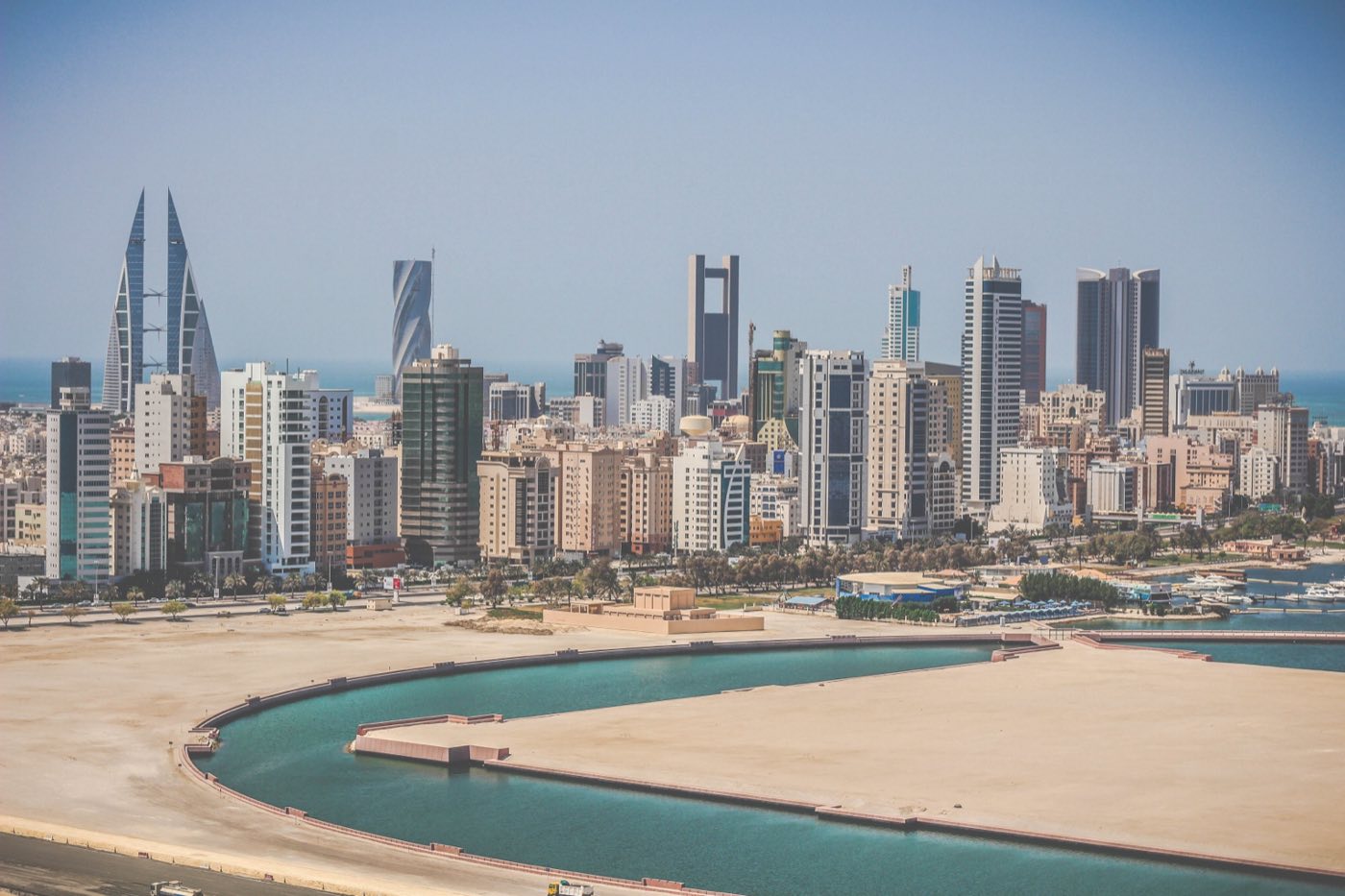
A small island kingdom in the Persian Gulf where ancient burial mounds and a pearl-diving heritage sit alongside gleaming modern skylines. Travelers come for the atmospheric Manama Souk, Formula 1 racing, and some of the Gulf's most welcoming hospitality. Bahrain is small — about 780 square kilometers across a cluster of flat islands — and that compactness is part of what makes a short visit work. You can land in the morning, be drinking cardamom coffee in a souk alley by lunchtime, and stand on the ramparts of a 3,000-year-old fort looking out at the Gulf before dinner. The heat in the middle of the day can be serious, so trips tend to settle into a rhythm: explore in the cool hours, retreat to a hotel or a shaded café when the sun is at its worst, and come back out as the call to prayer rolls over the city at dusk. What distinguishes Bahrain from its Gulf neighbors is a more relaxed register. It is smaller, less flashy than Dubai, more liberal than Saudi Arabia across the causeway, and has a deeper archaeological record than most of the peninsula — people have been trading and burying their dead on these islands for five thousand years. Travelers who come here tend to be on business, transiting through on a stopover, or deliberately seeking a quieter Gulf experience. A long weekend gets you the fort, the mosque, the souk, a race at the Formula 1 circuit if the timing aligns, and dinner on the water in Muharraq — which is a surprisingly full itinerary for an island you can drive across in an hour.
Things to Do
Bahrain Fort (Qal'at al-Bahrain) UNESCO site
A sandy-gold Portuguese fort sits on top of an artificial tell that contains layered remains of the ancient Dilmun civilization, going back to around 2300 BC. You can walk the upper ramparts for a view across to the Manama skyline, then visit the excellent on-site museum to see what came out of the tell below. Come at golden hour, when the walls take on a honeyed glow and the wind off the water is finally tolerable.
Bahrain National Museum
One of the best museums on the Arabian Peninsula, telling the story of the islands from the Dilmun burial mounds to pearl diving to oil. The hall of burial-mound reconstructions is quietly extraordinary — Bahrain was once ringed by more than a hundred thousand of these stone tumuli, among the densest prehistoric cemeteries in the world. Budget two hours and skip the midday heat by being inside for it.
Al Fateh Grand Mosque
The country's largest mosque, roofed with a 60-ton fiberglass dome and trimmed in Italian marble and Indian teak. Non-Muslim visitors are welcome outside prayer times and can join a free guided tour — women are given an abaya at the door. The guides are patient, knowledgeable, and clearly glad you came; this is one of the friendliest introductions to Islamic architecture you'll get anywhere in the Gulf.
Bahrain International Circuit (Formula 1)
The Sakhir circuit hosts the Bahrain Grand Prix each March and operates the rest of the year as a working track where you can book passenger laps in a race-prepped Aston Martin or drive a single-seater yourself. Even on a non-event day, the tower tour and the paddock are worth an afternoon for racing fans. Book ahead; drive experiences are not cheap and popular slots fill weeks out.
Manama Souq and Gold Souq
The old souk threads out from Bab al-Bahrain gate through narrow lanes of perfume stalls, spice mountains, and tailors bent over sewing machines. The adjacent Gold Souk is where locals come to buy wedding sets, sold by weight at the posted daily price — the bargaining is largely over the craftsmanship, not the gold itself. Go late afternoon when the stalls reopen after the midday break.
Tree of Life in the desert
A single mesquite tree, roughly 400 years old, growing out of a rise of sand on the edge of the southern desert with no visible water source for kilometers in any direction. It is exactly as strange in person as it sounds — a lone green canopy, a small viewing area, and a lot of open desert. Visit near sunset, bring water, and accept that the appeal is partly the improbability of it.
Muharraq's pearl diving trail
A UNESCO-listed walking route through the old pearl-diving quarter on Muharraq island, threading restored coral-stone merchant houses, the oyster-bed remnants, and the homes of the divers and nakhoda captains who ran the industry before Japanese cultured pearls crashed it in the 1930s. Interpretive signs are bilingual, and stopping for karak tea at a neighborhood café along the way is part of the walk.
When to Go
November through March brings cooler, comfortable temperatures ideal for exploring outdoors — daytime highs in the low 20s Celsius, clear skies, and the Formula 1 Grand Prix in early March. Summers from June to September are extremely hot and humid, with temperatures routinely topping 40°C and humidity off the Gulf making midday outdoor visits genuinely uncomfortable. Ramadan shifts restaurant hours and daytime eating is not done in public during fasting, which is worth planning around if your trip falls in that window.
Getting Around
Bahrain is small enough that a rental car is the easiest way to move around — roads are good, signage is bilingual Arabic/English, and you can drive from the airport on Muharraq to the Tree of Life in under an hour. Ride-hailing through Careem and Uber works well across Manama and is cheap by Gulf standards. Taxis exist but agreeing on a fare up front is usually simpler than trusting the meter. There is no metro. Driving yourself is the right call for day trips to the fort, the circuit, and Saar burial fields; a taxi or driver makes more sense inside central Manama.
Cost & Currency
Bahrain uses the Bahraini dinar (BHD), one of the world's strongest currencies — one dinar is worth roughly 2.65 US dollars, so prices look deceptively low on menus until you multiply. It is cheaper than Dubai but not a budget destination: expect 2–3 BHD for a karak tea and pastry, 8–15 BHD for a good sit-down lunch, and 40–80 BHD a night for a mid-range hotel room. Cards are accepted everywhere except the smallest souk stalls and some taxis. Tipping 10% in restaurants is standard and appreciated; small bills for porters and drivers help.
Frequently Asked Questions
- Do I need a visa to visit Bahrain?
- Citizens of the US, UK, EU, Canada, Australia, and many other countries can apply for an e-visa online or get a visa on arrival for stays of 14 to 90 days. The e-visa is slightly cheaper and faster at immigration; you'll need a valid passport with six months remaining and a hotel booking.
- Is Bahrain safe for travelers?
- Bahrain is generally very safe with low violent crime and a visible police presence. Occasional political protests happen in certain Shia-majority villages outside Manama — avoid those specific flashpoints and check current advisories before visiting. Road accidents are the most realistic risk for visitors.
- Can I drink alcohol in Bahrain?
- Yes — unlike neighboring Saudi Arabia, Bahrain permits alcohol in licensed hotels, restaurants, and bars, and there are dedicated liquor stores where residents can buy to take home. Drinking or being drunk in public spaces is not acceptable and can result in fines or detention.
- How long should I plan to stay?
- Two to three full days is enough to cover the main sights — the fort, the National Museum, the Grand Mosque, Manama Souq, and the Tree of Life, with time for a good meal in Muharraq. Extending to four or five days makes sense if you want to catch a Formula 1 weekend or relax at a beach resort.
- What should women travelers wear?
- Bahrain is one of the more relaxed Gulf countries on dress, and women are not required to cover their hair in public. Modest clothing — shoulders covered, skirts or trousers below the knee — is respectful in souks and traditional neighborhoods; hotel pools, beaches, and upscale restaurants are fine for regular swim and evening wear.
Plan a Trip to Bahrain
Have you been to Bahrain?
Track 195 countries, 50 states & 63 national parks on your map