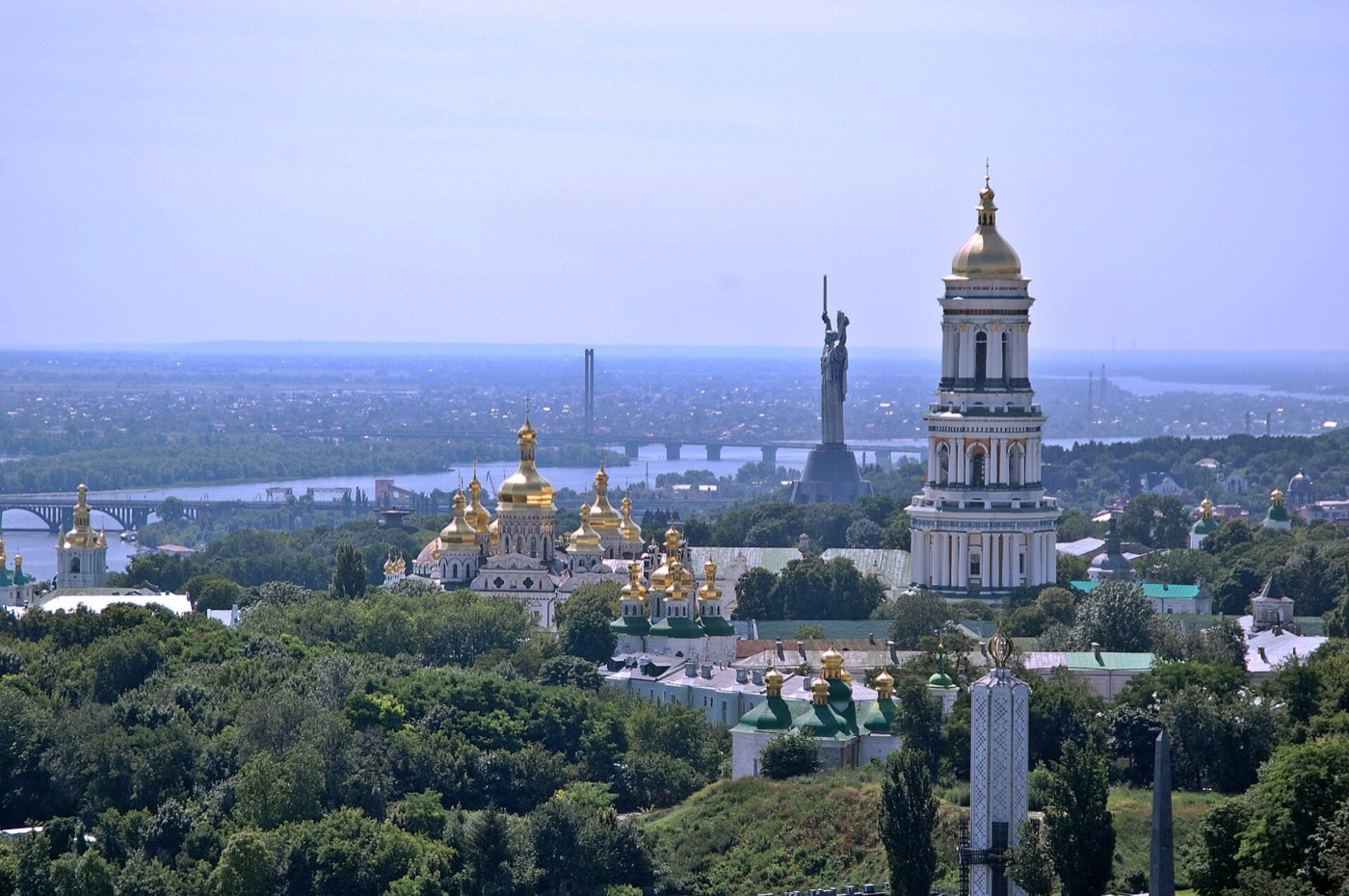
Ukraine
- Capital
- Kyiv
- Population
- 37.9M
- Currency
- UAH
- Languages
- Ukrainian
Overview
Ukraine is a vast Eastern European country of golden-domed Orthodox cathedrals, fertile black-earth steppe, baroque old towns, and a cultural identity that has been asserted with extraordinary tenacity across a thousand years. Before February 2022 it was a steadily growing destination — Lviv for its coffeehouses and cobblestones, Kyiv for its monasteries and nightlife, Odessa for its Black Sea summers, the Carpathians for hiking — and one of Europe's best travel values. That country is at war. Russia's full-scale invasion shattered ordinary tourism overnight, and the governments of the US, UK, EU, and most other countries advise against all travel. Air traffic is closed. Missile and drone strikes continue to reach cities hundreds of kilometers from the front, including Kyiv and Lviv. Fuel, water, and power are periodically disrupted. Areas of the east and south are under occupation or active combat. Some historic sites — the caves of Kyiv Pechersk Lavra, Lviv's old town, the wooden churches of the Carpathians — are protected and still stand, but most are not accessible to visitors. What you can do from outside is meaningful. Ukrainian tourism associations, humanitarian organizations, and cultural institutions all have channels for direct support. A small number of journalists, aid workers, and volunteers enter the country under carefully managed arrangements — this is not tourism and should not be framed as such. The country and its people will welcome travelers again when it is safe. The question of when is not yours or mine to answer; it is decided on a front line and in negotiating rooms. Until then, follow reputable Ukrainian voices, give where you can, and hold the idea of returning somewhere real.
Things to Do
Kyiv Pechersk Lavra monastery caves
Founded in 1051 and one of the holiest sites of Eastern Orthodoxy, the Lavra is a hillside complex of gold-domed churches and underground cave tunnels holding the mummified remains of medieval monks. It remains one of Ukraine's most important cultural landmarks and is protected by UNESCO. Pilgrims still visit when security allows, carrying candles through the narrow passages. Travel for outside visitors is effectively paused while the war continues — the site is on any future itinerary when Kyiv reopens to tourism.
St. Sophia's Cathedral in Kyiv
Built in the 11th century during Kyivan Rus, St. Sophia holds the largest surviving ensemble of Byzantine mosaics and frescoes outside Istanbul — the Orans Virgin above the altar, among them. Staff continued working through the opening months of the invasion to protect the interior with sandbags and scaffolding, and the cathedral has so far remained undamaged. It stands, for now, as both a place of worship and a symbol of cultural continuity that predates any modern border.
Lviv's UNESCO old town and coffee culture
Lviv, in the far west, was until the invasion one of Europe's best-kept travel secrets — a baroque old town of cobbled squares, coffeehouses with their own micro-roasteries, and a Habsburg-era pharmacy museum in a working chemist's shop. The city has sheltered hundreds of thousands of internally displaced Ukrainians and is physically further from the front than most of the country, though it has still been hit by missile strikes. When travel resumes, Lviv is likely to be the first stop most visitors make.
Chernobyl Exclusion Zone tours
The abandoned city of Pripyat, the sarcophagus over Reactor Four, and the surrounding forest that has reclaimed 1,000 square kilometers of contaminated land were, until 2022, one of the most unusual day-trip experiences in Europe. Russian forces briefly occupied the zone in the opening weeks of the war, raising contamination levels through vehicle movement, and tours have not resumed. The future of access depends on the course of the conflict and the safety of the surrounding infrastructure.
Odessa's Potemkin Steps and beach culture
Odessa's 192-step staircase sweeping down to the Black Sea is a landmark of Eisenstein's 1925 film and of Russian and Ukrainian literature alike. The city's historic center — Italian, Greek, Jewish, and Ukrainian layers threaded through — was granted UNESCO emergency protection in 2023. Odessa has been repeatedly attacked by missile and drone strikes aimed at its port; the cathedral and opera house have both taken damage. The beaches are mined. Any return will come slowly.
Kamianets-Podilskyi castle on a canyon island
Deep in western Ukraine, Kamianets-Podilskyi's medieval castle sits on a rock island carved out by a tight bend in the Smotrych River, surrounded by sheer limestone walls on three sides. The old town above has survived Turkish, Polish, and Russian empires and the present invasion largely intact — its distance from the front has protected it. Hot-air ballooning over the canyon is one of the more memorable things you can do in Ukraine during peacetime.
Carpathian Mountains hiking and wooden churches
The Ukrainian Carpathians in the far west offer forested ridges, shepherd culture in villages like Dzembronya and Kryvorivnya, and a chain of UNESCO-listed wooden Orthodox churches — some five centuries old, built without nails. Regional tourism continued in a limited way through the first years of the war as internal displacement moved people west. Foreign travel advisories still apply, but the Carpathians will likely be an early area for international visitors when borders fully reopen.
When to Go
The honest answer for 2026 is: not yet, unless you are traveling in a humanitarian or professional capacity with organizations that have the structures and insurance to support you. When the country reopens to leisure travel, May through September has historically been the window — warm weather for the Carpathians, long evenings in Lviv's outdoor cafés, Black Sea beach season in Odessa. Autumn light over Kyiv's churches and the Carpathian forests turning red in October would be the other obvious recommendation. Hold those seasons in your head for a future visit.
Getting Around
As of 2026 Ukrainian airspace remains closed to civil aviation. Humanitarian and journalist travel enters overland, most commonly by train from Poland — Ukrainian Railways have continued operating an impressive long-distance service throughout the war, including the iconic overnight sleeper from Przemyśl to Kyiv. Road borders with Poland, Slovakia, Hungary, Romania, and Moldova remain open, with long waits possible. Inside the country trains are the safest and most reliable option; buses and marshrutkas fill gaps. Movement in certain oblasts near the front is restricted. None of this is set up for tourism and should not be approached as such.
Cost & Currency
Ukraine uses the hryvnia (UAH), which has fluctuated under wartime pressure but remained broadly functional. Before the invasion Ukraine was one of Europe's most affordable destinations — a good meal for under US$10, a comfortable hotel room for US$40–$80, excellent public transport fares. Those price points will not be immediately recoverable; infrastructure rebuilding, insurance costs, and a tightened currency regime will push early post-war travel costs higher. Card payments remained widespread through the war's early stages but cash reserves in dollars or euros are still recommended for any future travel, held in small bills for border areas.
Frequently Asked Questions
- Can tourists travel to Ukraine right now?
- Governments including the US, UK, and most EU states advise against all travel to Ukraine. Commercial flights do not operate. Travel insurance for leisure visits is not available from most providers. A small number of journalists, aid workers, and volunteers enter the country under managed arrangements with established organizations — this is not the same as tourism. Wait for official advice to change before planning a leisure trip.
- How can I support Ukraine from outside the country?
- Reputable channels include the official United24 fundraising platform set up by the Ukrainian government, international NGOs like the International Rescue Committee and World Central Kitchen, and cultural organizations such as the Ukrainian Institute. Direct donations to individual Ukrainian volunteer groups are also possible but require more care in vetting. Sharing Ukrainian cultural output and voices online is a small but genuine form of support.
- Are any Ukrainian cultural sites still accessible?
- Many major sites in Kyiv, Lviv, and the western regions are physically still standing and occasionally open for local visitors, with staff working through difficult conditions. They are not safely accessible for foreign leisure travel. Some museums have moved their most valuable collections into protected storage or sent pieces to partner institutions abroad — a few traveling exhibitions have toured Europe and North America during the war.
- Will Ukraine welcome tourists again after the war?
- Yes. Ukrainian tourism bodies have already signaled plans for significant post-war promotion, and the country's infrastructure for visitors — trains, language coverage, guided tour operators, restored historic quarters — was strong before 2022 and will be rebuilt. Expect a staged reopening starting with the western regions and Kyiv, with border and coastal areas returning more slowly. Plan with patience and check official Ukrainian government tourism channels when they resume promotional activity.
- What about visiting neighboring countries for a Eastern European trip?
- Poland, Slovakia, Hungary, and Romania are all fully open to tourism and offer their own substantial historical and cultural depth — Krakow, Budapest, and Sibiu are comparable in many ways to the Ukrainian cities currently inaccessible. Moldova is also accessible and quietly interesting. Visiting these countries and learning about the region is one reasonable way to stay engaged with Eastern European travel while Ukraine itself waits.
Plan a Trip to Ukraine
Have you been to Ukraine?
Track 195 countries, 50 states & 63 national parks on your map