Belarus
- Capital
- Minsk
- Population
- 9.4M
- Currency
- BYN
- Languages
- Belarusian, Russian
Overview
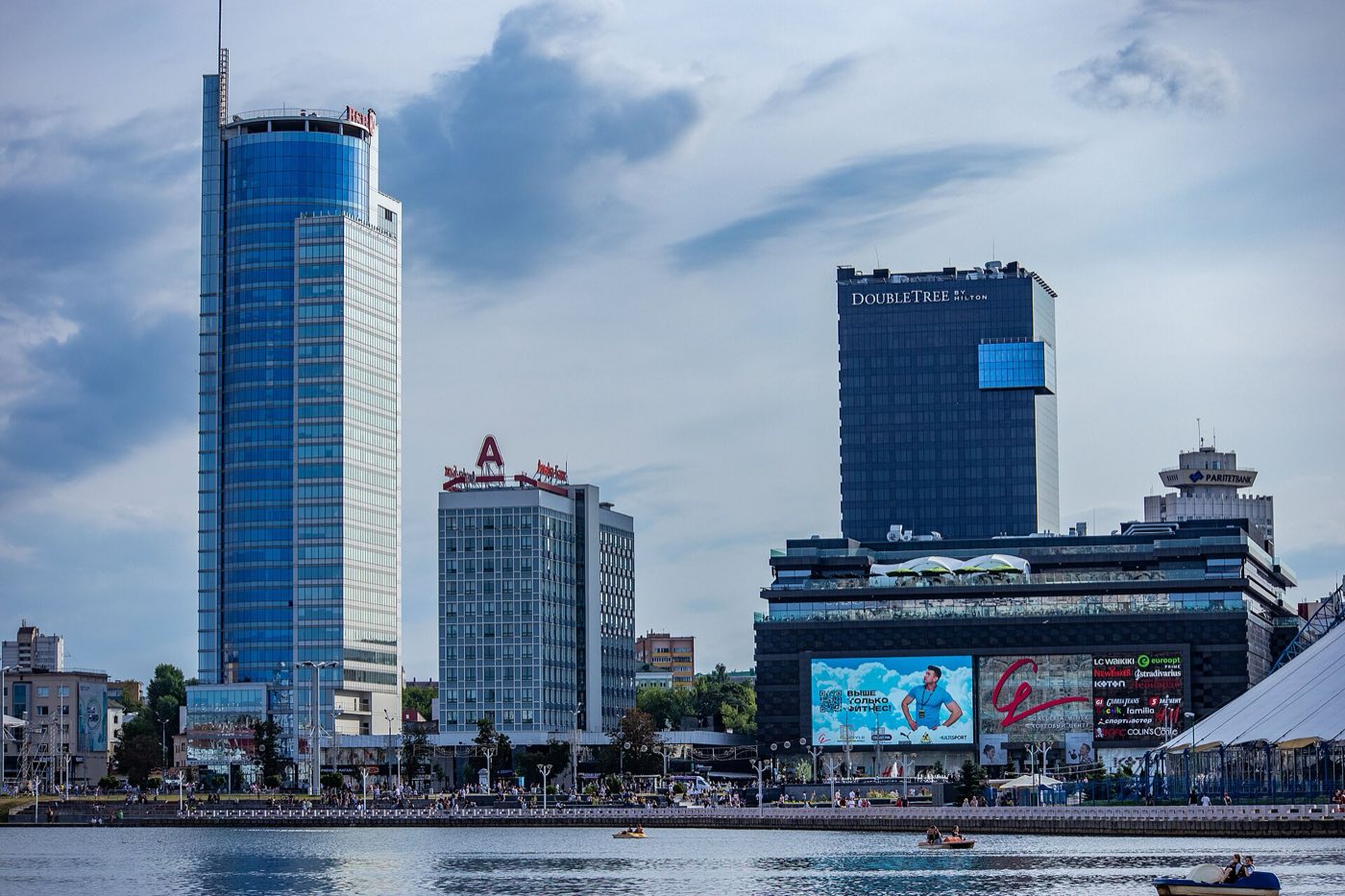
A landlocked Eastern European nation of dense primeval forests, Soviet-era architecture, and deeply authentic local culture. Visitors come for Białowieża Forest's European bison, Mir and Nesvizh castles, and a capital city largely unchanged by commercialization. Arriving feels like stepping into a place that opted out of the last thirty years of tourism development. Minsk's central avenues are wide, monumental, and spotlessly clean — you can walk them at ten at night and pass almost no one except young couples heading home from a concert. The metro runs on time, the cafes are cheap, and the Soviet-era mosaics are still in place on the sides of the bus stations. Outside the capital, two-lane roads run straight through pine forest for an hour at a stretch. This is a country for travelers who want Eastern Europe without the crowds that now define Prague or Krakow — and who are willing to navigate a visa process, a government travel advisory that has tightened since 2020, and a payment landscape where Western cards often do not work. Go with patience, a guide who can handle logistics, and an interest in the places history has left relatively alone.
Things to Do
Belovezhskaya Pushcha (Białowieża) primeval forest
The last scrap of the lowland forest that once covered most of Europe sits on the Polish border, and it is the only place on the continent where you still have a real chance of crossing paths with a wild European bison. You can walk or cycle marked trails, visit the small on-site zoo where rescued animals are kept, and stay in guesthouses in the village of Kamyanyuki. Early morning in spring is when the forest feels most like what it is: ancient, quiet, full of things you can hear but not see.
Mir Castle UNESCO site
A red-brick Gothic-Renaissance-Baroque castle on a small lake about two hours west of Minsk, Mir was restored in the 1990s and now houses a museum of the Radziwiłł family who held it for centuries. Walk the ramparts, climb the towers, and eat lunch at the cafe built into the outer wall. In winter the lake freezes and the castle reflects against snow in a way that makes the drive worth it on its own.
Nesvizh Palace and park complex
Twenty minutes down the road from Mir, Nesvizh is the grander of the two — a full residential palace built up over four hundred years by the same Radziwiłł family, surrounded by formal gardens, a lake system, and a Corpus Christi church that holds the family crypt. The interior rooms have been restored room by room and it takes a couple of hours to do them properly. Pair it with Mir in a single day trip from Minsk.
Minsk's Soviet-era architecture along Independence Avenue
The capital was rebuilt almost from scratch after 1945, and the fifteen-kilometer sweep of Independence Avenue is the clearest piece of Stalinist urban planning you can walk anywhere. Columned government blocks, wide squares, the KGB building still labeled in Cyrillic — it is monumental, slightly eerie, and extraordinary on a clear evening. Start at Victory Square and walk west toward the National Library for the full effect.
Brest Fortress memorial
On the Polish border in the west of the country, the Brest Fortress was one of the first Soviet positions attacked in June 1941, and its defenders held out for weeks against overwhelming odds. The site today is preserved as a war memorial with the enormous Courage sculpture carved into the ruins, an eternal flame, and a museum of artifacts from the siege. It is heavy going but central to how Belarusians understand their twentieth century.
Braslav Lakes National Park
A chain of more than thirty glacial lakes in the far north near the Latvian border, Braslav is where Minsk residents drive for a weekend of swimming, fishing, and quiet canoe paddling through pine forest. There are simple guesthouses and campsites around the main lake, and the small town of Braslav itself has a hilltop viewpoint that takes in half the park. Summer is the season; the lakes freeze solid from December through March.
Dudutki folk museum and crafts
An open-air museum forty minutes south of Minsk built around a working village of reconstructed wooden houses, a windmill, a blacksmith, a pottery, and a distillery that still makes samahonka the old way. Craftsmen work on-site and you can try your hand at forging a nail or throwing a pot. It is the easiest day out from the capital if you want to see how rural Belarus actually lived before the collectivizations of the 1930s.
When to Go
May to September for warm weather and long days exploring forests and castles. Winters from December to February are cold and snowy but atmospheric for seeing Mir Castle draped in white. July is the peak of summer festival season in Minsk and the warmest stretch for swimming in the Braslav Lakes, while September brings mushroom season in the forests and the first real color in the birches — a genuinely beautiful few weeks if you can time it. April is still brown and cold; plan around that.
Getting Around
Belarus has one of the better-run rail networks in the region — Minsk is the hub, with fast trains to Brest, Grodno, and Vitebsk and slower regional services to everywhere else. Long-distance buses fill in the gaps to smaller towns and often run on time. Minsk's metro is cheap, clean, and easy to use with a tap-in token; taxis are inexpensive via the Yandex Go app. Renting a car is straightforward for visiting Mir, Nesvizh, and the lakes, though signage outside cities is mostly in Cyrillic. Border crossings are strict — always have your passport and visa paperwork on hand, including at internal checkpoints around Brest.
Cost & Currency
The local currency is the Belarusian ruble (BYN), and you should assume Western credit and debit cards will not work reliably — Visa and Mastercard have been intermittently cut off since 2022, and even when they do work, many smaller venues take cash only. Bring euros or dollars to change at bank counters in Minsk. Prices on the ground are low: a sit-down lunch with a drink runs 15–25 BYN, a comfortable mid-range hotel room in Minsk 150–250 BYN, and the metro is under a ruble per ride. Tipping is 10% at restaurants and appreciated but not required; cafes do not expect it.
Frequently Asked Questions
- Do I need a visa to visit Belarus?
- Most Western travelers do need a visa, which must be arranged in advance through a Belarusian embassy — the short-term visa-free arrival via Minsk airport that existed before 2022 has been tightened and is not currently reliable. Expect to submit an invitation letter, insurance, and proof of accommodation, and allow several weeks for processing.
- Is it safe to travel to Belarus right now?
- The US, UK, and most EU governments advise against travel to Belarus due to the risk of arbitrary arrest, especially since 2020, and warn that consular support is extremely limited. Day-to-day street crime is low, but the political environment means foreigners should avoid any form of protest activity, carry documents at all times, and follow the guidance of a local fixer.
- Will my credit card work in Belarus?
- Often not — Visa and Mastercard transactions have been intermittently suspended since 2022, and even when they work, many shops, guesthouses, and restaurants outside Minsk are cash-only. Bring euros or dollars to change at bank counters, withdraw cash at ATMs that accept international cards when you can, and keep a reserve for emergencies.
- How do I get into Belarus?
- Flights into Minsk National Airport are limited after 2022, with the main carrier Belavia mostly routing through Moscow, Istanbul, or Dubai; most Western airlines no longer serve Minsk directly. The overland train from Moscow is reliable, and buses from Vilnius and Warsaw cross the border when relations allow, though wait times at the Polish border can run six to twelve hours.
- Do people speak English in Belarus?
- In Minsk, younger staff at hotels and cafes speak some English, but outside the capital you will need Russian — or Belarusian — to get by for anything beyond basics. Street signs and metro announcements are in Cyrillic, so having a translation app and a few written addresses in Russian will make the whole trip smoother.
Plan a Trip to Belarus
Have you been to Belarus?
Track 195 countries, 50 states & 63 national parks on your map