Andorra
- Capital
- Andorra la Vella
- Population
- 80K
- Currency
- EUR
- Languages
- Catalan
Overview
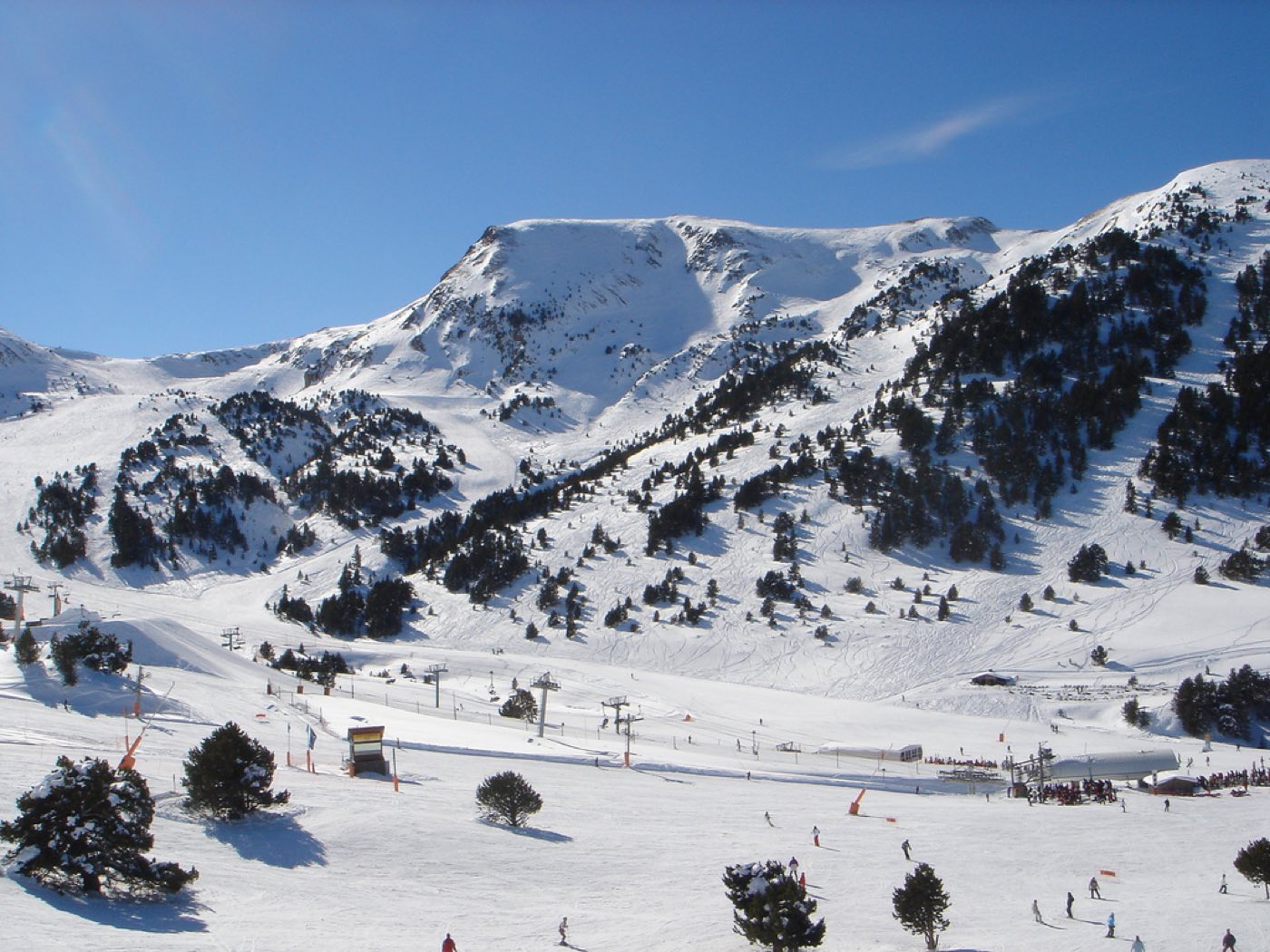
High in the Pyrenees between France and Spain, this tiny principality offers some of Europe's best ski terrain and tax-free shopping. Visitors come for world-class slopes, mountain villages that have kept their Romanesque churches intact for a thousand years, and outdoor adventure that switches easily between winter and summer modes. The country is roughly 180 square miles and you can drive from the French border to the Spanish one in under an hour, but the scenery works hard in that distance. Steep pine-forested slopes rise on either side of a single valley that holds most of the towns, and Andorra la Vella — Europe's highest capital at around 1,000 meters — sits compactly between them. On arrival you'll notice two things: the volume of cars with French and Spanish plates headed in, usually loaded with people looking for cheaper perfume or a ski weekend, and how Catalan the place is culturally, right down to the language. Andorra rewards travelers who want Alps-quality mountains at Pyrenean prices, who don't need a big city to anchor a trip, and who are happy to pair skiing or hiking with long, unhurried lunches. It's also one of the simplest places in Europe to visit — no visa required for most Western travelers, no border checks if you're driving in from Spain or France, and a tourist office that will help you sort a lift pass and a thermal-spa session in one stop.
Things to Do
Grandvalira ski resort
The largest ski area in the Pyrenees links six sectors across 210 kilometers of pistes, from gentle beginner slopes at Canillo to steep off-piste terrain above Grau Roig. The lift network is recent enough to move you between valleys without much queuing even in February, the snow reliably covers the higher sectors from December through April, and a day pass runs roughly half what you'd pay in the French Alps for comparable terrain.
Caldea thermal spa complex
A spiky glass tower at the north end of Andorra la Vella houses southern Europe's largest thermal spa — hot pools, outdoor terraces with valley views, an Inuit-themed cold circuit, and a higher-priced adults-only Inúu section if you'd like to avoid the weekend families. Three hours inside on a winter afternoon is the correct recovery from a morning on the slopes.
Madriu-Perafita-Claror Valley UNESCO site
A glacial valley that covers roughly a tenth of the country and has never been accessible by car, the Madriu holds stone herders' cabins, restored irrigation canals, and a network of walking trails up to the pasture lakes at its head. A two-day trek from Escaldes-Engordany to the refuge at Fontverd and back gives you the best of it; day-trippers can do the first few hours and turn around.
Vallnord ski area
Smaller and less crowded than Grandvalira, Vallnord covers Pal-Arinsal and Ordino-Arcalís in the northwest of the country, with north-facing slopes that hold snow late into the season. Arcalís in particular is a favorite of freeriders for its off-piste terrain and of families for its gentle lower pistes. The ski-in village at Pal is a pleasant base if you'd rather not drive daily.
Sant Joan de Caselles Romanesque church
A small 11th-century stone church on the outskirts of Canillo, with a square bell tower, a restored wooden-panel altarpiece, and fragments of 12th-century frescoes on its interior walls. It's one of the best-preserved of the couple dozen Romanesque churches scattered through Andorra's valleys; pair it with the larger Sant Romà de les Bons nearby for a self-guided afternoon of the country's medieval heritage.
Andorra la Vella duty-free shopping
The capital's pedestrianized Avinguda Meritxell runs for about a kilometer and is wall-to-wall with electronics, perfume, liquor, and ski-gear outlets taking advantage of Andorra's low VAT. Whether this is a highlight or a thing to avoid is a matter of taste, but if you're driving down from France or up from Spain, it's the traditional reason half your fellow drivers are on the road.
Coma Pedrosa peak hike
Andorra's highest point at 2,942 meters is a serious but non-technical summer walk — roughly seven or eight hours round-trip from the trailhead above Arinsal, with a night at the Coma Pedrosa refuge an easy option if you'd rather split it. The last section is a scrambly scree slope that opens onto a 360-degree view of the Pyrenees from French side to Spanish. Go in July or August when the snowfields have melted out.
When to Go
December through March is ski season, with the best conditions in January and February — expect lift queues during Spanish and French school holidays. June through September is the walking and mountain-biking window, when the high pastures green up and the refuges open; days are warm, evenings cool, and the country's festival calendar fills with summer music and village fiestas. The shoulder weeks in late April and October are quieter and cheaper but with limited lift and trail access.
Getting Around
Andorra has no airport and no train station, so arrival is by road — buses run several times daily from Barcelona and Toulouse airports (roughly three hours each way), and many visitors drive in from Spain via La Seu d'Urgell or from France via Pas de la Casa. Once you're in, the CG-1 and CG-2 roads link every town worth visiting, and a national bus network connects the ski resorts to Andorra la Vella cheaply. Renting a car gives you the most flexibility, especially for reaching trailheads outside the main valley. Winter tires or chains are mandatory from November to mid-May.
Cost & Currency
Andorra uses the euro despite not being in the EU, and its low VAT regime keeps retail goods — electronics, cosmetics, spirits, and ski equipment — roughly 10–15% cheaper than in France or Spain. Dining and lodging are Pyrenees-average: expect €15–€25 for a mountain lunch, €80–€140 for a three-star hotel room in ski season, a bit less in summer. Cards are accepted everywhere except the smallest village cafés. Tipping is light — round up a bill, leave a couple of euros for attentive table service — and there's no obligation beyond that.
Frequently Asked Questions
- Do I need a visa to visit Andorra?
- No — citizens of the US, UK, EU, Canada, and Australia can enter visa-free. There are no immigration formalities at the Spanish or French borders, but you'll pass through both countries to reach Andorra, so you'll need to meet their Schengen rules on the way in.
- What language is spoken in Andorra?
- Catalan is the official language, and it's what you'll see on road signs and government paperwork. Spanish and French are both widely spoken, and English is common in ski resorts and at tourist-facing businesses in the capital.
- Is Andorra worth visiting if I don't ski?
- Yes — the summer hiking is excellent, the Madriu valley and Coma Pedrosa alone justify a three-day trip, and Caldea and the country's Romanesque churches give you something to do on rest days. Autumn foliage in October is underrated, and the summer festival calendar is busier than you'd expect.
- How do I get to Andorra from the nearest airport?
- Barcelona El Prat is the most common arrival — the direct Andorra Direct Bus or ALSA coaches run several times daily and take about three hours. Toulouse-Blagnac is the French alternative, slightly closer in distance but often slower because of the mountain road approach.
- Can I drive between ski resorts within Andorra?
- Yes, and most visitors do. Grandvalira and Vallnord are roughly 30 to 45 minutes apart by car, and a combined lift pass (Andorra Pass) lets you ski both on the same ticket. In peak weekends, buses are faster than driving because of parking congestion at the base areas.
Plan a Trip to Andorra
Have you been to Andorra?
Track 195 countries, 50 states & 63 national parks on your map