Kosovo
- Capital
- Pristina
- Population
- 1.8M
- Currency
- EUR
- Languages
- Albanian, Serbian
Overview
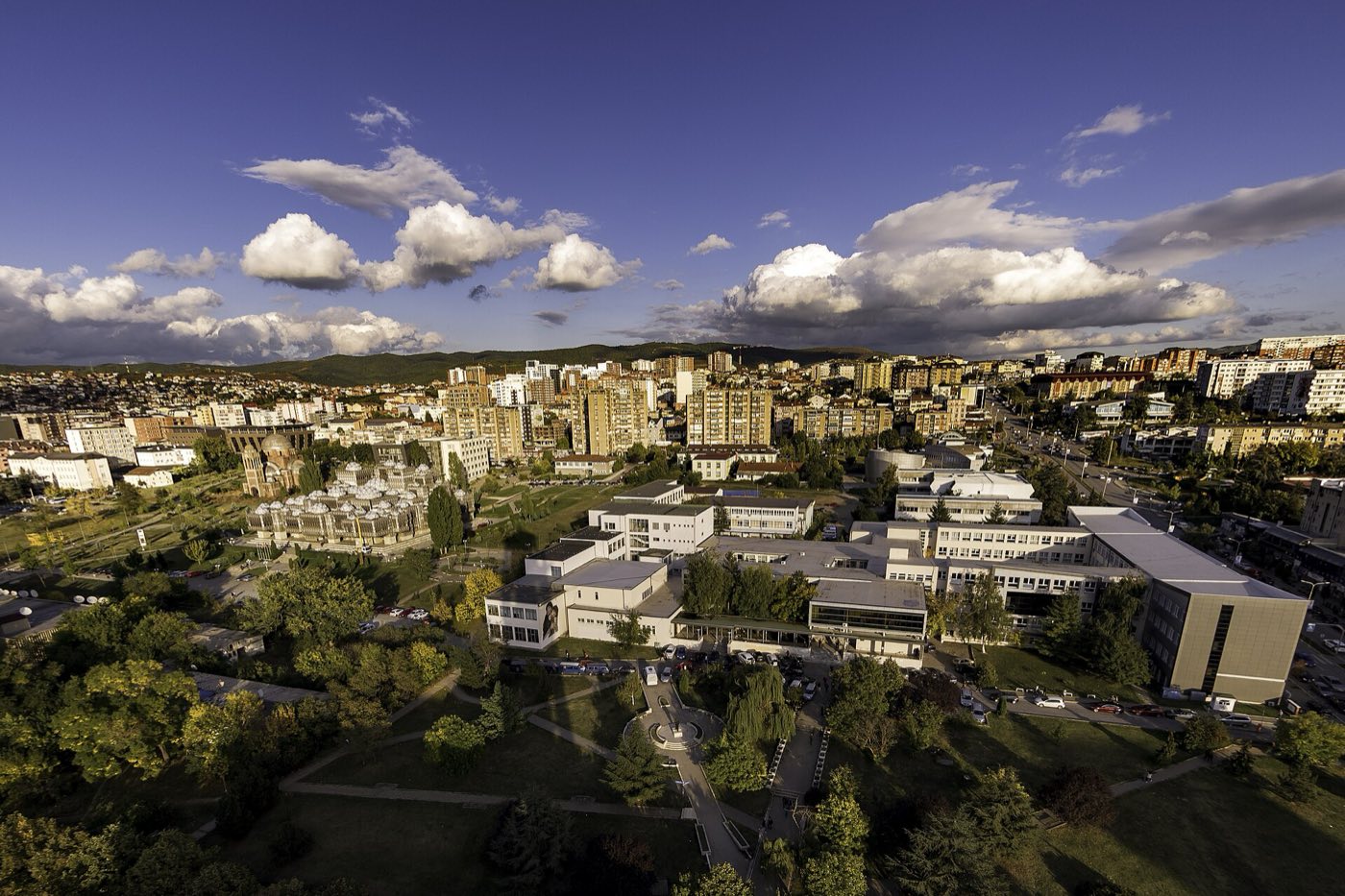
Europe's youngest nation, independent only since 2008, Kosovo is a landlocked Balkan country of Ottoman-era old towns, medieval Serbian Orthodox monasteries tucked into mountain valleys, and a population whose median age is under thirty. It is also one of the last corners of Europe where travel still feels unpackaged — no tour buses clogging the old quarters, prices a fraction of neighboring capitals, and a genuine curiosity from locals about the foreigners who do turn up. What you notice first in Pristina is the pace. Cafés line every street and spill onto terraces year-round, students and young professionals sitting over macchiatos for hours in the afternoon. The capital is not conventionally pretty — a concrete-heavy Yugoslav legacy with a few striking flourishes like the Newborn monument and Mother Teresa Square — but the energy is infectious. Drive an hour in any direction and the country opens up into the snow-capped Sharr Mountains along the Macedonian border, the Rugova Canyon cutting west toward Albania, and the UNESCO-listed monasteries of Dečani and Gračanica, where Byzantine frescoes have survived six centuries of upheaval. Kosovo rewards travelers who like their destinations unguarded and unscripted. Warmth here is genuine and immediate — you will be invited for coffee, offered rakia, and asked about your family within an hour of arrival in any village. The political situation remains sensitive; a handful of countries including Serbia do not recognize Kosovo's statehood, which has practical consequences for some border crossings and for visiting Serbian Orthodox sites, where a local guide smooths the logistics. Five days gives you Pristina, Prizren, and a taste of the mountains; ten days takes in the full loop.
Things to Do
Prizren's Ottoman old town and fortress
In the country's south, Prizren is the most beautiful town in Kosovo — a stone-bridged old quarter beneath a hilltop fortress, with the Sinan Pasha Mosque, the 14th-century Church of Our Lady of Ljeviš, and the Ottoman hammam all within a ten-minute walk. Climb the fortress path at sunset for the view over terracotta roofs and the Bistrica River splitting the town below. August brings DokuFest, one of the best documentary film festivals in southeast Europe, when outdoor screens are set up along the river and the whole town turns into a festival venue.
Visoki Dečani Monastery UNESCO site
In a forested valley outside the western town of Peja, the 14th-century Serbian Orthodox monastery of Dečani holds one of the most complete cycles of medieval Byzantine frescoes in the Balkans — more than 1,000 figures across the interior walls of a church built from pink and cream marble. The monastery is active, protected by KFOR peacekeepers, and entry requires showing ID at the gate, but visitors are welcomed by the monks. Photography inside the church is not permitted; an unhurried hour walking the interior with a guide who can read the frescoes is the right pace.
Pristina's Newborn monument and café scene
The Newborn sculpture — giant yellow letters spelling NEWBORN — was unveiled on the day of independence in 2008 and is repainted each year with a different theme. From there, walk the pedestrianized Mother Teresa Boulevard through the heart of the capital, stopping for coffee at Soma Book Station or Dit' e Nat' where Pristina's intellectual crowd congregates. The Kosovo Museum nearby handles the recent history thoughtfully, and the striking brutalist architecture of the National Library around the corner divides opinion in useful ways.
Gračanica Monastery
On the outskirts of Pristina, Gračanica is another 14th-century Serbian Orthodox monastery listed by UNESCO, its five-domed church among the finest surviving examples of late Byzantine architecture. The frescoes inside are more faded than at Dečani but the overall ensemble — low walls, carved stone, a small active nunnery — has a more intimate scale. The monastery sits in the Serb-majority village of the same name; visiting is straightforward by taxi from Pristina but do it with cultural sensitivity, dress modestly, and follow the nuns' guidance about photography.
Rugova Canyon and Peja's Patriarchate
West of Peja, the Rugova Canyon slices 25 kilometers into the Accursed Mountains along the Albanian border, with dramatic limestone walls, the Drin River at the bottom, and trails ranging from half-hour strolls to serious alpine traverses. The Via Ferrata route bolted into the canyon walls is the best in Kosovo. Pair the canyon with a visit to the Peja Patriarchate at its mouth — the seat of the Serbian Orthodox Church from the 13th century, another UNESCO site, with three medieval churches under one roof and frescoes that reward a slow visit.
Brezovica ski resort in the Sharr Mountains
In the Sharr Mountains along the North Macedonian border, Brezovica is a former Yugoslav-era ski resort that has been slowly rebuilding since the 1990s. The terrain is genuinely excellent — steep couloirs, good snow from December through March, lift-accessed off-piste that would cost a fortune in the Alps — but the infrastructure is patchy and some lifts run intermittently. For intermediate skiers and above with a taste for rough-edged mountain experiences, it is extraordinary value; for resort polish, go elsewhere in Europe. Summer brings hiking and paragliding.
Gadime Cave marble formations
Southeast of Pristina, the Marble Cave of Gadime was discovered in 1966 during quarrying and opens into 1.5 kilometers of passages featuring rare aragonite crystal formations and calcium carbonate drapery walls that look almost translucent under the cave lighting. The guided tour takes about forty minutes, temperatures stay cool year-round, and the logistics are easy as a half-day trip from the capital. Combine it with a stop at the nearby Lipjan archaeological site or a long lunch in the countryside on the way back.
When to Go
May through September is the best window for most visits — warm weather for outdoor café culture in Pristina and Prizren, open trails in the Rugova Canyon and Sharr Mountains, and comfortable mountain temperatures for hiking above 2,000 meters. August in Prizren means DokuFest, which fills the town and requires booking accommodation well ahead. October brings autumn colors in the countryside and mushroom season in the mountain villages. December through March is ski season at Brezovica; winters elsewhere are cold and damp rather than pretty. April can be variable with late snow on mountain passes.
Getting Around
Kosovo is small — 10,900 square kilometers, smaller than Jamaica — and a rental car is the most practical way to see it, with two- to three-hour drives maximum between the major sights. Roads are well paved on main routes and improving on secondary ones. Bus services connect Pristina to Prizren, Peja, Gjakova, and Mitrovica multiple times daily for a few euros; these are comfortable and reliable. There is no passenger rail network to speak of. Taxis in cities are cheap and widely available; apps like Frota and Taxi Pristina work in the capital. International connections run by bus to Skopje, Tirana, and Belgrade, though the last may involve entry issues at some Serbian crossings — check current rules.
Cost & Currency
Kosovo uses the euro despite not being an EU member, which simplifies travel for visitors. Prices are among the lowest in Europe: a proper coffee in Pristina runs 1–1.50 euros, a sit-down lunch of byrek or grilled meat with salad 5–8 euros, a mid-range hotel 40–80 euros a night, and a rental car around 25–35 euros a day. Cards are accepted at hotels, restaurants, and larger cafés in Pristina and Prizren; carry cash for villages, monasteries, and smaller towns. Tipping is modest — round up bills or leave 5–10% for good service. ATMs are common in all cities and most larger towns, and withdrawal fees are generally reasonable.
Frequently Asked Questions
- Do I need a visa to visit Kosovo?
- Citizens of the US, UK, EU, Canada, Australia, and most other visa-free Schengen countries can enter Kosovo visa-free for up to 90 days. A Kosovo stamp in your passport does not affect entry to most other countries, but can cause issues at Serbian land borders — consult current guidance if your itinerary includes Serbia.
- Is Kosovo safe for travelers?
- Yes — Kosovo is one of the safer countries in the Balkans, with very low violent crime and a welcoming attitude toward foreign visitors. Petty theft and pickpocketing are uncommon but not unheard of in Pristina markets. The northern town of Mitrovica occasionally sees tensions; check current conditions if you plan to visit there. Driving standards are Balkan-average.
- Can I cross from Kosovo into Serbia overland?
- It depends on your entry route. Serbia does not recognize Kosovo as a separate country and may refuse entry if you entered Kosovo from a third country (say Albania or Macedonia) without first entering Serbia. The practical workaround is to enter Kosovo from Serbia first and then loop back; check the current rules before travel as they shift.
- What languages are spoken?
- Albanian is the majority language; Serbian is also official and spoken by the Serb minority in the north and around the Orthodox monasteries. English is widely spoken among younger Kosovars, particularly in Pristina and Prizren — you will have no practical communication difficulties. A few words of Albanian (faleminderit for thank you) are appreciated.
- How many days do I need for a first trip?
- Four to five days is a comfortable first visit — two nights in Pristina with a day trip to Gračanica, two nights in Prizren, and a day for Peja, Dečani, and the Rugova Canyon. A full week opens up the Sharr Mountains, Brezovica, and the Gadime Cave, plus time for a long lunch in a village you did not plan to stop in.
Plan a Trip to Kosovo
Have you been to Kosovo?
Track 195 countries, 50 states & 63 national parks on your map