Slovenia
- Capital
- Ljubljana
- Population
- 2.1M
- Currency
- EUR
- Languages
- Slovenian
Overview
A small alpine nation at the crossroads of Germanic, Romance, and Slavic Europe, anchored by the improbably picturesque Lake Bled and a 47-kilometer sliver of Adriatic coastline. Travelers come to row out to Bled Island's hilltop church, descend into the Postojna and Škocjan caves, hike Triglav National Park, and sip teran in the Vipava Valley. You can drive the length of the country in about three hours, and that compression is the country's best trick. In the morning you can be above treeline on a limestone ridge in the Julian Alps, by afternoon walking a Venetian-era waterfront in Piran with an espresso, and at dinner sitting down to prosciutto and orange wine in a stone-walled karst village. The language is Slavic but the food is half-Italian, half-Austrian, and the wine scene punches far above what a country of two million should produce. Slovenia rewards travelers who like variety without long drives, mountains that don't require alpinism, and capital cities you can walk across in twenty minutes. Ljubljana is as calm and walkable as any European capital, with the Ljubljanica River threading through cafés and a dragon-guarded bridge that gives the city its emblem. Come for a week; you won't run out of things to do, and the country will feel familiar by the time you leave.
Things to Do
Lake Bled island church and castle
The country's signature image is Bled — a teardrop lake in the foothills of the Julian Alps with a small island church at its center and a medieval castle perched on a cliff above. Row out in a traditional pletna boat (the oarsmen have inherited the licenses since the 17th century), climb the 99 steps to the Church of the Assumption, and ring the wishing bell inside. Back on shore, walk the seven-kilometer lake loop and order a slice of kremšnita — the local custard cream cake — at a lakeside café.
Postojna Cave and Predjama Castle
The Postojna cave system runs 24 kilometers under the Karst plateau, and the first 3.7 kilometers of it are reached by a narrow-gauge electric train that drops you into halls the size of cathedrals. The live olms — blind, cave-dwelling salamanders sometimes called 'baby dragons' — live in a vivarium at the midpoint. Fifteen minutes up the road, Predjama Castle is built directly into a cliff face and reputedly sheltered a 15th-century robber baron who held out for a year by receiving supplies through a hidden passage. Combined tickets cover both.
Škocjan Caves UNESCO site
Less commercial than Postojna and arguably more impressive, the Škocjan Caves carry the Reka river through a canyon so deep and narrow it made the UNESCO natural-heritage list in 1986. You walk a hanging bridge ninety meters above the underground river with lights picking out the far walls — an experience closer to an industrial-sized canyon than a conventional cave. Tours run year-round, take about two hours, and finish with a short climb back up to daylight through a sinkhole forest.
Ljubljana's riverside old town and Triple Bridge
The capital is a city you can cross in fifteen minutes and happily spend three days in, with the Ljubljanica River as its spine and the Triple Bridge as its signature crossing. Joze Plečnik's interwar architecture — the bridge, the market colonnade, the National Library — gives Ljubljana a distinctive stamp, and the car-free old town means cafés and restaurants spill onto the water on warm days. Ride the funicular up to the castle for views across the Julian Alps to the north.
Triglav National Park hiking
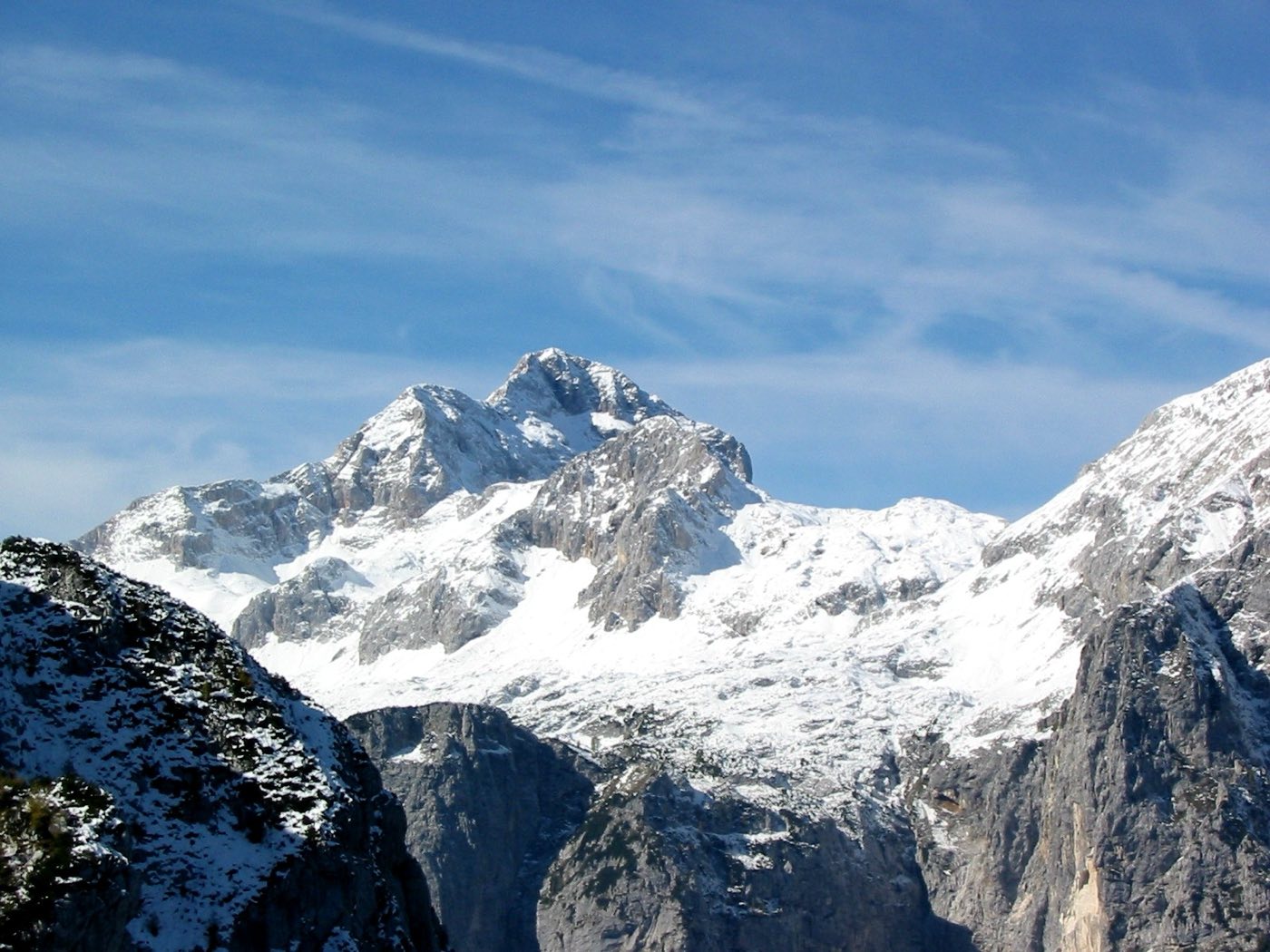
Slovenia's only national park covers most of the Julian Alps and centers on Mount Triglav (2,864m), the country's highest peak and an almost nationalistic summit — the saying is you are not truly Slovenian until you climb it. The peak itself is a two-day hut trip with via ferrata sections. Less committing options include the Vršič Pass drive with fifty hairpin bends, the glacial Bohinj lake, and the Soča Trail along the emerald river on the park's western edge.
Piran's Venetian waterfront on the Adriatic
Slovenia's short coastline ends in Piran, a tiny peninsula town that was Venetian for 500 years and still wears it — red-tiled roofs, marble-paved Tartini Square, and a walled old town tight enough to get lost in. Climb to the bell tower of St. George's Church for the long view down the Istrian coast, eat grilled sea bass on the harbor, and time sunset for the sea walls at the tip of the peninsula. A pleasant overnight to cap a week that started in the Alps.
Soča River valley adventure sports
The Soča cuts through the western edge of Triglav National Park in a gorge of near-fluorescent turquoise water — glacial meltwater run through limestone — and has become the country's adventure-sports hub. Raft or kayak the class III-IV rapids from Bovec, zipline across the gorge, canyon the Sušec waterfalls, or hike the five-day Soča Trail if you want to earn the same scenery slowly. Operators in Bovec and Kobarid run day trips from roughly April through October.
When to Go
May through September is the main window — warm days, alpine trails snow-free from late June, and the Adriatic warm enough to swim by early July. The Ljubljana Festival in late June and July brings open-air concerts and theatre across the old town. Autumn brings wine-harvest tours in the Vipava Valley and Goriška Brda that are arguably the country's most underrated experience. Winter means skiing at Kranjska Gora and Vogel above Lake Bohinj, plus the Julian Alps at their most striking. Avoid the peak two weeks of August at Lake Bled unless you've booked ahead.
Getting Around
A car is the best way to see Slovenia — distances are short, roads are well maintained, and many of the best spots (Vipava Valley wineries, Vršič Pass, karst villages) are awkward to reach by public transport. A motorway vignette is required and sold at border petrol stations. Trains connect Ljubljana to Maribor, Koper, and Bled on a modest network; the Postojna and Bled stations are a short taxi or bus ride from the attractions themselves. Buses cover most tourist-adjacent destinations including Lake Bohinj and the Soča Valley. Within Ljubljana, the compact center is walkable end to end, with city bikes and an electric tourist train for the lazy.
Cost & Currency
Slovenia uses the euro and sits about 20–25% below Austrian prices for most things, though Lake Bled and Ljubljana's tourist core approach Western European levels in high summer. Expect €2–€3 for an espresso, €10–€16 for a neighborhood lunch of goulash or grilled trout, and €80–€130 a night for a comfortable mid-range hotel in Ljubljana (€100–€180 in Bled, less in smaller towns). Cards are accepted everywhere that matters; carry €20–€40 in cash for small family wineries, mountain huts, and village bakeries. Tipping is gentle — round up a café bill, leave 10% at sit-down restaurants, and that's enough.
Frequently Asked Questions
- Is Slovenia safe for travelers?
- Yes — Slovenia consistently ranks among the safest countries in Europe, with very low violent crime and tourist areas in Ljubljana, Bled, and Piran that are relaxed and walkable at any hour. Pickpocketing happens occasionally on Ljubljana's summer streets and at Bled in peak season, but the overall risk is low.
- How many days do I need to see Slovenia?
- Five to seven days covers the highlights comfortably — two nights in Ljubljana, one or two at Lake Bled with a day trip to the Postojna or Škocjan caves, and a couple of nights on the coast or in the Soča Valley. Ten days lets you add serious Triglav hiking or a loop through the Vipava Valley wine region without rushing.
- Can I drink the tap water?
- Yes, tap water is excellent throughout Slovenia and meets strict EU standards. Ljubljana's water comes from nearby alpine springs and is famously clean — most restaurants will refill a carafe for free on request rather than push bottled water.
- Is Lake Bled worth visiting despite the crowds?
- Yes, but time it — arrive early (before 9am) or stay overnight to catch sunset and sunrise without the day-trip bus traffic. Lake Bohinj, 30 minutes further into Triglav National Park, is larger, wilder, and has a fraction of Bled's visitors; many travelers split a night between both for a fuller picture.
- Do I need a car to get around Slovenia?
- Not strictly — Ljubljana, Bled, Piran, and Postojna can all be reached by train or bus from the capital. A car makes a big difference for the Vipava Valley wine region, the Vršič Pass drive, karst villages, and the Soča Valley, where public transport is patchy or nonexistent. Rentals are cheap by European standards.
Plan a Trip to Slovenia
Have you been to Slovenia?
Track 195 countries, 50 states & 63 national parks on your map