Rwanda
- Capital
- Kigali
- Population
- 14M
- Currency
- RWF
- Languages
- Kinyarwanda, French, English
Overview
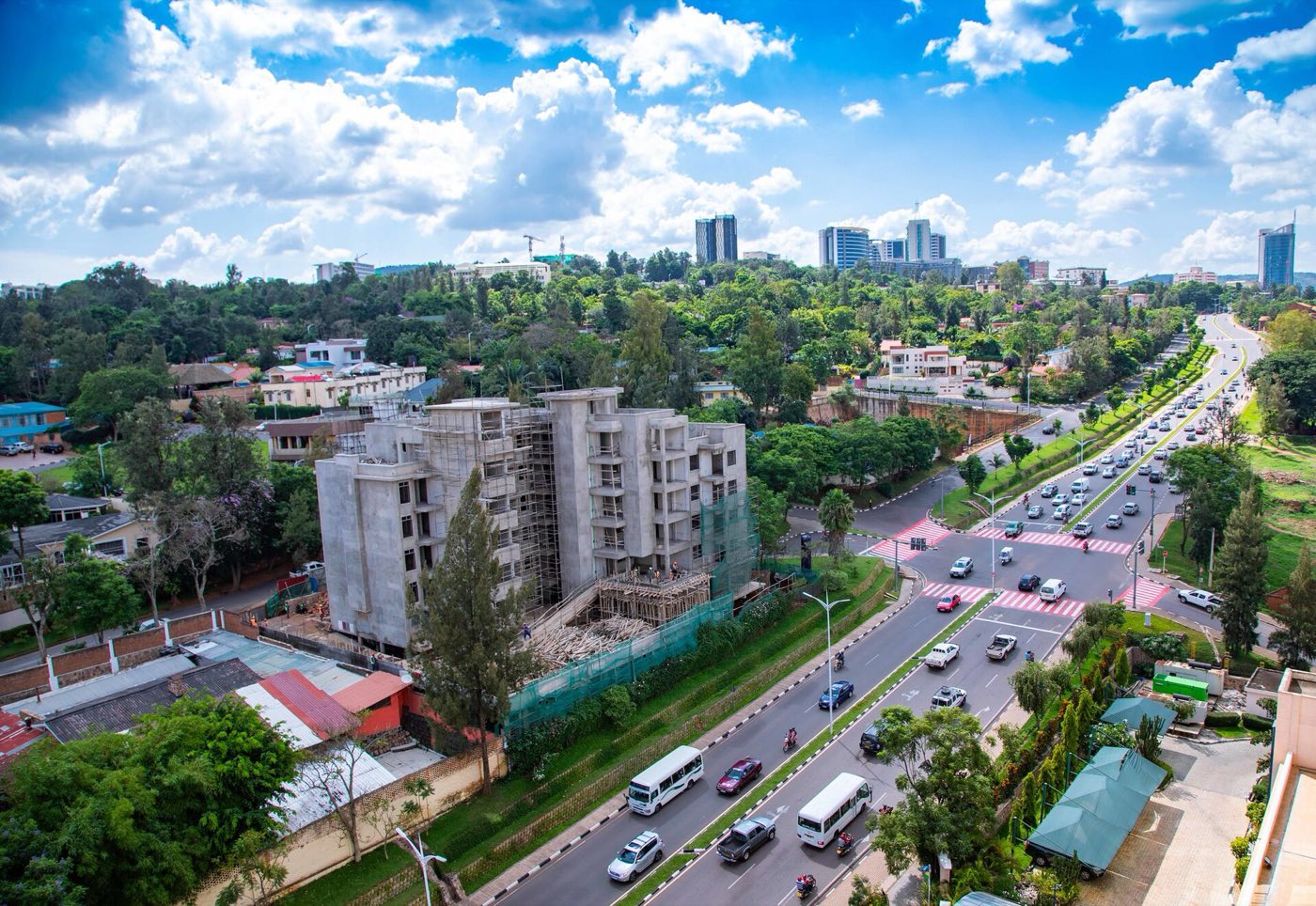
A small, densely forested East African country known as the Land of a Thousand Hills, Rwanda is home to the most reliable mountain gorilla trekking in the world and one of Africa's most striking post-conflict recoveries. Travelers come to sit a few meters from a habituated gorilla family in Volcanoes National Park, to walk the canopy of Nyungwe, and to spend time in a capital, Kigali, that is famously clean, safe, and orderly by almost any global standard. What you notice first is the landscape. The country is vertical — every drive is a series of climbs and drops between terraced hillsides, every view is layered ridges fading into rain haze. Coffee and tea plantations cover the slopes, banana groves fill the valleys, and red-dirt roads spider out to villages where the day starts before sunrise. You share the roads with bicycles stacked impossibly high with produce, motorcycle taxis in numbered vests, and schoolchildren in uniforms walking kilometers to class. Rwanda rewards travelers who come for the gorillas but stay for more. A week is enough to pair a trekking permit in Musanze with a stretch at Lake Kivu and a few nights in Nyungwe for chimps and the canopy walk. The genocide memorials in Kigali and Murambi are essential and difficult; they ask real attention and reward it. Expect a country that has thought carefully about how it presents itself to visitors, and infrastructure — roads, power, internet, hotels — that runs reliably compared to most of the region.
Things to Do
Mountain gorilla trekking in Volcanoes National Park
Ten habituated gorilla families live in the bamboo and Hagenia forests of the Virunga volcanoes, and one permit buys you a strictly limited hour with one of them. You start at dawn from the park headquarters in Kinigi, hike anywhere from 30 minutes to five hours depending on where the family has moved, and spend that hour within perhaps five meters of silverbacks, females, and babies going about their morning. Permits cost $1,500 per person in 2026, bookable through the Rwanda Development Board. Book at least six months in advance for high season.
Kigali Genocide Memorial
The memorial at Gisozi is the burial place of more than 250,000 victims of the 1994 genocide and the country's primary site for remembrance and education. The permanent exhibition walks you through the colonial roots of division, the hundred days of killing, and the aftermath with clarity and restraint; a second exhibition on 20th-century genocides puts Rwanda's in wider context. Plan at least two hours and some time afterward to sit in the gardens. Entry is free, audio guides are available, and photography inside is not permitted.
Nyungwe Forest chimpanzee tracking and canopy walk
A montane rainforest in Rwanda's southwest with thirteen primate species including chimps, colobus, and L'Hoest's monkeys. The canopy walkway is a 160-meter suspension bridge 60 meters above the forest floor — an easy 90-minute loop even for people who don't like heights. Chimp tracking is less predictable than gorilla trekking; you may hike several hours before finding a group, and a close encounter isn't guaranteed. Stay at One&Only Nyungwe House or at the simpler Gisakura Guest House for the budget option.
Akagera National Park Big Five safaris
On Rwanda's eastern border with Tanzania, Akagera has been transformed since African Parks took over management in 2010 — lions reintroduced in 2015, eastern black rhinos in 2017, and the park is now a genuine Big Five destination on 1,122 square kilometers of savanna, lakes, and papyrus swamp. Wildlife density is lower than the Mara or Serengeti, but so are the crowds, and the birding is outstanding. Self-drive is allowed or book through Karenge Bush Camp or Magashi for guided game drives.
Lake Kivu shoreline and Gisenyi beach town
The sixth-largest lake in Africa runs along Rwanda's western border, and the shoreline towns of Rubavu (Gisenyi), Kibuye, and Cyangugu make excellent slow-paced stops between the major parks. The water is bilharzia-free, swimmable, and surprisingly large — kayaking, boat trips to nearby islands, and afternoon runs along the Congo Nile Trail are all worth a day. Gisenyi has a handful of lakeside hotels and sits right on the DR Congo border, where Goma is visible across the water.
Golden monkey trekking in Volcanoes NP
A more affordable alternative to gorilla trekking in the same park — golden monkeys are endangered, visually striking with orange-gold backs, and live in troops of 30 to 80 in the bamboo belt of the Virungas. The permit is $100, the trek is shorter and easier than a gorilla trek, and the hour with the monkeys is active and chatter-filled rather than quietly observational. A good add-on to a gorilla day or a standalone half-day from Musanze if the $1,500 gorilla permit isn't in budget.
Kigali's restaurant and arts scene
Kigali has developed into one of East Africa's more interesting food capitals, with Ethiopian, Indian, Congolese, and modern African restaurants concentrated in Nyarutarama and Kiyovu. Question Coffee roasts excellent single-origin Rwandan beans, and Inema Arts Center in Kacyiru shows contemporary Rwandan painting and hosts live music on Thursdays. Wander Niyo Arts Gallery, pick up handwoven agaseke baskets at Gahaya Links, and eat a long lunch at Repub Lounge or The Hut.
When to Go
June through September is the long dry season and the peak window for gorilla trekking — trails are firmer, less slippery, and visibility in the forest is better. December through February is a shorter dry window that also works well, particularly for Akagera. The long rains from March through May and short rains in November bring mud and leeches but also lush forests, lower prices, and fewer crowds on the gorilla permits. Kigali's weather is near-perfect year-round given the 1,500-meter altitude — expect days in the mid-20s°C and cool evenings.
Getting Around
Rwanda's paved road network is remarkably good by regional standards — Kigali to Musanze takes about two hours, to Kibuye on Lake Kivu about three, and to Nyungwe about six. Most travelers use a private driver-guide arranged through a local agency, which costs $100–$200 a day and removes the navigation burden entirely. Self-drive is possible but slower; you will be stopped at police checkpoints frequently and expected to show documents. Within Kigali, ride-hailing via Yego Moto and Move (cars) is cheap and works on mobile money or cards. Domestic flights run from Kigali to Kamembe (for Nyungwe) and to the border airstrip for Akagera.
Cost & Currency
Rwanda uses the Rwandan franc (RWF), roughly 1,300 to the US dollar, and is not a cheap destination by regional standards — the government has deliberately positioned tourism as high-value, and the $1,500 gorilla permit sets the tone. Cards are widely accepted in Kigali hotels, restaurants, and supermarkets; carry 30,000–50,000 RWF in cash for rural stops, markets, and tipping. Expect $150–$300 per night for a comfortable mid-range hotel in Kigali, $300–$600 near the parks, and $2,000+ per night at the highest-end lodges like Bisate and Singita Kwitonda. Tipping is appreciated — $10–$15 per day for guides, $5–$10 for porters on gorilla treks, 10% at sit-down restaurants.
Frequently Asked Questions
- How do I book a gorilla permit?
- Permits are issued by the Rwanda Development Board and cost $1,500 per person in 2026. Book through an accredited tour operator or directly with RDB at least six months in advance for June–September and December–February, which sell out. Permits are non-refundable and tied to a specific date; build one rest day into your schedule in case weather or health forces a rebook.
- Do I need a visa for Rwanda?
- Most nationalities receive a 30-day visa on arrival at Kigali airport for $50, or can apply online through the Directorate General of Immigration and Emigration before travel. The East Africa Tourist Visa ($100, 90 days) covers Rwanda, Kenya, and Uganda if you're doing a regional trip. A yellow fever certificate is required only if you are arriving from a country where yellow fever is endemic.
- Is Rwanda safe for travelers?
- Yes, Rwanda is one of Africa's safest destinations. Kigali is notably clean, orderly, and low-crime — you can walk around the city center after dark without issue. Keep an eye on your phone in markets and bus stations. Avoid the border area with eastern DR Congo (around Goma) for anything beyond a quick day trip, as the security situation across the border remains volatile.
- How physically demanding is gorilla trekking?
- It varies widely — anywhere from a gentle hour's hike at low altitude to a full day at 2,500–3,000 meters pushing through dense bamboo and stinging nettles. You're matched to a gorilla family based on fitness level if you request, but be honest. Wear sturdy boots, long sleeves and trousers, and gaiters; hire a porter at the trailhead for $15–$20, which is both helpful and a direct community income.
- What should I pack for Rwanda?
- Layers for 2,000-meter altitude — mornings and evenings are cool even in the dry season. Waterproof boots and trousers for gorilla trekking, gardening gloves for the nettles, and long sleeves even on warm afternoons in Kigali. Plastic bags are banned in Rwanda and confiscated at the airport; bring a reusable tote and repack anything from plastic bags before you land.
Plan a Trip to Rwanda
Have you been to Rwanda?
Track 195 countries, 50 states & 63 national parks on your map