Oman
- Capital
- Muscat
- Population
- 4.6M
- Currency
- OMR
- Languages
- Arabic
Overview
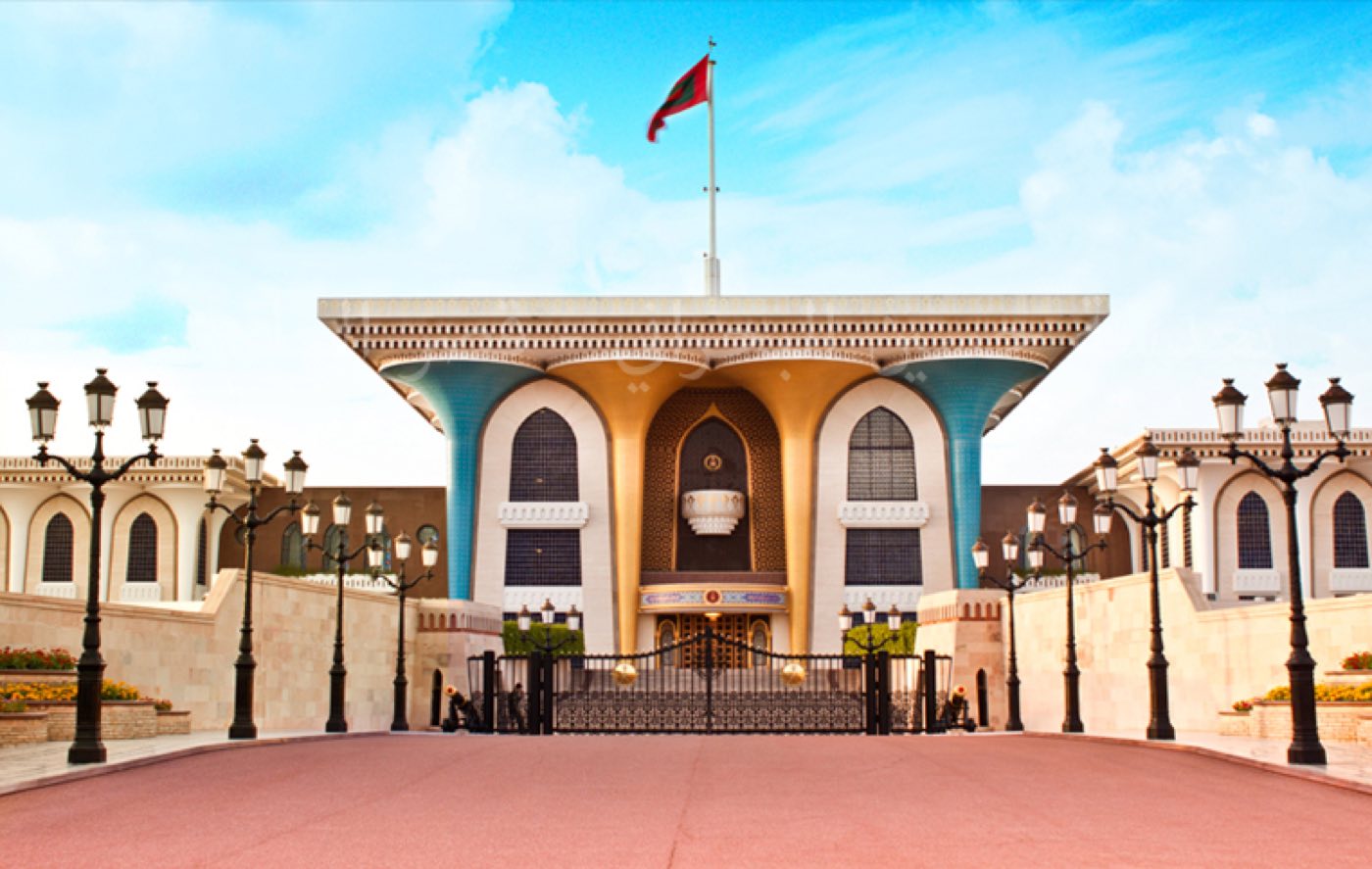
Oman is the most quietly different of the Gulf states — an ancient trading sultanate on the Arabian Peninsula's southeastern corner, with a coastline longer than Italy's, fjord-like inlets in the north that nobody expects to find in Arabia, and a Dhofar coast in the south that turns green for three months each summer under the Khareef monsoon. Travelers come for the turquoise wadis carved into Hajar Mountain limestone, for the orange dunes of the Wahiba Sands, and for a capital in Muscat that has resolutely refused to build skyscrapers. Muscat spreads along 40 kilometers of coastline between two low mountain ranges. The Sultan Qaboos Grand Mosque is the architectural set piece and one of the most generous mosque visits in the Gulf for non-Muslims. The old Muttrah Souq, the Al Alam Palace framed by the twin Portuguese forts of Mirani and Jalali, and the new opera house together anchor a city that feels older and more human-scaled than Dubai or Doha. Outside the capital, four to five days with a rented 4x4 gets you into the country's real texture: Nizwa's fort and Friday goat market, the Al Hajar mountain villages of Jebel Akhdar and Jebel Shams, wadi hikes at Wadi Shab and Wadi Bani Khalid, and a night under the stars in a desert camp. Oman is one of the easier Gulf countries for independent travel. An e-visa is fast, English is widely spoken, the road network is excellent, and Omanis have a well-earned reputation for warmth. Modest dress matters — covered shoulders and knees for both sexes, covered hair for women at mosque visits — but outside those contexts the country is relaxed. Two weeks lets you cover Muscat, the northern mountains, a night in the sands, the Musandam fjords, and the Dhofar region in the south.
Things to Do
Sultan Qaboos Grand Mosque in Muscat
Built by the late Sultan Qaboos bin Said and opened in 2001, the Grand Mosque is one of the most welcoming major mosques in the Gulf for visitors of any faith. The main prayer hall holds the world's second-largest single-piece Persian carpet (4,343 square meters, hand-knotted over four years) and one of the largest chandeliers ever made. Non-Muslim visitors are welcome between 8 and 11 AM Saturday through Thursday; cover shoulders, knees, and (for women) hair, and allow 90 minutes to see the main hall, women's prayer hall, and the Islamic library.
Wahiba (Sharqiya) Sands desert camp
A few hours southeast of Muscat, the Wahiba Sands run 180 kilometers north to south and 80 kilometers east to west, orange-red dunes that rise in places to 200 meters. You get in with a 4x4 and a driver who knows the sand, stay at a Bedouin-run tented camp like Desert Nights or one of the smaller 1000 Nights outfits, and spend an evening walking a dune at sunset, an hour around a fire with Omani coffee and dates, and a night under a sky with no light pollution for 100 kilometers in any direction. Morning camel rides and a drive to meet a Bedouin family finish the stay.
Wadi Shab and Wadi Bani Khalid canyon swims
Two hours south of Muscat on the coast, Wadi Shab is a hike-and-swim route up a narrow limestone canyon to a partially submerged cave you reach by swimming through a gap in the rock. The round trip takes three to four hours and involves wading, light scrambling, and several swims through clear green pools. Wadi Bani Khalid, a similar drive inland toward the Sharqiya, is the easier and more family-friendly version — a short walk from the parking lot brings you to the main swimming pools shaded by date palms.
Musandam Peninsula fjords and dhow cruises
The Musandam is geographically Omani but separated from the rest of the country by UAE territory — you fly from Muscat to Khasab, or drive three hours north from Dubai. The peninsula's coastline is folded into steep fjord-like inlets the Omanis call khors, and a half-day dhow cruise out of Khasab takes you into Khor Sham where you swim, snorkel above coral, and usually watch pods of dolphins ride the bow wave. The scenery — black rock walls dropping straight into green water — is genuinely unlike anything else in Arabia.
Ras al-Jinz Turtle Reserve
On the easternmost point of the Arabian Peninsula, the beach at Ras al-Jinz is one of the most important nesting sites for the endangered green turtle, with females hauling out year-round to dig nests and lay eggs. The reserve runs two guided visits a day — a late-evening one when turtles are nesting and a pre-dawn one when hatchlings emerge and race for the sea. Red lights only, no flash photography, stay back from the animals. The basic eco-lodge on site lets you do both visits in one overnight stay.
Nizwa Fort and souq
Two hours inland from Muscat, Nizwa was the country's capital in the 6th and 7th centuries and is still the main town of the Omani interior. Nizwa Fort, built in the 1650s by Sultan bin Saif al-Ya'rubi, centers on a circular tower 36 meters across — one of the most substantial fortifications in Arabia — and you can climb the ramparts for views over the date groves. The souq next door is the country's most traditional: silver Khanjar daggers, frankincense, Omani halwa, and the Friday morning goat auction, which is a spectacle worth timing a trip around.
Jebel Shams — the Grand Canyon of Arabia
Oman's highest peak at 3,009 meters, Jebel Shams is flanked by Wadi Ghul, a 1,000-meter-deep gorge that Omanis call the Grand Canyon of Arabia. The drive up is paved almost to the rim and the Balcony Walk trail (W6) traces the cliff edge for two hours each way to an abandoned village of stone houses built into the rock. A handful of rim-top lodges — Jebel Shams Resort, Sama Heights — let you watch the sun set into the canyon and wake up to the bare mountains pink at dawn. Cool at night even in summer.
Salalah and the Khareef green season
The far southern Dhofar region is 1,000 kilometers from Muscat and feels like a different country. From mid-June through early September the Khareef monsoon drifts in off the Indian Ocean, and the coastal mountains around Salalah go a lush green that looks more like highland Ethiopia than Arabia — waterfalls, mist, banana plantations. Tourists from across the Gulf come specifically for this window. Outside Khareef season Salalah is hot, dry, and quiet, but the beaches and the frankincense trees of Wadi Dawkah are worth the detour any time of year.
When to Go
October through March is the best window — comfortable temperatures (20–30°C in Muscat), cool mountain nights, good conditions for desert camps and wadi hikes. Peak tourist season runs December and January when the weather is at its best and Europeans are escaping winter. From mid-June through early September the Khareef monsoon transforms Dhofar province in the south into a green misty highland, drawing Gulf tourists specifically to Salalah while the rest of the country is at its hottest (45°C and above). April and May are shoulder months — still pleasant enough for the coast and mountains but climbing toward summer heat in the desert.
Getting Around
A rental car is the right move for almost any Oman trip outside pure Muscat stays. Roads are excellent — better surfaces than much of Europe — and signage is bilingual in Arabic and English. A 4x4 is necessary for the Wahiba Sands, for the road up to Jebel Shams, and for some of the mountain tracks in Jebel Akhdar; a 2WD sedan is fine for everything paved, which is most of the country. Oman Air runs domestic flights from Muscat to Salalah (1h45) and Khasab for the Musandam (1h15); both are worth taking rather than the long drives. In Muscat itself, Otaxi and Careem ride-hailing work well and are cheaper than metered taxis. Intercity buses are limited and slow.
Cost & Currency
Oman uses the Omani rial (OMR), one of the highest-valued currencies in the world at roughly 1 OMR = 2.60 USD. Oman is mid-range expensive by Gulf standards: expect 4–8 OMR for a sit-down meal at a mid-range restaurant, 30–80 OMR for a comfortable hotel room outside peak season, and 10–15 OMR per day for a rental 4x4 in low season (double that in winter). Desert camps run 40–120 OMR per person per night including meals and activities. Cards are accepted in hotels, restaurants, and supermarkets across Muscat and larger towns; carry cash for souqs, smaller wadis, and fuel stations in the interior. Tipping 10% at restaurants is appreciated but not expected; round up taxi fares.
Frequently Asked Questions
- Do I need a visa for Oman?
- Most travelers need a visa and the easiest route is the e-visa, applied for online through the Royal Oman Police website. Tourist e-visas typically come through within 24–72 hours, are valid for 10, 30, or longer stays depending on the type, and cost around 20 OMR (roughly $50) for the standard 30-day version. You need a passport valid for at least six months. Some nationalities are exempt or eligible for visa on arrival — check current rules before booking.
- What should I wear in Oman?
- Modest dress makes travel easier. For men, knee-length shorts or long trousers and a shirt with sleeves are fine in most contexts; at mosques and government buildings you want long trousers. For women, covering shoulders and knees is expected in public, and hair should be covered when visiting mosques (bring a light scarf). On beaches inside resort hotels, normal swimwear is fine; on public beaches it is not. Omanis are courteous about this but will notice and appreciate the effort.
- Is Oman safe for solo travelers, including women?
- Yes — Oman is one of the safest countries in the Middle East, with very low violent and petty crime rates, and it is a common destination for women traveling alone. Public spaces feel calm and well policed. Standard precautions apply: dress modestly, avoid isolated wadis alone at night, and use ride-hailing rather than unmarked taxis in Muscat. Omanis are generally reserved, respectful of personal space, and genuinely helpful to travelers who seem to need direction.
- Do I need a 4x4 to travel in Oman?
- For the Wahiba Sands desert, yes — you need a 4x4 with proper sand-driving experience or a driver who has it, and renting a sedan for the sands will result in getting stuck. For the mountain road to Jebel Shams, yes. For most other travel — Muscat, Nizwa, the coast road to Sur, Wadi Shab, Salalah — a 2WD sedan handles it easily. If you want to do one or two desert nights on a 4x4-only itinerary otherwise, joining a tour for those days rather than renting the larger vehicle is often more economical.
- Is Oman a good destination during Ramadan?
- It is manageable but changes the rhythm of travel. During the daylight fasting hours, most local restaurants close and eating, drinking, or smoking in public is not done out of respect; tourist hotels continue to serve meals, often discreetly. Sights and government offices operate reduced hours. The trade-off is the evenings: iftar buffets after sunset are remarkable, Ramadan tents pop up across Muscat, and the atmosphere in the old neighborhoods is warm and social. Worth a visit but not the best introduction to the country.
Plan a Trip to Oman
Have you been to Oman?
Track 195 countries, 50 states & 63 national parks on your map