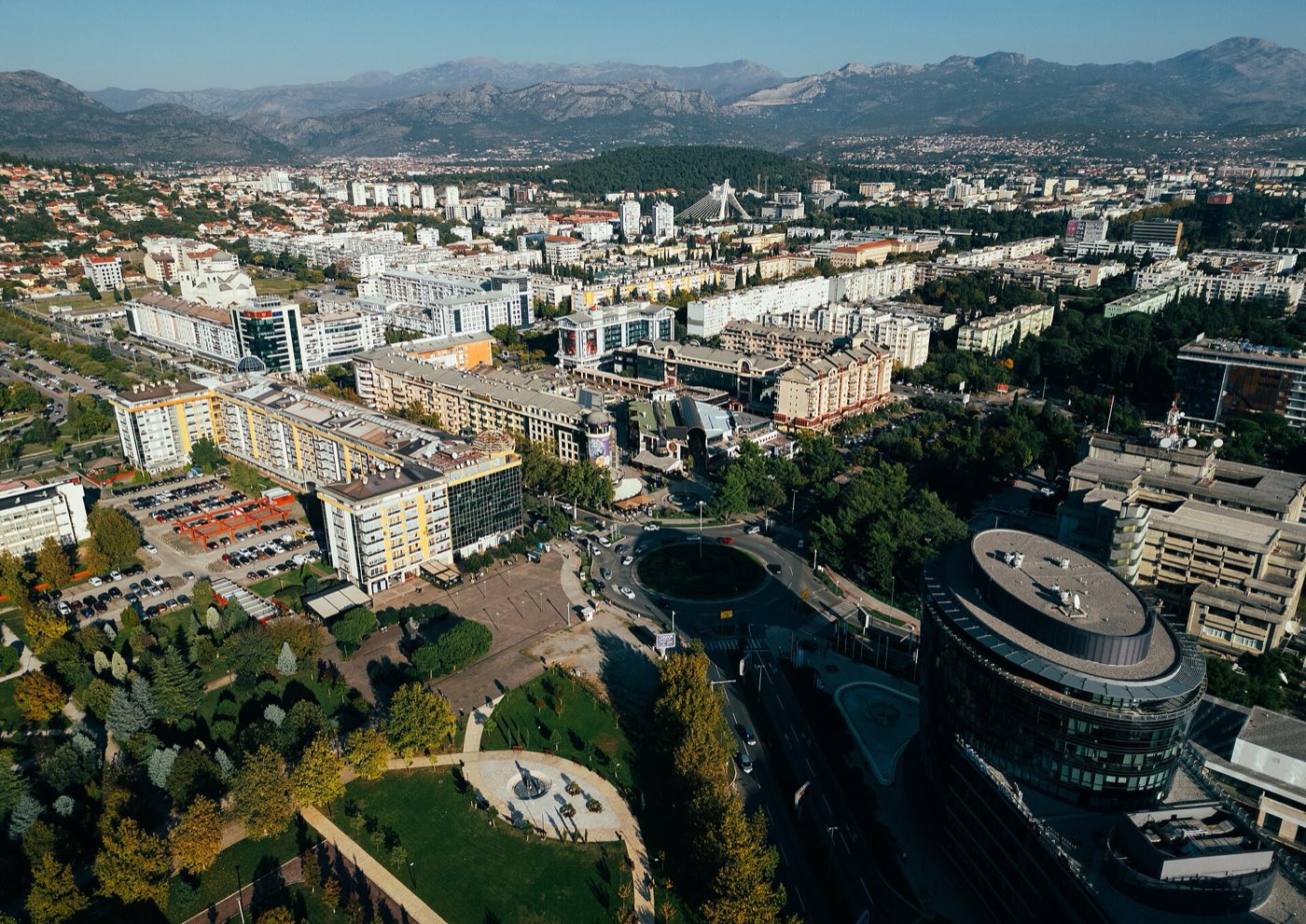
Montenegro
- Capital
- Podgorica
- Population
- 620K
- Currency
- EUR
- Languages
- Montenegrin
Overview
Montenegro is the small Adriatic country that concentrates a lot of landscape into a very compact space — you can drive from the fjord-like Bay of Kotor to the glacial lakes of Durmitor in four hours, and pass through Mediterranean coast, karst limestone plateau, and alpine meadow on the way. It was part of Yugoslavia until 1992 and independent only since 2006, and still has the slightly unfinished feel of a country that is deciding what kind of destination it wants to be. The Bay of Kotor is the obvious headline — a deep, mountain-walled inlet often mislabelled Europe's southernmost fjord (it is actually a drowned river canyon), with the walled medieval town of Kotor tucked at the inner end and the restored old town of Perast facing it across the water. Beyond Kotor, the country opens up fast: the beach-resort coast stretches south through Budva and Sveti Stefan, the Lovćen massif rises straight out of the sea to 1,700 metres, and the Tara River cuts one of the deepest canyons in Europe on its way north into Bosnia. Montenegro rewards a week split between coast and interior. English is widely spoken in tourist zones, infrastructure is decent and improving, and prices remain noticeably below Croatia just up the coast. Rent a car if you can — the road up the Kotor serpentines to the Lovćen plateau is one of the best drives in Europe, and the country is small enough that the interior parks are day-trip-close from almost anywhere you base yourself.
Things to Do
Bay of Kotor cruise and old town
The medieval walled town of Kotor sits at the inner end of the bay with its city walls running 4.5 kilometres up the mountainside behind it to the Fortress of San Giovanni at 1,200 stone steps above. Climb early — the gates open before dawn and the views back down over the bay at sunrise are worth the calves. In town, the Romanesque cathedral of St. Tryphon, the medieval alleys, and the cats (honoured with a small museum) fill a morning. Afternoon boat trips circle to Perast, the islet of Our Lady of the Rocks, and the submarine tunnels carved into the cliffs at Tivat.
Sveti Stefan island resort
The postcard image of Montenegro — a 15th-century fortified fishing village on a tied island connected to the mainland by a narrow causeway, converted into a luxury hotel in the 1950s and again in the 2000s. The island itself is closed to non-guests, but the pink-sand Queen's Beach and the causeway viewpoint from the mainland headland deliver the money shot. Stay a night at the Aman if budget allows, or book lunch at Taci restaurant on the mainland bluff overlooking the island. Ten minutes down the coast from Budva.
Durmitor National Park and Tara River Canyon rafting
In the north of the country, Durmitor protects a limestone mountain massif of glacial lakes, beech forest, and the Tara River Canyon — 1,300 metres deep at its deepest, second only to the Grand Canyon. Half- and full-day rafting trips run the mellower central section between May and October, suitable for beginners through intermediate. The Black Lake (Crno Jezero) near Žabljak is a calm 90-minute walk around reflective water under the Bobotov Kuk peak. Winters bring skiing at Savin Kuk. Drive over the 160-metre-high Đurđevica Tara Bridge for the classic canyon photo.
Budva old town and beaches
The Venetian-walled old town of Budva sits on a small peninsula on the central coast — red-tiled roofs, narrow stone lanes, seafood konobas, and a small archaeological museum with Greek and Roman finds from the 5th century BC. The town has become the country's main beach-nightlife destination, with Mogren Beach on one side and the longer Slovenska Plaža on the other. Quieter Jaz and Ploče beaches are 10 minutes' drive up or down the coast. Worth a base for two nights if you want sand, clubs, and easy access to Sveti Stefan and Kotor.
Ostrog Monastery carved into a cliff face
Montenegro's most important pilgrimage site, built into a near-vertical white limestone cliff at 900 metres in the central mountains, about a 90-minute drive from either Podgorica or Kotor. The upper monastery is the striking one — a two-level cave church holding the relics of Saint Basil of Ostrog, attended by Orthodox pilgrims from across the region. Dress respectfully (knees and shoulders covered, a sarong is provided if needed) and plan a weekday visit to avoid weekend crowds. The drive up the final switchbacks is narrow and best done in a small car.
Lovćen National Park and Njegoš Mausoleum
Rising directly out of the Bay of Kotor to 1,700 metres, Mount Lovćen carries huge symbolic weight in Montenegrin culture — the word Montenegro itself means Black Mountain. The drive from Kotor up 25 hairpin switchbacks is one of the best in Europe. At the top, a tunnel leads to 461 steps climbing to the mausoleum of Petar II Petrović-Njegoš, the 19th-century prince-bishop poet whose tomb (designed by Ivan Meštrović) looks out across most of the country. Bring a layer — the plateau is 10°C cooler than the coast.
Perast's Our Lady of the Rocks island church
Across the bay from Kotor, the small restored stone town of Perast faces two islets — one a natural island with a Benedictine monastery, the other an artificial island built up over centuries by local sailors dropping ballast stones and sinking ship hulks in fulfillment of vows. Our Lady of the Rocks chapel on the artificial island is reached by a five-minute taxi-boat ride from the Perast seafront and holds an icon, a small museum of ship models, and the longest embroidery in the Adriatic stitched over 25 years by one local woman. A quiet half-day.
When to Go
May to early July and September to early October are the sweet spots — warm coastal weather, open mountain roads, and prices lower than the August peak. July and August are proper Mediterranean summer on the coast with water temperatures of 24°C, matched by crowded beaches and heavy traffic through Kotor. Durmitor is best from June through September for hiking and rafting; snow closes the higher trails from November through April, but the ski resort at Savin Kuk operates December through March. Winter in Kotor has an atmospheric quiet, with many restaurants open but few hotels running at full service.
Getting Around
The country is small enough to cross end to end in a long day, and a rental car is the best way to experience it — the roads up Lovćen, around the Bay of Kotor, and into Durmitor are part of the trip itself. Driving conditions are generally good on main routes, though mountain roads are narrow and two-way traffic can require reversing to passing places. Buses connect every town for a few euros and are how locals travel; the Kotor-Budva-Podgorica corridor runs at least hourly. The Bar-Belgrade railway north from the coast into Serbia is one of Europe's most scenic rail journeys. Tivat has a small international airport; Podgorica has the main one. Ferries cross the Bay of Kotor at Kamenari-Lepetane, saving 30 kilometres of driving around the head of the bay.
Cost & Currency
Montenegro uses the euro despite not being an EU member — the country adopted it unilaterally in 2002 when it was still part of the Serbia-Montenegro union. Prices sit 15–25% below Croatia up the coast and are closer to Bulgaria than Western Europe. Expect €10–€15 for a plate of grilled fish and salad at a coastal konoba, €60–€120 a night for a mid-range hotel room in Kotor or Budva outside peak season, and €40–€60 per person for a half-day rafting trip on the Tara. Cards work at hotels, bigger restaurants, and grocery stores, but carry cash for small konobas, rural petrol stations, and the Ostrog monastery donation box. Tipping is modest — round up a café bill, leave 10% for warm service at dinner.
Frequently Asked Questions
- Do I need a visa to visit Montenegro?
- Most Western citizens — US, UK, Canadian, EU, Australian, and New Zealand nationals — can enter visa-free for up to 90 days within a 180-day window. Montenegro is not part of the Schengen Area or the EU, so its 90 days are counted separately. Your passport should be valid for at least three months beyond your planned departure date. Check current rules if you hold a passport from Africa, Asia, or the Middle East, as visa requirements vary.
- Is Montenegro safe for travelers?
- Yes — violent crime is rare and Montenegro consistently ranks as one of the safer Balkan destinations. Petty theft can happen in crowded tourist spots in Kotor and Budva in peak season, and driving is the biggest practical risk due to narrow mountain roads, aggressive overtaking, and livestock on rural roads. The land borders with Kosovo and Albania pass through politically quiet territory; use the main crossings and carry passport and vehicle papers.
- How many days do I need in Montenegro?
- Five to seven days is the right range — two nights around the Bay of Kotor, two on the central coast near Budva or Sveti Stefan, and two up in Durmitor for the canyon and lakes. Shorter than that and you skim; longer is easy to fill if you add Lake Skadar, Ulcinj in the south, or a drive into Bosnia for Trebinje. Bay of Kotor alone can absorb three days for climbers, boat days, and village drives.
- What is the best way to get to Montenegro?
- Tivat airport is the closest to the Bay of Kotor (25 minutes) and has summer charter flights from most European capitals. Podgorica, the main international airport, sits inland and has year-round service from Belgrade, Vienna, Istanbul, and a handful of other hubs. Dubrovnik airport in Croatia is a common alternative with more flight options — a two-hour drive to Kotor through one land border crossing. Expect queues at the border in peak summer.
- Do people speak English in Montenegro?
- In the coastal tourist zones and at most hotels, restaurants, and tour agencies, yes — especially staff under 40. Russian is also common as a second language. Montenegrin is the official language and close enough to Serbian, Croatian, and Bosnian that the same phrasebook works across the region. Learn a basic hvala (thank you) and dobar dan (good day); both are always welcome and go further than you might expect in villages and petrol stations.
Plan a Trip to Montenegro
Have you been to Montenegro?
Track 195 countries, 50 states & 63 national parks on your map