Bosnia and Herzegovina
- Capital
- Sarajevo
- Population
- 3.2M
- Currency
- BAM
- Languages
- Bosnian, Croatian, Serbian
Overview
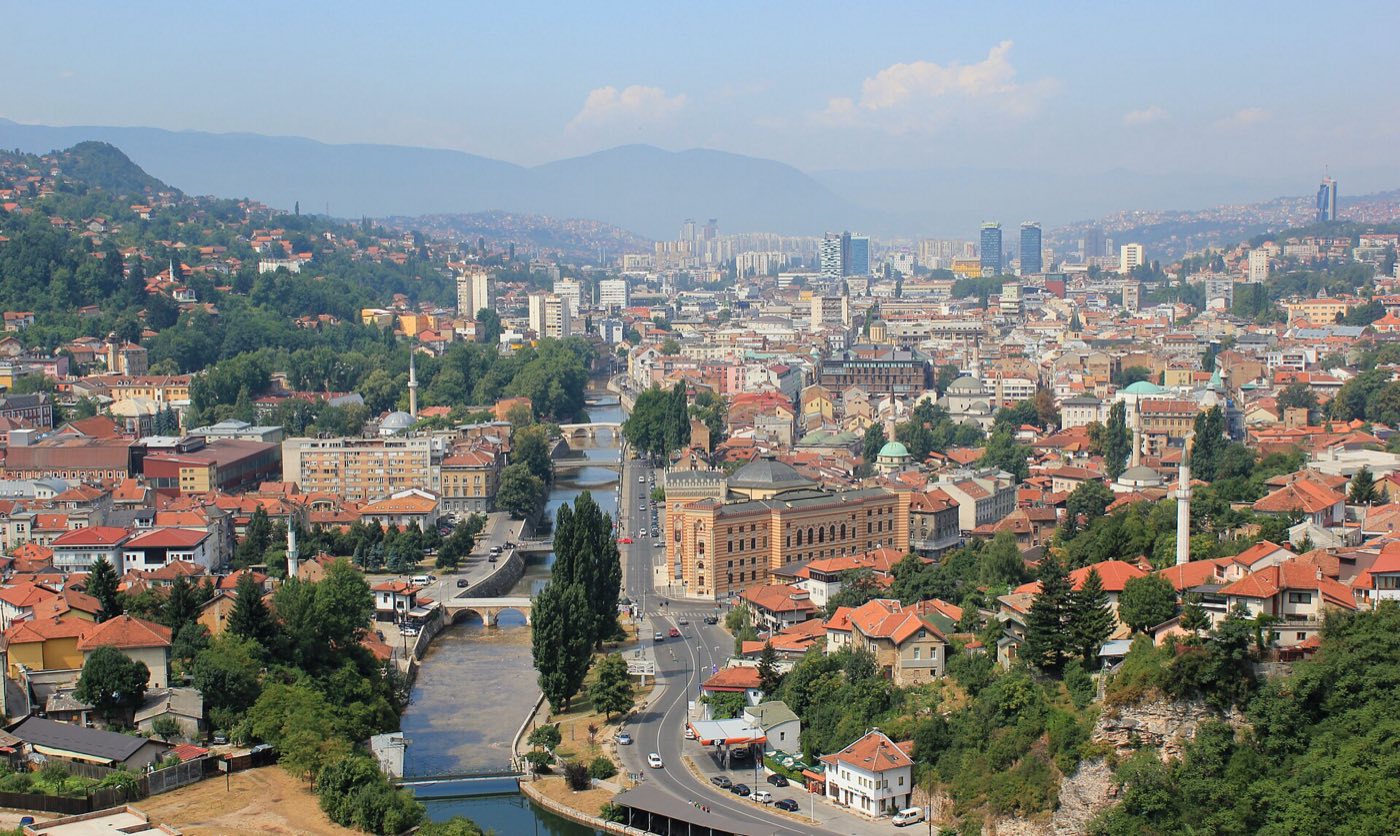
A Balkan nation of Ottoman mosques, Austro-Hungarian facades, and haunting war history woven together in the heart of Europe. Visitors come for Mostar's iconic arched bridge, Sarajevo's multicultural soul, and the pristine Kravice waterfalls. You notice the layers the moment you walk through Sarajevo's old town. Within the space of two blocks on Ferhadija street, a line set into the pavement marks where the Ottoman quarter ends and the Habsburg city begins — minarets on one side, Viennese storefronts on the other, and a few steps beyond that the pockmarked concrete of the 1990s. Nowhere else in Europe condenses so much history into so few streets, and the coffee shops that fill the seams between them are where you should plan to spend your afternoons. Bosnia rewards travelers who are willing to slow down and pay attention. It is a country of long conversations over Turkish coffee poured from a dzezva, rakia offered before you even sit down, and hosts who will tell you their war story at some point between dinner and the second round of drinks. If you want a corner of Europe that is still genuinely cheap, scenery that swings from white-water canyons to medieval stone villages, and a capital with more soul than nearly any other on the continent, this is the trip.
Things to Do
Mostar's Stari Most bridge and Old Town
The sixteenth-century Ottoman bridge over the Neretva was destroyed by Croatian artillery in 1993 and painstakingly rebuilt with the original stone by 2004, and it is as striking now as its photographs suggest. Come at sunset when the limestone turns gold, watch the local diving club leap 24 meters into the green water below, and walk the cobbled bazaar on both banks. Stay the night — Mostar empties out after the day-trippers leave and the bridge is lit and nearly yours.
Sarajevo's Baščaršija old bazaar quarter
The Ottoman heart of the capital is centered on the Sebilj fountain, where pigeons gather and every traveler eventually does too. Narrow lanes radiate out into coppersmiths' shops, carpet dealers, and cevapi grills where the sausages come on a round of somun bread with raw onion. The Gazi Husrev-beg Mosque nearby is the finest Ottoman-era building in the Balkans; slip off your shoes and go in between prayer times.
Kravice Waterfalls
About 40 kilometers south of Mostar, the Trebizat river spills over a 25-meter limestone amphitheater into a wide swimming pool ringed by trees. It is a rare Balkan swimming spot that actually lives up to the photos, especially in May and June when the flow is heaviest. Come early or on a weekday to avoid the tour buses from Mostar and Dubrovnik; bring water shoes and plan to spend three or four hours.
Tunnel of Hope war museum in Sarajevo
During the 1992–1996 siege — the longest in modern European history — Sarajevans dug an 800-meter tunnel under the airport runway to move food, weapons, and people in and out of the cut-off city. About 25 meters of it survive as a small museum in the basement of a house in Butmir. The short video and the stooped walk through the remaining section are the most direct way to understand what the siege actually was.
Blagaj Tekke dervish monastery
A fifteenth-century Sufi lodge built into the base of a 200-meter cliff where the Buna river emerges full-grown from the rock — it is one of the quieter and stranger sights in the Balkans. Tour the small prayer rooms in felt slippers, then take a rowboat a short way into the cave where the spring comes out. A few restaurants on wooden platforms over the water serve fresh trout with kajmak and grilled peppers.
Una National Park rafting
The Una in the northwest is one of the clearest rivers in Europe, a pale green ribbon dropping over a series of travertine waterfalls and rapids that rafting operators run from late spring through early autumn. Trips out of Bihać put you on water that is genuinely swimmable between the rapids and through scenery that sees almost no international tourists. Pair it with a night at a watermill guesthouse upstream.
Počitelj medieval village
Halfway between Mostar and the Croatian border, Počitelj tumbles down a hillside above the Neretva in a tight cluster of Ottoman houses, a clock tower, and a partly ruined fortress at the top. The 15-minute climb to the citadel delivers the big view — river, orchards, and the minaret of the Hadzi Alija mosque below. Shops sell local pomegranate juice and dried figs; the village takes less than two hours to see properly.
When to Go
May to September is the sweet spot for warm weather, outdoor café culture, and the Sarajevo Film Festival in August — eight days of screenings that take over the capital and remain one of the best mid-budget festivals in Europe. October brings stunning autumn foliage across the mountains and canyons, with cooler nights and clear light for photography. Winter is genuinely winter here — December through February offers underrated and cheap skiing at Jahorina and Bjelašnica, both of which hosted events in the 1984 Sarajevo Olympics and are a fraction of Alpine prices. April and November are shoulder months worth considering if crowds matter more to you than swimming weather.
Getting Around
Bosnia is small enough that most travelers use a combination of buses and a rental car. The Sarajevo–Mostar bus runs several times a day on a scenic three-hour route along the Neretva canyon, and similar services connect Sarajevo with Banja Luka, Tuzla, and the Croatian coast. A rental car opens up Una National Park, the Sutjeska wilderness, and the back roads to villages like Lukomir — roads are generally decent though mountain sections can be slow. Trains are limited and slow; avoid them unless the scenic Sarajevo–Mostar train happens to match your schedule. In cities, everything you want to see is within easy walking distance.
Cost & Currency
Bosnia uses the convertible mark (BAM), pegged to the euro at roughly 2:1, and it remains one of the best-value destinations in Europe. Expect 3–4 BAM for a coffee, 12–20 BAM for a sit-down meal of cevapi or burek with yogurt, and 80–150 BAM per night for a comfortable guesthouse in Sarajevo or Mostar. Cards work in hotels and better restaurants in the cities but cash is still the default at smaller places, markets, and taxis — pull marks out of ATMs as needed and keep small bills for coffees. Tipping is light: round up a café bill, leave 10% for good service at a sit-down restaurant, and a mark or two per bag for porters.
Frequently Asked Questions
- Is Bosnia safe to visit?
- Yes — despite the war's visible traces, Bosnia is one of the safer countries in Europe for tourists, with very low violent crime and friendly attitudes toward foreigners. The one real caution is landmines in rural areas off marked trails, mostly in the countryside outside Sarajevo and in Herzegovina; stick to signed paths and ask locals before you wander off-trail.
- Do I need a visa to enter Bosnia?
- Most European, US, Canadian, Australian, and New Zealand passport holders enter visa-free for up to 90 days within a 180-day period. You will need a passport valid for at least three months beyond your stay and, on arrival by land, may be asked for proof of accommodation or a return ticket — though in practice border officers are usually relaxed.
- What currency should I bring?
- The local currency is the convertible mark, but euros are widely accepted in Mostar, Medjugorje, and other heavily touristed areas — often at a slightly worse rate than changing properly. Pull marks from ATMs for the best rate and bring a small emergency stash of euros or US dollars for anywhere an ATM fails.
- Is the tap water safe to drink?
- Yes, tap water is safe and actually quite good throughout Bosnia — the country sits on enormous karst aquifers and Sarajevo's water in particular is often cited as among the best in Europe. Bring a refillable bottle; you will save a lot of plastic and spend nothing on bottled water.
- How long should I plan for a first trip?
- Five to seven days is a comfortable first visit — two nights in Sarajevo, two in Mostar with a day trip to Blagaj and Kravice, and the rest for either Una National Park in the west or the Sutjeska and Tjentište area in the east. Shorter than four days and you will feel rushed; longer trips easily expand into Montenegro or the Croatian coast.
Plan a Trip to Bosnia and Herzegovina
Have you been to Bosnia and Herzegovina?
Track 195 countries, 50 states & 63 national parks on your map