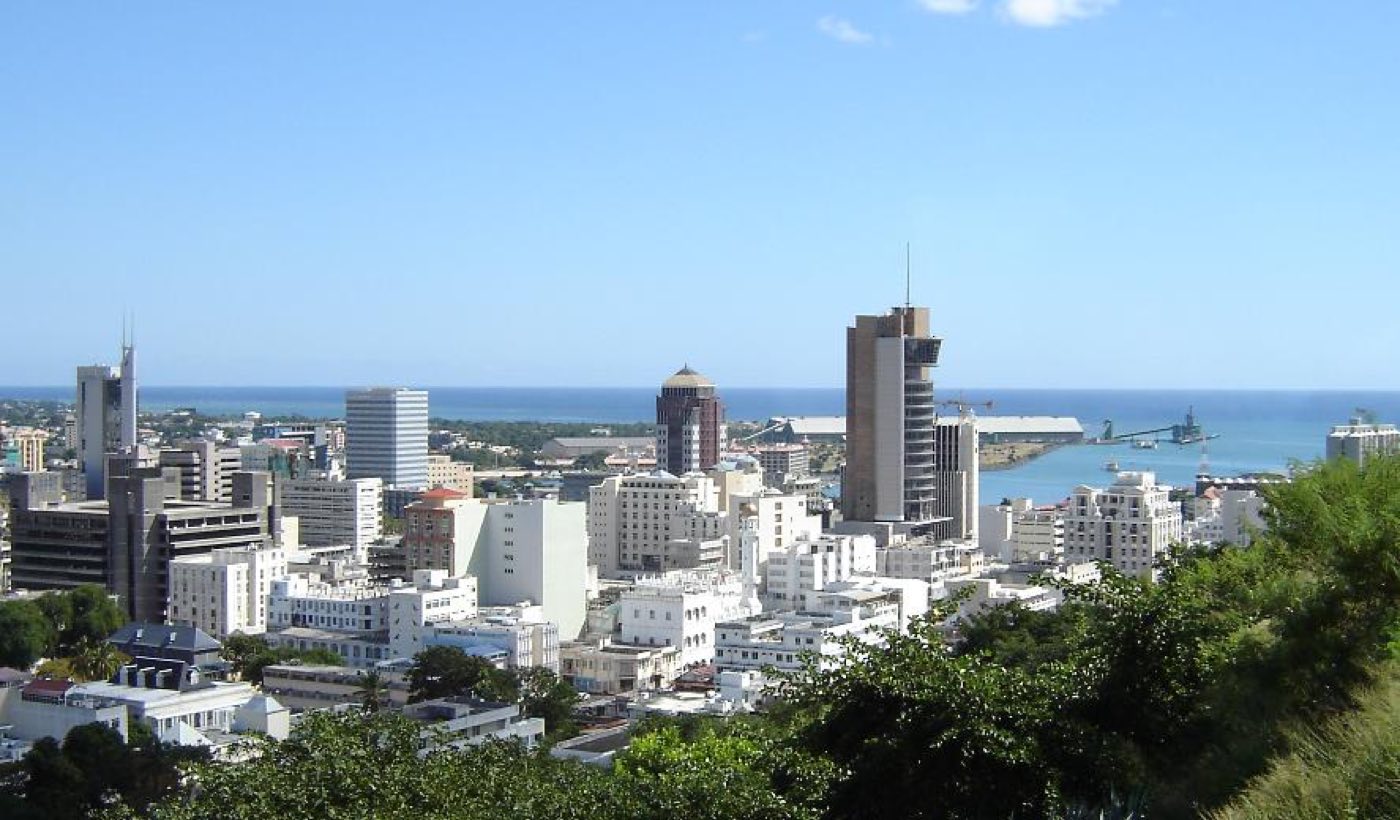
Mauritius
- Capital
- Port Louis
- Population
- 1.3M
- Currency
- MUR
- Languages
- English, French, Creole
Overview
A volcanic Indian Ocean island about the size of Luxembourg, Mauritius has become a byword for luxury beach holidays over the past 30 years — fringing reefs, turquoise lagoons, and a line of resort hotels along the east and northwest coasts. What surprises most travelers is what lies off the beach: a green volcanic interior of sugarcane fields and hiking trails, a multicultural population whose families came from India, China, France, Madagascar, and East Africa, and a food scene that blends all of it into something you won't find anywhere else. Arriving at SSR Airport in the south, you drive through cane fields toward whichever coast you've chosen — northwest for Grand Baie's nightlife and the catamaran scene, east for the long quiet beaches of Belle Mare, south for the wilder coast near Le Morne. The light is strong, the humidity significant, and the heat honest. Within a few hours of landing you'll have had your first dholl puri roti from a roadside vendor, and you'll understand why almost everyone here has at least three cuisines in their weekly rotation. Mauritius rewards travelers willing to rent a car and look past the resort gates. The Black River Gorges, the rum distilleries of the south, the markets of Port Louis, and the Hindu pilgrimage site at Grand Bassin all reshape what you thought the trip was going to be. Budget a week minimum; two if you want to add Rodrigues, the tiny sister island 600 kilometers east that still feels like Mauritius did 40 years ago.
Things to Do
Ile aux Cerfs island beach day
A small uninhabited island just off the east coast, Ile aux Cerfs has become the set-piece Mauritius day trip — powder sand, a reef-sheltered lagoon for swimming, and catamaran cruises that typically include snorkeling, a barbecue lunch, and a stop at the Grand River South East waterfall. Go early on a weekday to beat the resort day-trippers. The budget option is to drive to Trou d'Eau Douce and take the local water-taxi pirogue across for a fraction of the cruise price.
Black River Gorges National Park hiking
The interior plateau drops away into a volcanic valley of endemic forest protected as Black River Gorges National Park, covering roughly 2% of the island. A network of trails runs through it — the Macchabee Trail and the Black River Peak hike are the most popular, each taking a half-day and offering waterfall views and Mauritius kestrel sightings if you're lucky. Start early before the heat. Bring water, insect repellent, and shoes that can handle red-clay mud.
Chamarel Coloured Earths and waterfall
In the southwest corner of the island, volcanic weathering has turned a hillside into a swirl of seven distinct mineral colors — red, ochre, purple, violet, green, blue, and yellow — arranged in wavy bands visible from a small viewing platform. The nearby Chamarel Waterfall drops 100 meters off the volcanic plateau into a forested gorge. Combine with a visit to Rhumerie de Chamarel, the island's best rum distillery, for a tasting of aged agricole-style rums.
Le Morne Brabant UNESCO mountain
The basalt monolith rising from the southwest peninsula is a UNESCO-listed site commemorating the Mauritian maroons — escaped slaves who took refuge on the mountain and, according to the local tradition, leapt to their deaths when they mistakenly believed soldiers were coming to re-enslave them. The hike to the upper viewpoint takes three to four hours round trip and the final scramble requires a local guide. At the base, Le Morne Beach offers world-class kitesurfing conditions from May through October.
Underwater waterfall illusion (aerial view)
Off the southwestern tip near Le Morne, ocean currents push white sand off the underwater shelf into the deeper dark-blue water beyond, creating the startling visual illusion — from the air — of a waterfall pouring off the edge of the island into the ocean. The only way to actually see it is from a helicopter or light aircraft; several operators out of SSR Airport and Mahebourg run 15- to 30-minute flights specifically to photograph it. Morning light around 9 to 11 works best.
Port Louis Central Market and Aapravasi Ghat
The capital's central market is a compact covered bazaar of fruit, spices, street food, and textiles — try the dholl puri and gateaux piments from the food stalls in the second-floor eating area. Walk the 15 minutes to Aapravasi Ghat, the UNESCO-listed immigration depot where over 450,000 indentured Indian laborers landed between 1849 and 1923 to work the sugar plantations; the small museum there gives the social history that explains most of modern Mauritius.
Grand Bassin Hindu temple at the crater lake
A volcanic crater lake in the interior has become the most important Hindu pilgrimage site outside India, considered a portion of the sacred Ganges. A 33-meter statue of Shiva — the tallest in the world outside India — watches over the complex, and during the Maha Shivaratri festival in February or March, roughly 500,000 pilgrims walk here from across the island. Off-festival it's a quiet, deeply atmospheric stop — remove shoes, dress modestly, and be respectful of active worship.
When to Go
May through November is cooler and drier — the sweet spot for most travelers, with September through November offering the best combination of weather, value, and pre-holiday calm. December through March is warmer and wetter, with occasional tropical cyclones from January through March that can disrupt a trip. The diving and deep-sea fishing are excellent in the warmer months. Kitesurfing at Le Morne peaks from May to October when the trade winds are strongest. Maha Shivaratri in February or March is the major cultural event, drawing hundreds of thousands to Grand Bassin.
Getting Around
Renting a car is the best way to experience Mauritius properly — the main roads are good, signage is in French and English, and driving is on the left (British colonial legacy). Budget around 30 to 45 euros a day for a small car. Public buses run frequently between major towns for a dollar or two per ride but are slow and don't reach many beaches or trailheads. Taxis are everywhere and meters are not used — always agree the price before getting in. Ride-hailing apps work in Port Louis, Grand Baie, and the main tourist zones. Inter-island flights and ferry service connect to Rodrigues.
Cost & Currency
Mauritius uses the Mauritian rupee (MUR), trading at roughly 50 to the euro or 45 to the US dollar. Prices are moderate by Indian Ocean standards — cheaper than the Maldives or Seychelles, more expensive than Madagascar. Budget around 200 to 400 MUR (4 to 8 euros) for a local street-food or market meal, 1,500 to 3,000 MUR for a mid-range restaurant dinner, and 80 to 180 euros a night for a comfortable hotel or guesthouse outside the all-inclusive resort circuit. Cards are accepted widely in hotels, restaurants, and larger shops; keep some cash for markets, bus fares, and small rural stops. Tipping 10% at restaurants and rounding up taxi fares is standard.
Frequently Asked Questions
- Do I need a visa to visit Mauritius?
- Most Western passport holders — EU, UK, US, Canadian, Australian — receive a free visitor's visa on arrival for up to 60 days. You'll need a passport valid for six months beyond arrival, proof of onward travel, and confirmed accommodation. Some African and Asian nationalities require a pre-arranged visa; check the Passport and Immigration Office site before flying.
- Is English or French more useful?
- Both are widely spoken, along with Mauritian Creole which most locals use at home. English is the official language of government and instruction, while French dominates in business and media. For travelers, either works — hotel and restaurant staff handle both fluently. A few Creole greetings are appreciated but never required.
- Can I do Mauritius on a budget or is it only for luxury travel?
- Both are possible. Plenty of guesthouses and self-catering apartments run 40 to 80 euros a night, local buses and street food keep daily costs low, and beaches are free. The all-inclusive resort image is one version of Mauritius but not the only one, and independent travelers will find good value in Grand Baie, Flic en Flac, and Mahebourg if they rent a car and skip the packaged hotels.
- Is it worth visiting Rodrigues?
- Yes if you have the time — Rodrigues is the small, slow, and less-developed sister island 600 kilometers east, reached by a 90-minute Air Mauritius flight or a 36-hour ferry. Kitesurfing, remote beaches, creole culture, and lagoon snorkeling define it. Budget at least three or four nights; shorter visits feel like a wasted flight. Prices are lower than the main island.
- What's the best area to base for a first trip?
- Grand Baie in the northwest for nightlife, dining, and easy catamaran access to the northern islands. The east coast around Belle Mare or Trou d'Eau Douce for long quiet beaches and calmer lagoons. The southwest near Le Morne for kitesurfing, hiking, and wilder scenery. Many visitors split a week between two coasts — three or four nights each — to get both the beach and the landscape.
Plan a Trip to Mauritius
Have you been to Mauritius?
Track 195 countries, 50 states & 63 national parks on your map