Egypt
- Capital
- Cairo
- Population
- 105M
- Currency
- EGP
- Languages
- Arabic
Overview
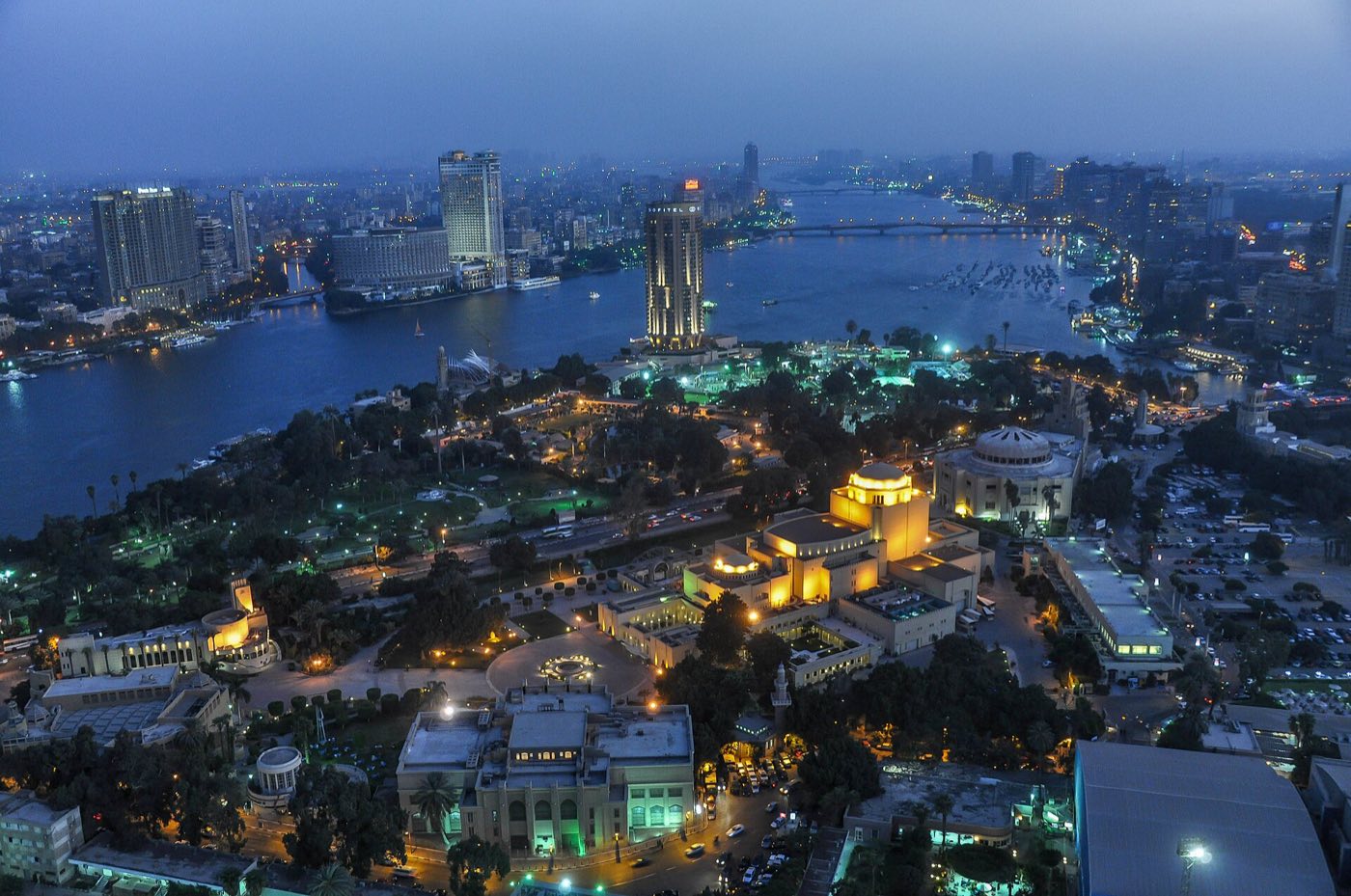
Egypt is a country organized along a single ribbon of water. Ninety-five percent of the population lives within a few miles of the Nile, and everything you'll likely want to see — the pyramids, the Valley of the Kings, the great temples at Karnak and Abu Simbel — was built within sight of it. The desert starts abruptly at the edge of the green, and you feel the contrast every time you drive out of Cairo or Luxor. What stays with you is the scale of the past. Standing at the base of the Great Pyramid, you are looking at a structure that was already more than a thousand years old when Cleopatra was born. The hieroglyphs in the Valley of the Kings still hold their paint. Even the tourist-worn stones at Karnak have a weight that doesn't quite flatten when the tour buses show up at nine in the morning. Come early, stay late, and you will get the quiet you came for. Beyond the monuments, Egypt rewards travelers who like their cities loud and their landscapes stark. Cairo is chaotic, warm, and full of the best street food in North Africa. The Red Sea coast runs turquoise-clear and sits on top of some of the finest coral reefs in the world. The Western Desert opens into chalk formations, oasis towns, and empty skies. Plan a proper two weeks if you can — rushing Egypt is the fastest way to exhaust yourself and see it only in glimpses.
Things to Do
Pyramids of Giza and the Great Sphinx
The last surviving wonder of the ancient world sits at the western edge of Cairo's sprawl, close enough that you can see the Great Pyramid from certain hotel balconies. Arrive at opening — seven in the morning in winter, earlier in summer — to beat the tour buses and the hawkers. Buy the extra ticket to enter Khufu's pyramid if you don't mind a low, hot, claustrophobic climb to the King's Chamber. Walk or ride a camel out toward the panoramic viewpoint, then circle back to the Sphinx. Pair the morning with an afternoon at the new Grand Egyptian Museum across the plaza, where Tutankhamun's treasures now live in full.
Valley of the Kings in Luxor
On the west bank of the Nile, sixty-plus royal tombs cut into the limestone cliffs hold some of the most vivid painted walls you will see anywhere. Your standard ticket covers three tombs, so choose carefully — Ramses VI's long descending corridors and Seti I's astronomical ceilings reward the extra fees. Go before ten in the morning, hydrate seriously, and ignore the people telling you to hire them as guides inside the tombs; rangers enforce silence, and the paint does the talking. Combine with the nearby mortuary temple of Hatshepsut for a full west-bank morning.
Karnak Temple complex
The largest religious building ever constructed, Karnak grew over two thousand years as successive pharaohs added halls, pylons, and obelisks. The Great Hypostyle Hall — 134 columns, the tallest nearly seventy feet — is the single most impressive ancient interior on the planet, and it never quite photographs the way it feels in person. Come late in the afternoon, when the light turns the sandstone copper and the crowds have thinned. The sound-and-light show at night is dramatic if slightly dated, and skippable if you'd rather eat dinner on a hotel terrace overlooking the river.
Abu Simbel temples
Ramses II's twin rock-cut temples sit at the far southern edge of the country, a three-hour drive from Aswan through pure desert. The four sixty-foot statues of Ramses guarding the entrance are the image, but the inner halls — painted reliefs of the Battle of Kadesh, a sanctuary where the sun still strikes Ramses's face twice a year — are the real prize. Most travelers do this as a long day trip from Aswan, leaving at four in the morning and back by early afternoon. Worth every minute of the predawn start.
Egyptian Museum in Cairo
With the Grand Egyptian Museum now open in Giza, the original Tahrir Square museum has become quieter and in some ways more interesting — a hundred-year-old red building stuffed with the collections that didn't make the move. The mummy rooms remain here for now, along with thousands of smaller artifacts that repay slow wandering. Two to three hours is about right; if you want depth, hire an Egyptology graduate as a guide at the entrance for a few hundred pounds and let them pick the hundred best pieces out of the tens of thousands on display.
Nile felucca or cruise from Luxor to Aswan
A multi-day boat between Luxor and Aswan is still the most atmospheric way to see Upper Egypt. Larger cruise ships stop at Edfu and Kom Ombo temples along the way, include meals and guided visits, and deliver you refreshed to the next big city. For something slower and more personal, hire a felucca — the traditional single-sailed boat — for two or three nights, sleeping on deck under the stars and cooking over a small fire on a sand bank. The felucca option is lower-key and assumes you will be rougher it; both have their place.
Red Sea diving at Sharm el-Sheikh and Hurghada
The Egyptian Red Sea holds some of the most colorful and accessible coral reefs anywhere, and the diving infrastructure is long-established and cheap by European standards. Sharm el-Sheikh sits at the tip of the Sinai Peninsula with easy access to Ras Mohammed National Park and the legendary wreck of the SS Thistlegorm, while Hurghada across the water offers reefs closer to the Luxor circuit. Live-aboard boats running the northern wrecks and the southern Brothers and Daedalus reefs are the serious divers' choice, but day boats from any resort town will get you good wall dives and calm, warm water.
White Desert camping
A five-hour drive southwest of Cairo, past the oasis town of Bahariya, the White Desert opens into a surreal landscape of chalk formations shaped by wind into mushrooms, icebergs, and domes. You camp overnight with a local operator, sharing a dinner cooked in the sand and sleeping in a simple shelter or under the stars. The silence is total, the Milky Way is absurd, and the rising sun turns the chalk gold at about six in the morning. Usually combined with Bahariya's hot springs and the Black Desert on a three-day loop out of Cairo.
When to Go
October through April is the main season, with comfortable temperatures in Cairo and Luxor, warm Red Sea water, and the best Nile cruising conditions. December and January can feel cool at night in Upper Egypt — bring a fleece — but the daytime weather at the pyramids is perfect. Avoid June through August in Luxor, Aswan, and the Western Desert, where afternoon temperatures regularly exceed 40°C and sightseeing becomes brutal. The Red Sea coast stays viable year-round, and for serious divers the water is warmest and clearest from September through November.
Getting Around
Domestic flights are the practical way to cover the long distances — Cairo to Luxor in an hour, Cairo to Aswan or Sharm in about 90 minutes, and fares are reasonable if booked a week or two ahead on EgyptAir. Overnight sleeper trains between Cairo and Luxor or Aswan are the romantic alternative and work well. Within Cairo, Uber and the local Careem app are far easier than flagging taxis, and the metro is cheap if limited. For the Western Desert or a Sinai road trip, hire a driver with a 4x4 — self-driving is legal but traffic in Cairo is its own sport, and checkpoints outside the tourist zones go smoother with a local at the wheel.
Cost & Currency
Egypt uses the Egyptian pound (EGP), and sustained inflation has made it one of the world's best travel values in 2026 — your dollar or euro goes considerably further than it did a few years ago. Budget roughly EGP 100–200 for a casual local meal of koshari or grilled chicken, EGP 800–1,500 a night for a comfortable mid-range hotel in Cairo or Luxor, and a few hundred pounds for entry to each major site. Carry cash in small denominations for tipping — baksheesh is woven into the culture, and small tips to bathroom attendants, tomb guards, and drivers are expected. Cards are fine at hotels and larger restaurants; ATMs are plentiful in cities.
Frequently Asked Questions
- Do I need a visa to visit Egypt?
- Most travelers do, and the easiest route is the official e-visa — apply online at visa2egypt.gov.eg a week or two before you fly, for a single- or multiple-entry tourist visa. A visa-on-arrival is still available at major airports for many nationalities for USD 25 in cash, though the online option saves queue time.
- Is Egypt safe for travelers?
- The main tourist circuit — Cairo, Luxor, Aswan, the Red Sea resorts, and Sinai's southern tip — is well-policed and generally safe for visitors, with tourist police stationed at every major site. The Sinai interior north of Sharm, the Western Desert near the Libyan border, and parts of the Nile Delta carry higher advisories; check your government's guidance close to travel.
- How much should I tip in Egypt?
- Small, frequent baksheesh is normal — EGP 20–50 for hotel staff, porters, and drivers for short tasks, and 10–15% at a sit-down restaurant if service charge is not included. Tomb guards, mosque shoe-minders, and bathroom attendants all expect small notes; keep a stack of 10- and 20-pound bills in an accessible pocket so you are not breaking hundreds all day.
- Is the tap water safe to drink?
- No — stick to bottled or filtered water, including when brushing your teeth, for at least the first few days. Most restaurants serve sealed bottled water, and refill stations with filters are common in mid-range hotels. Ice at reputable hotels and restaurants is fine; be more cautious at casual street stands.
- How long should I plan for a first trip?
- Ten to fourteen days is a comfortable first visit — two or three nights in Cairo, three or four in Luxor and Aswan with a Nile cruise between them, and the remainder split between Abu Simbel and either Red Sea diving or a White Desert overnight. Shorter than a week and you will spend too much time in transit; longer rewards you with the Sinai or the Western Desert.
Plan a Trip to Egypt
Have you been to Egypt?
Track 195 countries, 50 states & 63 national parks on your map