Bhutan
- Capital
- Thimphu
- Population
- 787K
- Currency
- BTN
- Languages
- Dzongkha
Overview
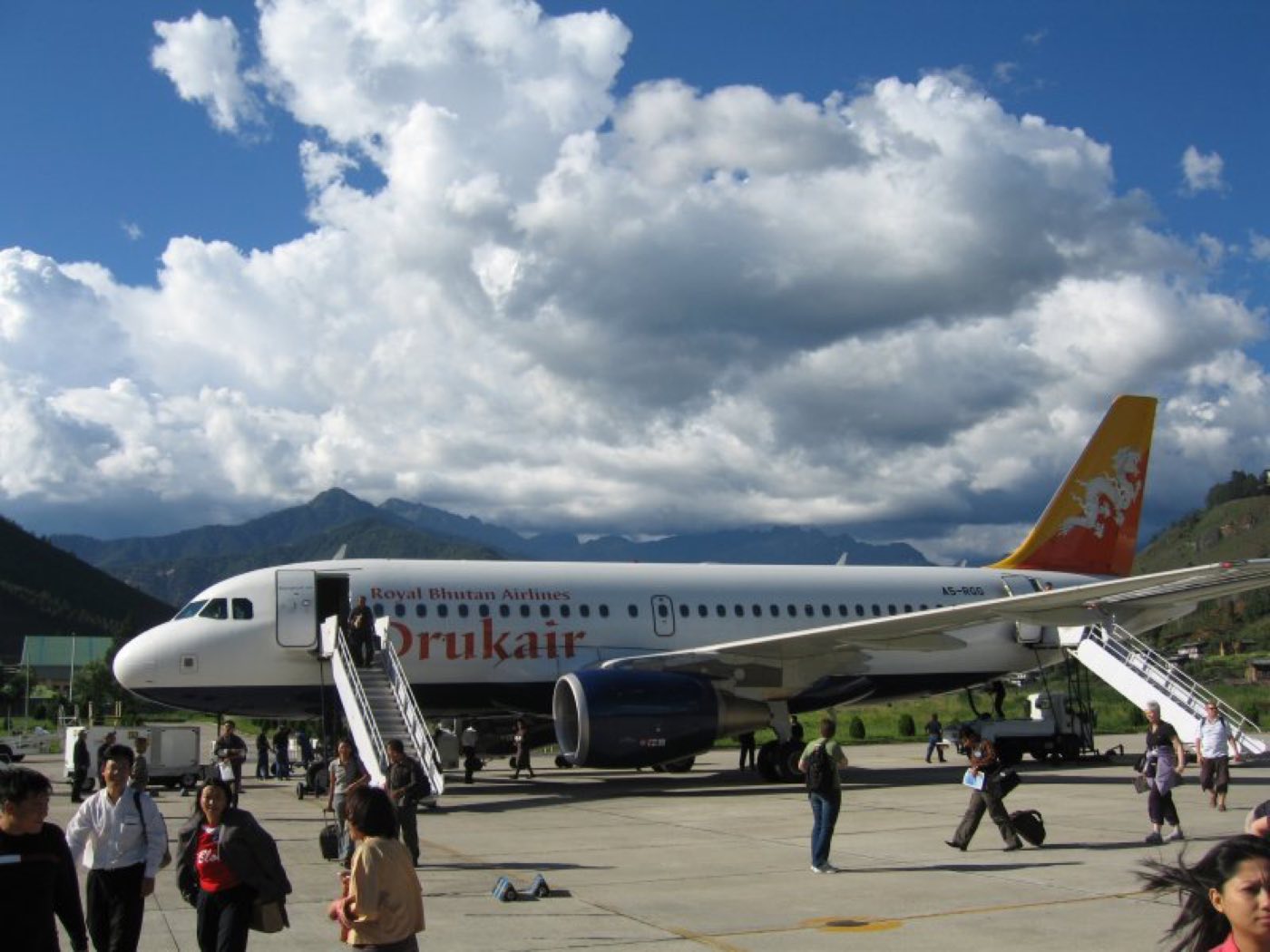
The last Himalayan Buddhist kingdom measures prosperity in happiness, protecting its pristine landscapes and rich cultural heritage with low-impact tourism. Visitors come to trek to the cliff-hanging Tiger's Nest monastery, witness colorful festivals, and breathe the mountain air. What strikes you first is the quiet. Paro International Airport sits in a narrow valley between peaks and the approach in — a tight turn between ridges that only a handful of pilots in the world are qualified to fly — sets the scale of the country before you have left the plane. The towns themselves are small and unhurried, prayer flags strung across the passes, white-washed dzongs at the head of every valley, and more trees than anywhere else in Asia on a per-capita basis. Roughly 70% of the country is still forest, and the constitution requires it to stay that way. Bhutan rewards travelers who are willing to pay for access to one of the last genuinely protected cultures on the planet. The Sustainable Development Fee of roughly US$100 per day is not small, but it funds the infrastructure and conservation that keep the country what it is, and it screens out the crowds you would otherwise expect at a place like Tiger's Nest. Go for a week or ten days with an appetite for slow travel, monastery visits, and afternoons spent walking through pine forest with a guide who knows whose festival is happening when.
Things to Do
Tiger's Nest Monastery (Paro Taktsang)
The monastery clings to a granite cliff 900 meters above the Paro Valley, its white walls and gold roofs looking painted onto the rock from certain angles. The hike up takes two to three hours each way on a well-maintained trail with a tea house at the halfway point, and you do not need to be a serious hiker — just take it slow and acclimatize properly first. Go early; the light on the monastery from the opposite ridge around 9 am is the image you came for.
Punakha Dzong fortress-monastery
The winter residence of Bhutan's central monk body, Punakha Dzong sits at the confluence of the Pho Chhu and Mo Chhu rivers and is widely considered the most beautiful dzong in the country. In spring, the jacarandas along its walls bloom purple against the whitewash. Cross the covered wooden bridge to enter, walk through the three courtyards, and take the time to look up at the painted murals in the main assembly hall — they are the real thing.
Thimphu's Memorial Chorten and Buddha Dordenma statue
The capital is small enough to walk, and two sights anchor a day there. The Memorial Chorten, built in 1974 for the third king, is where Thimphu residents circumambulate in the mornings — join them for a loop with the prayer wheels. Then drive up to the Buddha Dordenma, a 51-meter gilded bronze Buddha on a hillside above the city, visible from almost anywhere in the valley and housing 125,000 smaller Buddha statues inside it.
Dochula Pass with 108 chortens
At 3,100 meters on the road between Thimphu and Punakha, the Dochula Pass holds 108 memorial chortens built by the queen mother in 2003, arranged in three tiers on a small hill. On a clear day — more likely in October and November — the eastern Himalayas including Gangkhar Puensum, the world's highest unclimbed mountain, fan out behind them. Stop at the cafeteria for ginger tea and the best pass-view photograph in the country.
Bumthang Valley temples and festivals
Bumthang, in central Bhutan, is a group of four valleys widely considered the cultural and spiritual heartland of the country, with some of its oldest temples — Jambay Lhakhang, Kurjey Lhakhang, the tiny Tamshing — still in continuous use. The Jambay Lhakhang Drup in October, with its fire-dance purification ritual held at night, is one of the more extraordinary festivals you can attend anywhere. Stay at least two nights to do the valley justice.
Gangtey Valley black-necked crane habitat
The broad glacial valley of Phobjikha in central Bhutan is winter habitat for hundreds of endangered black-necked cranes, which arrive from the Tibetan plateau in late October and stay until February. The Black-Necked Crane Festival in November at Gangtey Goempa is a local celebration rather than a tourist event, with school children in crane costumes and genuine community atmosphere. Any other time of year, the valley is a beautiful place to walk and overnight at one of the small lodges on the rim.
Haa Valley cultural immersion
Only opened to foreigners in 2002, the Haa Valley is the least-visited of the western valleys and feels correspondingly uncommercialized — apple orchards, traditional farmhouses, two whitewashed temples (Lhakhang Karpo and Lhakhang Nagpo) said to have been built in a single day in the seventh century. The drive in from Paro crosses the Chele La pass at 3,988 meters, the highest paved road in Bhutan, with views of the sacred Mount Jomolhari on clear mornings.
When to Go
March to May for rhododendron blooms and clear Himalayan views, or September to November for crisp autumn skies and peak festival season. Winters are cold but offer uncrowded monasteries and dramatic snow-dusted peaks. The Tsechu festivals — Paro in spring and Thimphu in autumn — are the cultural peaks of the year and worth timing a trip around, though hotels book out well in advance. Monsoon season from late June through August brings heavy rain, landslides on the highways, and limited flying conditions at Paro, so most operators steer away from those months.
Getting Around
Almost all travel within Bhutan is by road in a vehicle arranged by your tour operator — private rental cars for foreigners do not really exist in the way they do elsewhere, and your daily fee covers a driver and guide. Roads are paved on the main east-west lateral highway but narrow and slow, with frequent landslide delays during the monsoon months of June through September. Drukair and Bhutan Airlines run short domestic flights between Paro and Bumthang that save a full day of driving each way. Walking within towns is easy; Thimphu has no traffic lights — the capital is famously policed by a single uniformed officer on a podium directing traffic.
Cost & Currency
Bhutan's currency is the ngultrum (BTN), pegged one-to-one with the Indian rupee, and Indian rupees are accepted interchangeably (except 500 and 2000 rupee notes, which are not). The big number to plan around is the Sustainable Development Fee of roughly US$100 per adult per day, which is on top of your trip cost and funds education, healthcare, and conservation; most visitors book through a licensed operator whose quoted all-in price bundles this fee with guide, driver, hotels, and meals and runs US$250–$400 per person per day. Cards work at larger hotels in Thimphu and Paro; carry cash in ngultrum or rupees for crafts and smaller purchases.
Frequently Asked Questions
- Do I need to book Bhutan through a tour operator?
- Yes — all foreign tourists (except nationals of India, Bangladesh, and the Maldives) must book through a Bhutanese-registered tour operator, who arranges your visa, guide, driver, accommodation, and meals. Independent travel in the way you might in Nepal is not possible, and the system is part of how the country manages tourist numbers.
- How does the Sustainable Development Fee work?
- The SDF is roughly US$100 per adult per day for most nationalities and US$15 for Indian nationals, paid on top of your tour cost. It funds government healthcare, free education, infrastructure, and conservation — the revenue is what pays for the country's protected-forest policy and its universal free school system.
- Will I get altitude sickness?
- Paro and Thimphu sit at 2,200–2,400 meters and most travelers adjust within a day or two. The high passes at Dochula and Chele La cross 3,000 meters briefly without issue, and only high trekking routes like the Druk Path or Jomolhari Trek push into altitudes where acclimatization really matters. Drink water, skip alcohol the first night, and move slowly at Tiger's Nest.
- Is the food any good?
- Yes, if you like chili. The national dish, ema datshi, is fresh chilies stewed in a cheese sauce, and chili features in almost every meal — Bhutanese eat the pepper as a vegetable, not a spice. Hotels prepare a tamer version for visitors, and Tibetan momos, buckwheat noodles, and red rice round out most meals. Vegetarians are well catered for everywhere.
- How long should I plan for a first trip?
- Seven days is the comfortable minimum, covering Paro, Thimphu, Punakha, and Gangtey with a Tiger's Nest hike. Ten to twelve days lets you add Bumthang in the central valleys without rushing; anything less than a week and you will feel like you spent it all in a car between dzongs.
Plan a Trip to Bhutan
Have you been to Bhutan?
Track 195 countries, 50 states & 63 national parks on your map