Cabo Verde
- Capital
- Praia
- Population
- 600K
- Currency
- CVE
- Languages
- Portuguese
Overview
A volcanic archipelago floating 350 miles off the Senegalese coast, Cabo Verde is ten islands of basalt peaks, trade-wind beaches, Portuguese colonial squares, and the slow, melancholic music known as morna that Cesária Évora carried to the world. Travelers come for hikes through the ridged interior of Santo Antão, windsurfing on Sal, and the Crioulo rhythms of Mindelo. The islands feel both African and Atlantic at once. You hear Portuguese at the airport and Creole in the bars; the food is cachupa stewed all day from corn and beans; the rum is called grogue and gets poured at ten in the morning at small counters where old men play ouril with pebbles. Each island has its own character, and getting between them — by ferry or by the small inter-island planes — becomes part of the trip rather than a chore. Cabo Verde rewards travelers who like their beaches unmanicured and their evenings spent listening to live music in small bars. Sal and Boa Vista handle the package-holiday crowd on long flat stretches of sand; Santo Antão is for walkers; São Vicente is for the music; Fogo is for the volcano. Five days won't do the country justice — plan ten, move slowly, and let the time zone difference with Europe ease you into the rhythm.
Things to Do
Mindelo's live music scene and Carnival
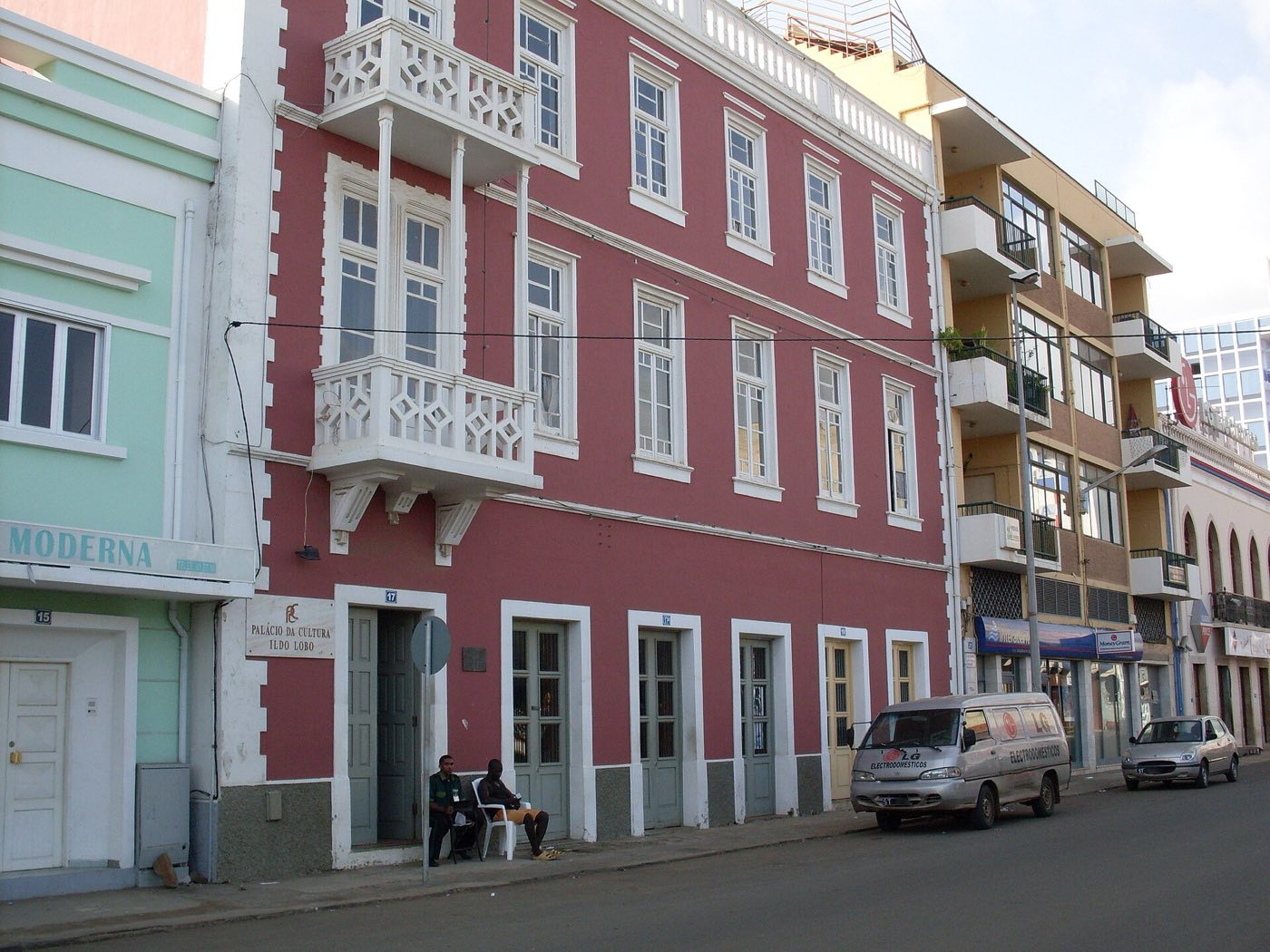
São Vicente's harbor town is the cultural capital of the archipelago — a pastel-painted port where morna, coladeira, and funaná play out of bars every night of the week. The small venues around Rua de Lisboa and the seafront start late and run later, and the musicians who backed Cesária Évora still sit in with whoever is passing through. If you can time your visit for February, Mindelo's Carnival is the wildest in West Africa outside Bissau — drums, feathered costumes, and three straight days of street parties.
Santo Antão hiking trails and ribeiras
A one-hour ferry from Mindelo lands you on Santo Antão, the greenest and most vertical island in the archipelago. The ribeiras — steep-sided valleys where terraced sugarcane, coffee, and mango plantations cling to impossible slopes — connect by old cobblestone paths that once linked villages before roads existed. The walk from Cova crater down into Paul Valley is the classic day out: five hours of switchbacks through cloud forest, banana groves, and whitewashed hamlets, ending at a grogue distillery near the coast.
Sal's Santa Maria beach and salt mines
Sal is the flat desert island the package flights land on, and the main town of Santa Maria anchors a ten-kilometer arc of white sand and consistent trade winds. Windsurfers and kitesurfers come from November through May for some of the most reliable conditions on Earth. Pedra de Lume, a salt crater on the eastern side where seawater seeps through the rock and evaporates into a natural floating pool, is the one unmissable excursion off the beach.
Fogo volcano crater and wine village
Fogo means fire, and the island is essentially a single active volcano rising 9,000 feet from the ocean. Inside the caldera sits Chã das Caldeiras, a village of two hundred people who farm the black volcanic soil to produce the strangest and best wine in West Africa. You climb the cone itself in five hours of loose scree and descend in forty minutes by running-jumping down the ash. Stay two nights in the caldera; a day trip from São Filipe isn't enough.
Boa Vista's desert beaches and turtle nesting
The second-largest island is mostly dunes and empty Atlantic beach — Santa Monica stretches for eighteen kilometers without a building on it. From June through October, loggerhead turtles come ashore at night to nest, and licensed night tours from Sal Rei let you watch the process without disturbing it. The rest of the year it's quad-bike trips across the Viana desert, simple fish lunches in Cabral, and beaches so wide you can walk an hour without passing anyone.
Cidade Velha UNESCO colonial site on Santiago
The original capital, on the main island of Santiago, was the first European city in the tropics — founded in 1462 and briefly one of the busiest slave-trading ports in the Atlantic. The ruins of the Sé Catedral, the pelourinho whipping post in the central square, and the clifftop Fort of São Filipe together tell a history that the country is still reckoning with. A short drive from Praia, the current capital, and worth at least half a day.
São Vicente's Baia das Gatas music festival
Every August full moon, a protected bay ten kilometers from Mindelo fills with tents, stages, and forty thousand people for a free three-day music festival that pulls the biggest names in Cape Verdean and West African music. Book a room in Mindelo months ahead — the festival predates the country's tourist infrastructure and accommodation remains the bottleneck. If you can swing it, this is the best three nights you'll have in the islands.
When to Go
November through June is the dry, cooler stretch — daytime highs around 25 C, warm Atlantic water, and the trade winds kicking up reliably for surfers and sailors. December through April is the sweet spot for most travelers, though February brings Mindelo's Carnival and is worth the extra crowds. August through October is the short rainy season, hotter and more humid with occasional storms, but also the only time Santo Antão's ribeiras turn fully green and the loggerhead turtles nest on Boa Vista. Avoid late August if you don't want the Baia das Gatas festival crowds around Mindelo — unless that's exactly what you came for.
Getting Around
Cabo Verde is an archipelago, so moving around means planes or boats. TACV and Bestfly run inter-island flights connecting Praia, Sal, São Vicente, Boa Vista, Fogo, and São Nicolau — book ahead, especially in high season, as schedules thin out and cancellations happen. The Mindelo-Porto Novo ferry to Santo Antão runs multiple times daily and is the only way to reach that island. Within each island, shared aluguer minibuses run fixed routes for a few hundred escudos, while taxis are metered in cities and negotiated elsewhere. For Santo Antão, Fogo, or the interior of Santiago, hiring a 4x4 with driver for a day or two is the practical call — rental cars make less sense than you'd think given the distances involved.
Cost & Currency
The country uses the Cape Verdean escudo (CVE), pegged to the euro at about 110 to 1. Sal and Boa Vista, geared to package tourism, run more expensive — expect €80–€150 a night for a comfortable beach hotel and €15–€25 for a sit-down dinner of grilled tuna or lobster. The other islands are notably cheaper: a family-run guesthouse in Mindelo or São Filipe runs €30–€60, a cachupa lunch €5–€8, and a glass of grogue under €2. Euros are widely accepted alongside escudos in the tourist islands but useless elsewhere — change enough cash on arrival. ATMs work in Praia, Mindelo, and Sal but are unreliable on smaller islands. Tipping is light: round up the bill, or 5–10% at restaurants aimed at foreigners.
Frequently Asked Questions
- Do I need a visa to visit Cabo Verde?
- Most travelers can enter visa-free for up to 30 days by paying the mandatory Taxa de Segurana Aeroportuaria (airport security fee) of around €35 before arrival via the online EASE portal. Check the current entry requirements a few weeks before you fly, as the system has changed several times.
- Which island should I go to first?
- If you want beach and reliable weather, start on Sal or Boa Vista. If you want culture, music, and hiking, fly straight to São Vicente or Santiago and build from there. Most travelers combine two islands over a week — Sal plus Santo Antão via Mindelo is a popular and varied pairing.
- Is English widely spoken?
- Portuguese is the official language and Cape Verdean Creole is what locals speak among themselves. English is reasonable in the tourist hotels on Sal and Boa Vista but thin elsewhere — a working French or Portuguese vocabulary will help considerably, particularly on Fogo, Santo Antão, and Santiago outside Praia.
- Is Cabo Verde safe for travelers?
- Generally yes — Cabo Verde is among the safer countries in West Africa, with petty theft (phone snatching, beach pickpocketing in Santa Maria) the main concern. Avoid flashing valuables in Praia after dark and keep an eye on bags at the Mindelo ferry terminal, which is the one consistent hotspot.
- Can I drink the tap water?
- No — tap water across the archipelago is not reliably potable for visitors and most locals drink bottled water too. Bottled water is cheap and available everywhere. Ice at reputable restaurants on the tourist islands is fine; use more caution on Fogo, Santo Antão, and in rural parts of Santiago.
Plan a Trip to Cabo Verde
Have you been to Cabo Verde?
Track 195 countries, 50 states & 63 national parks on your map