Senegal
- Capital
- Dakar
- Population
- 17.7M
- Currency
- XOF
- Languages
- French
Overview
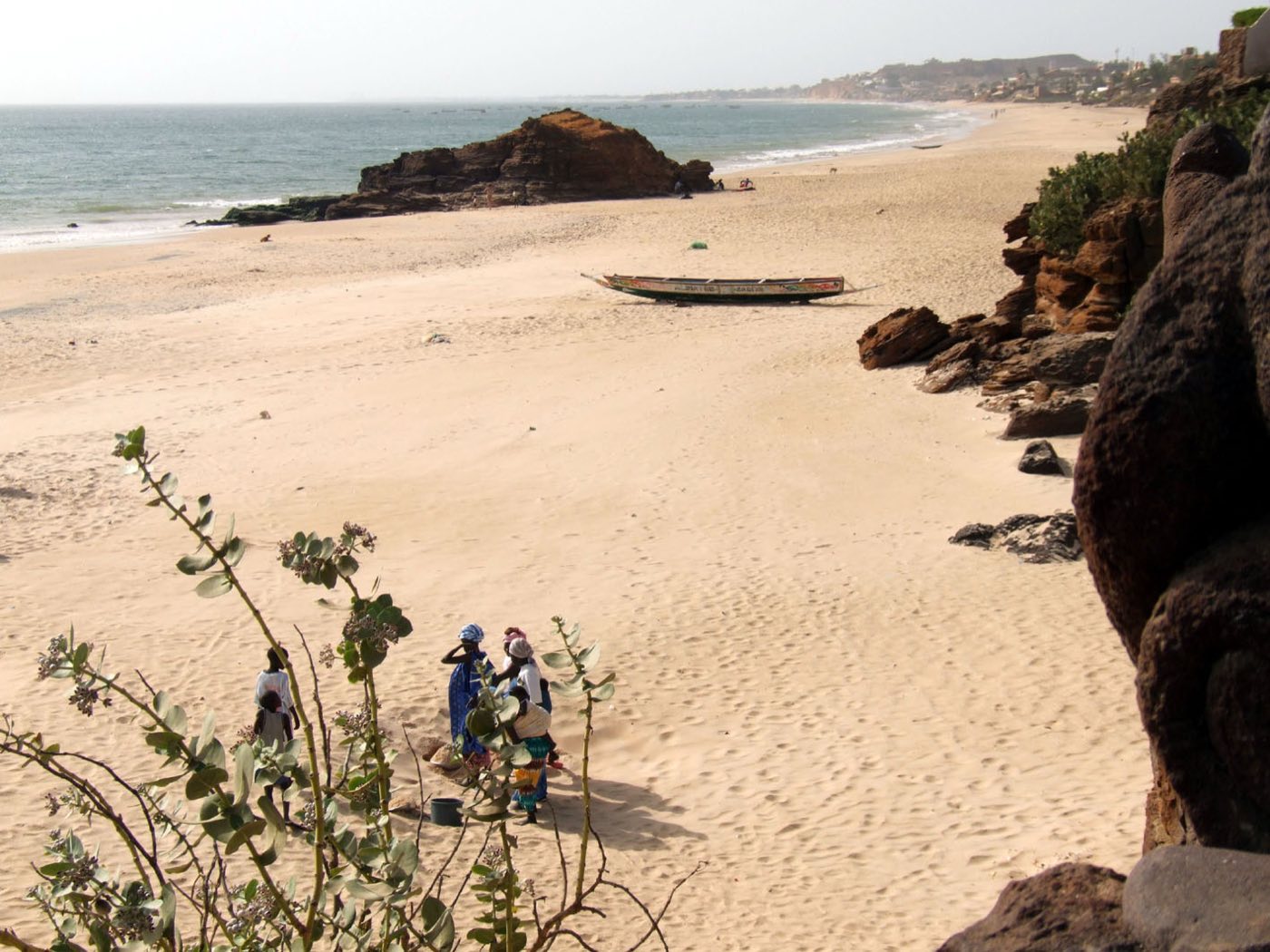
West Africa's western gateway is a country of Wolof music, Atlantic surf, and a cultural confidence that spills out of Dakar and fans across the whole country. Travelers come for the moving slave house on Gorée Island, the flamingo-heavy wetlands of the Djoudj delta, baobab-studded savannah in the Sine Saloum, and a capital city whose art, music, and fashion rival anywhere on the continent. You arrive in Dakar and the city reaches for you immediately — mbalax drums pouring out of shop doorways, women in wax-print boubous walking three abreast, the smell of grilled fish and jus de bissap. The Atlantic wraps around three sides of the peninsula, and in the mornings the light comes off it in a way that gives the whole city a lifted, clean quality. Head south past the airport and you find N'Gor and Yoff, beach neighborhoods where surf breaks peel perfectly and the fishing pirogues still launch at dawn. Senegal rewards travelers who want a serious, welcoming introduction to francophone West Africa. It's stable, the roads work, the food is excellent, and teranga — the Wolof word for hospitality that the whole country takes as its creed — is real enough that you'll feel it within an hour of landing. Come with a phrasebook, cash in small denominations, and time to let afternoons unfold at their own pace.
Things to Do
Gorée Island slave house and museum
A twenty-minute ferry from Dakar's downtown port drops you at a small island of pastel colonial houses, bougainvillea, and narrow car-free lanes. The Maison des Esclaves is the gut-punch at its center — a pink-walled house with a Door of No Return that opens straight to the Atlantic, preserved as a memorial to the millions sent through ports like this one. The island also holds a fort-top museum, Senegalese painters' studios, and a handful of simple restaurants where you can have lunch on a terrace before the late-afternoon ferry back.
Lake Retba (Lac Rose) pink lake
An hour northeast of Dakar, a shallow lagoon separated from the ocean by a dune bar turns pink in the dry season, the result of extreme salinity and a particular algae that thrives in it. Salt harvesters wade in waist-deep with butter on their skin to protect against the brine, shoveling crystals into pirogues that look like they're floating on rosé. You can ride a 4x4 over the dunes to the Atlantic a few kilometers away, where a long empty beach is usually yours alone.
Dakar's African Renaissance Monument and art scene
The 49-meter bronze figures on a hilltop in Ouakam are controversial, enormous, and genuinely striking — and they mark the entry point into Dakar's contemporary art circuit, which has become one of Africa's most serious. Visit the Museum of Black Civilisations downtown, the galleries of Point E, and the studios in Medina; time your trip with the Dak'Art Biennale in May of even years if you can. The music is everywhere, too — live mbalax most nights at Just 4 U and the neighborhood bars of Yoff.
Saint-Louis colonial town and Djoudj Bird Sanctuary
Four hours north of Dakar on the Mauritanian border, Saint-Louis sits on an island in the Senegal River, its low colonial buildings and iron Faidherbe Bridge giving it the feeling of a slower, saltier cousin to New Orleans. The late-May jazz festival draws musicians from across the continent. An hour further north, the Djoudj wetlands fill in the European winter with several million birds, including great white pelican colonies you can approach by pirogue.
Niokolo-Koba National Park safari
In the country's southeast, this Gambia River park protects savannah woodland inhabited by lions, elephants, hippos, and the last derby elands on Earth, though densities are lower than in eastern or southern Africa. It's a long drive from Dakar or a short flight to Tambacounda, and the reward is a wild, uncrowded park where a two-night stay at Simenti Lodge puts you on game drives you may well have to yourself. Best from January to April as waterholes concentrate wildlife.
Sine Saloum Delta mangrove islands
Three hours south of Dakar, the Saloum and Sine rivers meet the Atlantic and shatter into a maze of mangrove channels, shell islands, and sandbars. Stay at an eco-lodge on Mar Lodj or Niodior and explore by pirogue, spending mornings threading through the mangroves with a guide pointing out herons and the occasional manatee. Afternoons are for hammocks and fresh oysters grilled over charcoal, bought from the women who harvest them in the shallows.
N'Gor Island surfing near Dakar
A short pirogue ride off Dakar's northern tip, N'Gor Island has a right-hand point break that has drawn surfers since Bruce Brown filmed it for Endless Summer in 1966. The wave works from November through April on Atlantic groundswells and is friendly enough for competent intermediate surfers. The island itself is car-free with two small surf camps and a handful of fish restaurants, so you can paddle out at sunrise, eat thiéboudienne for lunch, and paddle out again in the afternoon.
When to Go
November through May is the dry season and the window for almost everything — comfortable heat, clear skies, wildlife concentrated at waterholes, and the rivers and birds of Djoudj at their peak from December through March. The harmattan blows dust down from the Sahara in December and January, hazing the sky and cooling the nights. The Saint-Louis Jazz Festival in mid-May is the cultural peak of the year. The rains from July through September green everything but make southern roads and Niokolo-Koba impractical.
Getting Around
Senegal's main roads are surprisingly good — the autoroute from Dakar through Thiès to Touba is smooth, and the paved routes to Saint-Louis, Kaolack, and the Gambian border are all workable. Shared sept-place Peugeot taxis run between every major town from central gares routières for a few thousand CFA; they leave when full, which can take an hour. Within Dakar, yellow-black taxis are metered in theory and negotiated in practice — agree the fare before getting in. Yango and Heetch ride-hailing work reliably in the capital. For the Sine Saloum, Niokolo-Koba, or Casamance, renting a car with a driver is the honest answer; roads branch off the main spine quickly.
Cost & Currency
Senegal uses the West African CFA franc (XOF), pegged to the euro at 655.957 — the same rate as all francophone West Africa. Prices are moderate: a plate of thiéboudienne at a neighborhood restaurant runs 2,500–5,000 CFA (€4–€8), a mid-range Dakar hotel 40,000–80,000 CFA, and shared taxis between towns 3,000–8,000 CFA. Cards work at larger Dakar hotels and a handful of supermarkets; everywhere else is cash. ATMs are reliable in Dakar and in every regional capital — withdraw in the city before heading into the delta or the east. Tipping is modest: round up at restaurants, a few thousand CFA to guides and drivers at the end of a day.
Frequently Asked Questions
- Do I need a visa to visit Senegal?
- Citizens of the US, UK, EU, Canada, and most Commonwealth countries do not need a visa for stays up to 90 days. You'll need a passport valid for at least six months beyond your arrival date and, in some cases, proof of a yellow fever vaccination — have the certificate on you at immigration.
- Is Senegal safe for travelers?
- Yes — Senegal is one of West Africa's most stable and welcoming countries, with very low violent crime against visitors. Petty theft happens around Dakar's markets and Gorée ferry queues, so watch phones and bags in crowded spots. The Casamance region south of Gambia has occasional issues near the Bissau border; check the situation before heading there.
- Do people speak English in Senegal?
- French is the official language and the one you'll need in almost every practical situation. Wolof is the lingua franca on the street and a few phrases — nanga def, jërëjëf — will earn you warm looks. English is limited to bigger hotels, tour operators, and a slice of Dakar's younger cosmopolitan crowd. A phrasebook is a serious tool.
- What vaccinations do I need?
- A yellow fever vaccination certificate is required if you're arriving from a country with risk of transmission and is strongly recommended regardless. Routine boosters plus typhoid and hepatitis A are sensible; malaria prophylaxis is essential if you're heading into rural areas, the Sine Saloum, or the southeast. Visit a travel clinic four to six weeks before departure.
- How long should I plan for a first trip?
- Ten days is a comfortable first visit — three nights in Dakar with Gorée and Lac Rose, two in Saint-Louis with the Djoudj sanctuary, and three in the Sine Saloum delta. Add three or four more days if you want Niokolo-Koba in the southeast or Cap Skirring and the Casamance beaches in the south.
Plan a Trip to Senegal
Have you been to Senegal?
Track 195 countries, 50 states & 63 national parks on your map