Togo
- Capital
- Lomé
- Population
- 8.8M
- Currency
- XOF
- Languages
- French
Overview
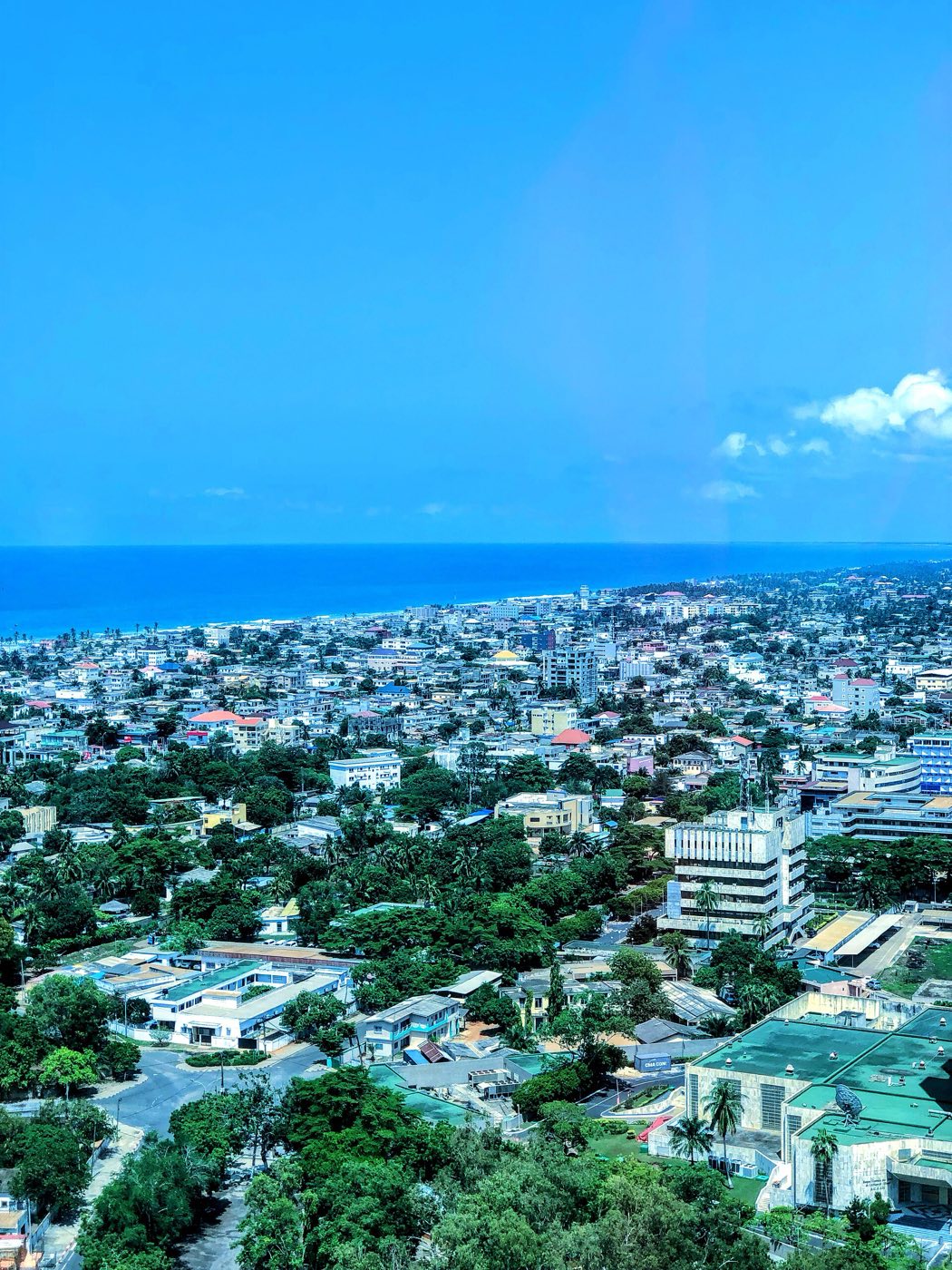
A narrow sliver of West Africa wedged between Ghana and Benin, Togo is about 560 kilometers long and in places only 50 wide — a country you can drive end-to-end in a long day. Travelers come for the Akodessewa fetish market in Lomé, for the mist-wrapped hills around Kpalimé, and for the Batammariba fortified villages of Koutammakou in the far north, which look like nothing else on the continent. Lomé itself is an easy introduction to francophone West Africa: a wide palm-lined corniche along the Atlantic, a covered market where the nana-benz women still run the wax-print trade, and a beach that stretches most of the way to the Ghanaian border. Stay two or three days before heading north, where the country opens up into a series of climatic zones — the Plateaux region's coffee and cocoa country around Kpalimé, the central savanna around Sokodé, and finally the red-earth Kabyé highlands with their staked sorghum and compound-style farming. Togo rewards travelers with the patience for francophone bureaucracy, variable roads, and a tourism sector that has been consistently underdeveloped compared to its neighbors. Combine it with Benin and Ghana on a three-country overland loop, or fly into Lomé and use it as a base for a week in the Plateaux and a flight or drive up to Kara for Koutammakou. French is the language that makes things happen; bring enough to handle hotels, drivers, and border crossings.
Things to Do
Akodessewa Fetish Market in Lomé
The world's largest traditional medicine and fetish market covers a few unassuming acres on the eastern edge of Lomé and supplies practitioners from across West Africa with the raw materials of Vodun practice — animal skulls, dried chameleons, monkey paws, feathered fetishes, and a hundred other ingredients most outsiders will find either striking or difficult. Visit with a guide (the small entry fee includes one) and photograph only with explicit permission. A consultation with a resident priest, arranged on site, runs around 10,000 CFA and is worth paying for if you are interested in the tradition rather than just the visual.
Koutammakou Batammariba fortified compounds UNESCO site
In the far north near the Benin border, the Batammariba people — whose name translates roughly as the people who mold earth — live in fortified mud-tower compounds called tata somba, each one a miniature castle with storage granaries above and sleeping rooms below. The site was inscribed by UNESCO in 2004 and is still fully inhabited. You visit with a local guide, pay a small entry fee, and are welcomed into compounds where the pace and scale of daily life have not changed in centuries. The drive from Kara is roughly two hours on a paved road.
Kpalimé and the surrounding waterfalls
Two and a half hours north of Lomé, Kpalimé is the country's adventure-travel hub — a market town at around 400 meters set against a backdrop of forested hills rising to Mount Agou. From base in town you can hike to the Kpime waterfall (20 minutes by taxi to the trailhead, a short walk in), the taller Womé falls further west, or go butterfly-spotting with local guides in the Missahoe forest. Two or three nights is about right; stay at Hotel Geyser or one of the newer ecolodges in the surrounding villages for the cooler microclimate.
Togoville voodoo shrines on Lake Togo
A short ferry across Lake Togo from Agbodrafo delivers you to Togoville, a village that was one of the original German colonial contact points and is today a pilgrimage center for Vodun practitioners across the region. The shrines are working religious sites, tended by families that have served them for generations. A local guide is required and will walk you through the protocol — what to approach, what to step around, what you can and cannot photograph. Combine with a lunch at one of the lakeshore grills on the south side.
Fazao-Malfakassa National Park
In the center of the country, Fazao-Malfakassa covers nearly 2,000 square kilometers of savanna and forest and is the largest protected area in Togo. Wildlife has been heavily hit by decades of poaching, and elephant and buffalo populations are shadows of their historical size, but antelope, monkeys, and birdlife remain rewarding for patient visitors. The park is best approached with a hired 4x4 from Sokodé and a local guide; accommodation inside is basic. Go if you want a genuine back-country Togo experience, not if you are looking for Serengeti-grade wildlife viewing.
Lomé Grand Marché
The central market of Lomé occupies several city blocks around the Assivito district and is one of the great West African commercial spaces — fabric on the ground floor, produce and household goods on the upper levels, and the nana-benz matriarchs running the wax-print trade from permanent stalls. It is denser and more overwhelming than the fetish market, and the photography rules are stricter — ask before pointing a camera at any individual. A morning walk with a local guide who knows which aisles to approach and how to bargain is the right introduction.
Mount Agou — Togo's highest peak
At 986 meters, Mount Agou is the highest point in Togo and rises dramatically above the Kpalimé plateau. A paved road runs almost to the top for non-hikers; the more rewarding approach is a half-day walk from the village of Nyogbo through coffee plantations and small farming hamlets with a guide arranged through your Kpalimé hotel. The summit has a telecommunications tower and, on clear mornings before the haze thickens, views across into Ghana and back toward Lomé. Start at dawn to beat the heat and the cloud.
When to Go
November through February is the dry season and the right time for most trips — clear skies, comfortable temperatures in the south, and cool nights in the Kpalimé hills and the Kabyé highlands. The Harmattan wind from December into January brings dusty haze and cooler temperatures, especially in the north. March through May is hot and increasingly humid, and the long rains from May through July make the dirt roads in the center and north genuinely difficult. The July Evala wrestling festival in Kara is a significant cultural event and worth timing for, but be prepared for rain. September and October are shoulder months with decent weather and fewer travelers.
Getting Around
Lomé is compact and walkable in the center; outside the core, shared taxis and zemidjan motorcycle taxis are the standard way to move around, with zemi fares in the capital generally 500–1,500 CFA depending on distance. For the country as a whole, the route nationale runs the full length from Lomé to the Burkina Faso border, and the paved sections are reasonable, though shoulders, livestock, and overloaded trucks keep average speeds modest. Shared minibuses and bush taxis serve every route — cheap, slow, and often oversold. For anything off the main road or a multi-day itinerary, hiring a car with driver (around USD 80–120 per day) is the sensible approach. Intercity trains no longer run for passengers.
Cost & Currency
Togo uses the West African CFA franc (XOF), pegged to the euro at 655.957 to 1 — handy shorthand for Europeans doing mental math. Prices are low: a plate of pâte with sauce or riz au gras in a local maquis runs 1,500–3,000 CFA, a mid-range hotel room in Lomé 25,000–50,000 CFA, and long-distance bush-taxi fares rarely exceed 10,000 CFA. Cards are accepted at upscale Lomé hotels and a handful of supermarkets; outside the capital essentially everything is cash. ATMs from Ecobank and UBA work reliably in Lomé and Kara; change euros or dollars at banks in Lomé before heading north. Tipping is modest — round up at a sit-down restaurant, and a few thousand CFA to a driver at the end of a day's drive.
Frequently Asked Questions
- Do I need a visa to visit Togo?
- Most travelers need a visa and should apply for the official e-visa at voyage.gouv.tg before arrival, typically issued within a few days for around USD 80. A short seven-day visa on arrival is also available at Lomé airport for roughly USD 40, extendable at the immigration office in Lomé. Yellow fever vaccination is required for entry, and you will be asked for the certificate.
- Is Togo safe for tourists?
- Lomé and the south are generally safe, with petty theft the main concern in crowded markets and transit hubs. The far north near the Burkina Faso border has been affected by Sahel-region insecurity, and several governments advise against travel to the Savanes region — check your government's current guidance before planning anything north of Dapaong. Koutammakou itself has remained accessible but the situation is fluid.
- What vaccinations do I need?
- Yellow fever vaccination is legally required for entry to Togo — you will be asked for the certificate on arrival. Routine boosters plus typhoid, hepatitis A, and meningitis (for travel in the dry-season meningitis belt) are recommended, and malaria prophylaxis is essential year-round. A travel-clinic consultation six to eight weeks before departure gives time to complete any multi-dose schedules.
- Do people speak English in Togo?
- French is the official language and the practical working language in Lomé, the north, and across tourism — English is rare outside a handful of upscale hotels and a small number of tour operators. A working French vocabulary makes the trip considerably smoother. In the southeast around Lomé, Ewe is widely spoken and shares vocabulary with Ghanaian Ewe; in the north, Kabyé and other local languages dominate.
- Can I combine Togo with Ghana and Benin?
- Yes — this three-country overland loop is a classic West Africa itinerary and the land borders between them work well for independent travelers. Lomé to Cotonou in Benin is a two-hour drive across a straightforward border; Lomé to Accra is six or seven hours with a more involved crossing at Aflao. A two-week loop — Accra, Lomé and Kpalimé, Cotonou, Abomey and Ouidah — is a well-proven shape.
Plan a Trip to Togo
Have you been to Togo?
Track 195 countries, 50 states & 63 national parks on your map