Ghana
- Capital
- Accra
- Population
- 33.5M
- Currency
- GHS
- Languages
- English
Overview
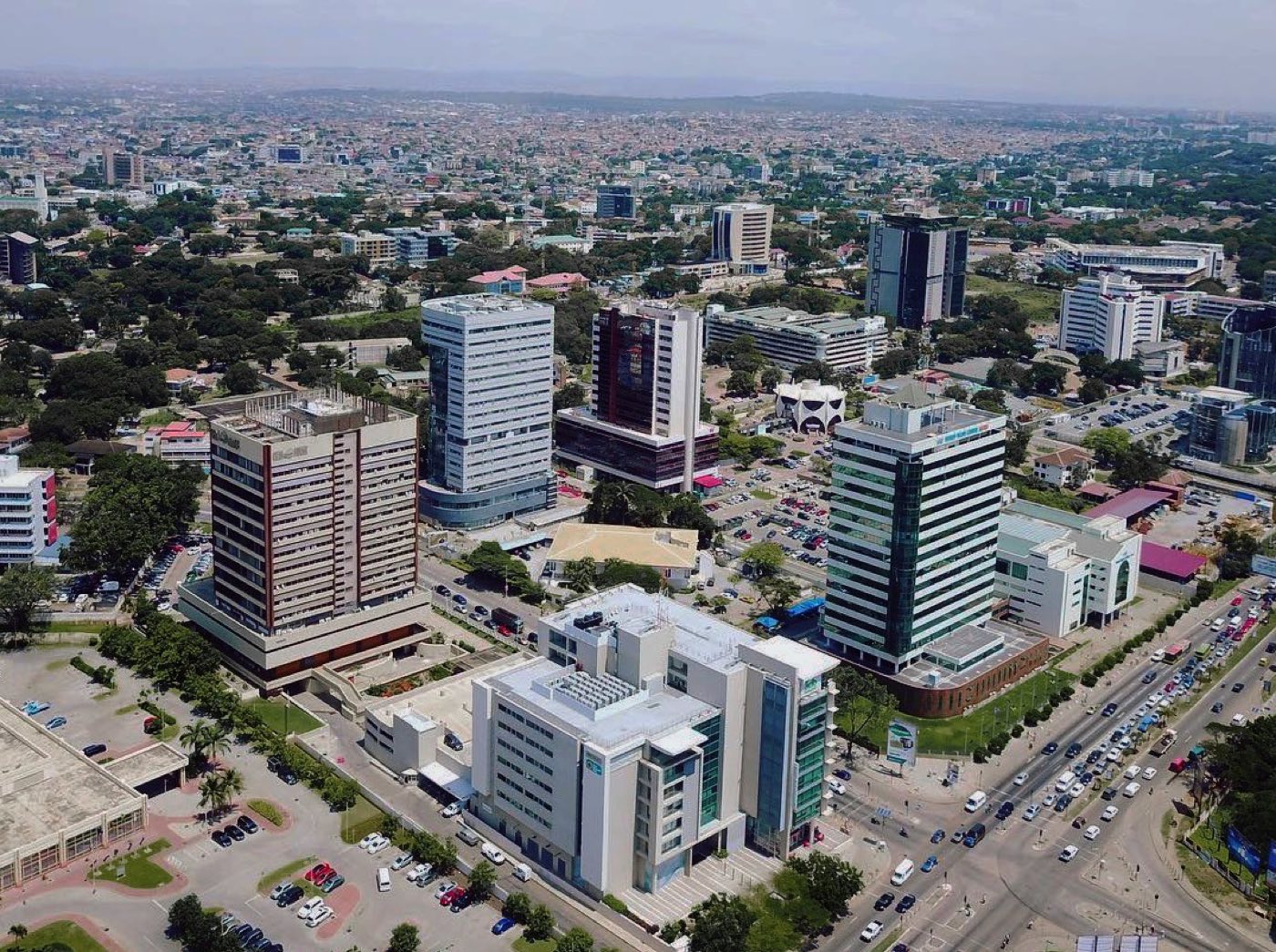
A West African democracy with an English-speaking, famously welcoming culture, Ghana is the easiest soft landing on the continent for a first-time visitor and a country that repays depth in unusual measure. Travelers come for the Atlantic slave-trade castles at Cape Coast and Elmina, the Kente-weaving and Ashanti gold-working heartlands around Kumasi, a lively Accra art and music scene, and the drumming festivals that run most weekends of the year somewhere in the country. You feel the warmth almost immediately. Strangers greet you on the street — akwaaba, welcome — and mean it. In Accra the traffic is heavy, the beach suburbs of Labadi and Jamestown are loud with live highlife music after dark, and the art scene around Jamestown Café and Gallery 1957 is producing work that gets noticed in London and New York. Drive four hours west along the coast and you reach Elmina and Cape Coast, where the whitewashed European castles on the headlands are the heaviest and most important sites in the country — the holding points for captives before the Middle Passage. Ghana rewards travelers who want a West Africa trip that doesn't fight them at every logistical turn. Buses run on time, tro-tros get you anywhere cheaply, visas are easy, and a working knowledge of English covers almost any situation. It's a trip built for people who come for history and music, who are happy to trade beach resort polish for neighborhood chop bars, and who can handle a little Accra traffic and the occasional afternoon downpour. Go with a week at minimum, an open stomach for waakye and jollof, and time for the coast.
Things to Do
Cape Coast Castle and slave fort history
The whitewashed castle on the Cape Coast headland is one of roughly thirty European forts built along the Ghanaian coast between the fifteenth and nineteenth centuries, and the most visited for good reason — the guided tour through the dungeons, the door of no return, and the small museum above does unflinching work explaining what happened here. It was designated a UNESCO site in 1979. Allow a full morning, go with a registered guide from the castle office, and sit quietly with it afterward. Stay overnight in Cape Coast for the next morning in Elmina.
Kakum National Park canopy walkway
An hour inland from Cape Coast, Kakum protects one of the last remaining patches of Ghanaian rainforest and runs a 350-meter suspension canopy walkway strung between seven huge emergent trees, 30 meters above the forest floor. Early morning walks give you the best chance at forest birds and monkeys from above. The walk itself takes about thirty minutes at unhurried pace; combine with a short guided trail at ground level. Go early — by midmorning the heat and the tour buses both arrive.
Kumasi's Kejetia Market and Ashanti culture
The Ashanti royal capital five hours north of Accra is the cultural heart of southern Ghana, home to the Asantehene's palace and the vast Kejetia Market — recently rebuilt and said to be the largest open-air market in West Africa. A guided walk through the Manhyia Palace Museum, the Prempeh II Jubilee Museum, and the Kente weaving village of Bonwire an hour outside the city is a full day of immersion in Ashanti craft and history. Time a visit for an Akwasidae festival if you can — held every six weeks at the palace.
Elmina Castle — oldest European building in sub-Saharan Africa
Built by the Portuguese in 1482, expanded by the Dutch in the seventeenth century, and then taken by the British, Elmina Castle sits on a promontory over a fishing harbor where hundreds of brightly painted pirogues are drawn up on the sand. The castle tour covers the same territory as Cape Coast but with a longer timeline and a slightly different emphasis on the Portuguese and Dutch periods. Walk down to the fishing harbor afterward — the market and the boatyard below are a study in a working community getting on with life.
Accra's Jamestown neighborhood and art galleries
The oldest quarter of the capital, Jamestown is a working fishing neighborhood with Ga murals on shipping containers, the nineteenth-century lighthouse you can climb for the view, and a growing cluster of art spaces anchored by Jamestown Café and the Chale Wote street art festival every August. Gallery 1957 at the Kempinski shows some of the best contemporary African art being made; the Nubuke Foundation in East Legon is worth the drive. Plan a late-afternoon walk followed by a live highlife or afrobeats night at +233 Jazz Bar.
Mole National Park safari
In the northern savanna about twelve hours from Accra by road, Mole is Ghana's flagship wildlife park and the country's best shot at a real safari — elephants, antelope species, warthogs, and baboons on a walking safari led by an armed ranger from the Mole Motel perched on an escarpment overlooking the waterholes. The park is smaller and less stocked than the classic East African options but the walking-safari format is uncommonly intimate and the elephants come remarkably close. Fly to Tamale from Accra to save a long road day.
Wli Waterfalls — West Africa's tallest
In the Volta Region on the Togolese border, the Wli Falls drop in two tiers through a wet forest on the Ghana–Togo border. The lower falls are a forty-five-minute walk on a well-maintained path and swimming is allowed in the pool beneath the cascade. The upper falls are a steeper three-hour hike and better for serious walkers. Stay in the nearby village of Wli with a local family-run guesthouse, and combine with a visit to the monkey sanctuary at Tafi Atome and the traditional weavers at Kpetoe.
When to Go
November to March is the dry season and the main travel window — cooler, mostly rain-free, and comfortable for the coast and the cultural sites. The Harmattan wind from December through February brings dust from the Sahara that hazes the sky in the north and cools the nights. The short dry spell in July and August is a possible window around Chale Wote festival in Jamestown and the Homowo harvest festival among the Ga. The long rains from April through June can make rural travel harder but green up the landscapes and suit serious birders. Avoid the heaviest rains in September and October in the south.
Getting Around
The main coastal road from Accra west through Cape Coast to Takoradi is tarmacked and well served by shared long-distance buses (STC, VIP, VVIP) that leave from dedicated stations in Accra. Internal flights run from Accra to Kumasi and Tamale for a couple of hundred cedis and save long road days. Within cities, tro-tros (shared minivans) are the cheapest option — know your destination and ask — while Uber and Bolt operate in Accra and Kumasi for reliable private rides. Renting a car with driver is the easy choice for multi-stop itineraries to the Volta Region or the north. The road to Mole and the north is slower and more tiring than the map suggests; fly to Tamale if time is short.
Cost & Currency
Ghana uses the cedi (GHS), and prices are moderate for West Africa — a mid-range country by regional standards. Expect 40–80 cedis for a plate of jollof or waakye at a neighborhood spot, 500–1,200 cedis a night for a comfortable mid-range hotel in Accra or Kumasi, and about 150 cedis for a long-distance VIP bus between major towns. Cards are accepted at larger Accra hotels, supermarkets, and a growing number of restaurants; carry cash everywhere else and change US dollars or euros at forex bureaus in Accra for better rates than banks. Tipping is expected at tourist-facing restaurants and for guides — 10% for sit-down meals, a few tens of cedis per day for drivers, and round up taxis.
Frequently Asked Questions
- Do I need a visa to visit Ghana?
- Most travelers need a visa to enter Ghana, and the country now offers an e-visa through its official portal that is generally processed within 72 hours. Carry a printout on arrival along with your yellow fever vaccination certificate, which is required for entry. Ecowas citizens can enter visa-free. Some nationalities (including from African Union member states) can also obtain visa on arrival.
- Is Ghana safe for travelers?
- Ghana is one of West Africa's safest countries and has a long record of peaceful political transitions. Petty theft in Accra markets and transit hubs is the main concern, and standard urban caution applies after dark in any large city. The northern border areas near Burkina Faso have seen increased Sahelian instability — check your government's guidance before travel to Bolgatanga or similar areas. Elsewhere Ghana is genuinely comfortable.
- What vaccinations do I need?
- A yellow fever vaccination is legally required and the certificate is checked on arrival. Routine boosters plus typhoid and hepatitis A are strongly recommended, and malaria prophylaxis is essential — Ghana is a high-transmission country year-round. Book a travel clinic appointment four to six weeks before departure and carry your medications in original pharmacy packaging.
- Do people speak English in Ghana?
- Yes — English is the official language and the medium of instruction, and you can travel the whole country comfortably in English. Twi is the most widely spoken local language in the south and a few greetings (ete sen, medaase) are warmly received. Ga, Ewe, and Dagbani dominate in their respective regions. No French is needed even near the Togolese and Ivorian borders.
- How long should I plan for a first trip?
- Seven to ten days is a solid first visit — two nights in Accra, two in Cape Coast with Kakum and Elmina, two in Kumasi, and a day or two in the Volta Region. Add three or four more days for Mole National Park in the north, easier with a flight to Tamale than by road. Avoid cramming both north and Volta into a short trip — pick one.
Plan a Trip to Ghana
Have you been to Ghana?
Track 195 countries, 50 states & 63 national parks on your map