Taiwan
- Capital
- Taipei
- Population
- 23.9M
- Currency
- TWD
- Languages
- Mandarin
Overview
An island democracy of 24 million people off the southeastern coast of China, Taiwan blends Han Chinese traditional culture with 50 years of Japanese colonial influence and a distinctly local creative energy that shows up in its night markets, coffee shops, and civic design. Travelers come for Taipei's night-market food runs and Din Tai Fung dumplings, the marble canyons of Taroko Gorge, the tea-house lanterns of Jiufen at dusk, and Alishan's sea of clouds rolling over forested mountains at dawn. The surprise of Taiwan for first-time visitors is its scale and variety. The main island is roughly the size of Maryland but ranges from tropical beaches at Kenting in the south to 3,000-meter alpine forest at Alishan and Hehuanshan in the center, with the west coast holding 90% of the population and the east coast effectively empty by comparison. High-speed rail covers the western plain in 90 minutes end-to-end, and a slow train around the mountainous east coast is one of the better rail journeys in Asia. Few places are easier to travel in. Public transit is clean, signed in English, and cheap. Convenience stores on every corner handle bill payments, luggage forwarding, and decent coffee. Strangers will walk you three blocks to the correct metro entrance rather than try to describe it. Come with an appetite — beef noodle soup, gua bao, black pepper buns from a Raohe night market stall, stinky tofu for the brave — and a loose itinerary, because you will keep getting distracted by things that were not in the plan.
Things to Do
Taipei's Shilin Night Market and Taipei 101
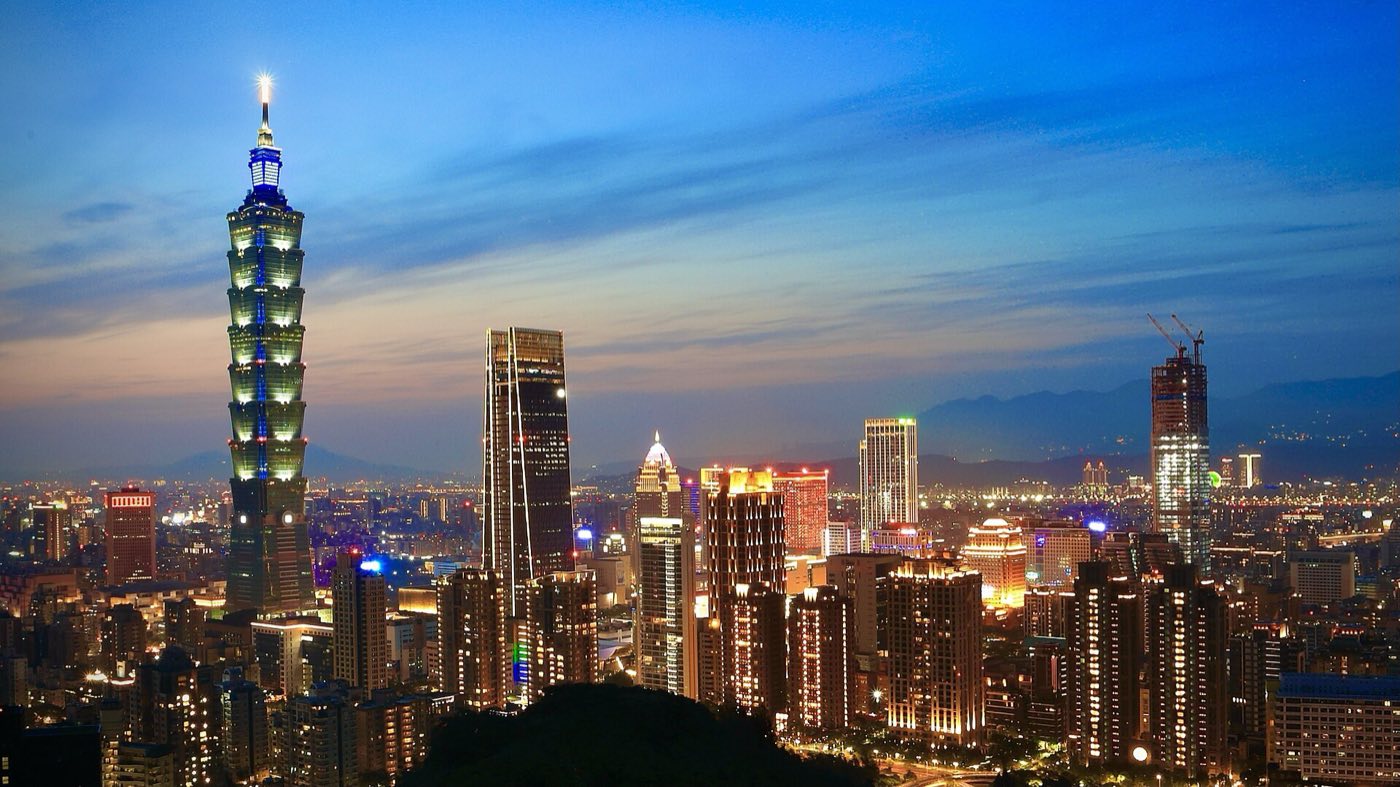
Shilin is the largest of Taipei's night markets and runs from late afternoon to past midnight across a warren of covered alleys packed with food stalls — oyster omelet, flame-torched beef cubes, giant chicken cutlets the size of your face, and shaved-ice mountains topped with mango. A short metro ride away, Taipei 101 was briefly the world's tallest building and still owns the skyline. The 89th-floor observatory uses the world's fastest elevators to get you up in 37 seconds; come at dusk to catch both day and night views.
Taroko Gorge marble canyon trails
On the east coast near Hualien, Taroko is a 19-kilometer marble-walled canyon carved by the Liwu River through some of the steepest terrain on the island. The Shakadang Trail follows the turquoise river along a path cut into the cliff face, and the Swallow Grotto section passes through natural hollows where swifts nest on the vertical rock. Sections of the park close regularly after earthquakes and typhoons — the 2024 Hualien quake did significant damage — so check current trail status on the park website before you go.
Jiufen hillside tea houses
A former gold-mining town clinging to a ridge an hour northeast of Taipei, Jiufen became famous as a partial visual inspiration for Spirited Away and now fills on weekends with day-trippers drawn by its red-lantern-lined stone staircases and tea houses with views over the Pacific. The A-Mei Tea House is the most photographed — order oolong and accompanying snacks for two and linger for a couple of hours. Weekday afternoons are much quieter; aim for a Tuesday or Wednesday if you can.
Sun Moon Lake cycling and temples
The largest body of water in Taiwan sits at 750 meters altitude in the mountainous center of the island, with a 30-kilometer bike path circling it that has been rated by CNN among the best lakeside rides in the world. Wenwu Temple anchors the north shore with views across the water, and the Thao Indigenous community on Lalu Island shares the lake's name in their language (Thao: Zintun). Stay a night in Shuishe village for a misty dawn on the water and a cable car ride to the aboriginal culture park above.
Alishan Forest Railway and sea of clouds
A Japanese colonial-era narrow-gauge railway climbs 2,200 meters from the plains into the high cypress forest of Alishan National Scenic Area, with switchbacks and spiral sections engineered over century-old timber trestles. The real draw is the sunrise — pre-dawn trains from Alishan village carry half-sleeping tourists up to Zhushan, where the sun breaks above Yushan (Jade Mountain) and cloud seas pool in the valleys below. Book train seats weeks ahead for cherry blossom season in late March.
Kenting National Park tropical beaches
At the southern tip of the island, Kenting is a peninsula of coral-sand beaches, a tropical rainforest research station, and the island's best surf breaks around Jialeshui. Nanwan (South Bay) is the main swimming beach, Baishawan has the cleanest sand, and the forest recreation area above offers cooler mountain walks in banyan and palm forest. Come outside of July and August if you can — peak summer brings crowds and occasional typhoons that close the beaches for days.
Tainan's historic temples and street food
The former capital on the southwestern coast, Tainan is the oldest city in Taiwan and holds its densest concentration of 17th- and 18th-century temples, Dutch colonial forts, and street-food specialties the rest of the island borrowed from. Eat danzai noodles at Duhsiaoyueh where the dish was invented in the 1890s, coffin bread at Chikan Tower, and milkfish congee for breakfast anywhere south of the old city. Two nights is the minimum; three is better.
When to Go
October through December is the sweet spot — warm days, low humidity, typhoon season winding down, and clear skies for the mountain areas. March through May is the second-best window, with cherry blossoms at Alishan in late March, the Pingxi sky lantern festival around Lunar New Year, and comfortable temperatures across the island. June through September is hot, humid, and carries typhoon risk — flights and trains can be disrupted on short notice, and the mountain roads occasionally wash out. January and February can be cool and wet in Taipei but bring the biggest cultural calendar of the year, with Lunar New Year and the Lantern Festival worth traveling for if you can handle the crowds.
Getting Around
Taiwan High Speed Rail (HSR) runs the western spine at 300 km/h — Taipei to Kaohsiung in 90 minutes for about NT$1,500 in standard class, with trains every 15 minutes at peak. The older Taiwan Railways Administration (TRA) network is slower but reaches the east coast, Taroko Gorge, and smaller towns the HSR skips. Within cities, the Taipei and Kaohsiung metros are clean, card-payable, and English-signed. An EasyCard works on metros, buses, YouBike share bikes, and convenience stores, and you can buy it at any MRT station. Renting a car makes sense for Alishan, the east coast loop, or Kenting, but city driving is chaotic and parking is brutal — skip it in Taipei. Scooter rental is common for shorter hops but requires an international driving permit with motorcycle endorsement.
Cost & Currency
Taiwan uses the New Taiwan dollar (TWD, NT$) and offers strong value by regional standards — cheaper than Japan or South Korea, roughly on par with urban Thailand. A bowl of beef noodle soup at a decent shop runs NT$150–NT$220 (US$5–US$7), a night-market dinner for two at multiple stalls is NT$400–NT$600, and a mid-range Taipei hotel room sits at NT$2,500–NT$4,500 (US$80–US$145). Cards are accepted at larger restaurants, department stores, and international chains, but night markets, small eateries, and many taxis are cash-only — keep NT$2,000–NT$3,000 on hand. Convenience stores (7-Eleven, FamilyMart) are everywhere and handle ATM withdrawals, EasyCard top-ups, and bill splits. Tipping is not customary — restaurants include a 10% service charge where applicable, and nothing is expected at cafés or taxis.
Frequently Asked Questions
- Do I need a visa to visit Taiwan?
- Most Western passport holders — US, UK, EU, Canadian, Australian, and Japanese — can enter visa-free for 90 days. Confirm your nationality's current status on the Taiwan Bureau of Consular Affairs site before booking, and carry proof of onward travel plus a passport valid for at least six months beyond your planned departure.
- Is English widely spoken?
- English is common in Taipei's tourist areas, major hotels, and among younger people, but less so in smaller cities, rural areas, and older night-market vendors. Learn the basics (nǐ hǎo for hello, xiè xiè for thank you) and keep Google Translate handy. Metro signs, HSR stations, and most restaurant menus in tourist zones are bilingual.
- When is typhoon season?
- June through October, with August and September the peak months for the most powerful storms. Typhoons typically give three to five days of warning, and disrupted travel usually means flight cancellations, suspended train service, and closed mountain roads. Buy flexible tickets during these months and keep two or three days of schedule buffer if traveling between the west coast and the east or to Alishan.
- Is Taiwan safe for solo travelers?
- Yes — Taiwan is one of the safest countries in Asia for travelers of any demographic, with very low violent crime and a strong public-safety culture. Solo women frequently travel the country without incident, and public transit is safe at all hours. Standard precautions around valuables in crowded night markets apply, but otherwise the environment is relaxed.
- How long should I plan for a first trip?
- Ten to 14 days is the comfortable window for a first visit — four nights in Taipei with a Jiufen day trip, two in Hualien for Taroko Gorge, two at Sun Moon Lake, two at Alishan, and three in Tainan and Kaohsiung in the south. Shorter than a week and you will see Taipei and skim the rest; longer is easy to fill with Kenting, Taitung, or an outlying island like Penghu or Green Island.
Plan a Trip to Taiwan
Have you been to Taiwan?
Track 195 countries, 50 states & 63 national parks on your map