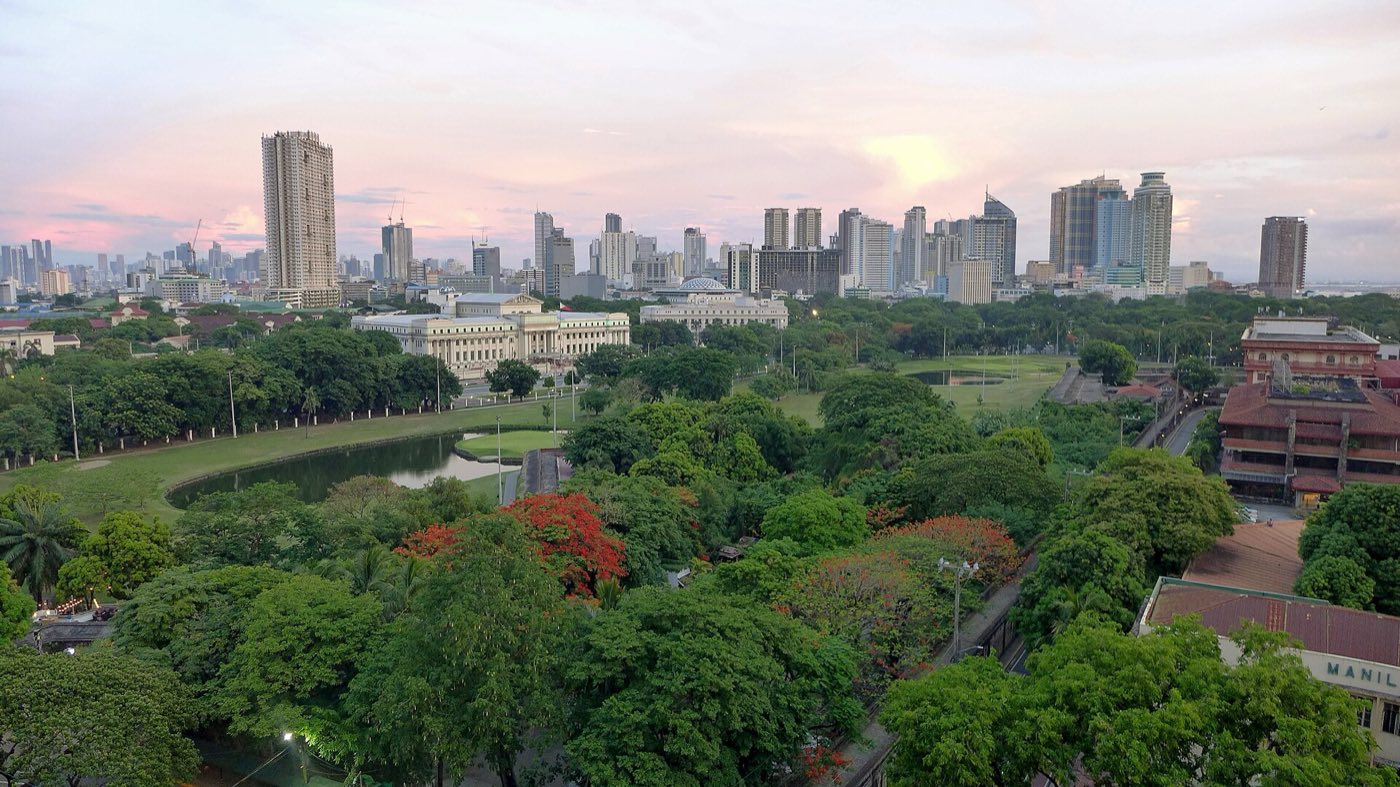
Philippines
- Capital
- Manila
- Population
- 117M
- Currency
- PHP
- Languages
- Filipino, English
Overview
An archipelago of 7,641 islands scattered across the western Pacific, the Philippines blends three centuries of Spanish colonial heritage, a half-century of American influence, and a Southeast Asian maritime culture that runs deeper than either. Travelers come for the limestone cliffs and lagoons of Palawan, the chocolate hills of Bohol, the long beach at Boracay, and the surf on Siargao. The feel of the country is defined by the sea and the English. Nearly everyone you meet speaks it comfortably, which makes the Philippines one of the easiest countries in Asia for first-time travelers — conversations in taxis, on bancas, over breakfast at a beach resort flow without translation apps. You'll also notice the hospitality: warm, relaxed, often funny, and genuinely welcoming. Filipinos call it being mabait, and you encounter it constantly. The Philippines rewards travelers who don't try to do too much. Inter-island flights add up, ferries move slower than maps suggest, and the real pleasure is settling into one or two islands rather than chasing the Instagram version of all of them. Ten days gives you enough for Palawan plus a second island; two weeks lets the trip breathe. Pack for rain even in dry season, bring a dry bag for the banca rides, and budget more time than you think for transfers.
Things to Do
El Nido and Coron island hopping in Palawan
Northern Palawan's limestone karst islands rise straight out of turquoise water in El Nido and Coron, and the standard move is a day on a banca outrigger boat looping between hidden lagoons, WWII shipwrecks, and pocket beaches you reach by swimming through rock tunnels. Tours A and C are the classic El Nido routes; in Coron, the Twin Lagoon and Kayangan Lake are the headliners. Go with a small-group operator, bring reef-safe sunscreen, and stay a full three nights in each town rather than a day-tripping from a cruise.
Chocolate Hills and tarsier sanctuary in Bohol
In central Bohol, 1,200 conical grass-covered mounds turn deep brown in the dry season — geologically, they're eroded coral limestone; culturally, they're the island's signature landscape. Pair them with the Philippine Tarsier Sanctuary nearby, where the world's smallest primates (palm-sized, saucer-eyed) cling to branches under red-light viewing rules. The island also delivers Alona Beach on Panglao for sunset and a river cruise on the Loboc for lunch, all within a compact two-day itinerary.
Puerto Princesa Underground River
A UNESCO World Heritage site and one of the New Seven Wonders of Nature, the Puerto Princesa subterranean river runs 8.2 kilometers through limestone cave under mountain forest, with a standard 45-minute paddle-boat tour taking you through the first 1.5 kilometers of cathedral-sized chambers. Permits are capped daily and must be booked ahead through a licensed operator or your hotel. Combine it with a stop at Sabang Beach and the mangrove paddle at the river mouth for a fuller day out of Puerto Princesa.
Boracay's White Beach
A four-kilometer strip of powder-fine white sand on an island the size of a small town, Boracay reopened in 2018 after a six-month government cleanup and now runs cleaner, quieter, and more regulated than before. Station 2 is the center of the action; Stations 1 and 3 are calmer. Sail a paraw — a traditional double-outrigger — at sunset, try kite-surfing on the windward Bulabog side in January and February, and book a sit-down seafood dinner on the sand. Get there by flying Caticlan and taking the 15-minute boat transfer.
Banaue and Batad rice terraces
In the northern Cordillera mountains of Luzon, 2,000-year-old Ifugao rice terraces climb the slopes in dry-stone amphitheaters sometimes called the Eighth Wonder of the World. Banaue has the easier road access and viewpoints; Batad, an hour further in by jeepney and a short hike, is the one UNESCO officially inscribes and the one worth the effort. Stay overnight with a local family in a Batad homestay — the terraces at sunrise and the rice wine at dinner are both worth the long trip up from Manila.
Siargao island surfing
A teardrop-shaped island off the northeast coast of Mindanao, Siargao is the Philippines' surf capital — Cloud 9 is the headline right-hander for advanced surfers, but a dozen breaks from Jacking Horse to Stimpy's work for every level, with board rentals and instructors in General Luna. Beyond the waves the island has palm-forest motorbike loops, rock-pool swims at Magpupungko, and island-hopping to Naked, Daku, and Guyam islands for day picnics. The surf peaks August through November; the vibe stays easy year-round.
Tubbataha Reef diving
A UNESCO marine park in the middle of the Sulu Sea, 150 kilometers southeast of Puerto Princesa, Tubbataha is reachable only by liveaboard between March and June — the rest of the year it's too rough. Expect sheer walls, sharks (whitetips, blacktips, and the occasional tiger), manta rays, schooling jacks, and reef systems that rank consistently among the world's best. Weeklong trips cost $2,500–$4,000 and book out a year ahead. It's the trip-of-a-lifetime end of Philippines diving.
Intramuros historic walled city in Manila
The 400-year-old Spanish colonial core of Manila survived a devastating 1945 battle in ruins; what's left — Fort Santiago, San Agustin Church, the restored walls, and the cobblestoned streets around Plaza Roma — reads as both history lesson and atmospheric stroll. Rent a bamboo-framed bambike, hire a kalesa horse carriage, or walk it in three hours. Cross the Pasig to Binondo afterward for lunch in the world's oldest Chinatown — established in 1594 — where the xiao long bao and lumpia are the local standards.
When to Go
December through May is dry season across most of the country — January through April the driest and most reliable months for beach and island-hopping trips. Siargao's surf peaks from August through November, coinciding with typhoon season in the rest of the archipelago; check storm forecasts if you're traveling during those months, and build in a buffer day at the end of your trip for rescheduled flights. Holy Week (late March or April) is the single busiest domestic travel period — flights and hotels sell out and double in price. Diving at Tubbataha is only possible from March to June.
Getting Around
Domestic flights are the practical way to cover the Philippines — Cebu Pacific, Philippine Airlines, and AirAsia connect Manila and Cebu with more than twenty regional airports, and Palawan, Boracay (via Caticlan), Bohol (via Tagbilaran or Cebu plus a ferry), and Siargao are all sub-two-hour flights. Inter-island ferries — 2GO and smaller fastcraft operators — cover budget routes overnight but can be subject to weather delays. Within towns, tricycles (motorcycle sidecars) handle short distances and jeepneys run fixed routes cheaply. In Manila and Cebu, Grab ride-hailing is reliable and the best way to beat notorious traffic. On the islands, motorbike rental is the most fun way to get around if you're comfortable on two wheels.
Cost & Currency
The Philippines uses the peso (PHP) and runs cheaper than Thailand or Vietnam on accommodations and food. Expect 250–500 pesos (roughly $5–$10) for a full meal at a neighborhood restaurant, 2,500–5,000 pesos a night for a comfortable mid-range beachfront hotel, and 100–300 pesos for a tricycle ride across town. Island-hopping tours run 1,500–2,500 pesos per person for a full day including lunch. Cards are accepted at hotels, larger restaurants, and supermarkets in cities and tourist centers; carry cash for tricycles, smaller islands, and local markets. Tipping is 10% at sit-down restaurants where service is good, a few pesos rounding up for tricycles, and 200–500 pesos a day for tour guides and banca crews.
Frequently Asked Questions
- Do I need a visa to visit the Philippines?
- Most Western travelers — US, UK, EU, Canada, Australia — enter the Philippines visa-free for up to 30 days, extendable in-country at immigration offices for a fee. Bring a passport valid at least six months beyond your stay and a confirmed onward ticket, which is sometimes checked at the airline counter before boarding.
- Is it safe to travel in the Philippines?
- The main tourist areas — Palawan, Boracay, Bohol, Siargao, Cebu, and Manila's Makati and BGC districts — are generally safe for visitors. Petty theft and scams occur in central Manila and around transport hubs, so stay alert. Most governments advise against non-essential travel to central and western Mindanao due to armed group activity; Siargao in the northeast of Mindanao is considered safe and popular with travelers.
- Is the tap water safe to drink?
- No — stick to bottled or filtered water throughout the Philippines, including for brushing teeth in rural areas and on smaller islands. Most hotels provide water refill stations or complimentary bottles, and reusable bottles with built-in filters cut down on single-use plastic waste.
- How many days do I need in the Philippines?
- Ten to fourteen days lets you cover two or three distinct areas comfortably — a common split is four or five days in Palawan (El Nido and Coron), then three in Bohol or Siargao, and a night or two around Manila for the return flight. Shorter than a week and the transfer times start to eat your trip. Longer lets you add Banaue or a dive liveaboard.
- Do people speak English in the Philippines?
- Yes — English is an official language alongside Filipino and is spoken fluently by the majority of Filipinos you'll interact with, from taxi drivers to hotel staff to boat captains. Signage, menus, and government forms are bilingual. This makes the Philippines one of the easiest countries in Asia for English-speaking travelers to navigate independently.
Plan a Trip to Philippines
Have you been to Philippines?
Track 195 countries, 50 states & 63 national parks on your map