Singapore
- Capital
- Singapore
- Population
- 6M
- Currency
- SGD
- Languages
- English, Malay, Mandarin, Tamil
Overview
A city-state of extraordinary efficiency, density, and culinary range, Singapore is where Chinese, Malay, Indian, and colonial-era British cultures intersect in something genuinely its own. Travelers come for the supertree groves of Gardens by the Bay, a hawker center scene that holds several Michelin-starred stalls, the heritage quarters of Chinatown, Little India, and Kampong Glam, and the reliable pleasure of the Marina Bay skyline from a rooftop bar. You land at Changi — still the best major airport on the planet — and within an hour on the MRT you're in the middle of the densest small country on Earth, smelling laksa and satay and frangipani at once. The humidity is serious. So is the food: you could eat for a week out of a single hawker center and never have a dull meal. The parks that thread between the glass towers — Botanic Gardens, East Coast, the coastal trail — are where locals walk in the early morning and late evening to dodge the heat. Singapore rewards short-visit and long-stay travelers equally. Three or four days is enough to hit the headline attractions, get a good cross-section of the food, and feel the rhythm of a city that runs on ruthless planning and a kind of cheerful pragmatism. Longer trips reward anyone interested in Southeast Asian food, architecture, and the strange, successful experiment of a functioning small republic in a complicated neighborhood.
Things to Do
Gardens by the Bay and Supertree Grove light show
A hundred-hectare park reclaimed from the sea next to Marina Bay Sands, Gardens by the Bay is the civic statement of modern Singapore — a botanical theme park that happens to be genuinely magnificent. The Supertree Grove is the centerpiece: eighteen vertical gardens up to 50 meters tall with a suspended walkway between two of them, and a free choreographed light-and-music show at 7:45 and 8:45 each night. Pair it with the cool-climate Cloud Forest dome, which holds a 35-meter indoor waterfall against a wall of orchids and ferns.
Marina Bay Sands observation deck and infinity pool
The three-tower hotel topped by an enormous curved SkyPark has become Singapore's most recognized silhouette. Hotel guests get the famous rooftop infinity pool; everyone else can pay to visit the observation deck on the 57th floor, or — arguably better — head to CÉ LA VI, LAVO, or the Lantern rooftop bars at nearby buildings for a drink at eye level with the towers. Time it for sunset and you get the double payoff: the skyline golden-hour, then the Supertree show lighting up below you.
Hawker center food tours (Maxwell, Lau Pa Sat)
Hawker centers are where Singaporeans actually eat, and they're protected as UNESCO Intangible Cultural Heritage for good reason. Maxwell Food Centre in Chinatown is the Hainanese chicken rice pilgrimage at Tian Tian; Lau Pa Sat is the Victorian cast-iron pavilion turned satay-and-nasi-lemak stalls; Old Airport Road is where locals send you for Hokkien mee and char kway teow. Eat at several stalls, share plates, and use the little numbered pagers. Most dishes run S$5–S$8 — the best food-to-dollar ratio in any major world city.
Chinatown, Little India, and Kampong Glam heritage quarters
Three historic neighborhoods near the Civic District give you the cultural range of the country in about ten square blocks each. Chinatown has the Buddha Tooth Relic Temple, shophouses, and the excellent Chinatown Heritage Centre museum. Little India is louder, spicier, and pulls you in with gold, jasmine, and the Sri Veeramakaliamman temple. Kampong Glam — Singapore's old Malay-Arab quarter — wraps around the golden-domed Sultan Mosque and Haji Lane's boutiques and street art. Walk all three in a day.
Sentosa Island and Universal Studios Singapore
Connected to the mainland by a short causeway and a cable car, Sentosa is the resort island where locals and tourists alike go for beaches, theme parks, and a handful of high-end hotels. Universal Studios Singapore is the smallest of the Universal parks and arguably the best-run, easy to finish in a long day. The S.E.A. Aquarium is world-class. If you skip the theme parks, Palawan and Tanjong beaches, the Skypark canopy walk, and dinner at a beach club are a reasonable alternate day out.
Singapore Botanic Gardens UNESCO site
The oldest botanical garden in tropical Asia, UNESCO-listed since 2015, is a shady 82-hectare refuge in the middle of the city. The National Orchid Garden is the star — more than a thousand species and hybrids, including the Vanda Miss Joaquim national flower. Come at dawn for a walk before the humidity climbs, finish with kaya toast at Halia or Casa Verde, and you've had a Singaporean morning that locals would recognize. The gardens are free; the Orchid Garden has a small entry fee.
Raffles Hotel and the original Singapore Sling
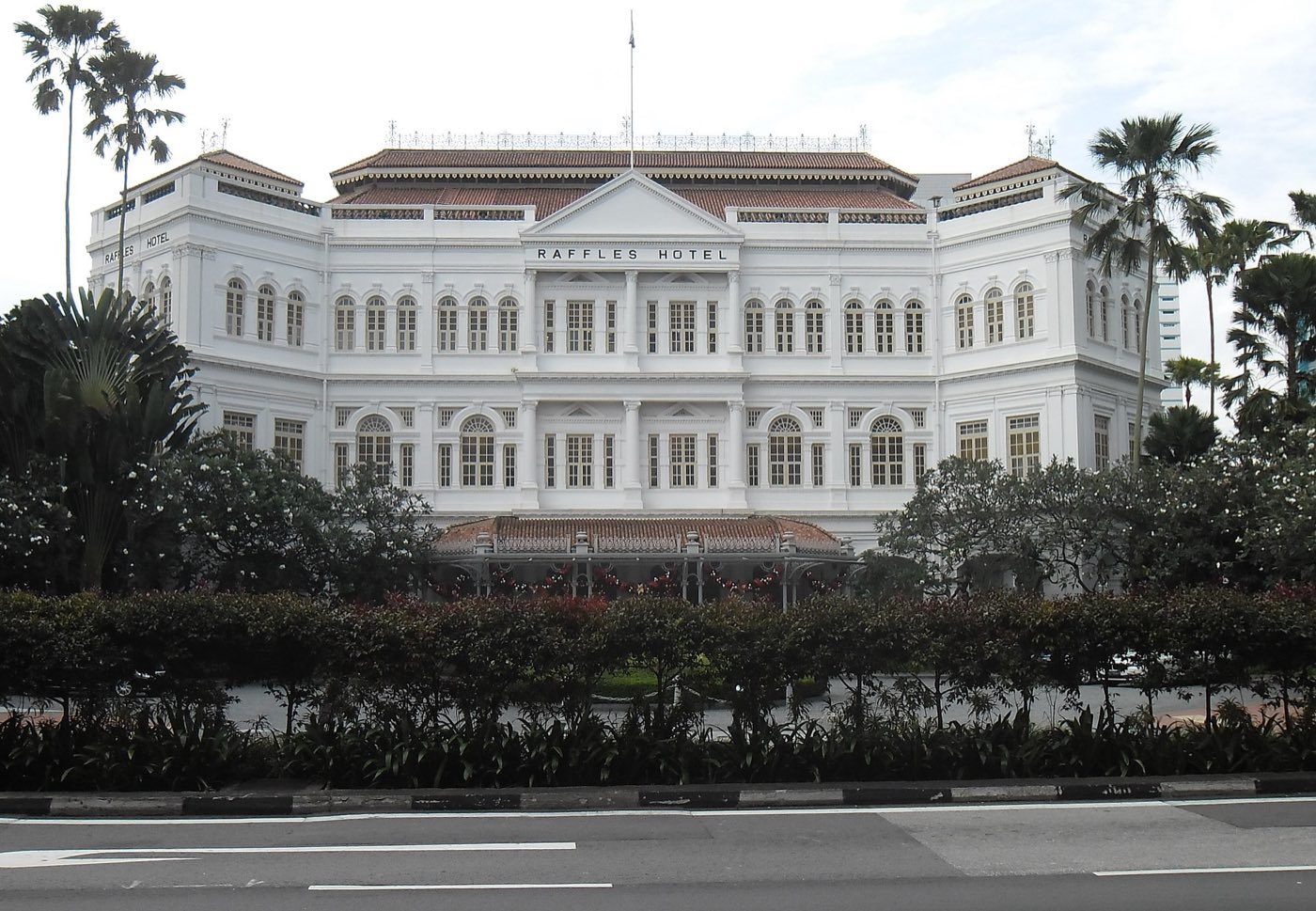
The 1887 colonial-era hotel is still the most elegant address on the island, fully restored and open to non-guests for lunch, afternoon tea, or a drink at the Long Bar where the Singapore Sling was invented in 1915. Yes, the cocktail is overpriced and touristy; drink one anyway, throw your peanut shells on the floor as tradition dictates, and wander the white verandas and frangipani courtyards. A short walk from Raffles puts you at the National Gallery and the Padang cricket green for a different slice of old Singapore.
When to Go
Singapore is one degree north of the equator, so the climate is uniform warm-and-humid year round — daytime temperatures 28–32°C with afternoon thunderstorms most months. February through April is the driest stretch and the closest thing to a high season. June through August gets the haze if Indonesian forest fires are running, which can occasionally affect air quality. The Chinese New Year week in January or February is festive but expensive. The F1 Grand Prix in September is a genuine event — book months ahead or plan around it.
Getting Around
The MRT subway is clean, fast, and reaches almost everywhere worth going — a three-day tourist pass is excellent value. Stored-value EZ-Link or SimplyGo cards work on the MRT, buses, and a few taxi services; your contactless credit card also works directly at MRT gates. Taxis are metered, abundant, and cheap by developed-world standards, with flag-down rates around S$4. Grab is the main ride-hailing app. Walking is pleasant on the covered pavements in the city center but draining in the midday heat — plan morning and evening outings with a midday break. Bike-share works for the park connectors on East Coast and Marina Bay.
Cost & Currency
Singapore uses the Singapore dollar (SGD) and is one of Asia's more expensive destinations — roughly on par with Tokyo or Hong Kong for hotels, somewhat cheaper for food. Expect S$200–S$400 a night for a mid-range hotel, S$5–S$10 for a hawker-center meal, S$25–S$50 for a sit-down restaurant dinner, and S$12–S$16 for a beer in a bar. Cards and contactless pay are accepted almost everywhere, including hawker stalls. ATMs are on every block. Tipping is not expected — a 10% service charge is typically baked into restaurant bills, and taxi drivers don't expect anything above the metered fare.
Frequently Asked Questions
- Do I need a visa to visit Singapore?
- No — most Western travelers, including US, UK, EU, Canadian, and Australian passport holders, get a visa-free stay of 30 to 90 days on arrival depending on nationality. You'll need a passport valid for at least six months and an onward ticket. Complete the free online SG Arrival Card in the three days before your flight.
- Is Singapore safe for travelers?
- Yes — Singapore consistently ranks among the safest cities in the world, with very low violent crime and walking around at any hour feeling comfortable. The main risks are road traffic (drivers are careful but the roads are busy) and the heat. Laws around littering, jaywalking, chewing gum, and drug possession are strict and enforced; behave sensibly and you'll have zero trouble.
- Is the tap water safe to drink?
- Yes — Singapore's tap water meets WHO drinking standards and is safe and clean throughout the country, including in hawker centers and older neighborhoods. The national water utility, PUB, is internationally respected. Refill your bottle from any tap; water fountains are common in parks and MRT stations.
- How many days do I need in Singapore?
- Three to four full days is the sweet spot for a first visit — enough time to hit Gardens by the Bay, the Marina Bay area, two or three hawker centers, one or two heritage quarters, the Botanic Gardens, and a full day on Sentosa or at the zoo. Stopover travelers can get a strong sense of the city in 24 hours if they plan tightly.
- Is Singapore good for families with kids?
- Yes — Singapore is one of the easiest destinations in Asia with children. Universal Studios, the S.E.A. Aquarium, the Night Safari zoo, and Gardens by the Bay all work well with kids, public transport is stroller-friendly, and food is everywhere and kid-friendly. Hotels offer family rooms and pools, and the city is safe enough that older kids can handle a bit of independent exploration.
Plan a Trip to Singapore
Have you been to Singapore?
Track 195 countries, 50 states & 63 national parks on your map