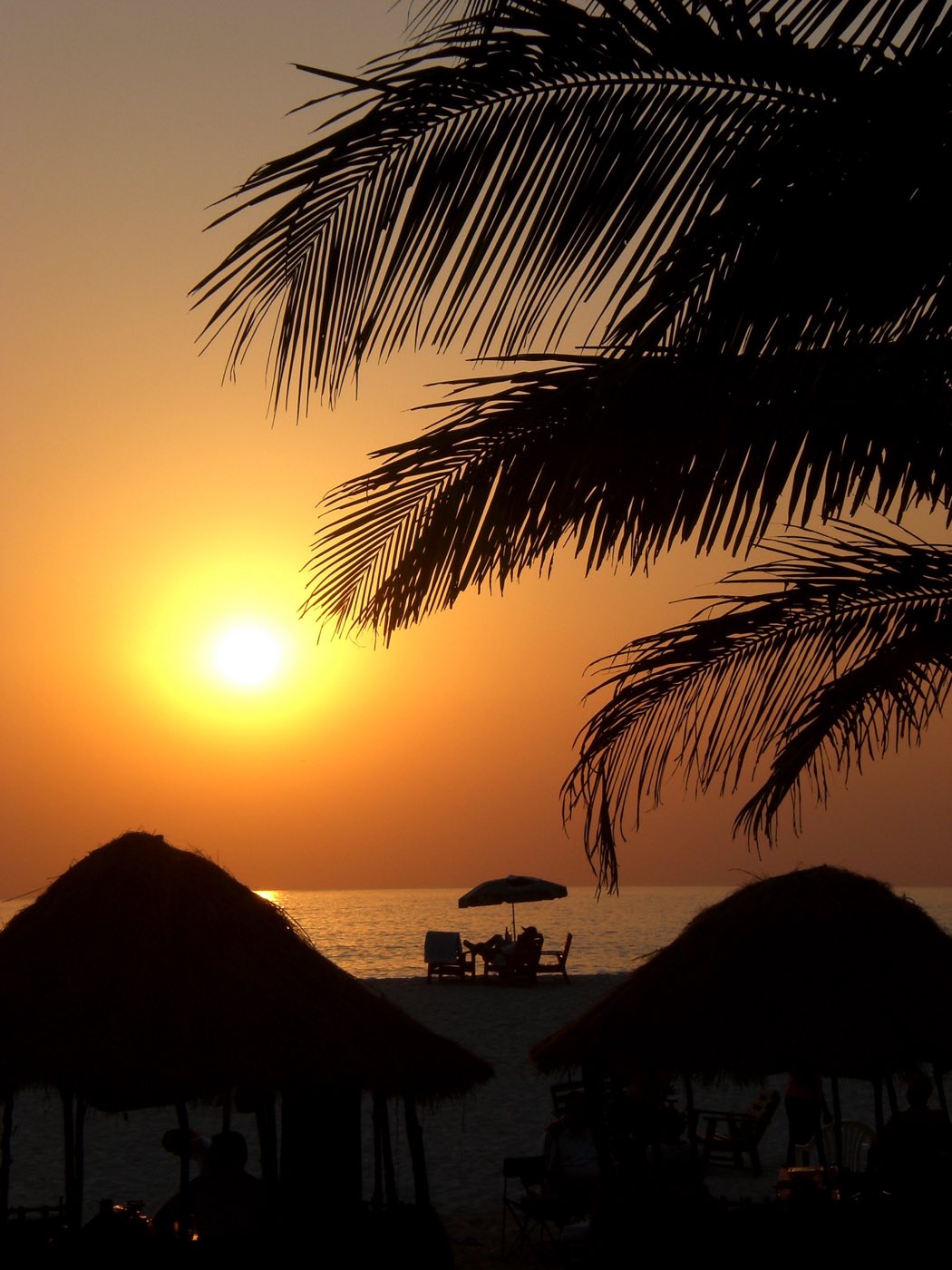
Sierra Leone
- Capital
- Freetown
- Population
- 8.6M
- Currency
- SLE
- Languages
- English
Overview
A West African nation of empty white-sand beaches, chimpanzee forests, and a people whose warmth survived one of the grimmest civil wars of the 1990s intact. Sierra Leone is a country still rebuilding its tourism, which means travelers who come get the peninsula beaches near Freetown, the Turtle Islands archipelago, and the chimp sanctuary at Tacugama largely to themselves. You fly into Lungi, the airport across an estuary from Freetown itself, and the arrival is a minor adventure — water taxi, hovercraft, or car ferry across 12 kilometers of the Sierra Leone River to reach the capital. Freetown climbs a steep peninsula above the Atlantic, with the enormous Cotton Tree at its center — a 500-year-old silk-cotton that's been the city's symbol since freed slaves gathered beneath it in 1792. The city itself is rougher than Dakar or Accra and more compelling for it; the markets are loud, the churches and mosques sit next door to each other, and the krio patois is a pleasure to listen to. Sierra Leone rewards independent, flexible travelers. Infrastructure is improving but roads outside the paved spine can be tough, and you'll want a local fixer or a tour operator for anything beyond the peninsula beaches. Come with patience, cash, and a willingness to improvise. What you get is a country genuinely outside the usual African travel circuit, with a friendliness that sets it apart.
Things to Do
Tacugama Chimpanzee Sanctuary near Freetown
Forty minutes from downtown Freetown in the forested hills of the Western Area Peninsula National Park, Tacugama cares for more than 100 rescued chimpanzees in large forest enclosures. Daily guided visits bring you to three feeding platforms where you can watch a dozen chimps at close range, and the sanctuary runs a small set of forest cabins for overnight guests. Staying overnight lets you do the dawn forest hike with the researchers — the best way to see the chimpanzees in their semi-wild habituation groups.
Banana Islands pristine beaches
A 45-minute boat ride from Kent, at the peninsula's southern tip, brings you to Dublin Island and Ricketts Island — two of the three Banana Islands, still home to about 1,000 people and a handful of simple guesthouses. The beaches are empty, the snorkeling along the offshore wrecks is excellent, and the villages carry a quiet old Krio-settler culture with stone churches dating to the 1880s. Dalton's Guesthouse on Dublin is the main option; bring cash, a book, and low expectations of Wi-Fi.
River Number Two Beach
Thirty kilometers south of Freetown on the peninsula road, this long crescent of white sand at the mouth of a freshwater river is the beach of every Sierra Leonean postcard. It's community-managed by the village at the north end, which means the entry fee goes back into the community and the beach stays clean. Rent a hut for the day, eat grilled fish with hot pepper sauce, and swim in the lagoon where the river meets the Atlantic — calmer than the open ocean and warm as bathwater.
Bunce Island slave trading fort ruins
Thirty kilometers upriver from Freetown, Bunce was one of the main embarkation points for enslaved Africans sent to the rice plantations of Georgia and South Carolina in the 18th century — a direct ancestral link for a significant fraction of African Americans today. The ruins are preserved, not reconstructed: stone walls, cannons, and the graveyard sit in a jungle setting that makes the visit feel raw and un-curated. Boat charters run from Aberdeen Creek in Freetown; arrange through a local operator and allow a full day.
Tiwai Island Wildlife Sanctuary
In the Moa River in the country's southeast, this 12-square-kilometer forested island shelters one of the highest primate densities in Africa — eleven species including the rare Diana monkey, the pygmy hippopotamus, and an active western chimpanzee population. Night walks turn up galagos and civets. Community-run since 1987, Tiwai offers simple tented accommodation and trained local guides. It's a rough seven-hour drive from Freetown, so budget at least two nights on site to make the trip worth it.
Freetown's Cotton Tree and National Museum
The enormous silk-cotton tree in the middle of downtown has been the symbolic heart of Freetown since 1792, when freed slaves from Nova Scotia gathered beneath it to give thanks. Sadly the main tree collapsed in a 2023 storm, but the stump and young replacements are preserved as a national memorial. The small museum across the road holds a strong collection on Krio culture, the secret societies of the interior, and the slave trade — the best orientation you can get before heading elsewhere in the country.
Turtle Islands archipelago
Eight low coral-and-sand islands off the southern coast, reachable only by chartered boat from Shenge or Bonthe, support about 800 people in fishing villages and almost zero tourist infrastructure. For travelers willing to arrange logistics through a Freetown operator, the reward is empty beaches on the scale of the Philippines or the Mozambique archipelago — and endangered green sea turtles that still nest here. This is proper expedition-style travel; go with a guide, a cook, and your own water.
When to Go
November through April is the dry season and the right window for almost everything — accessible roads, beach weather, and the lowest malaria risk. December and January are the coolest, with the harmattan bringing dust and haze from the Sahara. February through April sees temperatures climb and humidity rise but the sea is at its clearest. The rains from May through October can be intense, with August and September effectively closing Tiwai and the Turtle Islands to casual travel.
Getting Around
The main paved road from Freetown east to Bo and Kenema is in decent shape, as is the peninsula road south to the beaches. Off those two spines, roads deteriorate quickly and a 4x4 with a driver is the honest answer for reaching Tiwai Island, the Outamba-Kilimi park in the north, or the Turtle Islands jumping-off point at Shenge. Poda-podas (shared minibuses) and kehkehs (three-wheelers) handle most local movement cheaply. The Lungi airport crossing on arrival is best done by Sea Coach water taxi — faster and more reliable than the old hovercraft. Hiring a car with driver in Freetown runs $60–$120 a day.
Cost & Currency
Sierra Leone uses the leone (SLE), which was redenominated in 2022 — one new leone is worth 1,000 old leones, and some prices are still quoted both ways. Prices are low: expect 30–80 new leones (about $1.50–$4) for a plate of jollof rice with fish, $40–$80 for a mid-range Freetown guesthouse, and $80–$150 for the nicer peninsula hotels. Cards work only at larger Freetown hotels and a handful of supermarkets — everywhere else is cash. Bring US dollars in newer, clean notes to change at banks or licensed exchanges in Freetown. Tipping is appreciated but not expected; 10% at restaurants and a few dollars to guides and drivers.
Frequently Asked Questions
- Do I need a visa to visit Sierra Leone?
- Most travelers need one, but Sierra Leone offers an e-visa that can be applied for online at around $80 for a single-entry 30-day stay, typically processed in three to five business days. Print the approval and bring it to arrival. A yellow fever vaccination certificate is required for entry and will be checked at the airport.
- Is Sierra Leone safe for travelers?
- Yes — Sierra Leone is a peaceful country and violent crime against visitors is uncommon. The usual precautions apply in Freetown's markets and crowded areas for petty theft and phone-snatching. The 2014 Ebola outbreak is long over; contemporary health risks are malaria (year-round), food and water hygiene, and the roads. Avoid driving at night outside the city.
- What vaccinations do I need?
- A yellow fever certificate is legally required for entry and will be checked. Routine boosters plus typhoid and hepatitis A are strongly recommended, and malaria prophylaxis is essential year-round — Sierra Leone is one of the highest-risk countries for malaria in Africa. Visit a travel clinic four to six weeks ahead for a proper consultation and prescriptions.
- How do I get from Lungi airport to Freetown?
- The airport sits across the Sierra Leone River from the city and the crossing is part of the experience. The Sea Coach water taxi is the most reliable — about 25 minutes, $40 one way, with included transfers at both ends. Book through your hotel before arrival. Taxi overland around the estuary takes four to five hours and isn't worth the saving.
- Do people speak English in Sierra Leone?
- Yes — English is the official language and is widely spoken, though day-to-day communication is mostly in Krio, the English-based creole of Freetown and much of the country. If you speak English you will be understood almost everywhere. Picking up a few Krio phrases — kushe for hello, tenki for thanks — goes a long way with warmth.
Plan a Trip to Sierra Leone
Have you been to Sierra Leone?
Track 195 countries, 50 states & 63 national parks on your map