Guinea
- Capital
- Conakry
- Population
- 14M
- Currency
- GNF
- Languages
- French
Overview
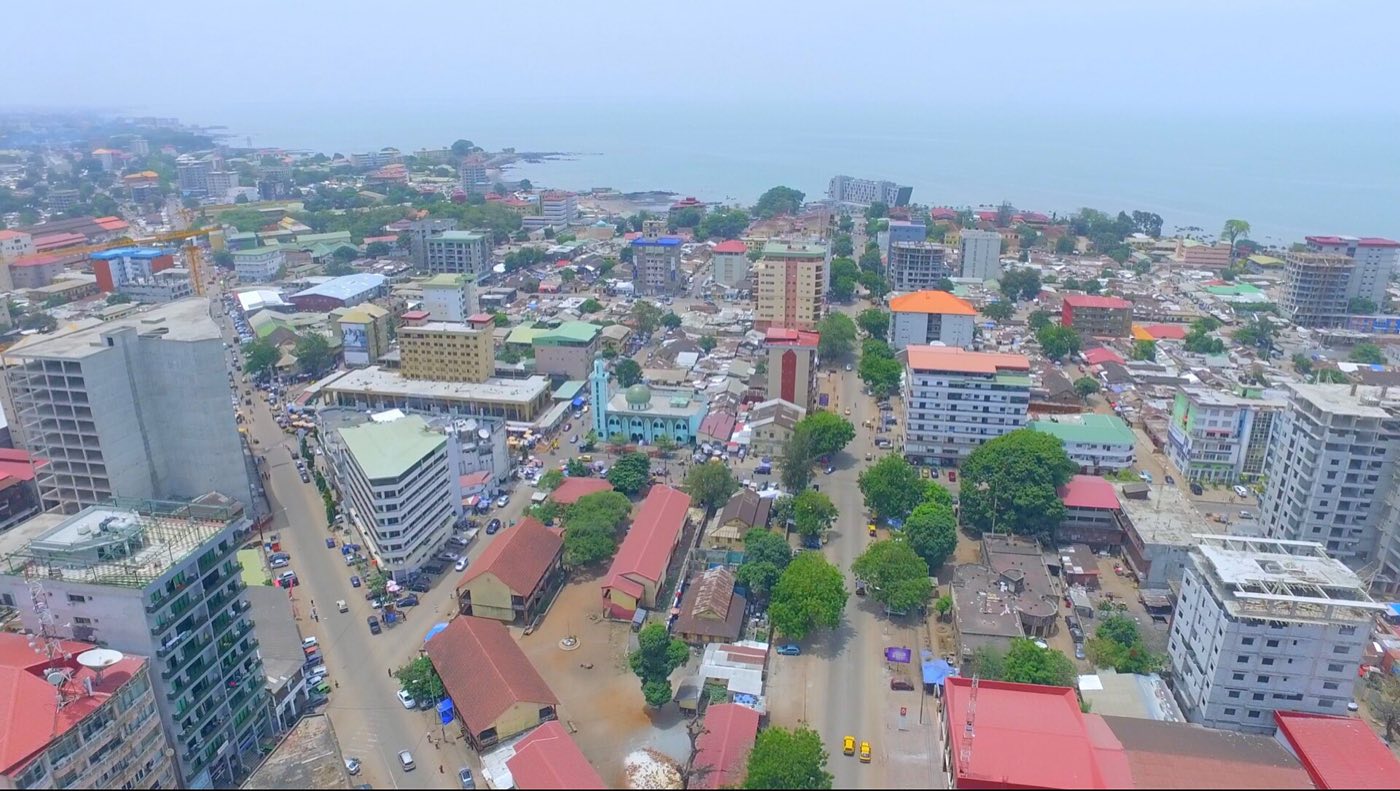
Guinea is a West African country the size of the United Kingdom, spanning Atlantic coast, the rolling plateau of the Fouta Djallon, savanna on its eastern plains, and forested hills in the south where the Niger, Gambia, and Senegal rivers all rise. Travelers come for the waterfalls and villages of the Fouta Djallon, the islands off Conakry, and the djembe drumming traditions that shape Mande music across half the continent. You feel the country change as you climb. Conakry, on a long sandy peninsula into the Atlantic, is humid, crowded, and loud — an overgrown port city of around two million people. Drive six hours northeast into the Fouta Djallon and the air thins out, the temperature drops ten degrees, and you're in a landscape of red-earth villages, Fulani herders, and waterfalls dropping off sandstone cliffs. The plateau averages 3,000 feet in elevation and is one of the most underrated hiking regions in West Africa. Guinea rewards travelers who are serious about West Africa and willing to handle imperfect infrastructure. French is essential (English speakers are thin on the ground), a yellow fever certificate is mandatory, malaria prophylaxis is non-negotiable, and roads outside the main corridor can be rough. Go with a local fixer or tour operator for any trip beyond Conakry, bring cash, and plan on at least ten days to see the Fouta Djallon properly. What you get in return is a country genuinely outside the tourist loop, with a musical culture that produced some of the greatest griots of the 20th century and landscapes most visitors to the region never reach.
Things to Do
Fouta Djallon highland waterfalls and villages
The Fouta Djallon plateau, sometimes called West Africa's water tower, rises in the center-west of the country and is laced with dramatic waterfalls and Fulani villages that have farmed these hillsides for three centuries. The town of Doucki is the best base for multi-day hikes led by local guide Hassan Bah (a 30-year institution), with trails into the Indian's Nose escarpment, canyon swims, and homestays in working villages. Pita and Labé make reasonable alternatives with comfortable guesthouses. Plan for four to six days to do the region justice.
Iles de Los archipelago off Conakry
A 20-minute boat ride from central Conakry brings you to a cluster of small volcanic islands — Kassa, Room, Fotoba, Tamara — that functioned as a French penal colony in the 19th century and now serve as the capital's weekend escape. Roume has the best beaches and a handful of modest guesthouses; Kassa has the pirate-history ruins. Boats leave from the Port de Pêche and from the Novotel pier. Local operators can arrange overnights and the snorkeling is decent in the dry season when the water is clearer.
Mount Nimba Strict Nature Reserve UNESCO site
On the border with Ivory Coast and Liberia, Mount Nimba rises to 5,750 feet and protects one of the most biologically distinct montane forests in Africa — home to endemic toads, chimpanzees, and viviparous toad species found nowhere else. Access is restricted and requires permits from the Centre de Gestion de l'Environnement in Conakry; most visits happen through research programs or specialized tour operators. Security in the border region has been variable, so verify current advisories before committing to the trip.
Conakry's live music venues and djembe culture
Guinea is one of the great drumming countries of the world — the djembe traveled from here into the global percussion community, and the Les Ballets Africains company based in Conakry shaped the 20th-century understanding of West African performance. Week nights at the Palm Camayenne and occasional shows at the Centre Culturel Franco-Guinéen are where you see serious players. Music workshops for visitors run through the year at several studios; ask your hotel or a local contact and they'll point you to the current scene.
Kindia waterfalls
Two and a half hours northeast of Conakry on the road up toward the Fouta Djallon, the town of Kindia sits near two striking falls — the Voile de la Mariée (Bride's Veil), a 40-foot curtain dropping into a swimmable pool, and the larger Chutes de la Soumba. Both are doable as a day trip from the capital if you leave early, or as a stop on the way north. Local guides at the falls are cheap and worth hiring. The road is paved most of the way.
Badiar National Park wildlife
In the far north near the Senegal border, Badiar forms an ecosystem continuous with Senegal's Niokolo-Koba National Park and shelters chimpanzees, hippos, antelope, and a significant bird list across Guinean savanna and gallery forest. Infrastructure is limited; visits require a 4x4, a local guide, and realistic expectations about sightings. Best reached from Koundara in the dry season (January to April). A genuine frontier experience rather than a polished safari — go if that appeals to you and skip it if it doesn't.
Dalaba hill station
A former French colonial retreat at 4,000 feet in the Fouta Djallon, Dalaba offered European administrators an escape from the coastal heat and left behind a handful of atmospheric old buildings, a case de palabres pavilion used by the first president Sékou Touré, and a climate that stays cool year-round. It's a reasonable base for day hikes to nearby viewpoints and the Chutes de Ditinn, and for unwinding for a couple of nights before or after harder trekking. Guesthouses are modest but adequate.
When to Go
November through April is the dry season and the only sensible window for highland travel — clear skies, cool mornings in the Fouta Djallon, and trails that aren't turned to mud. December and January are the coolest months and the best time for multi-day hiking. The Harmattan wind from the Sahara in December and January can haze the skies and drop nighttime temperatures in the highlands to the 50s Fahrenheit. The long rains from May through October make rural roads difficult and waterfalls spectacular but dangerous to approach; most tour operators close down for the heaviest months of July through September.
Getting Around
Movement in Guinea is overwhelmingly by road, and conditions vary sharply. The paved corridor from Conakry through Kindia to Mamou and up to Labé is serviceable though often congested with trucks; the road east toward N'Zérékoré and south toward the Liberian border turns unreliable, especially in the rainy season. Shared taxis and minibuses run every route for a few tens of thousands of Guinean francs; foreigners are usually quoted slightly higher fares and agreement before departure is standard. Hiring a 4x4 with driver for multi-day trips is the realistic choice for the Fouta Djallon and essential for anything farther afield, at roughly US $80-150 per day. Air Guinée and regional carriers run occasional flights to Labé, Kankan, and N'Zérékoré.
Cost & Currency
The local currency is the Guinean franc (GNF), roughly 8,600 to 1 US dollar in early 2026 and prone to fluctuation — always check current rates before changing money. Guinea is inexpensive for travelers in local terms but moving around efficiently requires paying up. Expect GNF 50,000-100,000 (US $6-12) for a local restaurant meal of poulet yassa or riz gras, GNF 400,000-700,000 (US $45-80) a night for a mid-range hotel in Conakry, and GNF 150,000-350,000 (US $17-40) for a Fouta Djallon guesthouse. Cards are accepted only at a handful of Conakry hotels; change euros or dollars at banks and carry cash in local denominations. Tipping is modest — round up at restaurants and US $5-10 per day for drivers and guides.
Frequently Asked Questions
- Do I need a visa to visit Guinea?
- Most travelers, including Americans and Europeans, need a visa. Guinea operates an e-visa system that you can apply for online before arrival; processing takes a few business days. Bring the printout, a yellow fever vaccination certificate (legally required), and proof of accommodation and onward travel for the immigration officer. Requirements change periodically, so verify current rules on the official e-visa portal before you book.
- Is Guinea safe for travelers?
- Conakry and the Fouta Djallon are generally safe with ordinary urban precautions — petty theft is the main concern in crowded markets and transit hubs. Avoid political demonstrations, which occasionally turn confrontational in the capital. Border regions with Mali and the far southeast have been affected by regional security concerns at different times; check your government's travel advisory close to your trip and avoid overland border crossings outside of established routes.
- What vaccinations do I need?
- A yellow fever vaccination is legally required for entry and you will be asked to show the certificate on arrival. Routine boosters plus typhoid, hepatitis A, and meningitis are strongly recommended, and malaria prophylaxis is essential year-round — Guinea is a high-transmission country. Consult a travel clinic six to eight weeks before departure to allow time for the full vaccine schedule and to get antimalarials.
- Do people speak English in Guinea?
- Rarely. French is the official language and the lingua franca for business and government, with Fula, Mandinka, and Susu spoken at home. English is limited to a handful of Conakry hotels, some senior tour operators, and occasional educated professionals. A working French vocabulary is genuinely necessary for travel beyond the main hotels; a phrasebook and a translation app will carry you most of the way if your French is basic.
- Where should I stay in Conakry?
- The Kaloum peninsula and the Camayenne neighborhood hold most of the business hotels (Noom, Kaloum Hotel, Palm Camayenne) and are the most practical bases for a one- or two-night city stop. Kipé, further north, is where expats and NGO workers live and has a handful of comfortable guesthouses. Airport proximity matters since traffic into central Conakry can be severe; if you're arriving late or leaving early, stay near the airport for that night.
Plan a Trip to Guinea
Have you been to Guinea?
Track 195 countries, 50 states & 63 national parks on your map