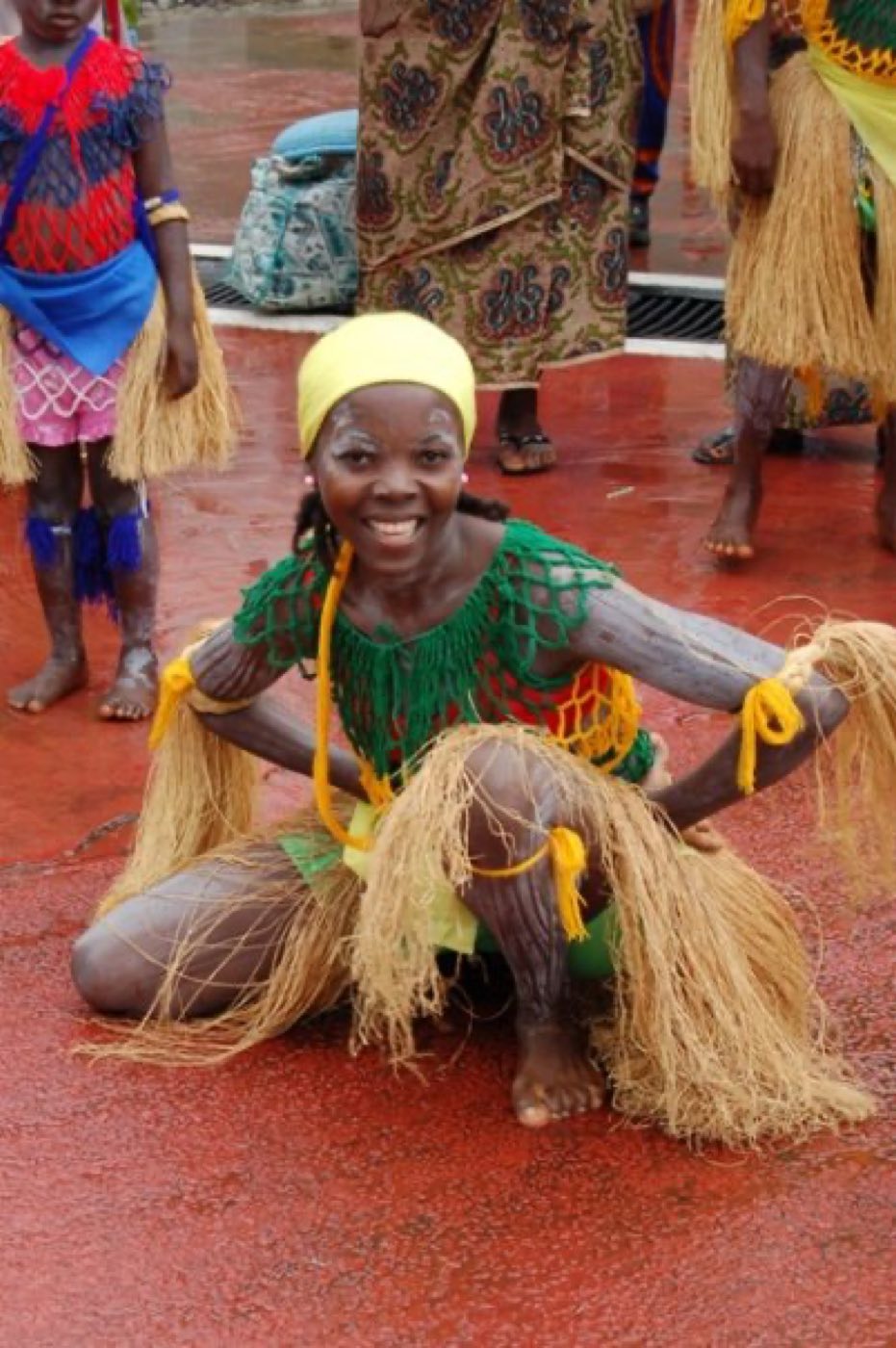
Liberia
- Capital
- Monrovia
- Population
- 5.4M
- Currency
- LRD
- Languages
- English
Overview
West Africa's oldest republic, founded in 1847 by freed American slaves returning across the Atlantic, Liberia is a country of dense Upper Guinean rainforest, empty surf beaches, and one of the region's last great wilderness reserves. Travelers come for the pygmy hippos and chimpanzees of Sapo National Park, the left-hand point breaks at Robertsport, and an experience genuinely outside the usual West African circuit. The country you arrive in is quieter than the civil-war era headlines suggest. Monrovia sprawls low and humid along the Atlantic, its downtown still carrying echoes of American influence — street names like Broad and Ashmun, a Masonic temple on the hill, a currency that runs alongside the US dollar in every transaction. Rain comes down hard from May through October in a six-month wet season that turns unpaved roads to red clay and keeps the forest impossibly green. When the dry season arrives in November the country opens up, and the drive east toward Harper passes through palm country, rubber plantations, and fishing villages that have barely changed in decades. Liberia rewards travelers with patience and flexibility. English is the working language, which makes this significantly easier than its francophone neighbors, but infrastructure is thin — few paved roads outside the capital, electricity that cuts in and out, malaria prophylaxis non-negotiable, and a reliance on local fixers for anything ambitious. What you get in return is a country almost entirely without other foreign visitors, an Atlantic coast that is yours alone for the walking, and a warmth of welcome that can catch you off guard.
Things to Do
Sapo National Park rainforest and pygmy hippos
Liberia's only national park protects 1,800 square kilometers of primary Upper Guinean rainforest in the southeast, home to forest elephants, chimpanzees, and the secretive pygmy hippopotamus — a species almost impossible to see anywhere else on earth. Access is not casual: you arrange permits through the Forestry Development Authority in Monrovia, hire local guides at the village of Jalay's Town, and sleep in basic field camps inside the forest. Expect long quiet hikes and the chance, rather than the promise, of significant wildlife. A week-minimum commitment for the serious traveler.
Robertsport surfing and beach community
A two-and-a-half-hour drive northwest of Monrovia, Robertsport is where West Africa's surf scene quietly lives. Three or four left-hand point breaks at Cassava, Cotton Trees, and Fisherman's peel along a palm-backed stretch of coast, and the season runs April through October when Atlantic swell is most reliable. Kwepunha Retreat and a few simple guesthouses handle boards and beds; evenings are lantern-lit and slow. Even if you do not surf, the beaches here are some of the emptiest on the entire West African coast.
Providence Island in Monrovia
The small island in the Mesurado River where freed American slaves first came ashore in 1822 is now a national historic site with a modest memorial park and a handful of monuments. The walk across the bridge from downtown takes you past fishing pirogues and women drying bonga fish on racks along the shore. Combine it with a visit to the National Museum on Broad Street for context on Liberia's unusual founding story and the two centuries of complicated history that followed.
Marshall and Buchanan Atlantic beaches
East of Monrovia, the coastal road runs past a series of long empty beaches backed by coconut palms and small fishing settlements. Marshall, at the mouth of the Farmington River about an hour out, is the usual weekend escape for Monrovia residents — simple beach bars, grilled fish, a strong Atlantic surf you watch rather than swim. Further along, the port town of Buchanan offers wider beaches and the chance to see ore ships loading the iron that still drives much of the national economy.
Monkey Island chimp sanctuary
In the Farmington River estuary, a cluster of small islands houses a colony of chimpanzees once used in biomedical research by the New York Blood Center, retired and now cared for by the Humane Society. You cannot land on the islands, but boat tours from nearby fishing villages come close enough to observe groups at the water's edge. The visit is both moving and complicated, and the income helps fund the ongoing care of the animals. Arrange through a Monrovia tour operator.
Firestone rubber plantation tours
Thirty minutes from Monrovia outside Harbel, the Firestone plantation is the largest contiguous rubber plantation on earth at 200 square miles and has been operating since 1926. The company offers occasional guided tours that walk you through tapping, processing, and the complicated labor history that made the operation controversial for much of the twentieth century. You come away with a clear-eyed sense of the role rubber played in the country's development and the ways the industry still shapes communities today.
Kpatawee Waterfall near Gbarnga
Three hours inland from Monrovia on the road to Gbarnga, Kpatawee is a series of wide clear pools fed by a double-tiered waterfall set back in the bush. A short hike from the parking area brings you down to the water, and weekends see Liberian families gathered for picnics and swimming in the cool pools below the falls. A worthwhile stop if you are heading north toward Ganta or the Guinea border, or as a day trip from the capital with an early start.
When to Go
November to April is the dry season, when rural roads become usable and wildlife viewing at Sapo is at its best. December and January are the most comfortable months, with daytime temperatures in the high 20s Celsius and cooler, drier nights. The Harmattan wind occasionally pushes Saharan dust this far south in January, softening the light. The long rains from May through October are among the heaviest in West Africa and can shut down rural travel for weeks at a time, though the surf at Robertsport is at its best in those months when Atlantic swell is most reliable.
Getting Around
Most travel in Liberia happens by road and the network is limited. The paved coastal corridor between Monrovia, Robertsport, and Buchanan is serviceable, and the main route north toward Gbarnga and Ganta is mostly paved, but anything further into the interior — especially the roads toward Sapo in the southeast — requires a 4x4 and can become impassable in the May-to-October wet season. Shared taxis and minibuses run between major towns for a few US dollars, though foreigners are usually quoted higher. Within Monrovia, keh-keh three-wheeled tuk-tuks and shared yellow taxis handle short hops; agree fares before boarding. For ambitious itineraries, hiring a vehicle with a driver from a Monrovia agency is the realistic option.
Cost & Currency
Liberia uses both the Liberian dollar (LRD) and the US dollar freely, with the US dollar accepted everywhere for larger transactions and the Liberian dollar handling small change. As of 2026 one US dollar buys roughly 190 Liberian dollars. Prices are low by international standards but higher than neighboring countries because so much is imported: a plate of rice with fish or meat at a local chop shop runs US$3–5, a mid-range hotel room in Monrovia US$70–120, and a bottle of Club beer about US$2. Cards work only at upmarket Monrovia hotels; carry US dollars in small denominations and change a modest amount to local currency on arrival. Tipping is not expected but small amounts for drivers and guides are appreciated.
Frequently Asked Questions
- Do I need a visa to visit Liberia?
- Yes — almost all visitors need a visa, which must be obtained in advance from a Liberian embassy or consulate before travel. There is no visa on arrival for most nationalities. You will also need a yellow fever vaccination certificate, which is checked on entry, so plan your travel clinic visits at least a few weeks ahead.
- Is Liberia safe for travelers?
- Liberia is broadly safe for visitors who take sensible precautions. Petty theft and occasional street crime occur in Monrovia, particularly after dark and in crowded markets, and you should avoid walking alone at night or displaying valuables. The country has been stable politically since the end of the civil wars in 2003, but power cuts and limited emergency services mean you should carry a good travel insurance policy.
- What vaccinations do I need?
- Yellow fever vaccination is legally required for entry and you will be asked for the certificate at the airport. Routine boosters plus typhoid, hepatitis A and B are strongly recommended, and malaria prophylaxis is essential — Liberia is a high-transmission country year-round. Visit a travel clinic six to eight weeks before departure to allow time for vaccinations to take effect.
- How do I arrange a visit to Sapo National Park?
- Sapo is not a drop-in destination. Start by contacting the Forestry Development Authority in Monrovia for permits, and work with a local tour operator who has experience with the park — they can arrange vehicles, permits, village fees, porters, and camping logistics. Allow a week minimum from Monrovia and plan for basic camping conditions inside the forest with no electricity or running water.
- Is English widely spoken?
- Yes — English is the official language and is spoken nearly everywhere, though Liberian English has its own rhythm and vocabulary that can take an ear or two to adjust to. Indigenous languages including Kpelle, Bassa, and Kru are also widely used in rural areas. Compared to the francophone countries on either side of it, Liberia is unusually accessible for English-speaking visitors.
Plan a Trip to Liberia
Have you been to Liberia?
Track 195 countries, 50 states & 63 national parks on your map