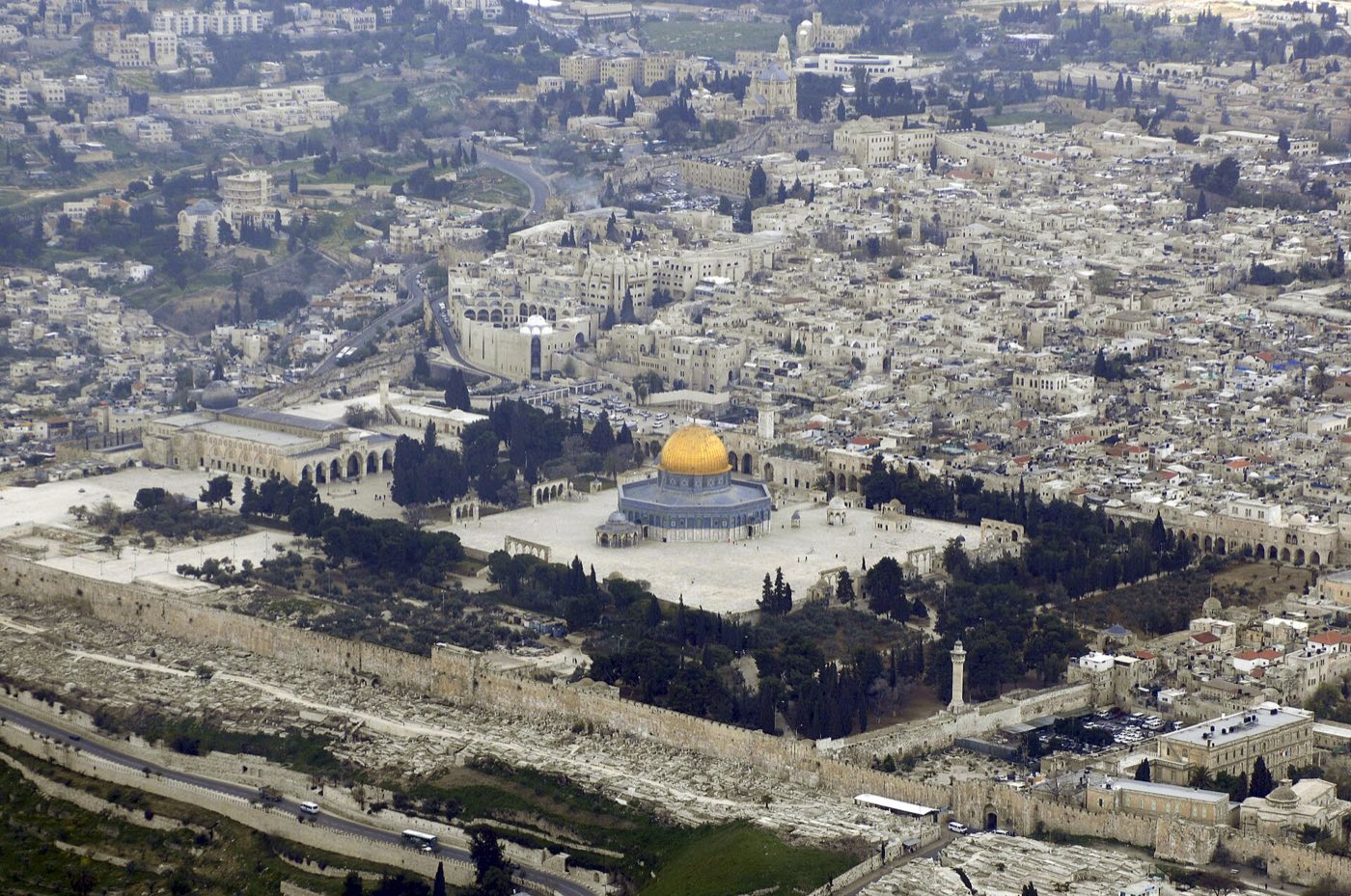
Palestine
- Capital
- Ramallah
- Population
- 5.4M
- Currency
- ILS
- Languages
- Arabic
Overview
A land of profound biblical and historical significance stretched across the West Bank and Gaza, Palestine offers travelers the Church of the Nativity, the city of Jericho (one of the oldest continuously inhabited places on earth), terraced olive groves at Battir, and a restaurant and arts scene in Ramallah that would not exist if the popular imagination of the place matched the reality. You feel the politics immediately. Travel here means checkpoints, separation barriers, permits, and rerouted roads, and the ordinary friction of movement is part of what you are coming to see and understand. A drive from Bethlehem to Hebron that should take forty minutes can take two hours. Israeli military checkpoints control access between Palestinian cities in the West Bank, and the situation in Gaza is not currently compatible with tourism of any kind — independent travel there is effectively closed and has been for years. What is possible and worthwhile is the West Bank. Bethlehem, Jericho, Ramallah, Hebron, Nablus, and Battir are accessible to foreign passport holders from Jerusalem by shared taxi or rental car, with a valid entry to Israel. Palestinian hospitality is direct and warm; Palestinian food is a regional benchmark; and the historical weight of what you are walking through — four thousand years of continuous settlement at Jericho, Herod's engineering at Herodion, and the contemporary realities of the occupation — makes this one of the more serious trips you can take in the Middle East.
Things to Do
Church of the Nativity in Bethlehem
Built in the 4th century over the grotto traditionally identified as the birthplace of Jesus, the Church of the Nativity is the oldest continuously operating church in the world. The entrance is the famous Door of Humility, crouched under a low stone lintel; inside, the Byzantine floor mosaics peek through trap doors in the Crusader-era stonework, and pilgrims queue for the small silver star marking the grotto below. Come early to beat the tour buses, and pair it with Saint Catherine's Church next door.
Jericho — the world's oldest continuously inhabited city
Tell es-Sultan on the edge of modern Jericho is an archaeological mound with evidence of settlement going back 11,000 years — older than Ur, older than pretty much anything anyone can put a date on. Walk the excavation with a local guide who can point out the Neolithic tower and the city walls, then take the cable car up to the Mount of Temptation monastery clinging to the cliff above. At 250 meters below sea level, Jericho is the lowest city on earth; bring water and plan around the brutal summer heat.
Banksy's street art and the Walled Off Hotel in Bethlehem
Directly up against the separation wall in Bethlehem, Banksy's Walled Off Hotel (self-described as "the hotel with the worst view in the world") doubles as a gallery of his Palestine-focused stencils and a museum documenting the history of the barrier. His most famous works — the girl frisking a soldier, the dove in body armor, the armored slingshot kid — are visible nearby on the wall itself. Grab a drink at the piano bar, take the museum seriously, and then walk the wall to see the accumulated local work.
Hebron's Old City and Ibrahimi Mosque
Hebron (al-Khalil) is the traditional burial place of Abraham and his family, a site sacred to Jews, Muslims, and Christians. The Ibrahimi Mosque/Tomb of the Patriarchs complex is divided between Muslim and Jewish access, and the old city souks around it are draped with metal mesh overhead to catch debris thrown from the settlements above. It is politically heavy and historically singular, and you should visit with a Palestinian guide — Hebron Rehabilitation Committee tours are excellent — who can explain what you are looking at.
Ramallah's cultural scene and nightlife
Ramallah is the administrative capital of the Palestinian Authority and the place most international travelers are surprised by — a hilltop city of cafes, rooftop bars, specialty coffee, galleries like the Khalil Sakakini Cultural Centre, and a Friday-night scene at Snowbar and Orjuwan that contradicts nearly every prior expectation. Base yourself here for a couple of nights if you want to understand contemporary Palestinian life; the food at Fawanees and Azure is as good as any in the Levant.
Hisham's Palace mosaic in Jericho
Four kilometers north of Jericho proper, the early-Islamic winter residence of Hisham's Palace preserves one of the largest and most spectacular floor mosaics in the Middle East — the Tree of Life panel, which was enclosed and restored by UNESCO in 2021 and is finally easy to visit. The surrounding 8th-century Umayyad palace ruins (bathhouses, a reception hall, stone stucco work) are worth an hour on their own. Go in the morning when the protective roof casts filtered light across the mosaic.
Battir UNESCO terraced landscape
The village of Battir, southwest of Bethlehem, preserves a 4,000-year-old system of stone-terraced olive and fig groves still irrigated by a Roman-era rotational water system managed between families. The UNESCO designation came in 2014, partly to protect the terraces from a planned extension of the separation barrier. Walk a section of the Palestine Heritage Trail here with a local guide, and plan on lunch of maqluba in the village. It is the rare tourist-grade walk in Palestine and a reminder of what the countryside looks like when left to farm.
When to Go
March through May and September through November are ideal — mild days, cool evenings, and landscape that is either green with wildflowers (spring) or warm with olive harvest (autumn). The olive harvest in October and early November is the cultural peak, with volunteer harvests you can join through organizations like Joint Advocacy Initiative. Summer (June through August) is very hot, especially in Jericho and the Jordan Valley where temperatures push above 40°C; Bethlehem and Ramallah at higher elevation stay more bearable. Winter is cool and can see occasional snow in Bethlehem and Hebron; Christmas in Bethlehem is memorable but crowded and requires serious advance booking.
Getting Around
Most travelers base in Jerusalem or Bethlehem and day-trip into the West Bank by shared service taxi (sheroot), private tour, or rental car. Foreign-plated and yellow-plated Israeli rental cars can enter most of the West Bank, but Palestinian-plated cars cannot enter Israel or East Jerusalem — which shapes how you plan crossings. Checkpoints between cities (Qalandiya, Huwara, Container) can add significant time; build a buffer and carry your passport at all times. Within Palestinian cities, shared taxis run constantly on fixed routes for a few shekels, and private taxis between cities are cheap by regional standards. Avoid driving into Area A in an Israeli rental car — the vehicles are technically not permitted and insurance won't cover incidents. Gaza is not accessible for tourism.
Cost & Currency
Palestine uses the Israeli new shekel (ILS), with Jordanian dinars and US dollars also widely accepted in the West Bank. Prices run slightly below Israel — a sit-down plate of maqluba or musakhan costs 40–60 ILS ($10–$16), mid-range hotel rooms in Bethlehem or Ramallah run 250–500 ILS, and shared taxis between Jerusalem and Bethlehem are 8–10 ILS. A private taxi for a day of West Bank sightseeing runs 500–800 ILS. Cards are accepted at hotels and larger restaurants in Ramallah and Bethlehem; carry cash for everywhere else. ATMs in Ramallah, Bethlehem, and Nablus work reliably with international cards. Tipping is modest — round up at restaurants, 10–15% at nicer sit-down places if service is good.
Frequently Asked Questions
- Is it safe to travel to Palestine?
- The West Bank cities most visitors go to — Bethlehem, Jericho, Ramallah, Hebron, Nablus — remain accessible at the time of writing, but conditions can change quickly and you should check your government's advisory close to travel. Gaza is not accessible for tourism under any circumstances currently. Within the West Bank, avoid Israeli settlement roads and checkpoints during periods of elevated tension, and follow local advice from your Palestinian hosts or guides.
- Do I need a separate visa for Palestine?
- No — there is no separate Palestinian visa. You enter via Israel (by air at Ben Gurion or overland via Jordan at Allenby Bridge), and your Israeli entry covers travel to West Bank areas open to foreign passport holders. Some travelers request that Israeli immigration stamp a loose paper rather than their passport to preserve options for onward travel to countries that reject Israeli stamps.
- How do I get from Jerusalem to Bethlehem?
- The simplest route is Arab bus 231 from the Damascus Gate station in East Jerusalem, which drops you at Checkpoint 300 at the wall in under thirty minutes. Walk through the pedestrian checkpoint (takes minutes outside of rush periods) and grab a taxi on the Bethlehem side for 20–30 shekels to Manger Square. Alternatively, shared service taxis from Damascus Gate run the same route frequently. A return taxi is straightforward; plan to be back through the checkpoint before early evening.
- Can I visit Palestine with an Israeli stamp in my passport?
- Yes — there is no restriction from the Palestinian side. The issue runs the other way: some Arab countries (Lebanon, Syria, Iran) do not admit travelers with Israeli stamps. If onward travel to those countries matters, request a separate entry slip at Israeli immigration rather than a passport stamp. Travel to the West Bank itself does not add any further marks.
- Is it respectful to travel here given the situation?
- Palestinians in the tourism industry actively want visitors — the sector is a significant part of the West Bank economy and a way to connect international travelers with realities underreported in most coverage. Travel responsibly by staying in Palestinian-owned hotels (rather than Israeli settlement properties), hiring Palestinian guides, and listening to people in the places you visit. Many travelers combine Israeli and Palestinian stays; both sides benefit from the connection.
Plan a Trip to Palestine
Have you been to Palestine?
Track 195 countries, 50 states & 63 national parks on your map