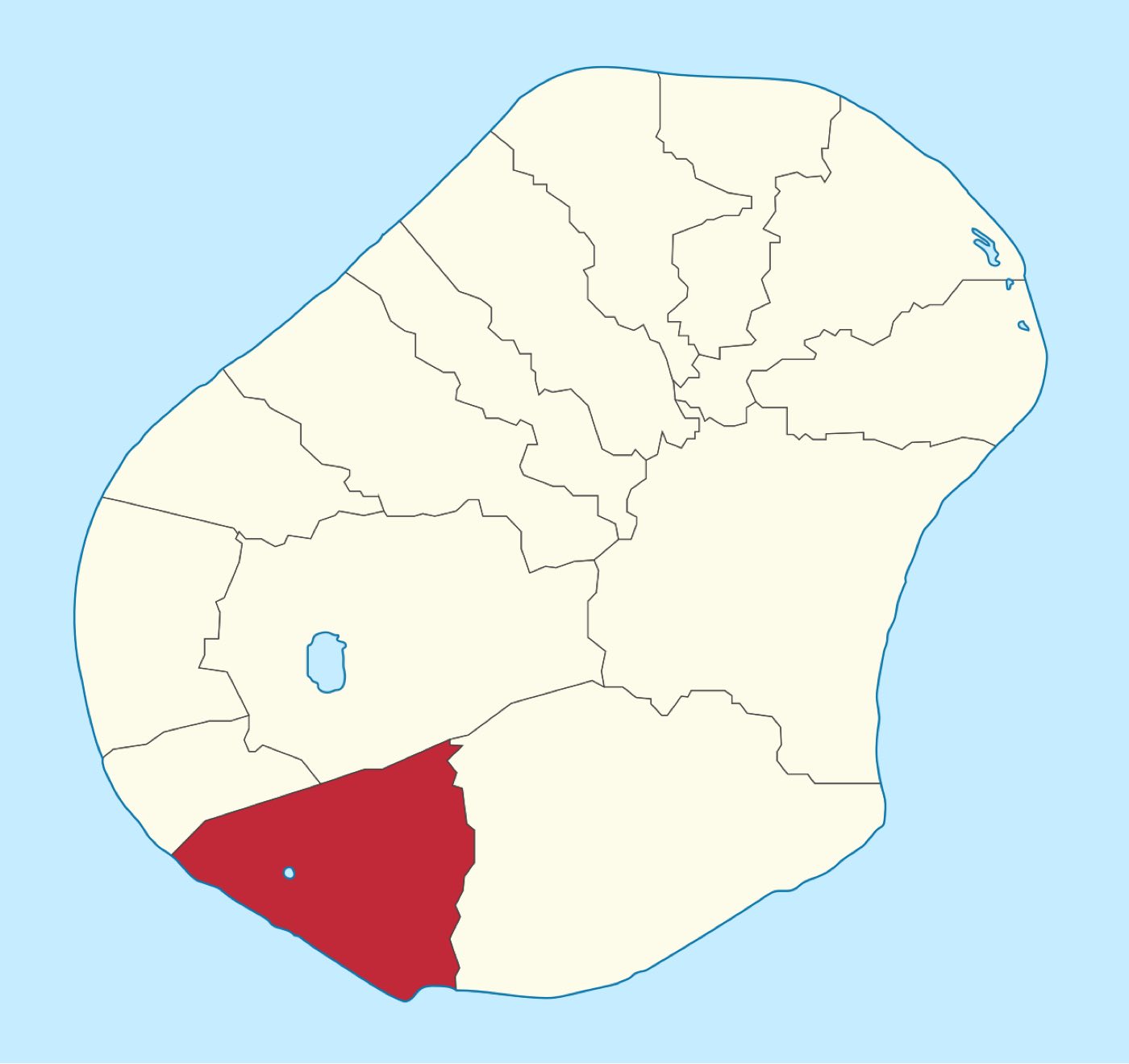
Nauru
- Capital
- Yaren
- Population
- 13K
- Currency
- AUD
- Languages
- Nauruan, English
Overview
The world's smallest independent republic and third-smallest country by area, Nauru is a raised coral island of just 21 square kilometers alone in the central Pacific — a four-hour flight from anywhere. In the 1970s, on the back of phosphate exports mined from the island's interior, Nauruans were briefly among the wealthiest people on Earth per capita. Today the phosphate is mostly gone, the mined-out interior (known as Topside) looks like a field of coral pinnacles, and the country survives on fishing licenses, foreign aid, and controversial revenues from hosting Australia's offshore refugee processing center. There is no beach resort here, no cruise port, no tour operator in the ordinary sense. What there is instead is a single 19-kilometer ring road, a handful of hotels of the functional mid-century kind, and a population of about 12,000 people who are genuinely surprised to see a tourist and almost always glad to talk to one. You'll stay at the Menen or Od'n Aiwo, eat fish and rice at the hotel restaurant and a couple of small cafes, drive the loop of the island in under an hour, and feel the Pacific in a way bigger islands don't quite let you. Nauru rewards a specific kind of traveler — the country-collector, the Pacific completist, the person who finds the blank spots on maps more interesting than the filled-in ones. It is not a general-interest destination and two nights is about right for most visitors. Come with patience for flight schedules that sometimes slip by days, cash for everything outside the hotels, and no expectations beyond spending a short while in one of the least-visited countries on Earth.
Things to Do
Topside phosphate mining lunar landscape
The elevated interior plateau that makes up 80% of Nauru's land area has been strip-mined for phosphate for over a century, leaving a surreal landscape of bleached coral pinnacles up to 15 meters high standing in contorted forests. Roads wind through this moonscape to viewpoints at Command Ridge and the island's highest point (about 65 meters). It's the strangest, most photogenic thing on the island, and a sobering record of what extraction at this scale actually does to a place. A local guide through your hotel is worth the small fee.
Buada Lagoon freshwater lake
Near the center of the island, a small brackish lake sits ringed by coconut palms, pandanus, and the traditional fish ponds where Nauruans raise milkfish (ibija) in an aquaculture tradition that predates European contact by centuries. It's the one genuinely green, quiet pocket of Nauru — shady, still, a world away from the ring road. Local families picnic here on weekends. Take a slow walk around the perimeter, look for the fish ponds on the western shore, and stop at the old Nauruan church nearby.
Anibare Bay beach and swimming
The eastern side of the island has the one proper swimming beach — a two-kilometer crescent of pale sand facing the open Pacific, with the reef break a comfortable distance offshore. The water is warm, the waves are gentle most days, and you're very likely to have the whole beach to yourself outside weekends. Beware of strong currents if the swell is up and stay inside the reef. The Menen Hotel sits at the southern end of the bay and is the standard lunch stop.
Command Ridge WWII Japanese bunkers
At the highest point of the island (71 meters above sea level), rusted Japanese anti-aircraft guns, a concrete observation post, and the remains of a communications bunker mark Nauru's occupation during World War II (1942 to 1945). The views across the mined-out Topside and out to the Pacific are the best on the island. The site is freely accessible, unsignposted beyond a small plaque, and remarkably undisturbed — a forgotten piece of Pacific war history left where it fell.
Moqua Well underground caves
A freshwater cave and well system in the south-central part of the island, fed by the same lens of freshwater that sits beneath most Pacific raised atolls. Moqua was the primary water source for Nauruans for centuries before modern desalination and still holds cultural significance. The entrance is small and easy to miss; a local guide or your hotel staff can point you the right way. Bring a torch if you want to go more than a few meters inside and be ready to scramble.
Nauru Island ring road cycling
The 19-kilometer coastal road that circles the island can be cycled in a leisurely three hours with stops, and it's the single best way to see Nauru at a human pace — past the parliament building, the old colonial-era buildings of Aiwo, the container port, the airport runway that is literally on the main road, and the reef-edge villages of Yaren and Meneng. Bikes can be arranged through hotels or informally; traffic is light, drivers are courteous, and the shade is thin, so start early and carry water.
Deep-sea sport fishing
The waters around Nauru drop off sharply into deep blue pelagic territory, and the island has a small but serious sport fishing reputation for yellowfin and dogtooth tuna, wahoo, marlin, and sailfish. A handful of local operators run half-day and full-day charters out of the small boat harbor at Aiwo; arrangements are informal and best made through your hotel a day or two in advance. Conditions are best from May through October when the trade winds are most consistent.
When to Go
Nauru sits just south of the equator and has warm, humid weather year-round with average highs of 29 to 31°C. The drier and marginally cooler window runs April through October with more reliable trade winds, calmer seas for fishing, and lower humidity; November through March is the wetter season with brief heavy showers, occasional tropical storms, and flatter seas. Flight connections dictate much of the timing in practice — Nauru Airlines flies in and out of Brisbane, Nadi, Tarawa, and Majuro on a limited schedule that changes periodically, and cancellations or schedule shifts are not unusual. Build flexibility into any itinerary and treat published flight schedules as optimistic.
Getting Around
The island has one main road — a 19-kilometer asphalt loop around the coast — plus a few interior roads up to Topside and Buada. You can drive the entire country in under an hour. Most visitors rent a car through their hotel for around 50 to 80 Australian dollars per day; taxis are informal and infrequent, and most staff will arrange transport if asked. Bicycles are a pleasant way to cover short distances on the flat sections but the heat and thin shade make the full loop more of a commitment. The airport, Nauru International, is on the southwestern coast and is literally crossed by the ring road — the barrier comes down when an aircraft arrives or departs. There's no public transport system and no ride-hailing.
Cost & Currency
Nauru uses the Australian dollar (AUD) as its official currency and prices reflect the cost of importing nearly everything to a small isolated island — expect to pay meaningfully more than you would in Brisbane or Sydney for most goods. Hotel rooms at the Menen or Od'n Aiwo run 150 to 250 AUD per night for a basic air-conditioned double with breakfast. Meals at hotel restaurants — the main dining option — are 20 to 40 AUD for a main course, and a beer or soft drink is 6 to 10 AUD. Small Chinese-owned shops and takeaways around Aiwo and Meneng offer cheaper rice-and-fish plates for 10 to 15 AUD. ATMs are extremely limited and often unreliable; bring enough Australian dollars in cash for your whole stay plus a comfortable buffer. Cards are accepted at the main hotels but not much else. Tipping is not expected.
Frequently Asked Questions
- Do I need a visa to visit Nauru?
- Yes — nearly all visitors need a visa arranged in advance, and Nauru does not have visa-on-arrival or e-visa systems in the ordinary sense. Tourist visas are issued by the Nauru government through a formal application that typically requires a sponsor (your hotel can usually serve this role), return flights, and proof of funds. Start the process at least six to eight weeks before travel. Confirmed accommodation is a prerequisite.
- How do I actually get to Nauru?
- Nauru Airlines is essentially the only carrier serving the island, with limited flights from Brisbane, Nadi (Fiji), Tarawa (Kiribati), and Majuro (Marshall Islands). The schedule runs only a few days a week and is subject to change, cancellation, and occasional day-long delays. Book your Nauru flights before any other part of your Pacific trip and build in buffer days at both ends.
- Is Nauru safe for travelers?
- Broadly yes — violent crime against tourists is rare, and the local culture is welcoming to the small number of visitors who come. Petty theft is uncommon but possible; use normal locked-door sensibility. Road safety is the most realistic concern — the ring road is narrow, dogs wander onto it, and some drivers move fast. Drive defensively and avoid the road at night where possible.
- Can I swim and snorkel at Nauru?
- Anibare Bay is the one proper swimming beach and the reef lagoon offers decent snorkeling on calm days with coral, reef fish, and occasional reef sharks. Swimming elsewhere around the island is limited by sharp coral, strong currents, and narrow reef shelves — many shorelines are not safe to enter. Ask locally about conditions the day you go, and don't swim alone.
- What should I pack that I can't buy there?
- Most things you actually need. Imported goods are expensive and selection is narrow, so bring any specific toiletries, medications, sunscreen, insect repellent, reef-safe sunblock, chargers, and adapters you rely on. Clothing should be lightweight, sun-covering, and comfortable in high humidity. A basic first-aid kit is sensible given the limited medical facilities — anything serious would require an evacuation flight.
Plan a Trip to Nauru
Have you been to Nauru?
Track 195 countries, 50 states & 63 national parks on your map