Malta
- Capital
- Valletta
- Population
- 535K
- Currency
- EUR
- Languages
- Maltese, English
Overview
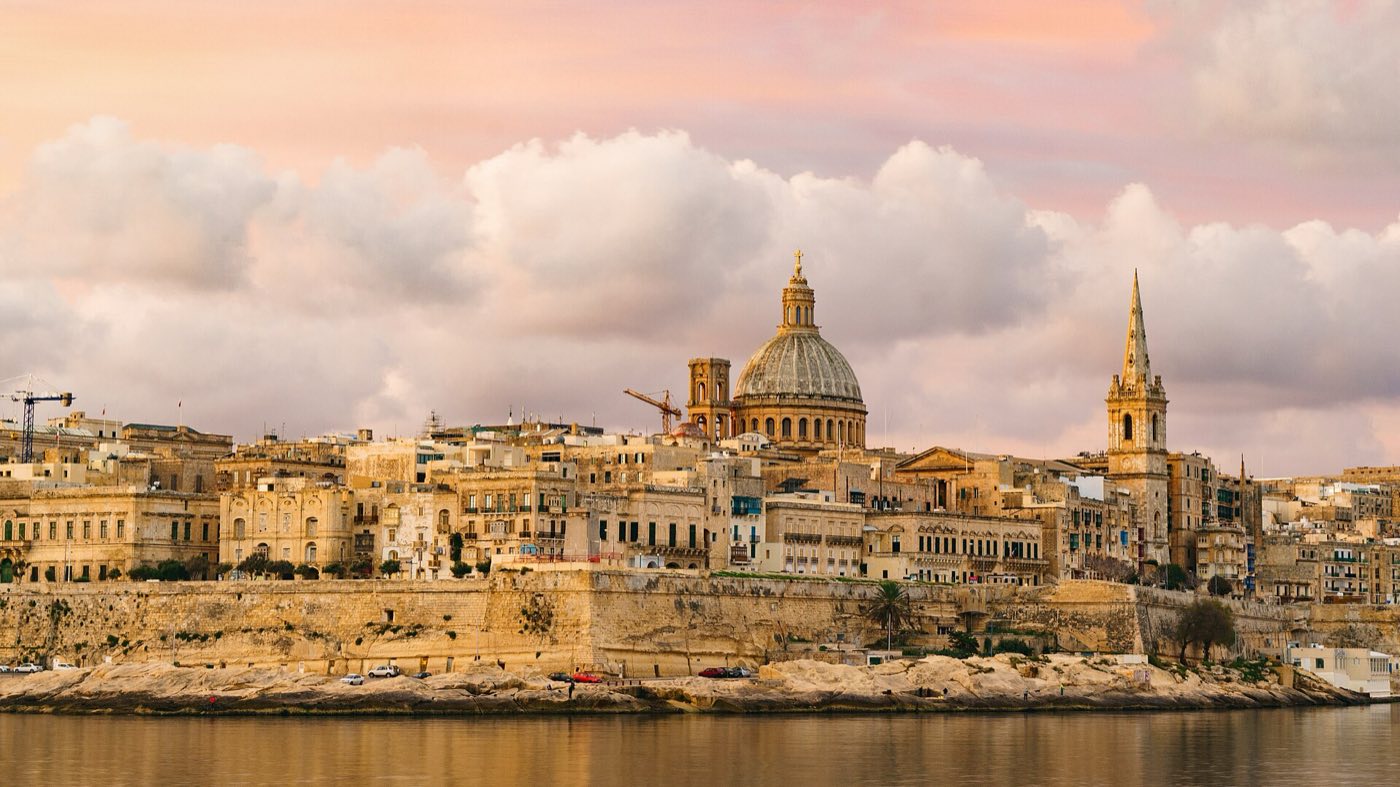
A Mediterranean archipelago packed with seven thousand years of layered history — Neolithic temples, Phoenician harbors, Roman villas, Arab fortifications, and the Baroque fortress cities of the Knights Hospitaller — all compressed into 122 square miles of honey-colored limestone. Arriving in Valletta, you notice the color first. The city is built almost entirely from a single warm-toned stone quarried on the island, and in the late afternoon the whole peninsula glows as if lit from inside. Step into the side streets off Republic Street and you'll find balconies painted green and red, narrow stairs dropping toward the Grand Harbour, and the smell of rabbit stew drifting out of small family-run kitchens. Malta rewards travelers who like their history dense and their distances short. You can have breakfast in Valletta, swim at a limestone cove on Gozo by lunch, and be back for a Baroque concert at St. John's Co-Cathedral by evening. Everyone speaks English, the buses run everywhere, and the food — a Sicilian-North African-British hybrid — keeps surprising you. Give it a week, and try not to spend all your time at the resorts in Sliema.
Things to Do
Valletta's Baroque old city and St. John's Co-Cathedral
The capital, a UNESCO site entirely walled and built on a peninsula, fits inside a grid you can cross on foot in fifteen minutes. Inside St. John's Co-Cathedral, every square inch is gilded, painted, or inlaid with marble — a theatrical Baroque interior funded by the Knights of Malta during their two-century heyday. Two Caravaggio canvases hang in the oratory, including the enormous Beheading of St. John, which is worth the ticket alone. Walk the Upper Barrakka Gardens afterward for the view over the Three Cities and the saluting battery at noon.
Mdina — the Silent City
The island's former capital sits on a ridge in the center of Malta, a walled medieval town of barely three hundred residents where cars are banned and footsteps echo off the limestone. Enter through the main gate at dusk, when the tour coaches have left and the streets empty out completely. The Mdina Cathedral, palace courtyards, and the bastion walls looking east toward Valletta are the main sights, but the real pleasure is walking the narrow lanes at night with nothing but the occasional cat for company.
Hagar Qim and Mnajdra megalithic temples
These Neolithic temples on the south coast predate the pyramids by roughly a thousand years and the great circles of Stonehenge by about five hundred. Mnajdra is aligned to the equinox sunrises, and the builders fitted the megaliths together without mortar in ways archaeologists still debate. A protective tent shelters the stones from erosion now, which makes photography harder but the site easier to understand. Combine with the nearby Blue Grotto boat trip for a full morning.
Blue Grotto sea caves
On the southern coast below the village of Zurrieq, a small boat will take you through a series of limestone sea caves where the water glows an electric turquoise against the dark rock. The reflection comes from white sand on the cavern floors and takes on its strongest color between nine and eleven in the morning. Boats leave constantly from Wied iz-Zurrieq when the sea is calm, and the whole trip takes about twenty-five minutes — short but photographically unreal.
Gozo's Citadel and Ramla Bay red sand beach
Malta's sister island is slower, greener, and less built-up, a twenty-five-minute ferry ride from Cirkewwa in the north. The Citadel above Victoria is a compact fortified hill with views stretching the full width of the island; Ramla Bay on the north coast is one of the Mediterranean's few genuinely red-sand beaches. Rent a car for the day — Gozo is small enough to loop in a few hours — and stop at Ta' Pinu Basilica and Dwejra Bay's inland sea on the way.
Hypogeum of Hal-Saflieni underground temple
A Neolithic burial complex carved three levels down into the limestone, the Hypogeum held the remains of roughly seven thousand people and is acoustically tuned in ways modern engineers find uncanny — low sounds resonate through the entire chamber. Only ten visitors per hour are admitted to protect the microclimate, and tickets typically sell out two to three months ahead. Book before you fly, treat it as the anchor of your trip, and plan everything else around the time slot you can get.
Three Cities — Vittoriosa, Senglea, and Cospicua
Across the Grand Harbour from Valletta sit three fortified cities older than the capital itself — the original home of the Knights of Malta before they built Valletta. Vittoriosa, the most intact, has waterfront cafes along a marina, narrow streets of low ocher houses, and the Inquisitor's Palace museum. Take the traditional dghajsa water taxi across from Valletta for about two euros — it's the view the Knights would have had arriving by sea.
When to Go
April through June and September through early November are the best windows — warm sun, swimmable water by May, and none of the August inferno. July and August push regularly into the high 30s Celsius and the beaches fill with European holidaymakers, though evening temperatures stay pleasant and the nightlife in Paceville and St. Julian's peaks. Winter from December through February is mild, rainy in bursts, and uncrowded — perfect for history-focused trips when the temples and cathedrals empty out. The Malta International Fireworks Festival in late April is worth planning around.
Getting Around
Malta is small enough that almost nowhere is more than forty-five minutes from anywhere else, and the public bus network covers the entire main island plus Gozo. Buy a Tallinja card on arrival — unlimited rides for a week runs around 21 euros and beats paying per trip. Renting a car gives you real flexibility, especially for Gozo and the southern coast, though parking in Valletta is a nuisance and driving is on the left. Ferries to Gozo leave from Cirkewwa every half hour and take 25 minutes; a smaller Comino ferry runs seasonally from both islands to the Blue Lagoon. Ride-hailing apps work well in the main tourist zones.
Cost & Currency
Malta uses the euro and sits around the European Mediterranean average — a bit cheaper than mainland Italy, noticeably cheaper than the French Riviera. Budget 3 euros for a cappuccino, 12 to 18 euros for a neighborhood lunch of pastizzi or rabbit stew, and 90 to 150 euros a night for a comfortable mid-range hotel in Valletta or Sliema in shoulder season. Cards are accepted almost everywhere, though some small village bakeries and the dghajsa water-taxi operators still prefer cash. Tipping runs 5 to 10 percent at restaurants; round up taxi fares. Buses and ferries take contactless cards and the Tallinja pass.
Frequently Asked Questions
- Do I need to speak Maltese?
- No — English is an official language alongside Maltese, and essentially everyone in tourism, hospitality, and government services speaks it fluently. Menus, signs, and announcements are bilingual. Learning a word or two of Maltese is appreciated but never needed to get around or communicate.
- Is Malta a good base for exploring the Mediterranean?
- It works well for short hops to Sicily — a three-hour catamaran from Valletta to Pozzallo runs most days in summer — and for budget-airline routes across southern Europe and North Africa. For longer Mediterranean itineraries, the airport in Malta is small but well connected, though you'll change planes for anything beyond the immediate region.
- Is the tap water safe to drink?
- Tap water in Malta is desalinated and legally potable, but most locals prefer bottled water because of the strong mineral taste. Hotels and restaurants automatically serve bottled water. For cooking, brushing teeth, and drinking, tap water is fine; for straight drinking from a glass, most visitors also buy bottled.
- How long should I plan for a first trip?
- Five to seven days works well — two or three nights based in Valletta to cover the main island's history, a full day for Gozo and ideally an overnight there, and a day of beach time or a boat trip to Comino's Blue Lagoon. Shorter than five days feels rushed once you factor in the Hypogeum booking slot.
- Can I visit the Blue Lagoon on Comino without a tour?
- Yes — a public passenger ferry runs from Cirkewwa (Malta) and Mgarr (Gozo) to Comino from April through October, and you can stay as long as you like. Go on a weekday and arrive before ten or after four to avoid the cruise day-trippers, who crowd the main swimming area from late morning through mid-afternoon.
Plan a Trip to Malta
Have you been to Malta?
Track 195 countries, 50 states & 63 national parks on your map