Greece
- Capital
- Athens
- Population
- 10.4M
- Currency
- EUR
- Languages
- Greek
Overview
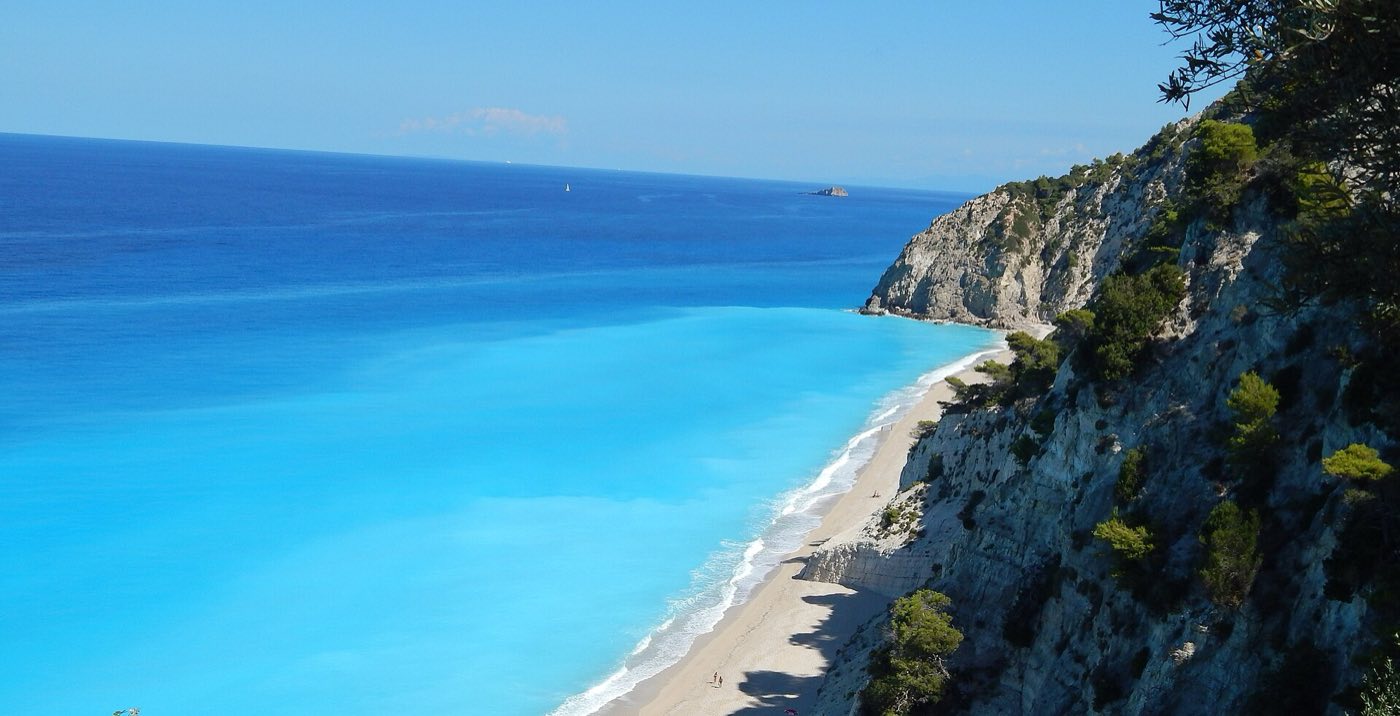
A country of roughly 6,000 islands — 227 of them inhabited — Greece stretches from the rocky mainland down into the Aegean and Ionian seas, trailing ruins, olive groves, and whitewashed harbor towns behind it. Travelers come for the Acropolis, Santorini's caldera cliffs, the hiking and gorges of Crete, and long lunches where the wine arrives cold in metal carafes. The light is what you remember. It's hard and bright and specific to this latitude, and it does something particular to marble — you'll see it most at the Parthenon around eight in the morning, when the stone glows the color of honey before the tour buses arrive. Down in the islands the same light bounces off whitewashed walls and makes the blue of the sea feel almost aggressive. Pack sunglasses you actually like wearing. Greece rewards travelers who are willing to slow down. Lunch is the main meal and lasts two hours; dinner starts at nine and ends whenever. Ferries run on their own schedule and occasionally on strike. You'll get more out of one island for five days than four islands in a week. Go for the ruins if you want, but stay for the tavernas, the beaches with no names, and the afternoons that simply dissolve into evening.
Things to Do
Acropolis and Parthenon in Athens
Climb the rock early — gates open at 8 a.m. and by ten the stone is crowded and the heat is serious. The Parthenon stands at the top in weathered Pentelic marble, 2,500 years old and still the template for Western public architecture. Pair it with the Acropolis Museum at the base of the hill, where the missing Elgin Marbles are represented by stark plaster casts and the building is designed so the top floor aligns with the temple above. Stay until sunset at Areopagus rock for the softest version of the view.
Santorini's caldera views and Oia sunset
The island is the flooded rim of a volcanic crater, and the villages of Fira, Imerovigli, and Oia are wedged onto the cliff edge a thousand feet above the sea. Walk the caldera path from Fira to Oia in the late afternoon — three hours at a civilized pace, with donkey traffic and blue-domed churches the whole way. Oia at sunset is crowded for a reason, but the quieter move is dinner in Imerovigli with the same view and a table you can actually hold.
Mykonos beaches and nightlife
The whitewashed capital, Chora, is a maze of alleys deliberately laid out to confuse medieval pirates and now doing the same to tourists. The south-coast beaches — Paradise, Super Paradise, Psarou — are where the party happens, with beach clubs that run from lunch until well past midnight. For something quieter, head north to Fokos or Agios Sostis, where the only structures are a taverna or two and the umbrellas run out by noon. Ferries to Delos leave the old port every morning.
Meteora monasteries perched on rock pillars
In central Greece, sandstone pillars rise 1,200 feet straight out of the Thessalian plain, and six working Byzantine monasteries sit on top of them. Monks originally reached them by rope ladders pulled up at night; today there are staircases carved into the rock. Base yourself in Kalambaka for two nights, hire a car, and visit three monasteries in a day — Great Meteoron and Varlaam for the frescoes, Roussanou for the approach. Sunset from the road above is free and genuinely striking.
Delphi archaeological site
The ancient Greeks considered Delphi the center of the world, and the ruins sit on the forested slopes of Mount Parnassus about two and a half hours by road from Athens. The Sanctuary of Apollo climbs the hillside in terraces — treasuries, the temple where the Oracle spoke, and a well-preserved theater near the top. The small museum holds the Charioteer of Delphi, one of the finest surviving bronzes of the ancient world. Arrive early; the site has no shade and afternoon heat is punishing.
Crete's Samariá Gorge and Minoan palaces
Europe's longest gorge cuts sixteen kilometers through the White Mountains down to the Libyan Sea — a six-hour one-way hike, steep in the first hour, then a steady descent past cypress, wild goats, and water crossings. You exit at Agia Roumeli, swim, and catch a ferry back along the coast. Pair Crete's south with the Minoan palace of Knossos near Heraklion, the 3,500-year-old ceremonial center whose bull-leaping frescoes changed what Europeans thought they knew about Bronze Age civilization.
Corfu's Venetian old town
The Ionian island closest to Italy shows it — four centuries of Venetian rule left a UNESCO-listed old town of pastel facades, arcaded streets, and two sea fortresses guarding the harbor. The Liston, a French-built arcade modeled on the Rue de Rivoli, is where locals meet for coffee in the morning and ouzo in the early evening. For beaches, head north to Paleokastritsa's turquoise coves or south to the long sand of Halikounas — the island is bigger than it looks on a map.
Rhodes' medieval walled city
The largest of the Dodecanese islands sits off the Turkish coast and carries 2,400 years of layered history — ancient Greek, Knights Hospitaller, Ottoman, Italian. The medieval walled city is the prize, a UNESCO site with the Street of the Knights running straight through it to the Palace of the Grand Master. Stay inside the walls for one night to feel the city empty out after the day-trippers leave. The village of Lindos, 45 minutes south, has a hilltop acropolis above a perfect crescent bay.
When to Go
May through early June and September through mid-October are the best windows — warm days, swimmable seas, and prices that have not yet climbed to peak levels. July and August bring serious heat (often above 100F in Athens and on the southern islands), packed ferries, and full tavernas; the atmosphere is electric but the comfort suffers. Winter is mild on Crete and the southern Dodecanese and genuinely wet on the mainland, though Athens stays walkable year-round and the museums are empty. For hiking the gorges of Crete or the peaks of the mainland, April through June is the sweet spot.
Getting Around
Ferries and planes knit the islands together — Blue Star and Hellenic Seaways run the main Aegean routes, and catamarans like Seajets move faster at roughly double the price. Book ahead in July and August, when popular routes sell out days in advance. Domestic flights from Athens reach most of the major islands in under an hour and are often cheaper than a fast ferry. On the mainland, a car gets you to Delphi, Meteora, and the Peloponnese with little trouble; roads are well maintained though mountain routes can be slow. Athens has a clean metro, but taxis are cheap and plentiful — insist on the meter. Public buses (KTEL) cover the country thoroughly and inexpensively if you have the time.
Cost & Currency
Greece uses the euro and remains one of Western Europe's more affordable destinations, though the Cyclades in high season narrow that gap. Expect €2–€3 for a freddo espresso at a sidewalk cafe, €12–€20 for a taverna lunch of grilled fish or moussaka with a small carafe of house wine, and €70–€130 a night for a comfortable mid-range hotel outside peak-season Santorini or Mykonos. Islands run pricier than the mainland; a beachfront room on Santorini in August easily tops €300. Cards are widely accepted in cities and tourist areas, but keep €30–€50 in cash for smaller tavernas, island markets, and ferry tickets at the port. Tipping is modest — round up a cafe bill and leave 5–10% at a sit-down dinner.
Frequently Asked Questions
- Is Greece safe for travelers?
- Yes, Greece is one of Europe's safer destinations, with very low violent crime and well-policed tourist zones. Pickpocketing happens on the Athens metro (particularly the blue line to the airport) and in crowded spots around Monastiraki and Syntagma squares, so keep a hand on your bag. Ferry strikes and the occasional transport protest in Athens can scramble plans — build a buffer day into your itinerary.
- Do I need to speak Greek?
- No, English is widely spoken in Athens, on the major islands, and by anyone working in tourism. A few polite phrases — kalimera for good morning, efharisto for thank you, parakalo for please — are genuinely appreciated and open doors in village tavernas. The Greek alphabet takes an afternoon to recognize and makes reading street signs and menus considerably easier.
- How do I get between the islands?
- Ferries are the backbone of island travel, leaving from the port of Piraeus (Athens) and from Rafina for the Cyclades. Routes run most frequently from mid-May through September; book a few days ahead in summer. Short domestic flights on Aegean, Sky Express, and Olympic Air connect Athens to Santorini, Mykonos, Rhodes, and Crete in about 45 minutes and are often competitively priced with fast ferries.
- How long should I plan for a first trip?
- Ten days to two weeks is a comfortable first visit — three nights in Athens with a day trip to Delphi or Cape Sounion, two nights in Meteora, and the rest split between one or two islands. Trying to see three or four islands in a single trip usually means more time on boats than on beaches. If you only have a week, pick Athens plus one island and go deep.
- Is the tap water safe to drink?
- In Athens, Thessaloniki, and most of the mainland, yes. On the islands it varies — Crete, Rhodes, and Corfu are generally fine, but on Santorini, Mykonos, and many of the smaller Cyclades the supply is brackish or desalinated and most people drink bottled. Carry a refillable bottle and ask at your hotel; the answer is usually straightforward.
Plan a Trip to Greece
Have you been to Greece?
Track 195 countries, 50 states & 63 national parks on your map