Lebanon
- Capital
- Beirut
- Population
- 5.5M
- Currency
- LBP
- Languages
- Arabic
Overview
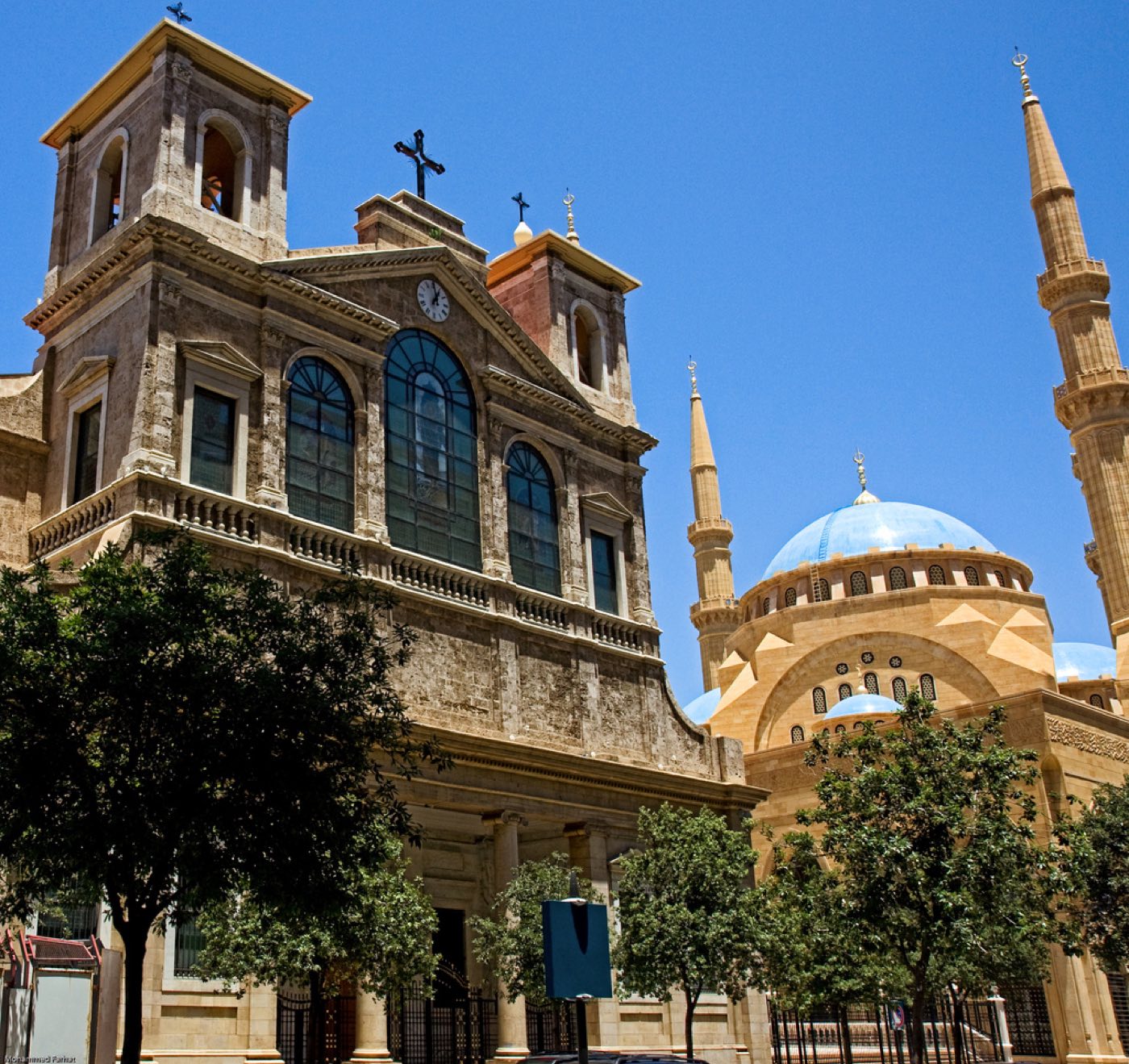
A small Mediterranean country wedged between Syria, Israel, and the sea, Lebanon has spent four thousand years as a crossroads — Phoenician, Roman, Crusader, Mamluk, Ottoman, French mandate, and modern republic, with each layer still visible in the stonework. Beirut sits at the heart of it, a city that has been destroyed and rebuilt more times than most nations exist, and the rest of the country fans out from the coast into steep limestone mountains studded with Maronite Christian villages and the cedars that appear on the flag. Lebanon is also a country in genuine difficulty, and travel here requires eyes open. The 2019 economic collapse saw the Lebanese lira lose over 98 percent of its value, banks froze depositors out of their own savings, and the country now runs on a cash-dollar economy where prices in restaurants and hotels are quoted in US dollars and paid in physical bills. Power is intermittent — neighborhoods rely on generator shares for much of the day. The August 2020 Beirut port blast, one of the largest non-nuclear explosions in history, tore the heart out of the Gemmayzeh and Mar Mikhael districts, and while those neighborhoods have been rebuilt, the grain silos still stand ruined above the port as a deliberate memorial. Security considerations are serious and shifting. Most Western governments currently advise against travel to southern Lebanon (south of the Litani River), the Bekaa Valley close to the Syrian border, and the Palestinian refugee camps, with specific no-go zones that vary over time. The southern border areas remain militarily tense and partially closed to visitors. Check your government's travel advisory within a week of departure, make sure your insurance covers Lebanon specifically, and plan around the current guidance rather than the map. The Beirut-Byblos-Baalbek-Qadisha corridor remains the standard visitor route and can be done safely with reasonable caution. What rewards you is a country of astonishing cultural depth, one of the world's great cuisines, and a resilience that you feel in every conversation.
Things to Do
Baalbek Roman temple complex
In the Bekaa Valley, ninety kilometers east of Beirut, Baalbek holds some of the largest and best-preserved Roman temple architecture anywhere in the world. The Temple of Jupiter once stood on a platform that still dwarfs you when you walk onto it; the adjacent Temple of Bacchus is more intact than anything in Rome itself, its Corinthian columns and coffered ceiling reaching 31 meters. The site sits in a politically sensitive area — check current security advisories and, if in doubt, visit only with a reputable Beirut-based tour operator on a day trip. The international Baalbek Festival, when it runs, stages classical concerts in the temple precinct on summer nights.
Jeita Grotto limestone caves
Twenty kilometers north of Beirut, the Jeita system is two connected limestone caverns stretching for almost ten kilometers underground — one of the longest cave systems in the Middle East. The upper gallery is walked on illuminated paths through halls of enormous stalactites and stalagmites; the lower gallery is navigated by small electric boat along an underground river that carved the cave in the first place. No photography is allowed inside, which forces you to actually look. The site is closed in winter when the river floods — check seasonal opening. Often paired with a trip to Harissa and Byblos in a single day.
Byblos ancient Phoenician port city
Forty kilometers up the coast from Beirut, Byblos (Jbail) claims status as one of the oldest continuously inhabited cities on earth — settlement layers going back more than seven thousand years, including Phoenician, Roman, Byzantine, Crusader, and Mamluk. The archaeological site on the seaward side of town compacts all of it into one walk: Crusader castle, Roman colonnade, Phoenician royal tombs, Bronze Age temples. The old souk behind the harbor is genuine rather than restored, with fishermen selling off their morning catch, and the seafront restaurants serve the best grilled calamari on the coast. A half-day easily expands to a full one.
Qadisha Valley and Cedars of God
In the high country of northern Lebanon, the Qadisha (Holy) Valley cuts a deep gorge below the mountain villages of Bsharri and is a UNESCO World Heritage site thanks to its medieval rock-cut Maronite monasteries — Mar Lishaa, Qannoubine, Deir Mar Elisha — still inhabited or accessible to walkers. Higher up the mountain above Bsharri stands the Arz el-Rab (Cedars of God), a remnant grove of the ancient cedar forests that once covered this range and gave Lebanon its flag emblem. The trees here are over a thousand years old. Winter snows close the high road from December through March; the rest of the year it is one of the most striking drives in the country.
Beirut's Gemmayzeh and Mar Mikhael nightlife
The parallel streets of Gemmayzeh and Mar Mikhael run east from Beirut's downtown up into the hills and for a decade held the most serious nightlife scene in the Arab world. The 2020 port explosion destroyed much of both neighborhoods; the rebuilding has been slow and mostly citizen-funded rather than state-led, but the bars, rooftop terraces, and restaurants have reopened, thinner than before but alive. Start at sunset with a glass of Ksara white at one of the older cafes on Armenia Street, eat manakish or a full meze, and watch the neighborhood come back together over a long evening. Cash only at most venues.
Sidon Sea Castle and souks
Forty kilometers south of Beirut on the coast road, Sidon (Saida) is one of the old Phoenician port cities and still has the 13th-century Crusader sea castle built on an offshore islet connected by a stone causeway. The old town souk behind the harbor is compact and working — metalworkers, soap makers (Sidon's olive oil soap is famous), spice sellers — and far less touristed than Byblos. The site's proximity to the southern zone means advisories fluctuate; confirm current conditions before heading south and keep the visit to Sidon town itself rather than pushing further toward Tyre. Travel south of the Litani is restricted and not recommended.
Harissa Our Lady of Lebanon shrine
Above the coastal town of Jounieh, a 15-ton white bronze statue of the Virgin Mary stands on a hilltop at 650 meters and has been one of the most important Maronite pilgrimage sites in the country since 1908. You reach it either by the serpentine mountain road or by a Swiss-built aerial cable car (téléphérique) that climbs 850 meters from the Jounieh waterfront — a nine-minute ride with views down the bay that are worth the ticket by themselves. The modern cathedral next to the statue is architecturally striking. Combine with dinner on the Jounieh seafront on the way back to Beirut.
When to Go
April through June and September through November are the comfortable shoulders, with mild weather on the coast, clear skies in the mountains, and hillsides either flowering in spring or in autumn color. Summer from late June through August is hot and humid on the coast — Beirut regularly hits 32°C with high humidity — though it is also the beach season and when the mountain resorts at the Cedars, Faraya, and Faqra come alive. January through March brings snow to the high country and is genuine ski season at Mzaar Kfardebian, the largest resort in the Middle East. Ramadan (shifting by lunar calendar) slows daytime pace in predominantly Muslim areas but Beirut's Christian neighborhoods operate normally.
Getting Around
Lebanon has no passenger rail; transport is by road and the roads are chaotic. Taxis and shared service taxis (servees) cover Beirut cheaply, and Uber and Bolt both operate in the capital. For trips to Byblos, Jeita, or Harissa, a hired driver for the day runs 80–120 US dollars and is the most efficient way to see the coast. The mountain roads up to the Qadisha Valley, the cedars, and the Bekaa toward Baalbek are better done with a driver who knows the current military checkpoint situation; army checkpoints are routine on the road east and visitors are usually waved through after a passport check. Car rental is available but traffic in Beirut is not for first-time visitors to the region. Power cuts mean that filling up on fuel when you see it is a good habit. Do not attempt self-drive to the southern border zones or the Syrian border areas.
Cost & Currency
Lebanon is now effectively a cash-dollar economy. The Lebanese lira (LBP) still exists and is used for small purchases, but most restaurants, hotels, taxis, and tours quote and accept prices in US dollars — bring crisp, recent-series USD bills in mixed denominations. ATMs often dispense only dollars (and sometimes nothing at all, depending on the bank's liquidity that week); do not rely on them for your whole trip. Card acceptance is unreliable even in Beirut — assume cash for almost everything. Prices at mid-range level: a meze and grilled meat dinner with arak 25–40 USD per person, a good Beirut hotel 80–150 USD a night, a tank of fuel 40–60 USD. Power generator fees are often added to hotel bills (2–5 USD a day) and are legitimate. Tip service staff 10 percent in cash and drivers 10–20 USD a day; it matters in the current economy.
Frequently Asked Questions
- Is it currently safe to travel to Lebanon?
- That depends on which Lebanon you mean and when you are reading this. Beirut and the coastal corridor from Byblos to Sidon, plus the mountain destinations of Qadisha, the Cedars, Harissa, and Jeita, have generally been considered travelable with normal precautions for most of the past several years. South of the Litani River, the eastern Bekaa Valley near the Syrian border, Palestinian refugee camps, and parts of Tripoli are on most Western travel advisories as do-not-travel zones due to ongoing instability and southern border closures. The situation shifts rapidly — check your own government's advisory within a week of departure and confirm current conditions with a reputable Beirut-based operator.
- Do I need a visa for Lebanon?
- Citizens of the United States, United Kingdom, European Union, Canada, Australia, and many other countries can get a free tourist visa on arrival at Beirut-Rafic Hariri International Airport, valid for one month and extendable in country. Your passport must be valid for at least six months. A critical rule: any evidence of travel to Israel — stamps, visas, or immigration records — will result in immediate denial of entry, so if you have Israeli stamps in your passport you will need a clean passport before attempting entry. Confirm current visa policy before flying.
- How does money actually work in Lebanon right now?
- Bring US dollars in cash and plan the trip around that. Since the 2019 banking crisis, Lebanese banks restrict or block withdrawals from local accounts and foreign cards often fail at ATMs; when they do work, they usually dispense USD. Most tourist businesses — hotels, restaurants, tour drivers, mid-tier shops — price in dollars and expect payment in dollars. Small street purchases (taxis, coffee, bakery items) run in Lebanese lira, which you can acquire informally at money changers. Bring a mix of $1, $5, $10, $20, and $50 bills — larger bills can be hard to break — and budget for the trip entirely in cash.
- What about the Beirut port blast — can you still see the damage?
- Yes. The August 4, 2020 explosion at the Port of Beirut — caused by the detonation of 2,750 tons of improperly stored ammonium nitrate — killed more than 220 people, injured over 6,000, and destroyed large parts of Gemmayzeh, Mar Mikhael, and Karantina. The neighborhoods have been substantially rebuilt, largely through citizen initiative, and the bars and restaurants are back, but the ruined grain silos above the port remain standing as a memorial and are visible from much of the city. It is a defining event in recent Lebanese history, and locals generally welcome respectful conversation about it.
- What is the food like in Lebanon?
- Among the best in the world. Lebanese meze — hummus, tabbouleh, baba ghanoush, kibbeh nayyeh, fattoush, warm flatbreads straight from the oven — is the ancestor of much of what gets called Middle Eastern food elsewhere, and here it is served correctly, as a long shared table rather than a single course. Mains centre on grilled meats (shish taouk, kafta, shawarma), stuffed vegetables, and baked fish on the coast. Arak, the anise-flavored spirit cut with cold water and ice, is the traditional drinking companion. Lebanese wine, especially from Château Musar and the Bekaa producers Ksara and Kefraya, is excellent and inexpensive.
Plan a Trip to Lebanon
Have you been to Lebanon?
Track 195 countries, 50 states & 63 national parks on your map