National Park · AK · Est. 1980
Katmai
Overview
Katmai sits on the Alaska Peninsula about 290 miles southwest of Anchorage, off the road grid entirely. You fly Alaska Airlines into King Salmon — a daily commercial hop from Anchorage — then take either a 20-minute floatplane to Brooks Camp or, on calmer days, a water taxi up the Naknek River and across Naknek Lake. Most visitors are coming for one thing: brown bears. In July, sockeye salmon pile up at Brooks Falls, and the largest bears in the world line the lip of that six-foot drop to catch leaping fish with their mouths. On a good morning in early July you can watch 15 bears in a single frame. In September, the same bears are back — fat, dark-coated, pulling spent salmon out of the shallows before hibernation. Fat Bear Week happens here. The cam version of Katmai makes it look simple. The on-site version is a logistics project. You fly to King Salmon on a commercial plane, then catch a 20-minute floatplane to Brooks Camp. If you want to camp at Brooks in July, you enter a lottery months in advance; the campground is walk-in only and costs about $6 a night, but you won't get a spot without the lottery. Day-trip floatplanes from King Salmon or Homer run $600 to $1,500+ per person. Weather delays are normal — build a buffer day on either end, and understand that a rain-socked morning can cancel your flight without warning. Beyond Brooks, the park stretches into the Valley of Ten Thousand Smokes, the ashed-over remnant of the 1912 Novarupta eruption, still the largest volcanic event of the 20th century.
What to See & Do
Brooks Falls bear-viewing platform during the salmon run
The elevated platform at Brooks Falls is the single best bear-viewing spot on Earth in early to mid-July. Rangers rotate visitors on and off the platform in one-hour slots when it's busy, and you'll wait in a line along the floating bridge for your turn. Bring a 400mm lens and binoculars — the bears are close, but a long lens captures the salmon mid-air. The light is best from mid-morning onward, when the sun comes around over the falls. A second platform, lower on the river, stays open longer and puts you closer to bears eating catches on the gravel bars.
Fat Bear Week in late September and early October
Late September brings the year's most entertaining Katmai tradition. The fall run of salmon is smaller but the bears — especially the boars — are deep into hyperphagia, eating 90 pounds a day to pack on a thousand pounds before denning. Fat Bear Week, the park's online bracket tournament, runs the first week of October, but on the ground the viewing is even better: fewer visitors, fewer mosquitoes, fall color on the tundra, and truly enormous animals. The weather turns cold and wet, though — pack waders and full rain gear.
Valley of Ten Thousand Smokes volcanic landscape
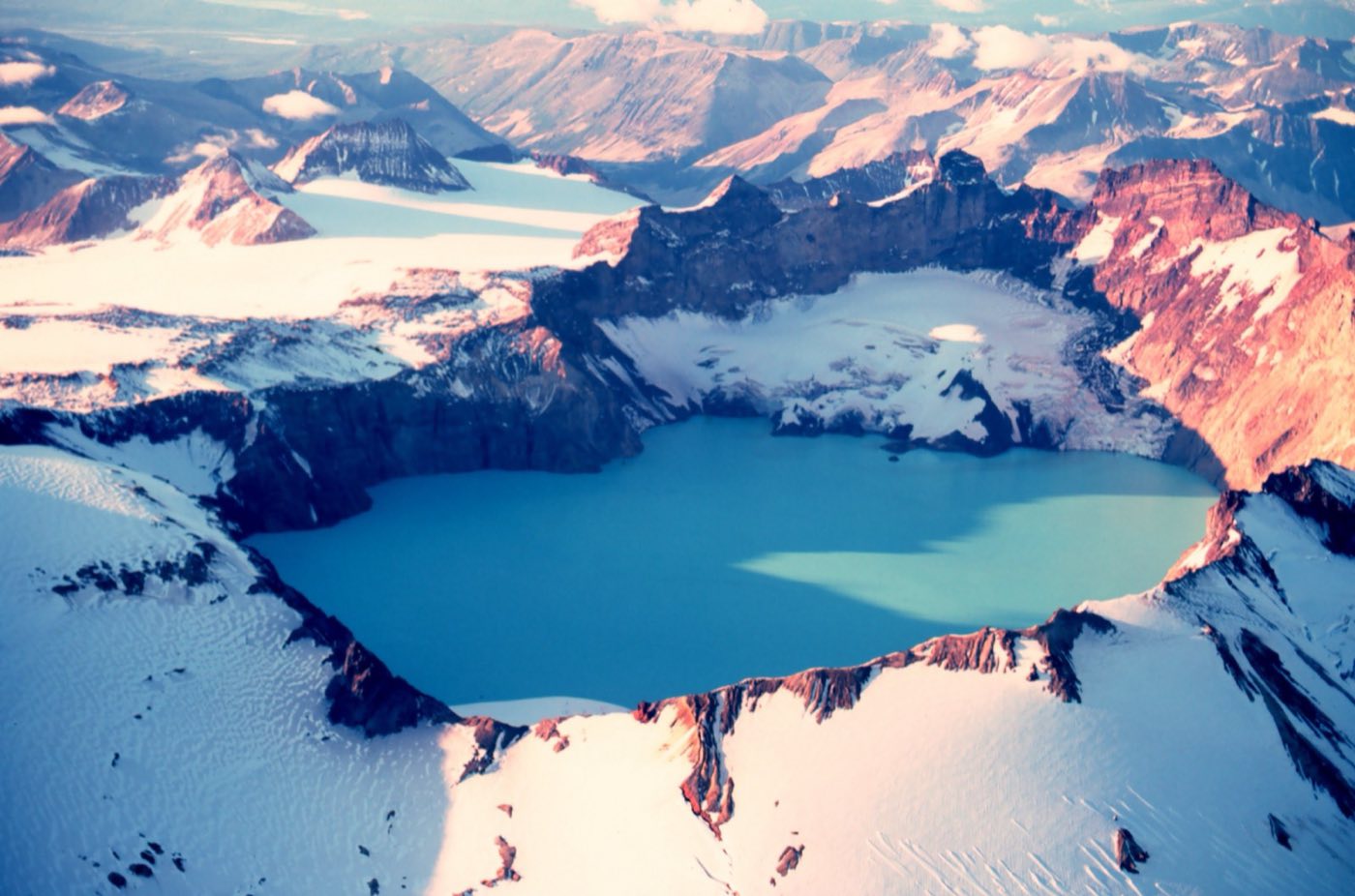
In 1912, Novarupta erupted with 30 times the force of Mount St. Helens and buried a 40-square-mile valley in ash up to 700 feet deep. A century later, the valley is still a pale, otherworldly plain cut by the Lethe River in deep canyons. A daily bus tour from Brooks Camp drives the 23-mile road to the Griggs Visitor Center overlook, and day hikes drop down into the ash. You won't see bears here — they stick to the salmon country — but the scale of the 1912 event is hard to grasp any other way.
Brooks Camp bear-watching from the elevated platforms
Brooks Camp itself is essentially a set of wooden boardwalks connecting platforms because bears wander freely through the cabins, the campground, and the lunch area. On arrival, everyone attends a 20-minute bear-etiquette talk before leaving the visitor center. The lower river platform at the mouth of Brooks River often has the quieter, more reliable bear activity — cubs playing in the shallows, sows fishing with their young. Come early and late; midday tends to be slowest. Leave food in the lockers provided, never in your tent.
Floatplane flight over the Katmai coast
If your budget allows a day trip from Homer instead of Brooks Camp, the flight itself is part of the experience. You cross Cook Inlet past the volcanoes Augustine and Douglas, then drop onto a beach on the Katmai coast — Hallo Bay, Geographic Harbor, or Kukak Bay. A guide walks you across sedge flats and tidal clam beds where bears graze and dig, typically at 40 to 100 yards. The coastal bears feed on grass, clams, and salmon, and sightings are near-certain from June through August. Expect $800 to $1,500 per person for the full day.
Naknek Lake kayaking and fishing
Brooks Camp sits on the eastern edge of Naknek Lake, 40 miles long and deep enough to hold lake trout, Arctic char, and giant rainbow trout. Guided fly-fishing out of Brooks Lodge runs around $800 a day and puts you on the Brooks River or its feeder lakes. Rental kayaks let you explore the protected coves around Brooks Camp on calm mornings; keep close to shore and watch the wind — Naknek kicks up quickly. Bears cross the river mouth constantly, so never leave fish on a stringer in the water.
Hallo Bay bear viewing on the remote coast
Hallo Bay, on Katmai's Pacific coast, is a wide grass flat where brown bears graze like cattle between salmon runs. Unlike Brooks Falls, there are no platforms here — guides walk small groups out onto the sedge meadow with no fences, no structures, and bears feeding 30 yards away. It's the most intimate bear experience in North America and the most weather-dependent: a marine-layer morning on Shelikof Strait can shut down the flights out of Homer for a full day. Outfitters will typically rebook, but plan extra days.
Getting There & When to Go
There is no road into Katmai, but it isn't floatplane-only. Alaska Airlines flies daily from Anchorage to King Salmon (about 1.5 hours). From King Salmon you have two onward options to Brooks Camp: a 20-minute floatplane via Katmai Air or Branch River Air ($1,000 to $1,500 round-trip in peak season), or a water taxi up the Naknek River and across Naknek Lake — slower, weather-dependent on lake chop, but a real alternative when the wind is calm. Day trips from Homer or Kodiak run direct to the Katmai coast — a more expensive but scenic option. July is the famous month for the Brooks Falls salmon run; late August through mid-September brings fall-color tundra and bigger bears. The Brooks Camp campground takes reservations via a lottery that opens in January for the peak July window. Weather delays are routine — build at least one flex day into any itinerary.
Where to Stay
Brooks Lodge, the only in-park lodging, opens June through mid-September and sells out its 60 beds through a lottery that happens 18 months in advance — you reserve for summer 2027 in early 2026. Nightly rates start around $900 per person with meals included. The Brooks Campground, about 100 yards from the lodge, is the budget option at roughly $18 per site with a July lottery. Electric-fenced food storage is provided and required. Outside the park, King Salmon has a cluster of modest inns and fishing lodges in the $200-to-$400 range; day-trip floatplanes from there land you at Brooks for the viewing platforms and return you the same evening.
Frequently Asked Questions
- Do I need a permit to visit Brooks Falls?
- You don't need a permit to fly in and visit the viewing platforms as a day-tripper — the park itself has no entry fee. You do need a reservation for the campground (lottery-based in July) or for a bed at Brooks Lodge (lottery-based 18 months out). Every visitor must complete the mandatory bear-etiquette orientation at the visitor center before walking to the platforms.
- How much does a floatplane to Brooks Camp cost?
- Round-trip floatplane between King Salmon and Brooks Camp runs about $900 to $1,100 per person in peak July season with Katmai Air or Branch River Air. Full-day trips direct from Homer or Kodiak to Brooks or the Katmai coast run $800 to $1,500 per person and include the flight, lunch, and guided time on the ground. Prices trend up every year — book early.
- When is the best time to see bears at Brooks Falls?
- The peak salmon run at the falls happens from late June through late July; that's when bears catch leaping sockeye mid-air. Activity thins in August as the salmon push upstream, then bears return in early September for the spent-salmon feast before hibernation — fewer fish, bigger bears, and smaller crowds. Mid-July and mid-September are the two sweet spots.
- Is it safe to be that close to brown bears?
- Brooks Camp is unusually safe for a wild bear-viewing area because the bears here have seen decades of non-threatening human visitors and the park enforces strict rules — you attend a mandatory orientation, stay on designated trails and platforms, and give bears the right of way on the paths. Injuries at Brooks are rare, but every visitor is expected to stand aside quietly if a bear walks past. Never run from a bear.
Plan Your Visit
Book Nearby HotelsHave you visited Katmai?
Track all 63 national parks on your map