National Park · AK · Est. 1980
Kobuk Valley
Overview
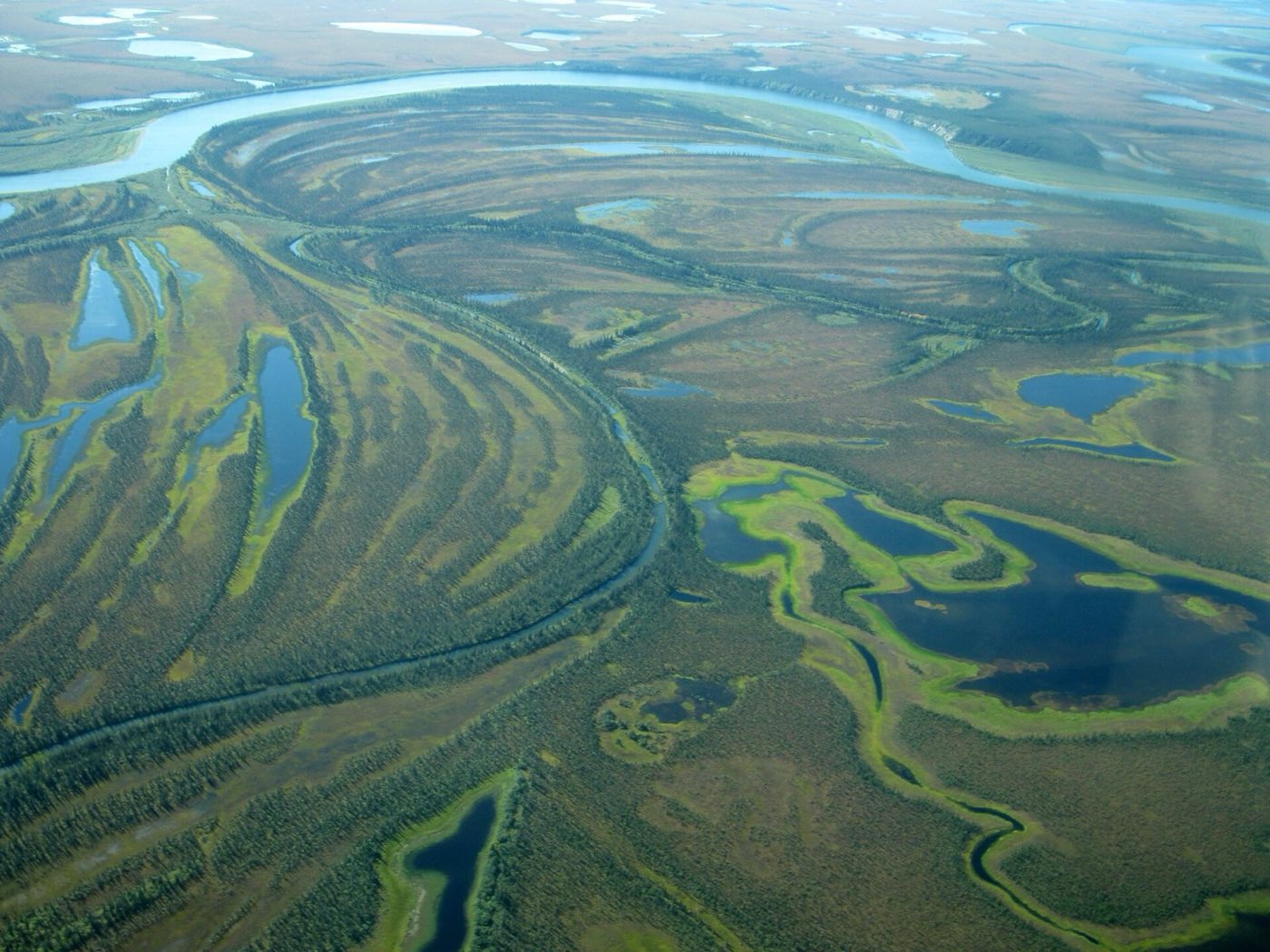
Kobuk Valley is one of the least-visited national parks in the country — typically fewer than 15,000 visitors a year, and most of those are fly-over sightseers rather than boots-on-the-ground travelers. The park sits 35 miles above the Arctic Circle in northwest Alaska, with no roads, no trails, no campgrounds, no visitor services inside the boundary, and no cell signal for a thousand square miles. You get here by chartered bush plane from Kotzebue, which you reach by commercial flight from Anchorage (about 2.5 hours and $600 to $800 roundtrip). From Kotzebue, an air taxi to the sand dunes or river gravel bars runs another $1,200 to $2,000 per person roundtrip depending on the outfitter and group size. What draws you here is improbable: 25 square miles of sand dunes in the Arctic, up to 100 feet tall. The Great Kobuk Sand Dunes are the remnant of a glacial outwash plain, kept active by the same dry, windy weather that makes this valley one of the warmest places in Arctic Alaska in summer — you can genuinely hit 80°F on the dunes in July. Add to that the spectacle of the Western Arctic caribou herd — historically the largest in North America — crossing the Kobuk River in late August and September, and you have one of the wildest trip ideas available in the park system. This is not a park to show up to unprepared. You need an outfitter, satellite communication, bear spray, and full self-sufficiency. Mosquitoes in June and July are a weaponized presence.
What to See & Do
Great Kobuk Sand Dunes — 25 square miles of Arctic desert
The Great Kobuk Sand Dunes are the largest active dunes in Arctic North America and a surreal sight above the Arctic Circle. A bush plane from Kotzebue lands on a gravel bar along the Kobuk River, and you walk a mile or so across tussock tundra and boreal forest to reach the dune field. The best time for photos is morning or evening low sun, when the dune faces throw long shadows. Some dunes are bare sand; others have pioneer grasses and caribou tracks sketched across them. Allow a full day on the ground; the flight in alone commits you to several hours.
Western Arctic caribou herd migration in September
The Western Arctic herd — numbering in the hundreds of thousands — moves through the Kobuk Valley each late August and September on its way to wintering grounds. At the Onion Portage bend of the river, caribou have crossed in the same spot for 9,000 years; the resident Inupiat community still hunts here under subsistence rights. A planned trip during migration can put you within yards of hundreds of animals swimming across the river. Outfitters out of Kotzebue will time trips to the movement — but the herd follows its own schedule, and you may wait days.
Kobuk River floating and fishing
The Kobuk is a broad, slow river running 280 miles from the Brooks Range to the Chukchi Sea, and floating a multi-day stretch is the classic Kobuk Valley trip — typically a five-to-eight-day raft or canoe float from Walker Lake or Ambler down to Kiana. Outfitters provide boats, gear, satellite phones, and float-out logistics for $5,000 to $8,000 per person. Fishing is excellent: sheefish (the Arctic's 'tarpon of the north'), chum salmon, grayling, and Arctic char all run the river. Beware of bears along the shoreline at salmon time.
Little Kobuk Sand Dunes for a more intimate dune experience
The Little Kobuk Sand Dunes, smaller in scale than their better-known neighbor, sit just west of the Great Kobuk Sand Dunes and are often included on the same bush-plane landing. They're smaller, grassier, and for some travelers more interesting — you can more easily wander the full perimeter in a morning. There are no services, no trails, no signs. Take a GPS; the terrain is deceptively uniform once you're walking among the low ridges, and cloud cover erases landmarks quickly.
Onion Portage archaeological site — 10,000 years of human history
Onion Portage, at a sharp bend of the Kobuk River near the park's eastern edge, is one of the most important archaeological sites in the Arctic. Caribou have crossed here for millennia and humans have hunted them here continuously for at least 10,000 years — layers of hunting camps stack beneath the ground. The site is not developed for tourism; visiting is a thing you do respectfully, with an outfitter who has the relationship with local Inupiat communities, and during migration so you see the living tradition in action, not just the archaeology.
Midnight sun above the Arctic Circle
For roughly five weeks in June and early July, the sun doesn't set in Kobuk Valley — it circles low on the horizon, dipping briefly but never fully going dark. Late-June trips here are a revelation: you can hike the dunes at 1 a.m. in soft golden light with no one around. The trade-off is peak mosquito season; a head net and a serious DEET or picaridin repellent are non-optional. Cover every inch of skin. By mid-August the sun sets again and the northern lights become possible.
Bush plane access over the Brooks Range
The flight in is part of the experience. Air taxis out of Kotzebue — Golden Eagle Outfitters, Arctic Backcountry Flying Service — run single-engine Beavers and Cessnas over the Waring Mountains and the flat, shining Kobuk River valley, with the white wall of the Brooks Range to the north. You'll see moose on the gravel bars and caribou herds below in migration season. Flights are weather-dependent and often canceled by low ceilings; build at least one full flex day into any trip and be ready to spend it in Kotzebue.
Getting There & When to Go
There is no road to Kobuk Valley. Alaska Airlines and Ravn Alaska fly from Anchorage to Kotzebue, a regional hub north of the Arctic Circle. From Kotzebue, bush plane charters fly you to the dunes, the Kobuk River, or Onion Portage — $1,200 to $2,500 per person roundtrip depending on group size and landing location. Late June through early August is peak floating and hiking season; late August and September is for caribou migration and fall color. Temperatures range from the 70s in July to near freezing in September. Weather delays are routine; Kotzebue itself is worth a layover day at the NANA Museum of the Arctic.
Where to Stay
There is no lodging, no developed campground, and no visitor center inside the park. You camp on gravel bars, sand, or tundra wherever your bush plane drops you, using a freestanding tent, a bear-resistant food container, and a satellite communicator (Garmin inReach or similar). In Kotzebue, the Nullagvik Hotel is the only real option — basic rooms around $250 a night, a restaurant, and a view of the Chukchi Sea. Book for arrival and departure nights; weather will trap you in town at some point. For guided float trips, outfitters supply all camping gear and food — all-in trip costs run $5,000 to $9,000 per person for a week-long experience.
Frequently Asked Questions
- Do I need a guide to visit Kobuk Valley?
- Practically yes, unless you have serious Arctic backcountry experience and your own logistics. There are no roads, trails, services, or rangers in the park, and a bad call on weather, water, or bears can kill you. Most visitors go with an outfitter based in Kotzebue who handles bush plane charters, boats, camping gear, food, and satellite communication. Full-service trips start around $5,000 per person for a week.
- How much does a trip to Kobuk Valley cost?
- Plan on $6,000 to $10,000 per person all-in for a self-outfitted float or guided dune trip. Commercial flights from Anchorage to Kotzebue run $600 to $800; bush plane charters into the park add $1,200 to $2,500; a week-long guided float is typically $5,000 to $8,000 including gear and meals; and a Kotzebue hotel night or two bookends the trip. Food, bear spray, and satellite communicator rental are extra.
- What wildlife might I see in Kobuk Valley?
- Grizzly bears and black bears are both present and often seen along salmon rivers in summer. Moose graze the river bottoms. The Western Arctic caribou herd — one of the largest in the world — crosses the park twice a year, with the southbound migration reaching Onion Portage in late August and September. Wolves follow the caribou. Gyrfalcons nest on the cliff bands. Mosquitoes are the wildlife you'll interact with most.
- When can I see the caribou migration?
- The southbound migration of the Western Arctic herd typically crosses the Kobuk River from late August through late September, with peak activity at Onion Portage in early to mid-September. The exact timing shifts with snowfall in the Brooks Range and herd behavior — outfitters monitor the movement and will pivot a trip if needed. Northbound spring migration happens in April and May but is harder to access.
Plan Your Visit
Book Nearby HotelsHave you visited Kobuk Valley?
Track all 63 national parks on your map