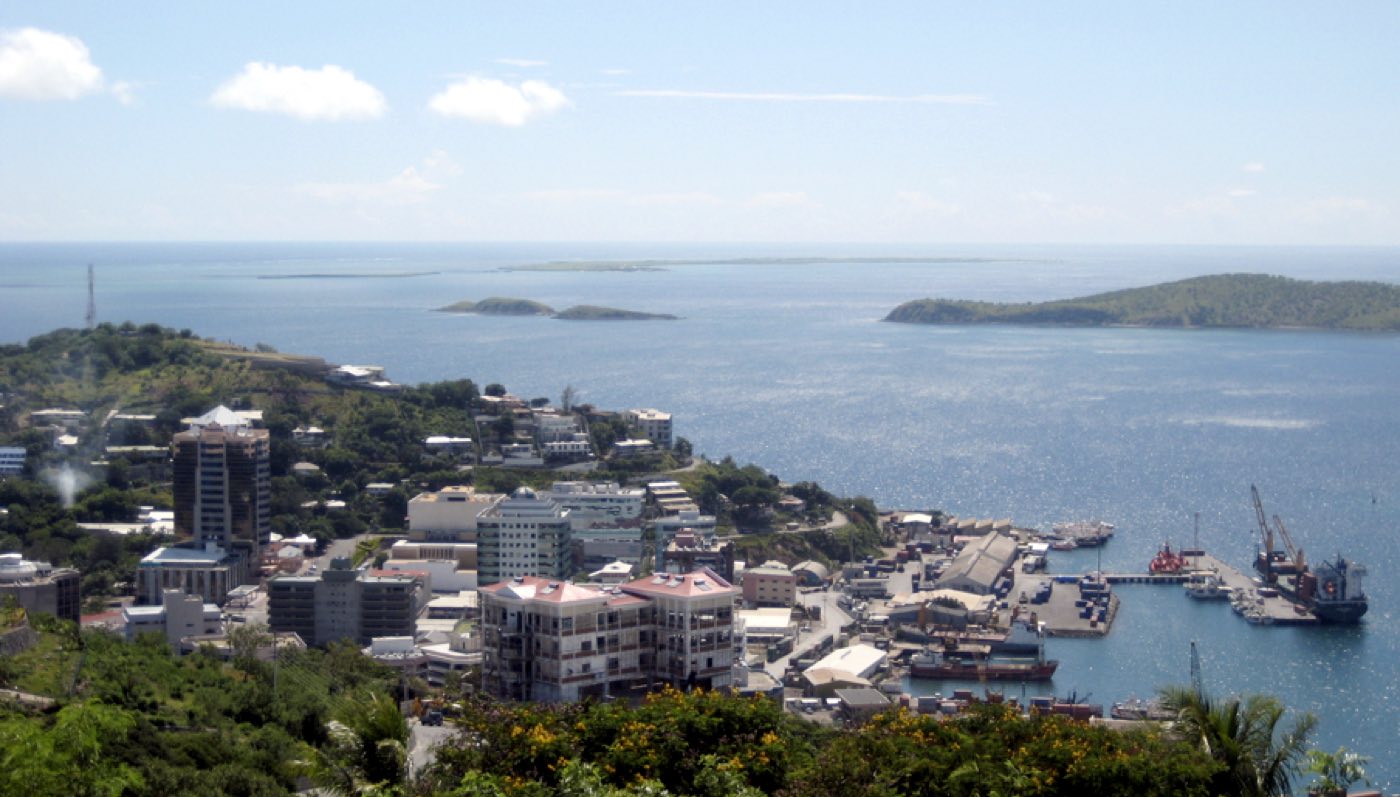
Papua New Guinea
- Capital
- Port Moresby
- Population
- 10.1M
- Currency
- PGK
- Languages
- English, Tok Pisin, Hiri Motu
Overview
One of the most culturally diverse nations on earth with over 800 living languages, Papua New Guinea occupies the eastern half of the world's second-largest island plus an archipelago spreading into the Coral Sea. Travelers come for the Highland Sing-Sing festivals at Mt. Hagen and Goroka, the Kokoda Track through WWII terrain, diving the sunken wrecks of Milne Bay, and meeting some of the last tribal cultures on earth that have kept their ceremonial traditions intact. You cannot wing this trip. PNG is genuinely frontier travel — infrastructure is thin, internal flights cancel routinely, law-and-order issues in Port Moresby are serious, and almost everything outside the capital requires advance arrangement through a local operator or lodge. The payoff for doing it right is one of the most extraordinary places you can still go as a traveler: Highland valleys where warriors paint their bodies in ochre and clay for festivals that are the real thing and not staged for tourists, dive sites over wartime aircraft in perfect reef water, and Sepik River villages where Haus Tambarans still hold the spirit masks. Go with a licensed PNG tour operator or stay at one of the established lodges — Karawari, Ambua, Tawali, or Tufi — which will handle transfers, charter flights, and village introductions. English is an official language and widely spoken alongside Tok Pisin. This is a country that takes planning, patience, and budget, but it delivers experiences you cannot replicate anywhere else on the planet.
Things to Do
Mt. Hagen Sing-Sing cultural festival
The Mt. Hagen Show, held in mid-August each year at the Kagamuga Showgrounds in the Western Highlands, brings together over 100 tribal groups in painted ceremonial dress for two days of dancing, drumming, and display. You see Huli wigmen in red-and-yellow face paint and human-hair wigs, Asaro mudmen in ghostly clay masks, and Enga and Chimbu dancers in bird-of-paradise plumes. Book accommodation and show tickets months in advance through a PNG operator; the Rondon Ridge and Kumul lodges nearby are the usual bases.
Kokoda Track historical trek
The 96-kilometer Kokoda Track cuts across the Owen Stanley Range from Owers' Corner near Port Moresby to Kokoda village, following the WWII campaign where Australian militia and Japanese forces fought in some of the worst jungle terrain of the Pacific war. It's a serious eight-to-ten-day walk through rainforest, rivers, and 2,000-meter ridges, with overnight stops at villages where porters and guides come from. Go between April and October with a licensed Kokoda operator; carry a genuine level of fitness and a willingness to be wet for days.
Milne Bay wreck diving and reef snorkeling
The far eastern end of PNG's mainland gives onto some of the best reef diving in the Pacific — WWII wrecks including the B-17 bomber Black Jack in 46 meters off Boga Boga, plus coral gardens with 400+ fish species and pristine reef that has seen a fraction of the pressure of the Solomon Islands or the Great Barrier Reef. Stay at Tawali Leisure and Dive Resort overlooking Milne Bay; dive boats run daily to walls, muck sites, and wrecks. November through April is prime diving season.
Sepik River cultural canoe journeys
The Sepik River winds 1,100 kilometers through northern PNG, with villages along its length that still hold their traditional Haus Tambarans — spirit houses full of carved masks, shields, and ancestor figures. A five-to-seven-day cruise on Karawari Lodge's MV Sepik Spirit or a similar vessel takes you to villages like Kanganaman, Palimbei, and Aibom, where artists still carve using the old methods. It is one of the last major anthropological journeys in the world you can take as a traveler. Book a year in advance.
Goroka Show highland festival
Goroka Show is the other main Highland festival, held the weekend closest to Independence Day in September in Eastern Highlands Province. It is smaller and slightly more intimate than Mt. Hagen, with the Asaro mudmen and a strong showing of Simbu, Eastern Highlands, and Sepik groups. Come for three nights — arrive Friday, watch both festival days, fly out Monday. Pair with a few days at a Highlands lodge like Ambua for bird-of-paradise watching on Tari Gap.
Tufi fjord diving
Tufi in Oro Province sits on a peninsula cut by steep drowned river valleys — PNG's equivalent of a fjord landscape, with black basalt cliffs dropping into clear blue water. Tufi Resort runs dives onto muck sites, healthy soft-coral walls, and WWII wrecks. Back on the surface, you can paddle an outrigger canoe into the fjords, meet the Korafe villagers, and see traditional tattoo ceremonies. One of the more atmospheric combinations of diving and cultural immersion in the country.
Rabaul volcanic landscape and WWII history
Rabaul on New Britain was the Japanese headquarters of the southwest Pacific until the 1994 eruption of Mt. Tavurvur buried most of the town in ash. What remains is a surreal landscape of ashfall streets, a partially excavated Japanese command tunnel complex, Yamamoto's Bunker, and dive sites over wartime aircraft in the harbor. Base yourself at the Rapopo Plantation Resort in nearby Kokopo and take guided tours of the volcanoes and the war sites. Ferries and flights connect to Kavieng on New Ireland for more diving.
When to Go
May through October is the dry season and the prime window for Highland festivals, trekking, and travel generally. The Mt. Hagen Show takes place in August and the Goroka Show in September — these are the cultural highlights of the year and the reason many first trips are built. November through April is the wet season, which is actually the best time for Milne Bay and Tufi diving when visibility peaks and seas are calm between weather systems; Highland trekking is harder in the wet as tracks become impassable. Kokoda is best walked April through October. Plan on a trip of 10–14 days minimum given flight buffer days.
Getting Around
Domestic flights are the only realistic way to move across PNG — the terrain and infrastructure mean driving between provinces is generally impossible. Air Niugini and PNG Air run daily services between Port Moresby and main hubs (Mt. Hagen, Goroka, Lae, Madang, Rabaul, Alotau) but cancellations and delays are routine, and weight limits on regional flights are strict. Build buffer days into every itinerary. Within Port Moresby, use hotel transfers and pre-arranged cars; taxi-hailing on the street is not recommended. In the provinces, stay at a lodge that provides all transfers, or charter a vehicle with driver. Outside the capital, public transport (PMV vans) exists but is not recommended for foreign travelers. Boat travel connects coastal and island destinations but schedules are informal.
Cost & Currency
PNG uses the kina (PGK) and, despite its remoteness, is not cheap — infrastructure and logistics costs push prices up across the board. Expect PGK 400–800 ($110–$220) per night for a mid-range hotel in Port Moresby or a provincial lodge, PGK 80–150 for a sit-down dinner in a hotel restaurant, and packaged lodge stays (Karawari, Ambua, Tawali) typically $350–$600 per night all-inclusive. Internal flights run $150–$400 per leg. Card use is limited to hotels and a few restaurants in Port Moresby; carry cash for everywhere else. ATMs work in provincial capitals but not reliably in villages. Tipping is not part of the culture, though PGK 20–50 per day to guides and porters is genuinely appreciated.
Frequently Asked Questions
- Is Papua New Guinea safe for travelers?
- Port Moresby has serious law-and-order issues — carjackings, armed robbery, and areas that should not be walked in at any time. Stay at a reputable hotel, use pre-arranged transfers, and never walk at night. Provincial areas are considerably safer when visited through established lodges and with local guides, but tribal disputes (known as "payback" or "raskol" activity) can flare in the Highlands and Sepik. Travel through a licensed PNG operator who can brief you on current conditions and you will generally be fine.
- Do I need a visa to visit PNG?
- Most nationalities require a visa, and PNG offers an e-visa for many countries including US, UK, EU, Australia, and New Zealand — apply online in advance with a typical three-to-five day turnaround. Visa-on-arrival exists at Port Moresby's Jacksons Airport for some nationalities but is unreliable; the e-visa is the safer route. Bring a passport valid for six months, onward ticket, and yellow fever certificate if arriving from a risk country.
- What vaccinations do I need?
- Malaria prophylaxis is essential — PNG is one of the highest-transmission malaria countries in the world and you should budget for antimalarials from a travel clinic. Routine boosters plus typhoid, hepatitis A and B, and Japanese encephalitis are recommended. Yellow fever is only required if you arrive from a risk country. Dengue and chikungunya also circulate; use insect repellent aggressively, especially at dusk.
- Can I travel PNG independently without a tour operator?
- Technically yes, practically no. The combination of unreliable flights, genuine safety concerns, limited infrastructure, and the need for introductions to visit Highland villages or Sepik communities makes independent travel a significant challenge even for experienced travelers. The realistic options are staying at established lodges (which handle all transfers and activities) or booking a custom itinerary through a PNG-specialist operator like Trans Niugini Tours or PNG Holidays.
- How many languages are actually spoken in PNG?
- Over 800 distinct languages are spoken in Papua New Guinea — roughly 12% of the world's languages in a country of 10 million people. This is a function of the mountainous terrain and long-isolated valley communities. The three official languages are English, Tok Pisin (a widely-spoken creole), and Hiri Motu. English is enough to get by at lodges and in towns; a few words of Tok Pisin go a long way in villages.
Plan a Trip to Papua New Guinea
Have you been to Papua New Guinea?
Track 195 countries, 50 states & 63 national parks on your map