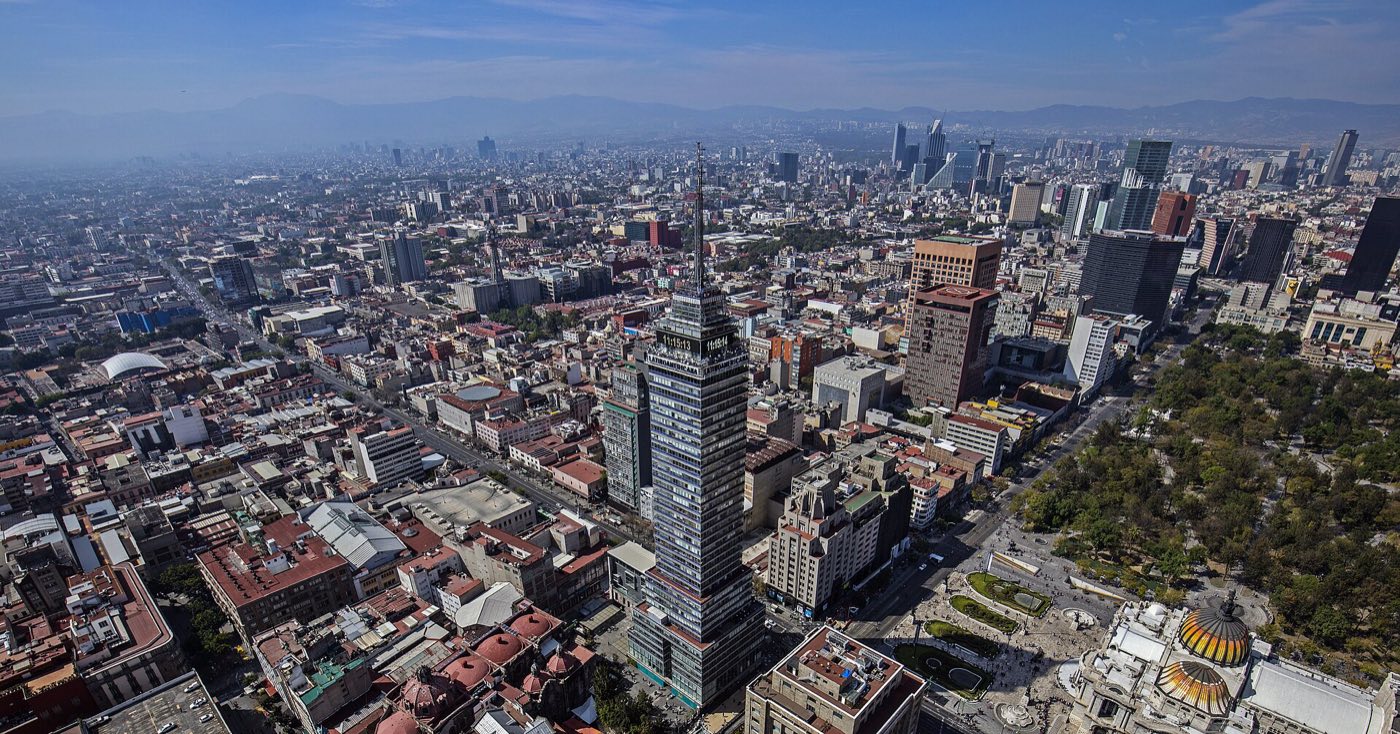
Mexico
- Capital
- Mexico City
- Population
- 129M
- Currency
- MXN
- Languages
- Spanish
Overview
A country so large and varied that people often argue about where it actually begins — coastal desert in Baja, Maya lowlands in the Yucatan, high volcanic basins around the capital, pine forests in the Sierra Madre, and jungle along the Chiapas-Guatemala border. Mexico has one of the world's deepest food cultures (recognized by UNESCO), 35 UNESCO heritage sites, and more archaeological history than any traveler can absorb in a lifetime. Mexico City is where most trips should start. It's a 22-million-person metropolis at 7,300 feet above sea level, cooler than you expect, greener than you expect, and far safer in its central neighborhoods than the headlines might suggest. Spend your first morning at the Museo Nacional de Antropologia — the single best museum in Latin America — then wander from Roma to Condesa as the afternoon cools, and finish with tacos al pastor at a street stand where the trompo has been turning since six in the morning. Mexico rewards travelers who pick a region and commit to it rather than trying to see everything. The Yucatan for Maya ruins, cenotes, and Caribbean beaches. Oaxaca for food, crafts, and mezcal. The central highlands — Mexico City, Puebla, Guanajuato, San Miguel de Allende — for history, colonial architecture, and the country's artistic and political heart. The Pacific coast for surf, and Baja for whales and desert. Two weeks is a comfortable first trip; three or more if you can.
Things to Do
Chichen Itza pyramid
The best-preserved large Maya site in the Yucatan and one of the New Seven Wonders of the World, Chichen Itza centers on the pyramid of Kukulcan — a structure so precisely aligned that at the spring and fall equinoxes a shadow serpent appears to slither down its northern staircase. Arrive at the 8 a.m. opening to have the main plaza almost to yourself before the tour buses roll in from Cancun at 10. Hire a licensed guide at the entrance for an hour to unlock the iconography. Pair with a cenote swim nearby.
Mexico City's Museo Nacional de Antropologia and Frida Kahlo house
The anthropology museum in Chapultepec Park holds the cultural treasures of every pre-Hispanic civilization across the country — the Aztec Sun Stone, the colossal Olmec head, the Maya jade burial masks — organized by region across two floors of a brilliant 1964 building. Plan at least half a day. The Frida Kahlo house, La Casa Azul in Coyoacan, is a separate metro ride south and sells timed tickets that sell out a week or two ahead. Book online before you arrive.
Oaxaca's food scene and Monte Alban ruins
Oaxaca city is the cultural and culinary capital of southern Mexico — markets like 20 de Noviembre and Benito Juarez spill over with seven varieties of regional mole, chapulines (grasshoppers), tlayudas, and mezcal from the agave fields in the surrounding valleys. Take a day trip to the Zapotec ruins at Monte Alban on the hilltop above the city, then return for a tasting flight at a mezcaleria. Day of the Dead in late October and early November is the single best time to be here, though you'll need to book lodging months ahead.
Cenote swimming in the Yucatan
The Yucatan peninsula sits on a limestone shelf riddled with flooded sinkholes — cenotes — that were sacred to the Maya and today provide some of the clearest freshwater swimming in the world. Cenote Ik Kil near Chichen Itza is the classic photo-op; Gran Cenote near Tulum is better for snorkeling and less crowded early; Cenote Azul in Bacalar is a quieter southern option. Bring only mineral-based sunscreen or none at all — the limestone ecosystems are fragile.
Tulum's clifftop Maya ruins
A compact Maya city perched on limestone cliffs above a turquoise Caribbean cove, Tulum is the most photographed ruin in Mexico for a reason — the setting is extraordinary. It's smaller than Chichen Itza and less archaeologically significant, but the beach below the Castillo is open for swimming and the light in the morning is cinematic. Go at 8 a.m. opening to avoid both the crowds and the midday heat, and pair with a cenote stop on the way back toward Playa del Carmen.
Guanajuato's colorful colonial center
An old silver-mining city in the central highlands, Guanajuato is built into a ravine with houses in every color stacked up the slopes and a network of converted mining tunnels running underneath the streets. The Universidad de Guanajuato's plaza, the Teatro Juarez, and the Callejon del Beso are the main stops, but the real pleasure is getting lost in the alleys. Stay two or three nights and time a visit around the Cervantino festival in October if you can.
Copper Canyon train journey
The El Chepe train from Los Mochis on the Pacific coast up to Chihuahua in the north climbs through Copper Canyon, a canyon system larger and in places deeper than the Grand Canyon and home to the Raramuri (Tarahumara) people. The full route takes 9 to 14 hours depending on stops; most travelers break the trip at Divisadero or Creel to hike the rim and stay in a canyon lodge. The train runs daily in each direction and remains one of North America's great rail journeys.
Playa del Carmen and Riviera Maya beaches
The Riviera Maya coastline from Cancun south through Playa del Carmen and Tulum offers 130 kilometers of white-sand Caribbean beach backed by resort and boutique hotel strips. The water is warm, the reef is a short swim out for snorkeling, and the food and nightlife ramp up sharply in Playa's Quinta Avenida. It's the busiest part of Mexico tourism-wise; if you want quieter, continue south to Akumal for sea turtles or Bacalar for the seven-color lagoon.
When to Go
November through April is the dry-season window across most of the country — cooler evenings in the central highlands, comfortable temperatures in the Yucatan, and whale-watching season in Baja. October through early November brings Dia de los Muertos celebrations, at their most atmospheric in Oaxaca and Michoacan. The Pacific coast is swimmable year-round but gets hot and humid from June through September, which is also hurricane season in the Caribbean. Easter week (Semana Santa) sees domestic beach travel spike sharply — book ahead.
Getting Around
Mexico's domestic flight network is extensive and cheap — Viva Aerobus and Volaris connect every major city, and booking two or three weeks out keeps fares reasonable. For ground travel, ADO and other first-class bus lines run comfortable, air-conditioned coaches between cities at a fraction of flight prices; the Mexico City to Oaxaca or Puebla to Merida routes are popular and well run. Renting a car makes sense in the Yucatan, Baja, and for colonial circuit loops in the central highlands but is more hassle than it's worth in Mexico City. Uber and Didi work smoothly in most cities and are safer than street taxis. The new Tren Maya connects parts of the Yucatan.
Cost & Currency
Mexico uses the Mexican peso (MXN), trading at roughly 18 to the US dollar and 20 to the euro. Prices vary by region — Mexico City, Oaxaca, and tourist Yucatan are the most expensive; interior towns and the Pacific coast south of Puerto Escondido run cheaper. Budget 60 to 150 pesos for a street-taco meal, 300 to 600 for a mid-range sit-down dinner, and 1,200 to 3,000 pesos a night for a comfortable hotel room (60 to 150 euros) in most cities. Cards are accepted in cities and at tourist sites; carry cash for markets, tacos, taxis in smaller towns, and tipping. Tip 10 to 15% at restaurants and round up taxi fares.
Frequently Asked Questions
- Is Mexico safe for travelers?
- Most tourist destinations — Mexico City's central neighborhoods, Oaxaca, the Yucatan, Guanajuato, San Miguel de Allende — are generally safe with standard urban precautions. Certain states along the US border and parts of the Pacific coast (Guerrero, Michoacan, Sinaloa) carry active US State Department advisories. Check current guidance for any specific region before booking, use ride-hailing rather than street taxis at night, and avoid long-distance road travel after dark.
- Do I need to speak Spanish?
- You'll get by in Mexico City, the main Yucatan resort areas, and Oaxaca tourist zones with English alone, but Spanish unlocks far more — genuine conversations with taxi drivers, market vendors, and restaurant staff, better prices, and the ability to travel confidently beyond the main tourist circuit. A couple of weeks of phrase practice before the trip pays off quickly once you arrive.
- Is the tap water safe to drink?
- No — stick to bottled or filtered water throughout Mexico, including for brushing teeth in some budget accommodations. Most hotels and restaurants use purified water and filtered ice; bottled water is cheap and sold everywhere. Street food from busy stalls is generally fine and often safer than sit-down tourist restaurants because of the high turnover; use the crowd as your guide.
- How long should I plan for a first trip?
- Two weeks is a comfortable first visit — four or five nights in Mexico City, three or four in Oaxaca, and a week in the Yucatan for ruins, cenotes, and beach time. One week is enough for a single region but forces hard choices. Three weeks lets you add Chiapas or Baja or the Pacific coast without rushing. Distances are bigger than they look on a map.
- Do I need to tip, and how much?
- Yes — tipping is standard and expected. Leave 10 to 15 percent at sit-down restaurants (service charges are not usually included), round up taxi fares or add 5 to 10 percent, tip hotel housekeeping 20 to 40 pesos a day, and give tour guides 100 to 200 pesos for a half-day or 200 to 400 for a full day. Street-food stalls don't expect tips.
Plan a Trip to Mexico
Have you been to Mexico?
Track 195 countries, 50 states & 63 national parks on your map