Antigua and Barbuda
- Capital
- St. John's
- Population
- 100K
- Currency
- XCD
- Languages
- English
Overview
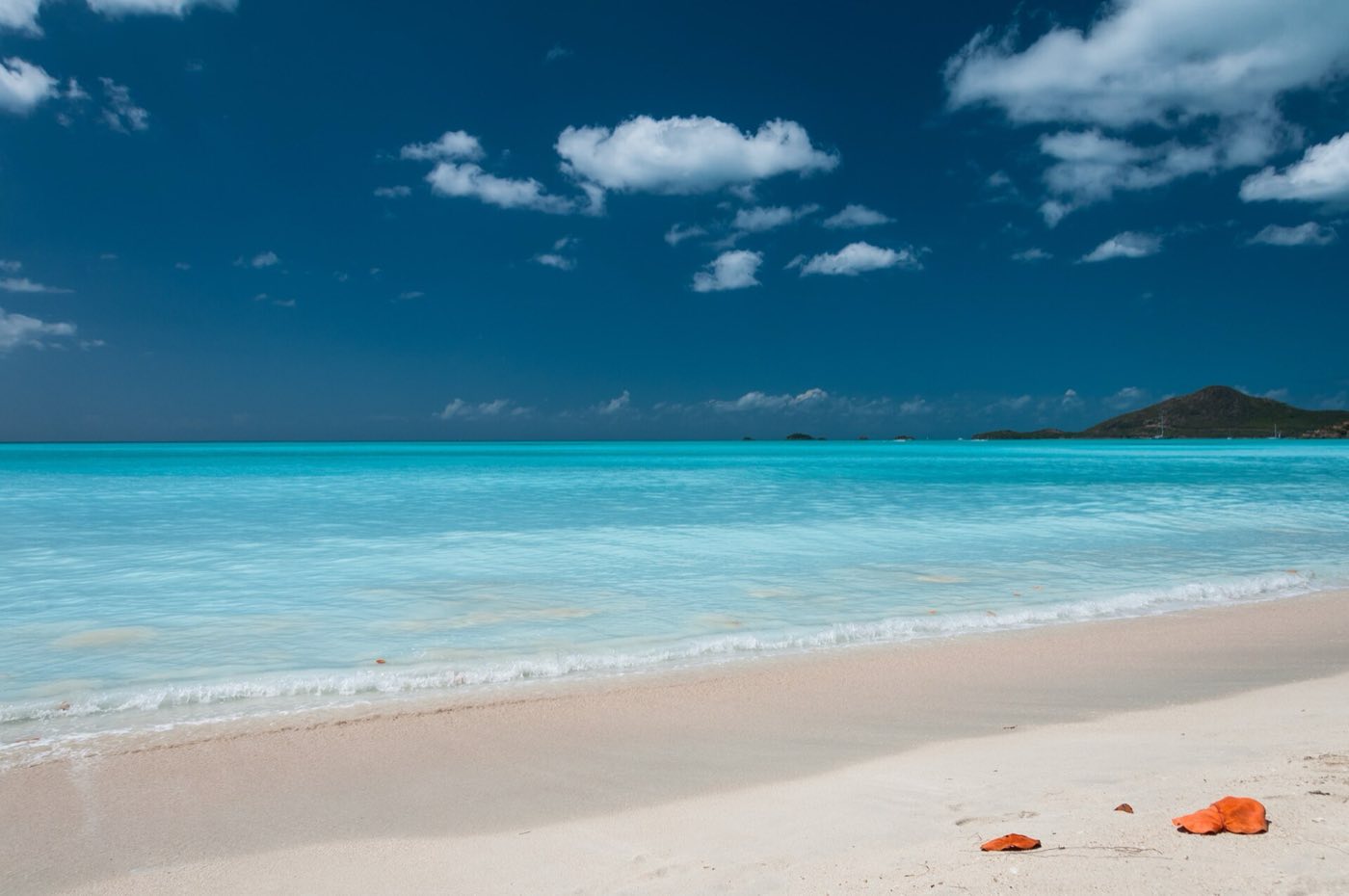
A twin-island Caribbean nation with a much-repeated boast — 365 beaches, one for every day of the year — and a maritime heritage that still shapes daily life. Travelers come for sailing regattas that fill English Harbour every spring, powder-fine coves that stay quiet even in February, and the Georgian-era stone warehouses of Nelson's Dockyard. You feel the trade winds before you notice them. They run steadily from the east across Antigua's low hills, keeping the humidity off and the sailing crowd happy, and they are the reason the British parked their West Indies fleet here in the 1700s. Most of the action clusters around the south coast — Falmouth and English Harbours — while the north-coast beaches around Dickenson Bay are where the casual swim-and-rum-punch crowd tends to land. Barbuda, a short flight or ferry from St. John's, is the quieter sister: pink-sand beaches, a handful of lodges, and more frigate birds than people. Antigua rewards travelers who want a compact Caribbean base where you can walk from a yacht harbor to a hilltop fort in an afternoon and still be back in time for a grilled-fish dinner at sea level. Rent a car for a few days and you can loop the island in two hours, stopping at any cove that catches your eye — you will almost certainly have it to yourself for at least part of the morning.
Things to Do
Nelson's Dockyard National Park
The only continuously working Georgian-era dockyard left in the world sits in English Harbour on the south coast, restored stone by stone from the 1780s original. Admiral Nelson sailed in and out of here chasing French fleets, and the sail loft, officers' quarters, and copper-and-lumber store now house small museums, a hotel or two, and a marina full of yachts. Come in the morning to walk the stone piers before the cruise-ship groups arrive, and stay for lunch at the Copper and Lumber Store's courtyard.
Dickenson Bay beach
The long, calm arc of sand on Antigua's northwest shore is the island's most popular swimming beach — wide, gently sloping, and lined with a handful of resorts and casual beach bars where you can order a rum punch without changing out of your swimsuit. The water is reliably clear and warm year-round, and the bay is sheltered enough for kids and paddleboards. Sundays bring a local crowd to the public stretch near the north end.
Antigua Sailing Week regatta
For six days at the end of April, English Harbour transforms into the premier racing event of the Caribbean sailing calendar, drawing crews from the Mediterranean, the east coast of the United States, and every island south of here. Even if you have never set foot on a sailboat, the spectacle is worth planning a trip around — the Lay Day beach party at Nelson's Dockyard, the nightly prize-givings, the starts visible from Shirley Heights. Book accommodation months out; everything fills.
Shirley Heights lookout and Sunday barbecue
The 18th-century British gun battery above English Harbour has the best sunset view on the island, and for fifty years it has hosted a Sunday-evening barbecue that runs from four until nine. Steel pan players start things off; a full reggae band takes over as the sun drops behind Falmouth Harbour; jerk chicken and ribs come off a line of oil-drum grills. Arrive by five to grab a spot along the stone wall.
Half Moon Bay
A crescent-shaped bay on the island's Atlantic-facing east coast that many regulars consider Antigua's most beautiful beach — a perfectly curved mile of white sand backed by low scrub, with reef breaks at either end and calm swimming in the middle. It is a national park, there is no development on the beach itself, and you will often share it with fewer than a dozen people. Bring water and shade; the small lunch shack at the south end is hit or miss.
Barbuda's Frigate Bird Sanctuary
The lagoon on the north end of Barbuda holds one of the largest frigate bird colonies in the Western Hemisphere — some 5,000 birds during the November-to-April mating season, when the males inflate their scarlet throat pouches to the size of beach balls. You reach it by small boat from Codrington, a 15-minute trip across the lagoon with a local guide. The birds nest low in the mangroves and let you drift to within a few yards.
Stingray City snorkeling
A sandbar off Antigua's northeast coast sits in three feet of water and plays host to a resident population of Southern stingrays that local operators have been feeding for decades. Boat tours from St. John's or Seatons run a half day and let you stand in the shallows while the rays — smooth, curious, and entirely used to people — pass against your legs. Snorkel gear is included; the reef beyond the sandbar has good coral and reef fish too.
When to Go
December through April is the dry, sunny stretch and the peak sailing season, with steady trade winds and daytime temperatures in the low 80s. Antigua Sailing Week at the end of April is the island's marquee event and the harbor town atmosphere it generates is worth planning around. May and June are quieter and still reliably dry. July through October is hurricane season — rates drop substantially, the sea warms up, and you can often find excellent weather windows, but build in flexibility. November is a sweet spot: sunshine returns, prices have not yet climbed, and the beaches are empty.
Getting Around
A small rental car is the right call if you want to see more than one stretch of coast — the island is only 14 miles across and you can loop it comfortably in a day. Driving is on the left, roads are mostly paved but pothole-prone, and a temporary local driving permit (issued at the rental counter for around US$20) is required. Public buses are cheap, run between St. John's and the villages, but keep irregular hours and do not serve the south-coast harbors well after dark. Taxis are plentiful and charge fixed government rates; agree the fare before you get in. For Barbuda, a 90-minute ferry runs most days from St. John's, and a short hop on a small plane is quicker but weather-dependent.
Cost & Currency
Antigua and Barbuda uses the East Caribbean dollar (XCD), pegged to the US dollar at 2.70 to 1 — and US dollars are accepted almost everywhere, often at a slightly less favorable rate. Expect US$3–$5 for a local Wadadli beer, US$15–$25 for a casual fish-and-rice lunch on the beach, and US$200–$350 a night for a mid-range hotel room in the high season, with all-inclusive resorts pushing well above that. Cards are accepted in hotels, restaurants, and larger shops; keep US$50 in small bills for taxis, beach vendors, and the Shirley Heights barbecue. Tipping follows the US pattern — 15% at restaurants where service is not already included, a few dollars to taxi drivers and housekeeping.
Frequently Asked Questions
- Do I need a visa to visit Antigua and Barbuda?
- Citizens of the US, Canada, the UK, the EU, and most Commonwealth countries do not need a visa for stays of up to six months — a passport valid for the length of your trip and a return or onward ticket are enough. Check your nationality's specific requirements before booking, and note that an entry form is now submitted online before arrival.
- Is Antigua safe for travelers?
- Yes — Antigua is generally safe, with the main concerns being petty theft from unattended rental cars and the occasional opportunistic bag-snatch on quieter beaches. Stick to well-traveled areas after dark in St. John's, lock valuables in your hotel safe, and do not leave anything visible in a parked car. Violent crime against tourists is uncommon.
- What's the difference between Antigua and Barbuda?
- Antigua is the larger, busier island with the airport, St. John's, most resorts, English Harbour, and all the nightlife. Barbuda, 30 miles to the north, has around 1,500 residents, few paved roads, a handful of lodges, and some of the most undeveloped pink-sand beaches in the Caribbean. Most visitors stay on Antigua and do Barbuda as a day or overnight trip.
- How many days do I need for a first trip?
- Five to seven nights on Antigua is comfortable — enough time to settle into a beach, take a day sail, see Nelson's Dockyard and Shirley Heights, and add an overnight on Barbuda if the timing works. A long weekend is doable if you pick one harbor and one beach; longer than a week and you will want a second island to mix things up.
- Is the tap water safe to drink?
- Tap water is generally considered safe to drink in hotels and larger establishments, which treat and filter it, but many visitors prefer bottled water for taste since much of the island's supply is desalinated. In Barbuda and in smaller guesthouses, stick to bottled or ask your host directly.
Plan a Trip to Antigua and Barbuda
Have you been to Antigua and Barbuda?
Track 195 countries, 50 states & 63 national parks on your map