Ireland
- Capital
- Dublin
- Population
- 5.1M
- Currency
- EUR
- Languages
- English, Irish
Overview
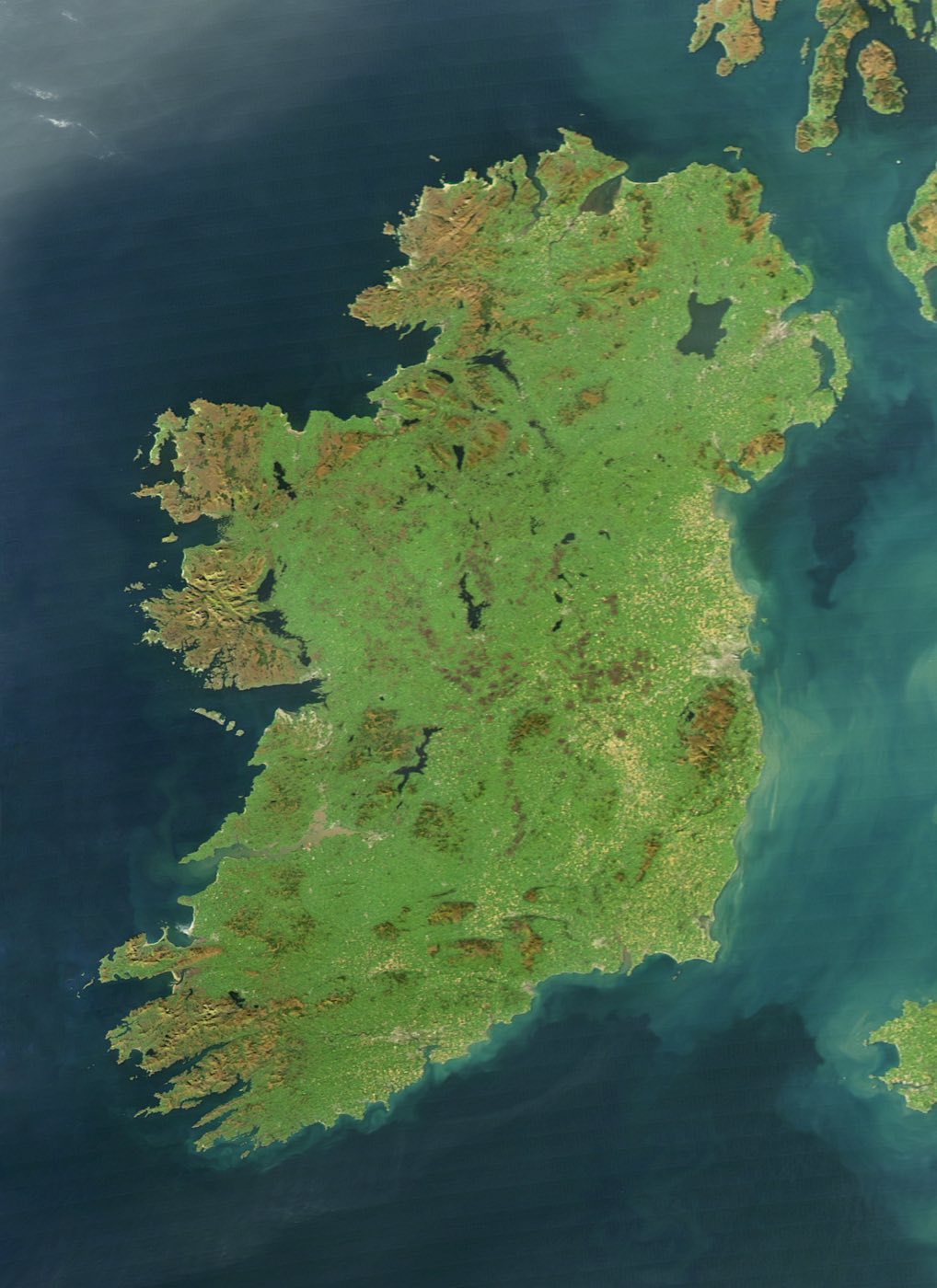
An island on Europe's western edge where weather moves in from the Atlantic three seasons in an afternoon, Ireland offers a landscape of sheep-dotted green, limestone cliffs, peat bog, and a coast of inlets and peninsulas that could fit a lifetime of road trips. Visitors come for the Cliffs of Moher, the Ring of Kerry, a pint in a Dublin pub, the Wild Atlantic Way, and a literary culture that still punches improbably above the island's size. What people underestimate is how small it is. You can drive from Dublin to Galway in two and a half hours, the full west coast from Cork to Donegal in a long week, and the whole island north to south in about eight hours. That scale is its travel advantage: you can make Kerry one day, Connemara the next, and still be back in Dublin for the weekend. It is also why so many first-timers try to see too much — the roads off the main routes get slow and single-track fast, and the real Ireland is in the villages you accidentally drive through rather than the towns on the map. The other thing that distinguishes Ireland as a trip is the welcome. This is a country where conversations with strangers at a bar counter routinely turn into three-hour introductions to an extended family, where a pub session on a Tuesday night pulls in four fiddle players who live down the lane, and where nobody is in quite the hurry the rest of Europe seems to be in. Go expecting rain, take the weather as it comes, and leave time for the long lunches and longer evenings that are the point.
Things to Do
Cliffs of Moher
The 214-meter sea cliffs of County Clare run for five miles along the western edge of the Burren, and on a clear day you can see the Aran Islands, the peaks of Connemara, and the Dingle Peninsula to the south. The best walk is the coastal path north from the visitor center to Doolin or south to Hag's Head — either direction you leave the coach-tour crowds behind after the first ten minutes. Go at golden hour when the Atlantic turns copper; the cliffs face west and every sunset here is a good one.
Ring of Kerry scenic drive
The 179-kilometer loop around the Iveragh Peninsula in the southwest is the most famous drive in Ireland and one of Europe's great coastal circuits. Drive it counter-clockwise from Killarney to avoid meeting tour buses head-on on the narrow roads, and give yourself a full day with stops: Ladies View in Killarney National Park, the seaside village of Sneem, the Skellig viewpoint at Valentia Island, Kerry Cliffs, and the beach at Derrynane. Overnight in Kenmare or Killarney rather than racing through.
Dublin's Trinity College and Book of Kells
The 9th-century illuminated gospel book at Trinity College Library is one of the great surviving treasures of early-Christian Europe, and the Long Room upstairs — a barrel-vaulted 65-meter gallery of ancient books — is one of the most photographed library rooms in the world. Book a timed ticket in advance for early morning to avoid the queues. Pair it with a walk across College Green, a pint of Guinness at Kehoe's or Grogan's, and an afternoon at the National Museum's Celtic gold collection.
Wild Atlantic Way coastal route
The 2,500-kilometer signed coastal route runs from Kinsale in County Cork all the way up to Malin Head in Donegal, and it is the single best framework for organizing a longer Ireland trip. You do not drive the whole thing — nobody does — but you pick sections: West Cork and the Beara Peninsula for a slow wander, the Dingle Peninsula for Irish-speaking villages and Slea Head, Connemara for bog and mountain, and the Sligo-Donegal coast for surfing and empty beaches. Allow five days minimum for any meaningful section.
Guinness Storehouse in Dublin
Touristy, yes, but the seven-floor brewery museum at St. James's Gate is done well and ends with a pint at the Gravity Bar on the top floor, which has a 360-degree view over Dublin and is the best panorama in the city. Book online in advance — walk-ups are often sold out — and allow about two hours. Learn to pour your own at the Guinness Academy halfway through. The pint at the top, if you have just learned how it should be served, tastes different.
Giant's Causeway in Northern Ireland
The 40,000 interlocking basalt columns on the Antrim coast were formed 60 million years ago by volcanic activity and are now a UNESCO World Heritage site in the British territory of Northern Ireland, about an hour and a half northwest of Belfast. The columns step down into the sea like an enormous honeycomb staircase, and the cliff-top path from the visitor center to the causeway and back takes about two hours. Combine with the rope bridge at Carrick-a-Rede and a night in Ballycastle on the Causeway Coast.
Skellig Michael island monastery
The jagged pyramid of Skellig Michael rises 218 meters out of the Atlantic off the Kerry coast, and a 6th-century monastery of beehive stone huts sits near the top — reached by 600 ancient stone steps carved into the cliff. Day boats run from Portmagee from May to September (weather dependent) and places sell out months ahead; Star Wars filmed here, which has made booking harder. Birdlife is extraordinary: puffins from May to August, gannets, storm petrels. The crossing is rough; take seasickness tablets.
Galway's Latin Quarter pubs and Aran Islands
Galway city is the cultural capital of the Irish west and the best place in the country for a traditional music session — start at the Crane Bar or Taaffes and follow the music from pub to pub along Quay Street. Day-trip or overnight to the Aran Islands (Inis Mór is the largest) for the prehistoric fort of Dún Aonghasa on a cliff edge, fields divided by thousands of miles of drystone walls, and Irish as the everyday language. Ferries run from Rossaveal and flights from Connemara Airport.
When to Go
May, June, and September are the best months — long days (18 hours of light near midsummer), relatively dry weather by Irish standards, and the crowds of July and August mostly absent. July and August are peak season and both the Ring of Kerry and the Cliffs of Moher feel it; book accommodation well ahead if you go then. March brings St. Patrick's Day festivals across the country, and the weather that time of year is mixed but manageable. Winter (November to February) is dark, wet, and often beautiful on the west coast, with the trade-off that some coastal tours and island ferries stop running until spring. Pack layers and a waterproof jacket regardless of season.
Getting Around
A rental car is the right answer for most trips outside Dublin — the west coast, the Ring of Kerry, Connemara, and Donegal all reward a car and would be a struggle without one. Driving is on the left, country roads narrow fast, and you want the smallest vehicle you are comfortable with for the hedge-lined lanes. Dublin, Galway, Cork, and Belfast are easily reached by intercity trains and buses on Irish Rail and Bus Éireann, and the city-center hotels are walkable in all four. Within Dublin, the Luas trams and Dublin Bus cover most of the city, and the Leap Card works as a flat-fare smart card. Taxis and Free Now (the local ride-hailing app) work well in the cities.
Cost & Currency
The Republic of Ireland uses the euro; Northern Ireland uses the British pound. Ireland is not a cheap country — prices run closer to the UK than to southern Europe. Expect €140–€220 per night for a mid-range hotel in Dublin or Galway, €25–€40 for a pub main like Irish stew or fish and chips, and €6–€8 for a pint of Guinness in a city pub. Rural B&Bs are better value at €90–€130 a night including a proper cooked breakfast, and they are an Irish institution worth experiencing. Cards are accepted everywhere; ATMs are plentiful. Tipping is modest: 10% at sit-down restaurants, round up a taxi fare, and tipping is not expected on a round of pints at the bar. Rental cars and fuel are the other expense to budget for on a west-coast trip.
Frequently Asked Questions
- Do I need a visa to visit Ireland?
- Citizens of the US, Canada, Australia, New Zealand, the UK, and the EU do not need a visa for short tourist stays, and most can stay for up to 90 days on arrival. Ireland is not part of the Schengen Area, so a Schengen visa does not automatically cover Ireland. Northern Ireland is part of the UK and follows British entry rules, which for most of the above nationalities also means visa-free tourism, but check your specific passport before booking.
- Do I need to rent a car in Ireland?
- For Dublin only, no — the city is walkable and well-served by public transport, and day tours to the Cliffs of Moher or the Wicklow Mountains run daily. For the west coast, the Ring of Kerry, Connemara, or any trip along the Wild Atlantic Way, a car is close to essential. Driving is on the left, and the smallest car you are comfortable with is the right choice for the narrow country roads. Automatic transmissions are available but cost more and need to be booked ahead.
- What is the weather like in Ireland?
- Mild, wet, and changeable is the honest summary — summer highs rarely exceed 20°C and winter lows rarely drop below 2°C, but rain can appear at any point in any month. The west coast is wetter than the east, and the weather on a given day may cycle through sun, cloud, and shower three or four times. Pack a waterproof jacket regardless of season, layers rather than a single heavy coat, and comfortable walking shoes that handle puddles.
- What is a traditional music session and can tourists attend?
- A seisiún (session) is an informal gathering of traditional musicians playing together in a pub, usually without amplification, and they are a central part of pub culture in western Ireland. Visitors are welcome to sit and listen — just do not talk over the music, do not request songs, and buy the musicians the occasional pint if you are enjoying it. Galway, Doolin, Dingle, and Westport are reliable towns for nightly sessions; Monday or Tuesday nights tend to be less packed than weekends.
- How many days do I need for a first trip to Ireland?
- Seven to ten days is the comfortable first visit: two nights in Dublin for Trinity and the museums, three nights based in Killarney for the Ring of Kerry and the Dingle Peninsula, two nights in Galway for Connemara and a day trip to the Aran Islands or Cliffs of Moher, and a flexible night on either end. Add three or four days if you want to include Belfast and the Causeway Coast in the north.
Plan a Trip to Ireland
Have you been to Ireland?
Track 195 countries, 50 states & 63 national parks on your map